Run And Half Knee Bend
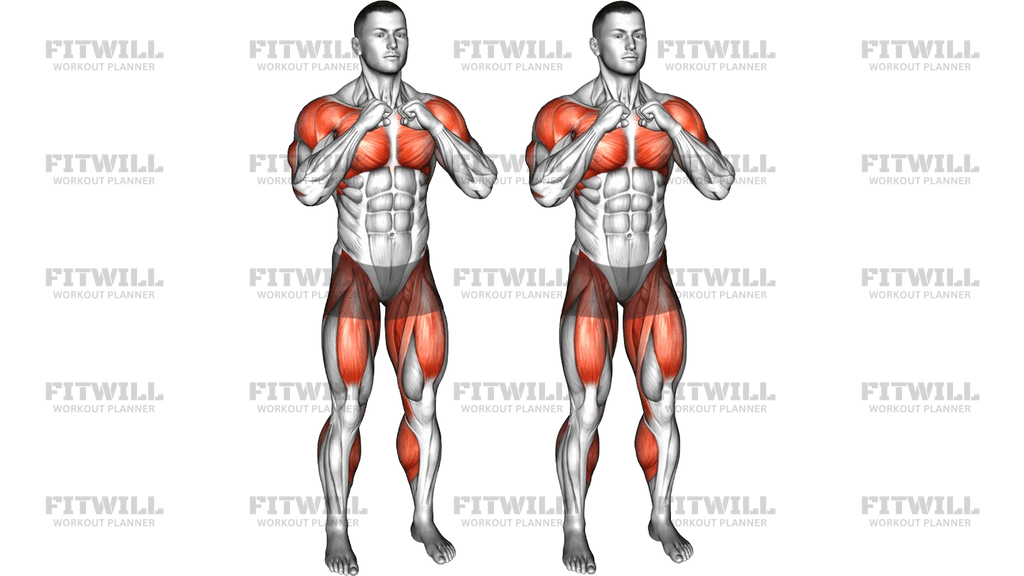
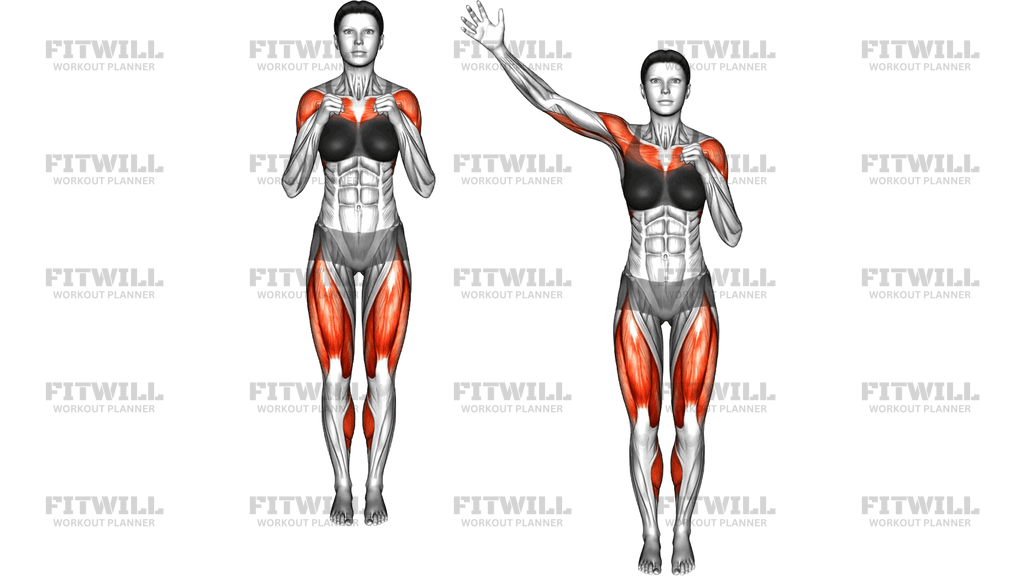
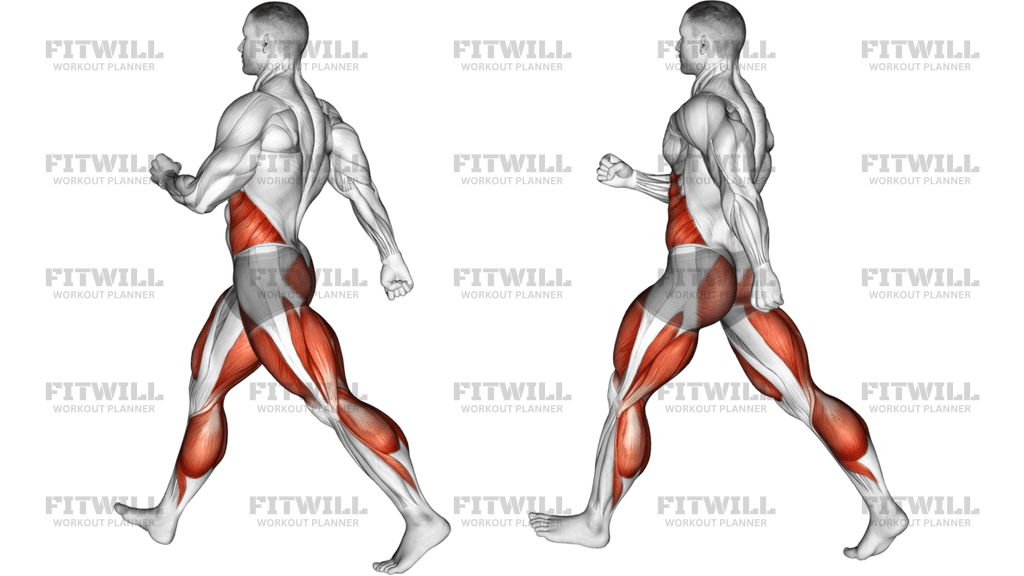
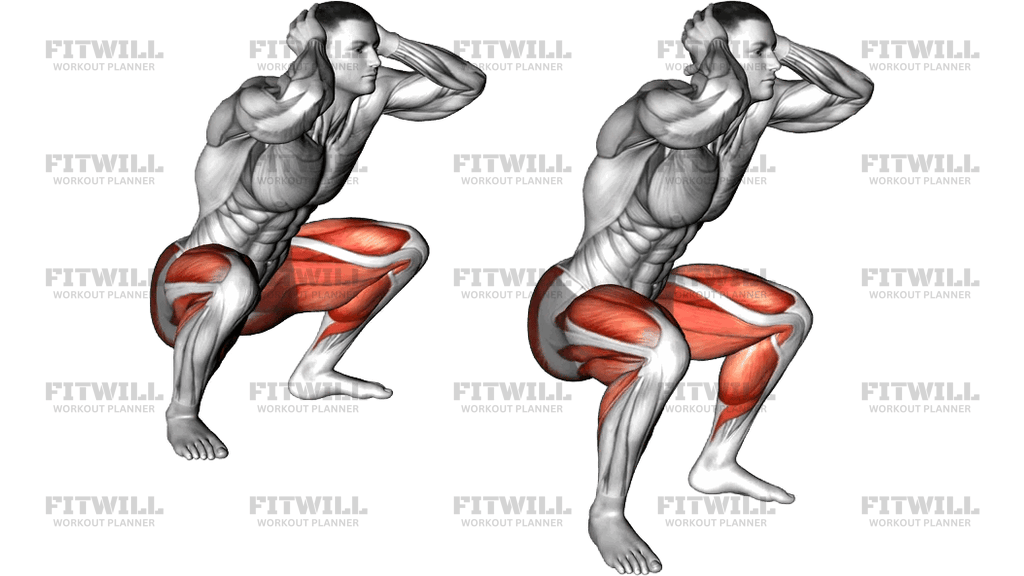
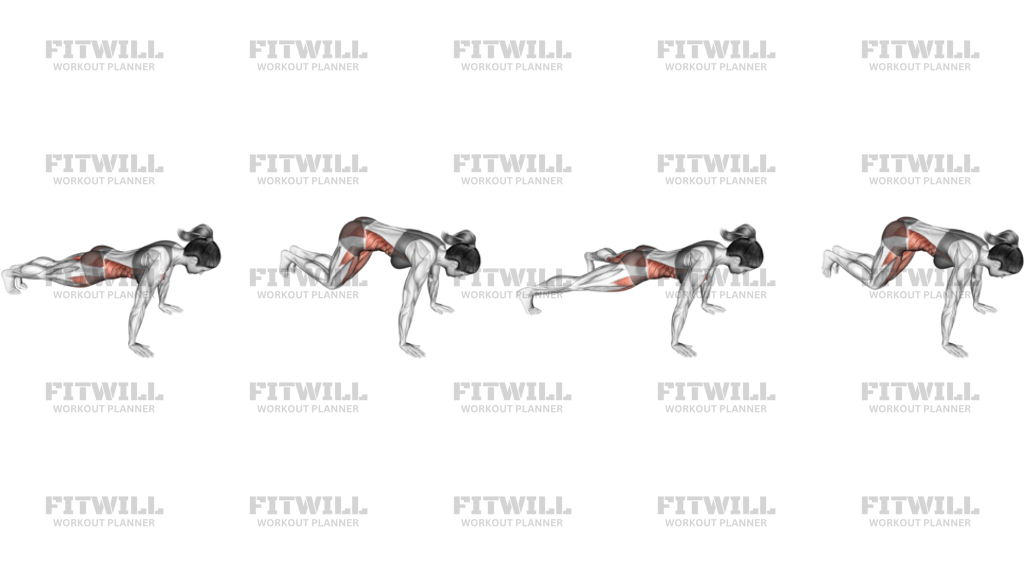
Run And Half Knee Bend is a bodyweight cardio drill that blends quick running steps with a shallow knee bend to keep the legs springy and the heart rate elevated. It sits between a jog and a partial squat, so the goal is not to sink low or chase power. The goal is to stay light, coordinated, and ready to switch feet quickly without losing posture.
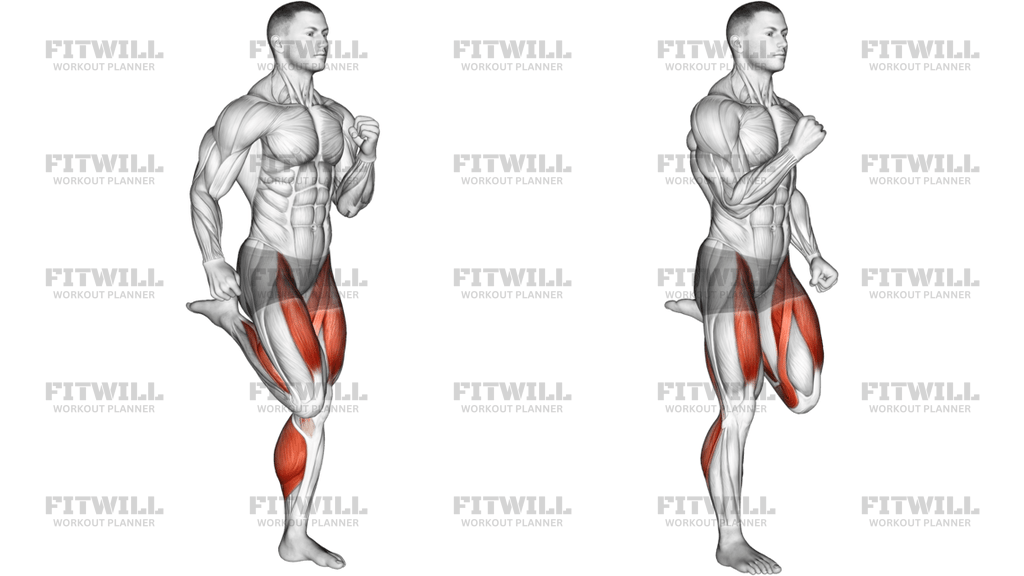
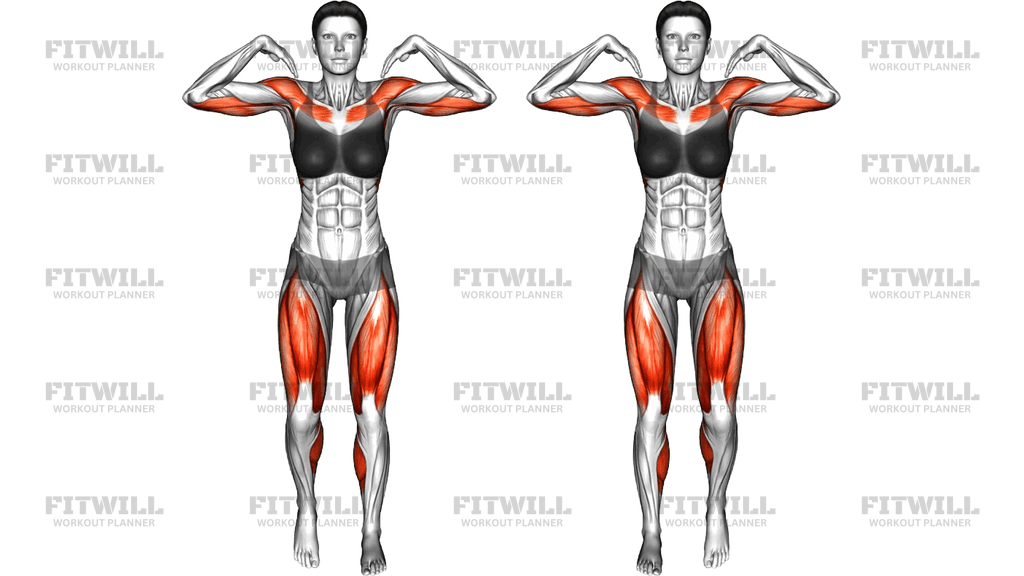
This movement is useful as a warm-up, a conditioning finisher, or a low-equipment interval drill. The main effort comes from the quads, calves, glutes, hip flexors, and core stabilizers, while the arms help keep rhythm and balance. Because the stance is narrow and the contacts are fast, small setup errors show up quickly, especially if the torso leans too far forward or the knees collapse inward.
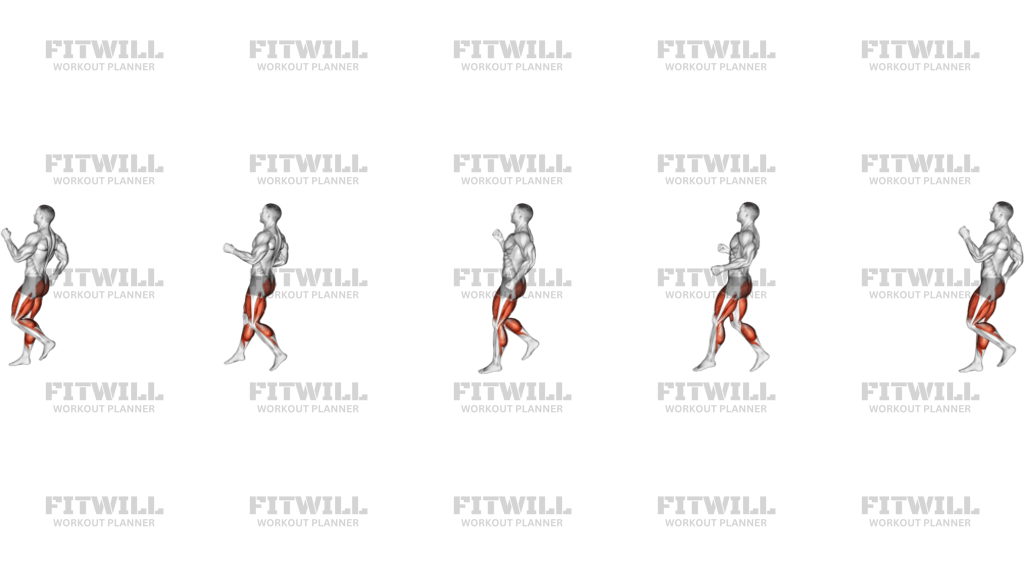
Start with your feet about hip-width apart, your chest tall, and your knees softly bent. Keep your weight centered over the balls of your feet so you can step quickly without rocking backward. From that athletic stance, alternate quick running steps while keeping the knees only half bent rather than dropping into a full squat.
The best version of Run And Half Knee Bend feels springy and controlled, not noisy or rushed. Land under your hips, let the arms swing opposite the legs, and keep the bounce small enough that your torso does not sway side to side. If you want more intensity, raise the cadence or work longer before you make the knee drive bigger.
Use Run And Half Knee Bend when you want conditioning that also teaches quick footwork and stable posture. It fits well in interval circuits, movement prep, or as a short between-set drill in a lower-body session. Stop the set cleanly when your steps start getting heavy, because once the landing turns into stomping, the movement has stopped serving the purpose.
[ Workout Log & Planner ]
Put your next workout in Fitwill
Keep your plan and training log ready when you are.


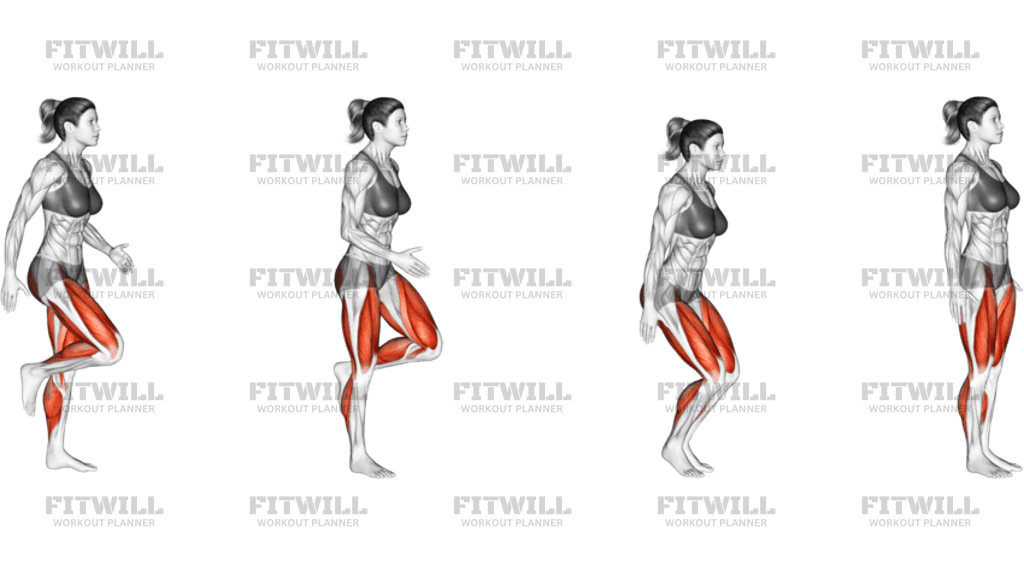
Instructions
- Stand tall with your feet about hip-width apart, your arms bent at your sides, and your weight balanced on the balls of your feet.
- Soften both knees into a shallow half bend and keep your chest lifted so your hips stay stacked over midfoot.
- Lean forward only slightly from the ankles, not the waist, so you are ready to move like a quick run in place.
- Drive one knee up as the opposite arm swings forward, then switch legs in a quick, springy rhythm.
- Keep each landing light and under your hips instead of reaching forward or letting your heels slam down.
- Hold the half bend throughout the set so the movement stays shallow rather than turning into a squat pulse.
- Breathe in a steady rhythm as you move and use short exhales on the stronger knee drives or every few steps.
- Slow the cadence, bring both feet under you, and stand tall to finish the set cleanly.
Tips & Tricks
- Keep the bend shallow enough that the drill feels springy; if your thighs start burning like a squat, you are dropping too low.
- Think quick feet first and big knees second. If your torso starts rocking, shorten the step and tighten the rhythm.
- Let the arms swing opposite the legs so the movement stays coordinated instead of crossing the body.
- Stay on the balls of your feet, but allow a brief heel touch if your calves are getting overloaded and you need a small reset.
- If the drill feels too bouncy, reduce the knee lift and increase cadence rather than jumping higher.
- Track the knees in line with the second or third toe so they do not cave inward during the landing.
- Use shorter work intervals if your breathing gets ragged before your leg rhythm does.
- Stop the set when the landing gets noisy. Stomping usually means the drill has become too fast for clean control.
Frequently Asked Questions
What muscles does Run And Half Knee Bend work?
It is mainly a cardio drill, but it also challenges the quads, calves, glutes, hip flexors, and core stabilizers.
Is Run And Half Knee Bend the same as high knees?
It is similar, but the added half knee bend keeps you in a lower athletic stance and asks more from the legs and posture.
How deep should the half knee bend be?
Only shallow enough to stay springy. You should feel your legs working without dropping into a full squat.
Can beginners do Run And Half Knee Bend?
Yes. Beginners can treat it like a fast march with a light knee lift and smaller arm drive before speeding up.
Should my heels stay off the floor the whole time?
Mostly yes during the running phase, but a brief heel touch is fine if you need to reset your rhythm.
Why do my hips or calves burn so fast?
The drill asks for repeated elastic work from the hip flexors, calves, and glutes. Shorter intervals or a smaller knee drive usually helps.
How can I make Run And Half Knee Bend harder?
Increase cadence, lengthen the interval, or keep the torso quieter while your feet move faster.
What is the most common mistake with Run And Half Knee Bend?
Dropping too low and turning the drill into a squat, which slows the foot turnover and makes the movement jerky.