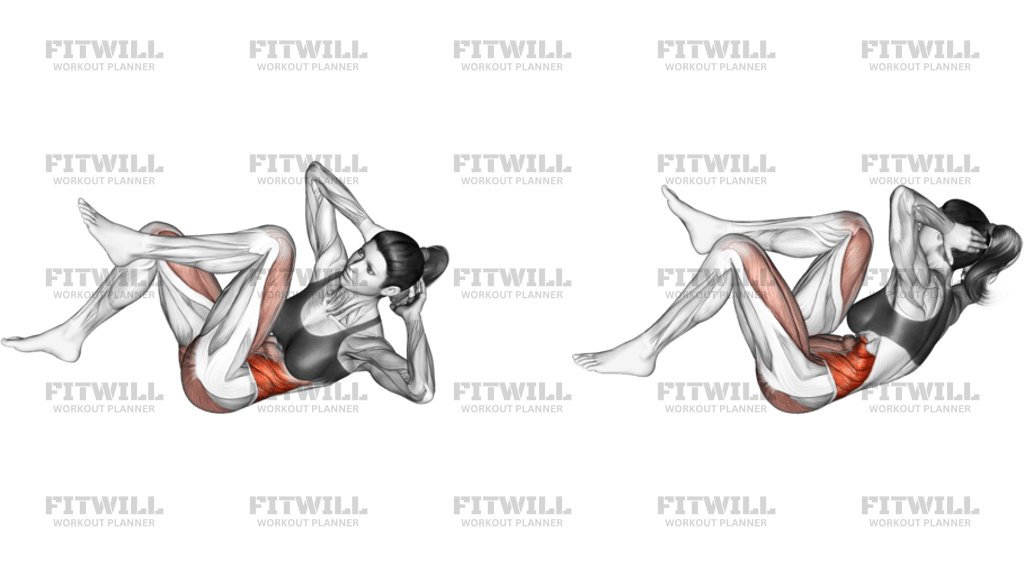
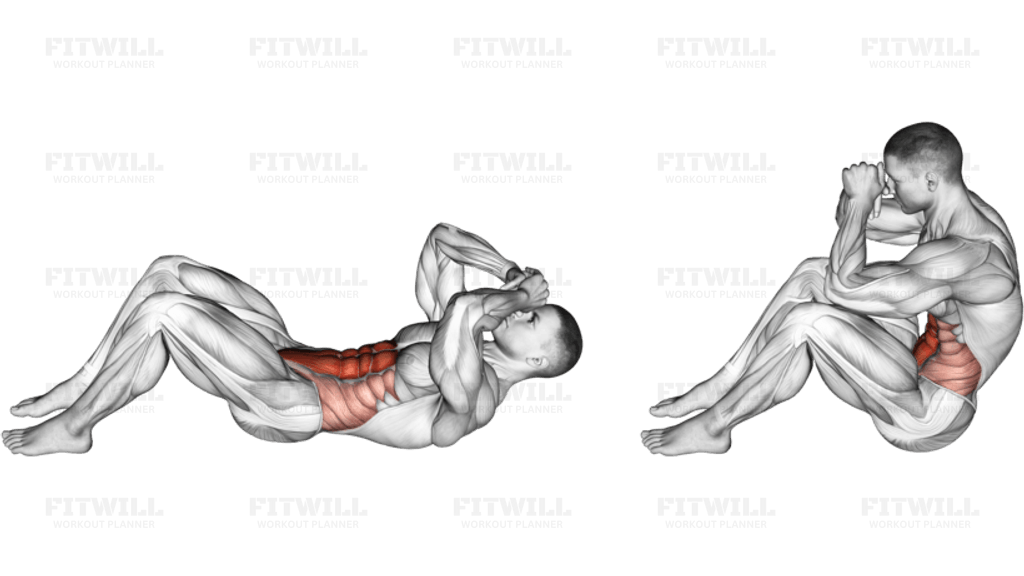
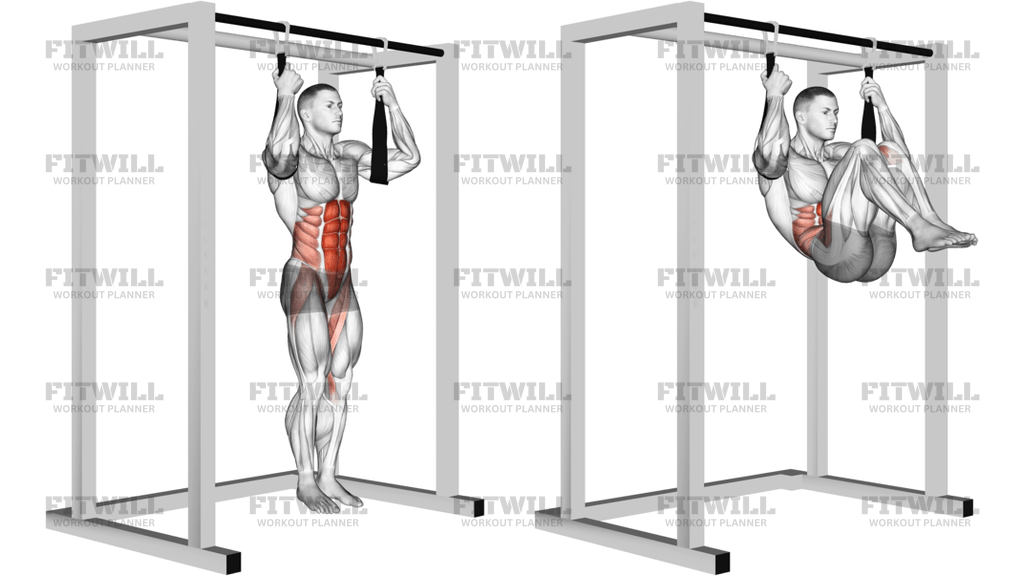
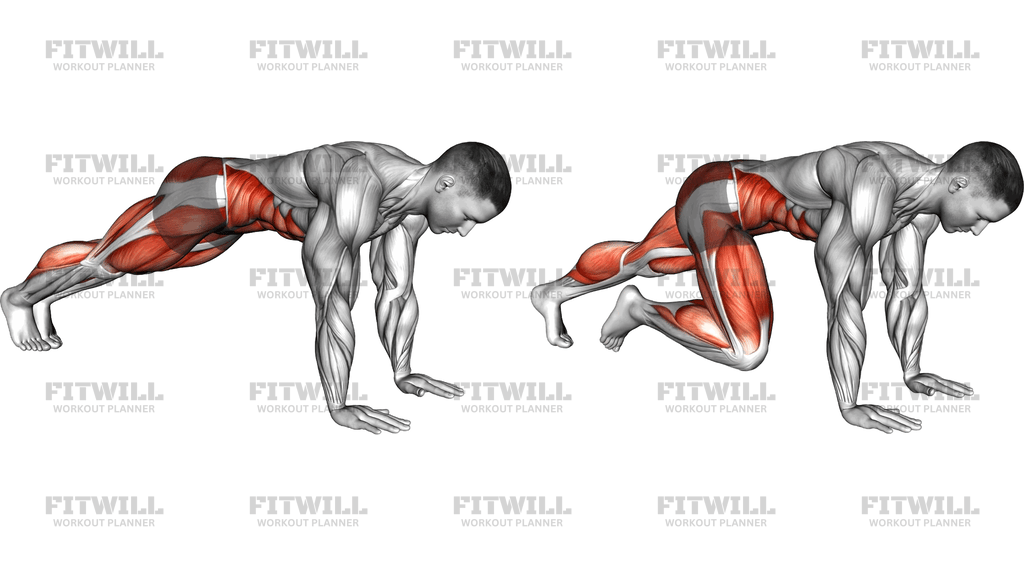
Lying Leg Hip Raise On Floor
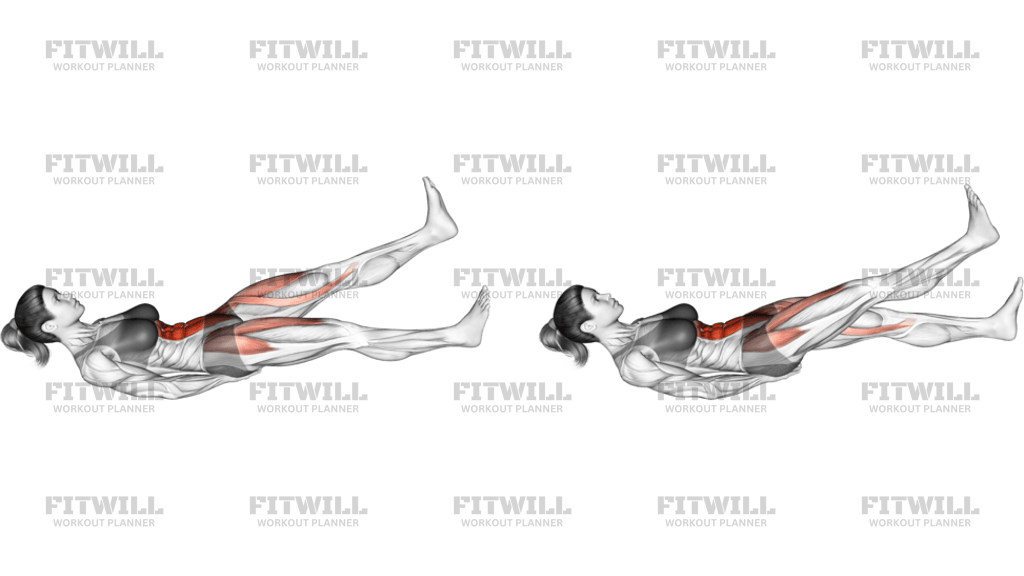
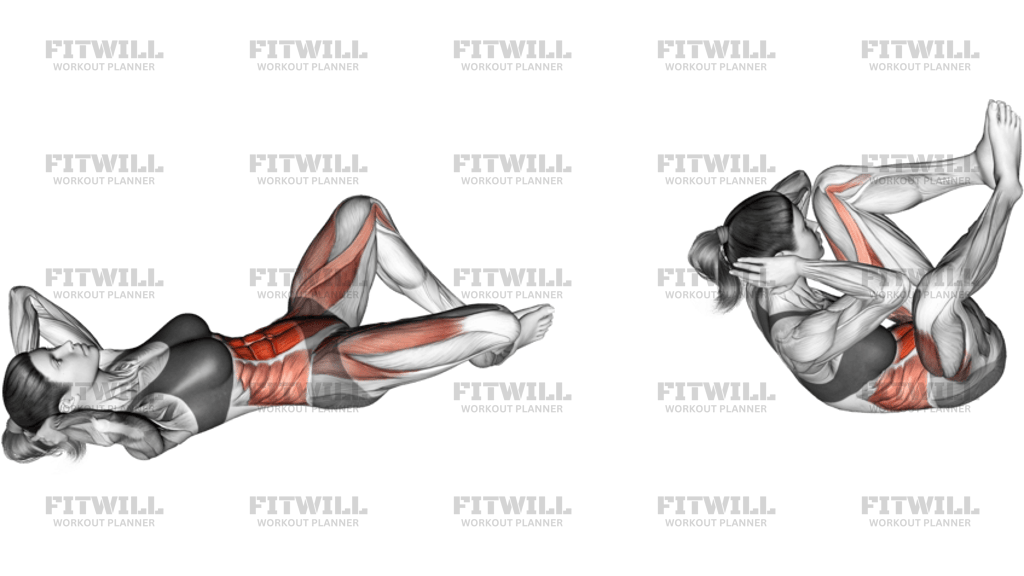
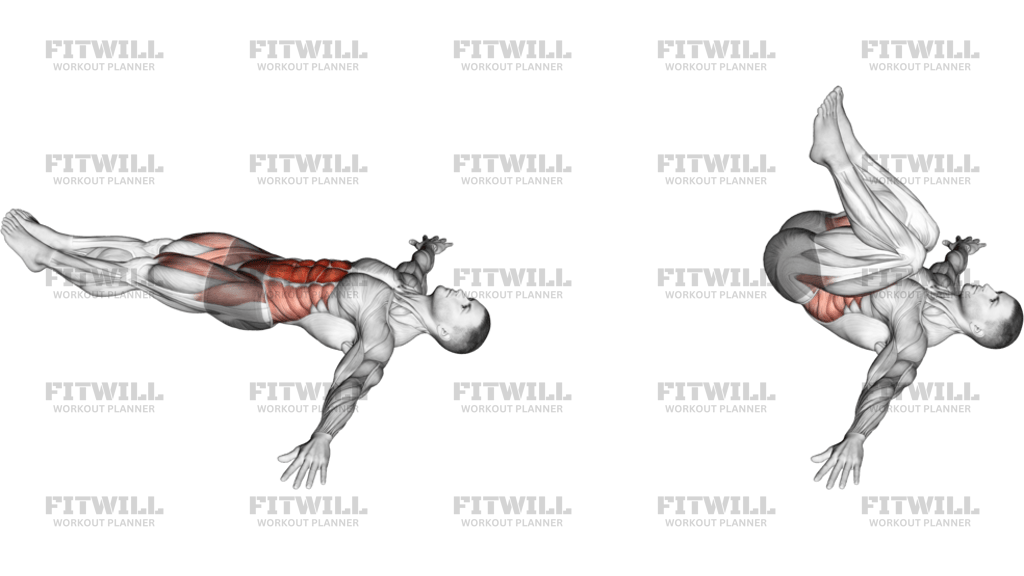
Lying Leg Hip Raise On Floor is a bodyweight floor exercise that trains the lower abs, hip control, and the ability to curl the pelvis without using momentum. You start flat on your back with your legs extended, then lift and tuck them so the hips roll up and the knees travel toward the chest before lowering back to the floor under control.
The movement is useful when you want a core drill that emphasizes posterior pelvic tilt and trunk control more than a traditional crunch. The primary target is the abs, with help from the obliques, hip flexors, and deep core muscles. In anatomy terms, the main work centers on the Rectus abdominis, with assistance from the External obliques, Iliopsoas, and Transversus abdominis.
The setup matters because the floor gives you very little room to hide sloppy reps. Lie flat with your shoulders relaxed, arms out for balance, and your lower back lightly pressed toward the floor before the first rep. Once you start, the goal is not to swing the legs higher; it is to curl the pelvis and keep the trunk organized while the legs move.
Each repetition should feel like a controlled tuck from the lower abdomen rather than a kick or a hip swing. The knees come in, the hips lift slightly off the floor, and then the legs return to the long starting position without crashing down. If you lose the pelvic curl and the motion turns into a leg throw, the set has drifted away from the target muscles.
This is a good accessory exercise for core sessions, warmups, conditioning circuits, or as a lower-body day finisher when you want abdominal work without equipment. Beginners can use a shorter range and slower tempo, while stronger lifters can make it harder by keeping the legs straighter on the way down or pausing briefly in the tucked position. Keep the motion smooth and repeatable so the abs stay in charge from the first rep to the last.
[ Workout Log & Planner ]
Put your next workout in Fitwill
Keep your plan and training log ready when you are.


Instructions
- Lie on your back on the floor with your legs straight, heels together, and your arms out to the sides for balance.
- Press your lower back gently toward the floor and keep your head and shoulders relaxed before you begin.
- Brace your abs, then start with the legs long and slightly off the floor or resting lightly on the floor if you need a smaller range.
- Exhale as you bend the knees and draw them toward your chest, letting the pelvis curl up instead of swinging the legs.
- Lift the hips only as much as you can while keeping the motion controlled and the lower back from arching hard off the floor.
- Pause briefly at the top when the knees are tucked and the abs are fully shortened.
- Inhale as you slowly extend the legs back out to the starting position, keeping tension through the midsection.
- Lower the heels close to the floor without relaxing completely, then repeat for the planned number of reps.
- Stop the set if you have to swing the legs or if your lower back starts to feel like it is taking over the movement.
Tips & Tricks
- Keep the tuck driven by the abs, not by a knee snap or a kick from the hips.
- If your lower back arches as the legs extend, shorten the range and lower the heels only partway.
- A small pause at the top makes the pelvic curl cleaner and keeps the set from turning into a fast leg swing.
- Try to keep the thighs quiet on the way down; the legs should lengthen under control instead of dropping.
- Let your arms stay wide and relaxed so they do not pull your shoulders off the floor.
- If the hip flexors dominate, slow the lowering phase and think about curling the tailbone up first.
- Straight legs make the exercise harder, so bend the knees a little if the low back cannot stay organized.
- Use a slow exhale during the tuck to help keep the ribs down and the torso from flaring.
Frequently Asked Questions
What muscles does Lying Leg Hip Raise On Floor work most?
It primarily targets the abs, especially the lower portion of the rectus abdominis, with help from the obliques and deep core muscles.
Can beginners perform this exercise?
Yes. Beginners should start with a small range of motion and bend the knees more if they cannot keep the lower back controlled on the floor.
How should my legs move during Lying Leg Hip Raise On Floor?
The legs should travel from a long position into a tucked position while the pelvis curls up slightly. Avoid swinging them up and down in one big arc.
What is the most common mistake with this exercise?
The biggest mistake is using momentum and letting the hips whip off the floor. The rep should look like a controlled curl, not a leg throw.
Should my lower back stay flat on the floor?
Your lower back should stay gently organized against the floor at the start and stay controlled as the legs move. If it arches hard, shorten the range.
Why are my hip flexors working so much?
The hip flexors help lift the legs, but they should not take over the rep. Slowing the lowering phase and focusing on the pelvic curl usually shifts more work back to the abs.
How can I make Lying Leg Hip Raise On Floor easier?
Bend the knees more, keep the heels closer to the floor, and reduce the amount of hip lift until you can control every rep.
How can I make this exercise harder without adding weight?
Keep the legs straighter, pause longer in the tucked position, or slow the lowering phase so the abs stay under tension longer.
Do I need to lift my shoulders or neck?
No. The shoulders should stay relaxed on the floor, and the neck should stay neutral while the torso does the work.