Hyght Dumbbell Fly
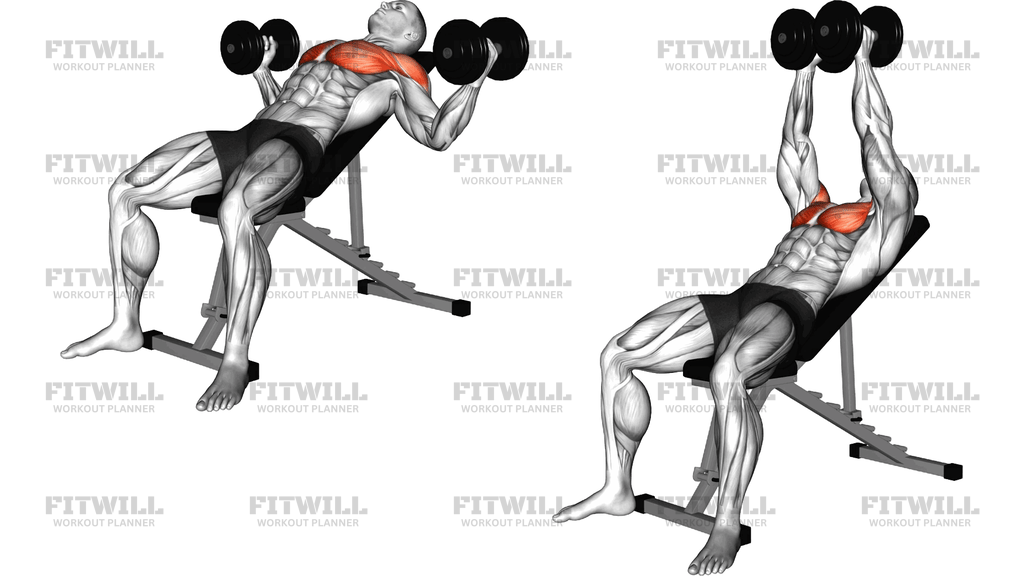
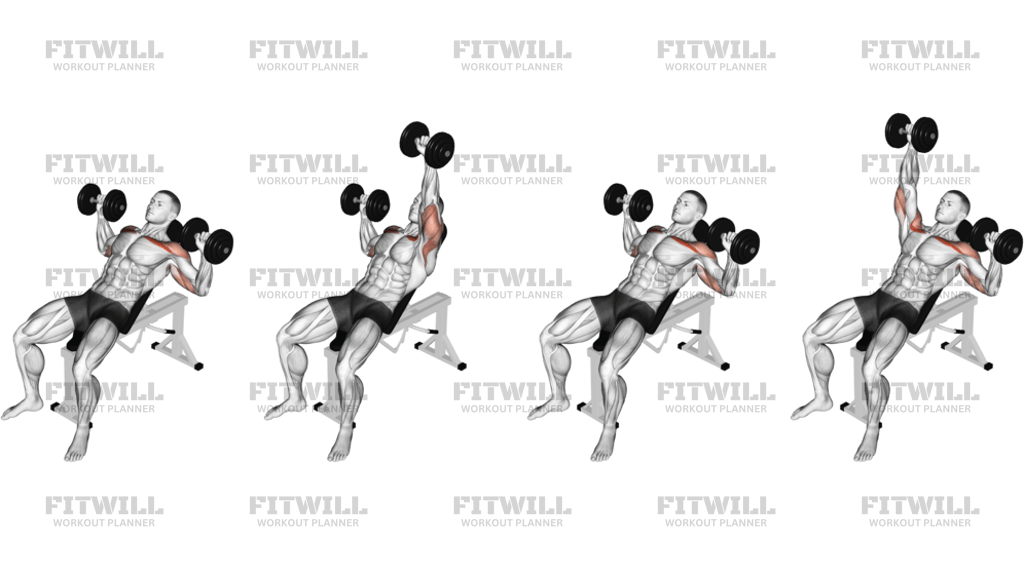
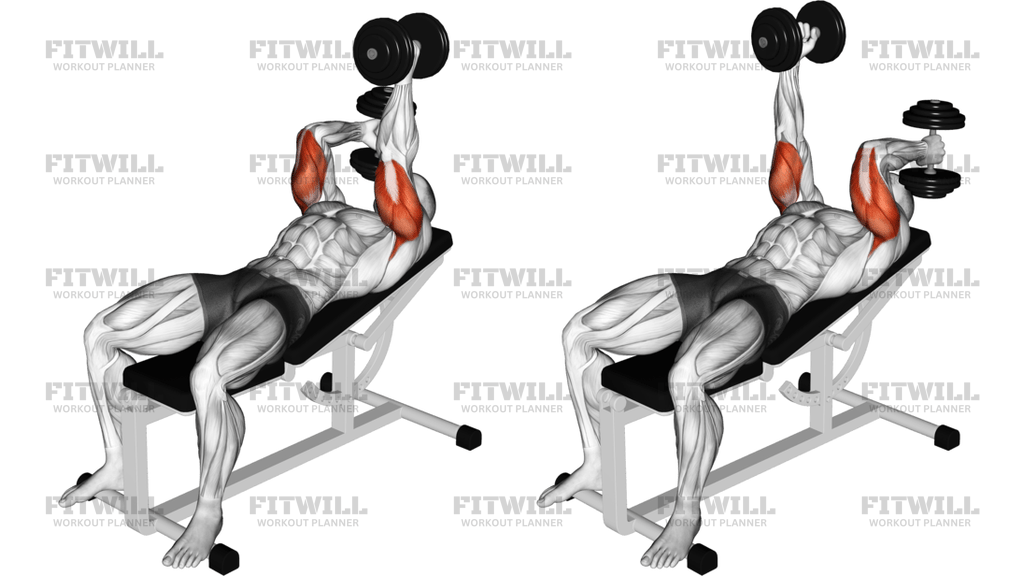
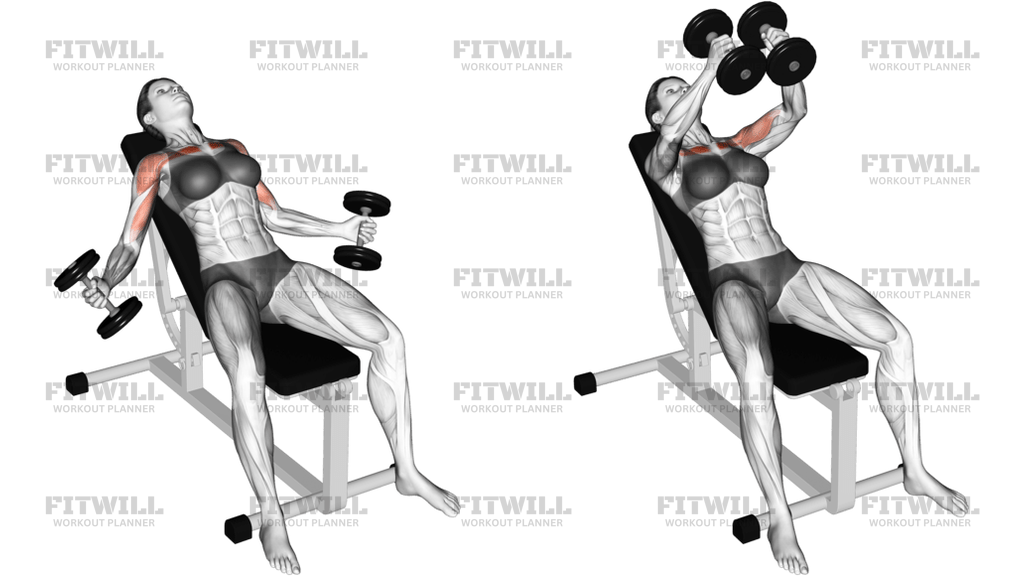
Hyght Dumbbell Fly is an incline dumbbell fly variation performed on a back-supported bench with the dumbbells moving in a wide arc over the chest. The setup shifts the body onto an inclined line, which changes the angle of tension and makes strict shoulder control more important than raw load. It is most useful when you want a chest-focused accessory movement that emphasizes stretch, squeeze, and smooth shoulder mechanics rather than pressing strength.
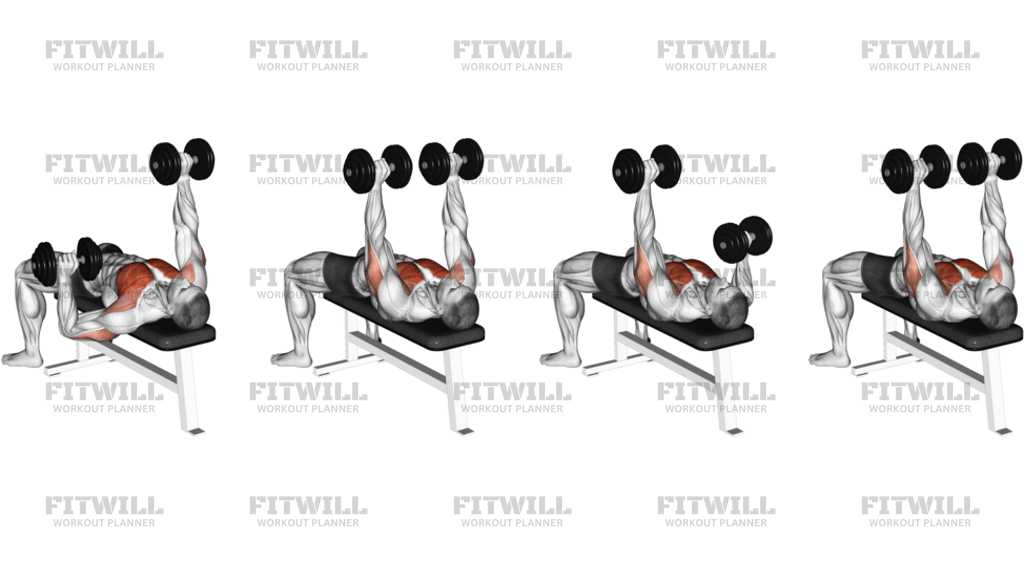
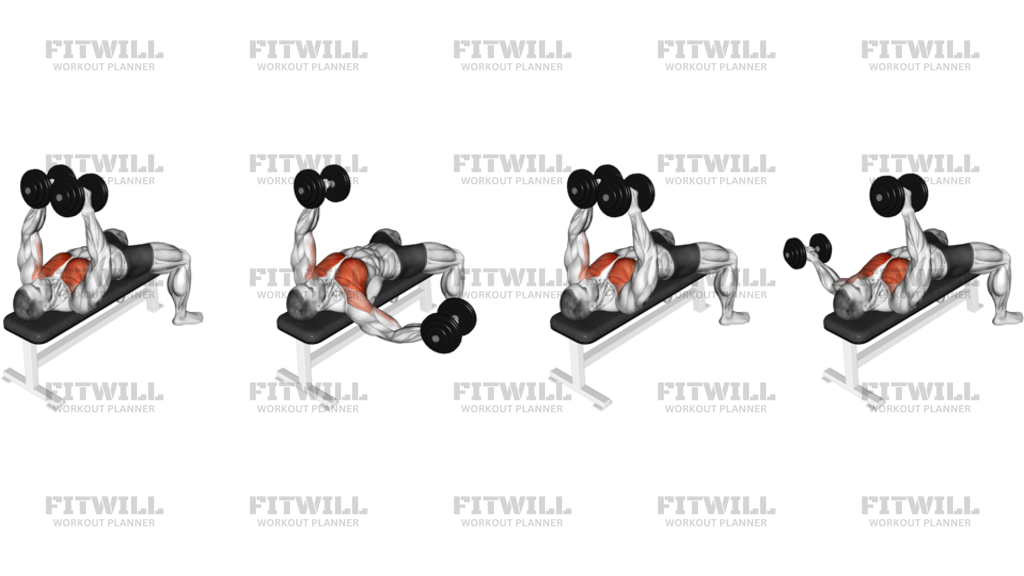
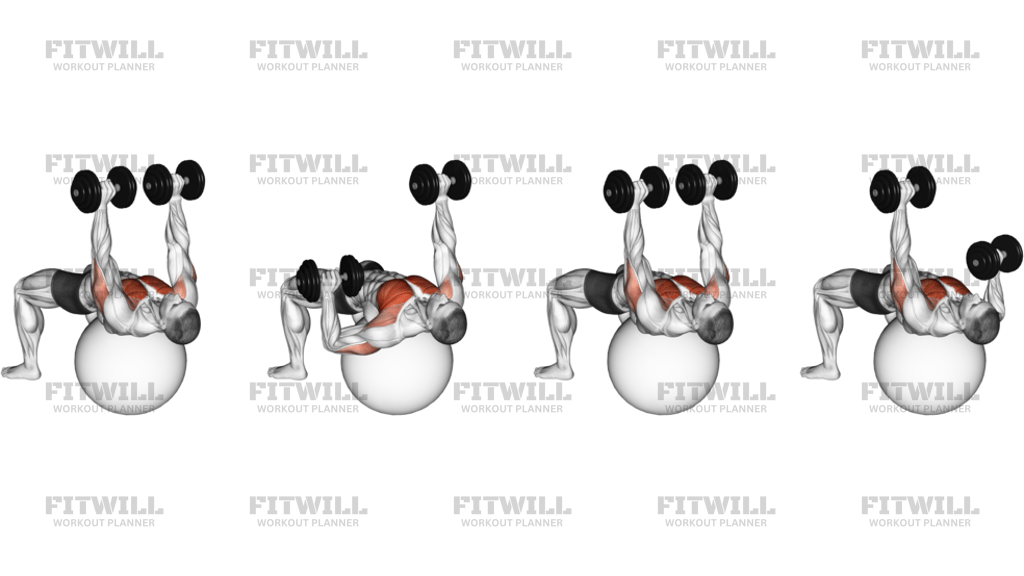
The exercise works best when the bench, shoulder position, and elbow angle are set before the first rep. Lie back with your upper back supported, feet planted, and the dumbbells held above the chest with a slight bend in the elbows. From there, the arms open out to the sides in a controlled arc until the chest is stretched without letting the shoulders roll forward or the elbows lock out.
On the way up, the dumbbells travel back together over the upper chest in the same wide arc, not in a straight press. That path keeps tension on the chest and front shoulders while reducing the chance of turning the movement into an incline press. The lift should feel smooth, symmetrical, and controlled, with the ribcage steady and the neck relaxed against the bench.
Hyght Dumbbell Fly is a smart choice for moderate loads, higher-quality reps, and accessory work after pressing or on days when you want targeted chest volume without heavy joint stress. It also works well for lifters who need better control through the bottom of the fly and more awareness of shoulder position. A smaller range of motion is usually better than forcing the dumbbells too deep and letting the shoulders drift forward.
Because the arms are moving in a long lever, fatigue shows up quickly in the shoulders and stabilizers if the load is too aggressive. Keep the movement smooth, pause briefly near the top if you want more chest contraction, and lower the weights only as far as you can keep the shoulder blades set against the bench. Done well, Hyght Dumbbell Fly gives you a clean stretch-and-squeeze pattern that is easy to feel and easy to load conservatively.
[ Workout Log & Planner ]
Put your next workout in Fitwill
Keep your plan and training log ready when you are.


Instructions
- Set an incline bench to a moderate angle and sit with a dumbbell in each hand resting on your thighs.
- Lie back on the bench, keep your upper back and head supported, and plant both feet firmly on the floor.
- Press the dumbbells above your upper chest with your palms facing each other and a soft bend in both elbows.
- Set your shoulder blades back and down against the bench without arching your lower back hard.
- Lower the dumbbells out to the sides in a wide arc until you feel a controlled stretch across the chest.
- Keep the elbows slightly bent and pointed in the same direction as the dumbbells as they open.
- Sweep the dumbbells back together over the upper chest, following the same arc instead of turning the rep into a press.
- Exhale as the dumbbells come back together and pause briefly without banging the weights together.
- Lower the next rep under control and finish by bringing the dumbbells back to the thighs before sitting up.
- Reset your shoulders and posture before standing up from the bench.
Tips & Tricks
- Use a moderate bench angle; if it gets too steep, the movement turns into more front-shoulder work and less chest tension.
- Keep a soft elbow bend through every rep so the arms stay in a fly path instead of locking into a press.
- Stop the descent before your shoulders roll forward or the front of the shoulder starts to pinch.
- Think about hugging a big barrel back over your chest instead of lifting the dumbbells straight up.
- Choose dumbbells that let you control the bottom position; this exercise gets sloppy fast when the load is too heavy.
- Keep your wrists stacked over the dumbbell handles so the weights do not drift toward the fingers at the bottom.
- Do not bounce the dumbbells off the top of the rep; the squeeze should be deliberate, not snappy.
- If the bench feels unstable, keep both feet wider and drive them into the floor to steady your torso.
- A shorter range is often better than forcing a deep stretch that pulls the shoulders out of position.
Frequently Asked Questions
What muscles does Hyght Dumbbell Fly work most?
It mainly trains the chest, with the front shoulders helping through the top half of the arc.
Why is the bench incline important in Hyght Dumbbell Fly?
The incline changes the line of pull and makes the fly feel more upper-chest and front-shoulder biased than a flat-bench version.
How deep should I lower the dumbbells?
Lower only until you feel a strong chest stretch and can keep your shoulders pinned back on the bench; deeper is not better if the front of the shoulder starts to roll forward.
Should Hyght Dumbbell Fly feel like a press?
No. The dumbbells should travel in a wide arc with a fixed elbow angle, not bend and straighten like an incline press.
Can beginners do Hyght Dumbbell Fly safely?
Yes, if they use light dumbbells, a modest incline, and a smaller range of motion until they can control the bottom position.
What is the biggest form mistake on this exercise?
Most people go too deep or use too much weight, which pulls the shoulders forward and turns the fly into a shaky chest stretch.
Where should my elbows point during Hyght Dumbbell Fly?
Keep them slightly bent and angled in line with the dumbbells so the movement stays smooth and even on both sides.
How does Hyght Dumbbell Fly differ from a flat dumbbell fly?
The incline bench shifts more emphasis toward the upper chest and front shoulders, while the flat version usually feels lower and more centered across the chest.