Roll Ball Scapula Levator
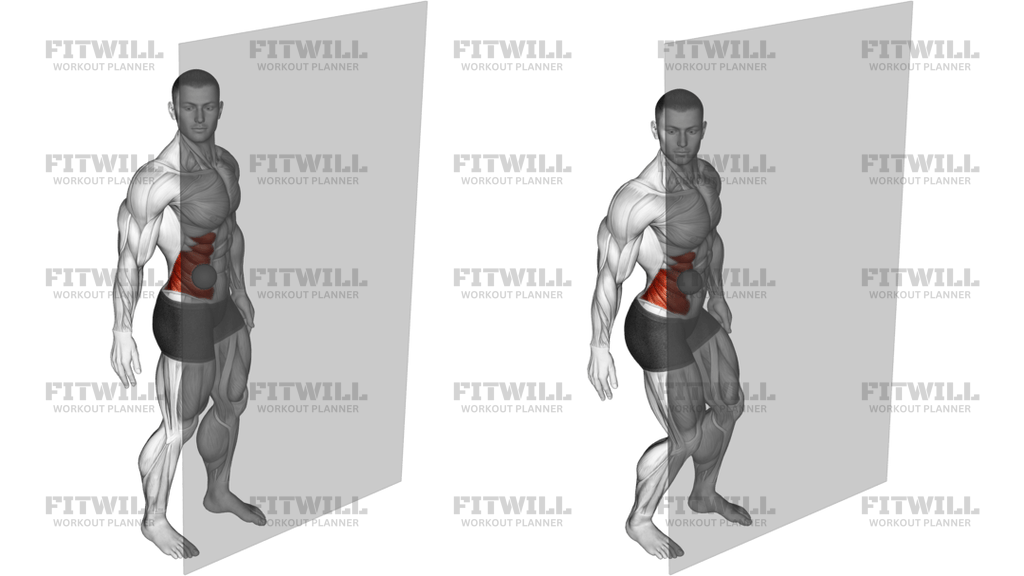
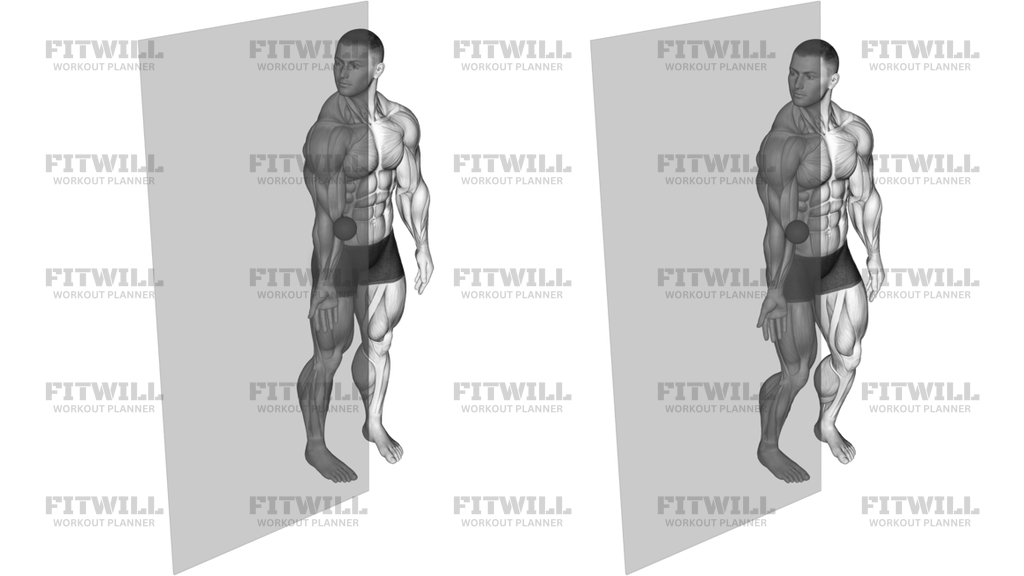
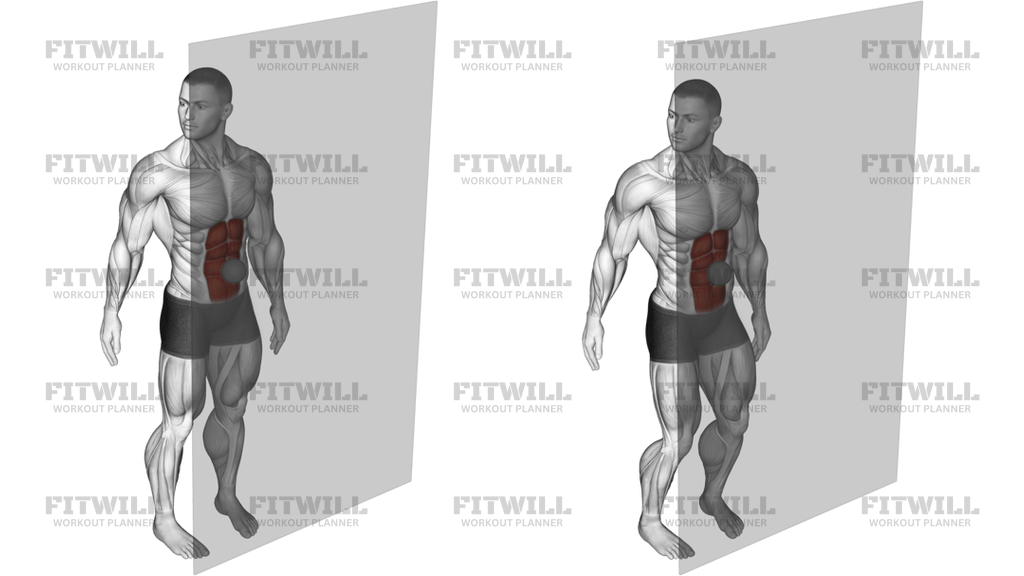
Roll Ball Scapula Levator is a wall-supported self-release for the top of the shoulder and the tissue that runs from the upper shoulder blade into the neck. In the image, the roll ball is set high on the fleshy part of the shoulder while the body leans into the wall to create pressure without lying on the floor or using a partner. The exercise is mainly a mobility and soft-tissue drill, not a heavy strength movement, and the quality of each rep depends on finding the right pressure rather than chasing a bigger range.
The setup matters because the ball needs to stay on the upper trapezius and levator scapulae area, not on the cervical spine, the throat, or the bony edge of the shoulder. A small change in stance or lean angle can change the pressure a lot, so the first job is to stack the ribs over the pelvis, soften the knees, and pin the ball to the wall with just enough bodyweight to feel useful. If you lean too hard, the shoulder will hike and the neck will brace, which turns a release into a fight.
Once the pressure is set, make tiny rolls up, down, and slightly forward or back until you find the tender line near the top of the shoulder blade. A subtle chin tuck or a slight turn of the head away from the ball can bias the levator scapulae and upper trap differently, but the movement should stay small and calm. The goal is to let the tissue soften while you keep breathing, not to crank the neck into a forced stretch.
This drill is most useful when the upper neck feels crowded after desk work, overhead pressing, rowing, carries, or any session that leaves the shoulders living too close to the ears. It fits well in a warm-up, between upper-body sets, or in a cooldown when you want the neck and shoulder blade to move more freely again. Stay on the ball for a few slow breaths, step off with control, and repeat on the other side so both shoulders get the same amount of attention.
[ Workout Log & Planner ]
Put your next workout in Fitwill
Keep your plan and training log ready when you are.


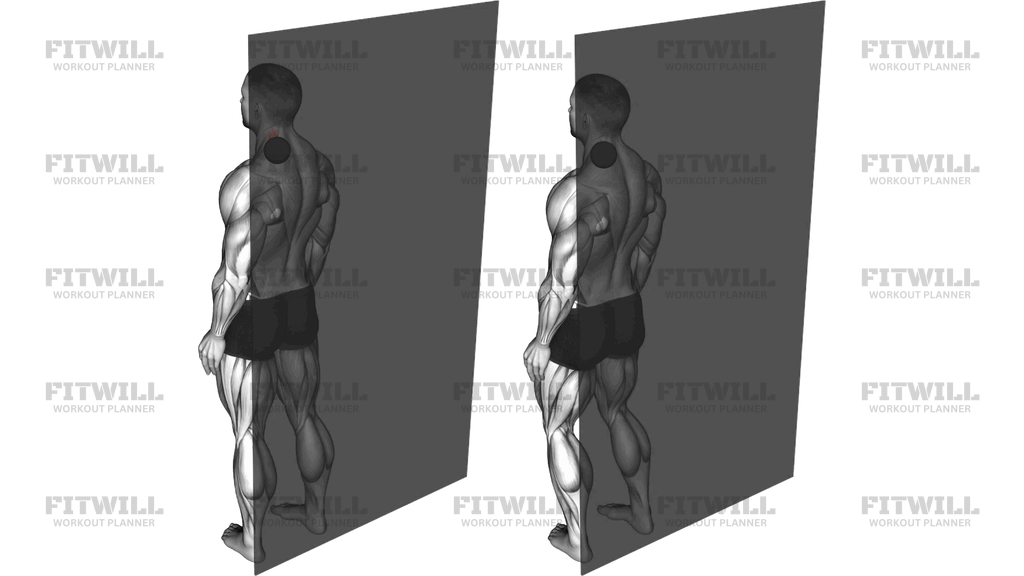
Instructions
- Stand side-on to a wall and place the roll ball high on the fleshy top of the shoulder, just below the neck.
- Rest the same-side shoulder into the ball and take a small step out so the ball is pinned between your shoulder and the wall.
- Keep the ribs stacked over the pelvis and let the opposite arm hang relaxed by your side.
- Bend the knees slightly and lean in only enough to create firm, tolerable pressure on the tight spot.
- Make slow, small rolls up, down, and slightly forward or back until you find the tender line in the upper trap or levator scapulae.
- Pause on the sore spot and exhale slowly, then add a tiny chin tuck or turn the head a few degrees away if that feels better.
- Keep the shoulder from creeping toward your ear while you breathe through the pressure for several seconds.
- Step off the ball, reset your posture, and repeat on the other side for the planned time or reps.
Tips & Tricks
- Keep the ball on soft tissue at the top of the shoulder, not on the cervical spine or the bony edge of the clavicle.
- The right pressure should feel intense but local; if you hold your breath or tense the jaw, the wall angle is too aggressive.
- A slight chin tuck often helps the levator scapulae relax; cranking the head back usually makes the spot feel tighter.
- Let the working-side arm hang long if you want more upper-trap and levator scapulae pressure.
- If the pressure is too sharp, step a little farther from the wall so your bodyweight is lighter.
- Move slowly enough to notice when the tender point changes; fast rolling usually just irritates the area.
- Keep the shoulder blade from shrugging up toward the ear while you search for the spot.
- Stop immediately if you feel tingling, numbness, or pain that shoots into the arm or head.
Frequently Asked Questions
What does Roll Ball Scapula Levator target most?
It mainly targets the upper trapezius and levator scapulae area at the top of the shoulder and side of the neck.
Where should the roll ball sit during this exercise?
Place it on the fleshy top of the shoulder, just below the neck, rather than on the spine or the throat.
Should I roll quickly or hold still on the wall?
Start with tiny rolls, then pause on the tender spot and breathe; the pause usually does more than fast movement.
Can I turn my head while the ball is on my shoulder?
Yes, a small chin tuck or a slight turn away can change the feel, but keep the neck movement subtle.
Is Roll Ball Scapula Levator a strength exercise?
No, it is mainly a release and mobility drill meant to reduce stiffness and improve comfort around the neck and shoulder.
What if the pressure feels too intense?
Step a little farther from the wall and reduce the load until the pressure feels tolerable and local.
Can beginners do this safely?
Yes, as long as the pressure stays manageable and you avoid the spine, throat, and any numb or tingling sensations.
When is this exercise most useful?
It works well before upper-body training, after desk work, or at the end of a session when the neck and shoulders feel dense.