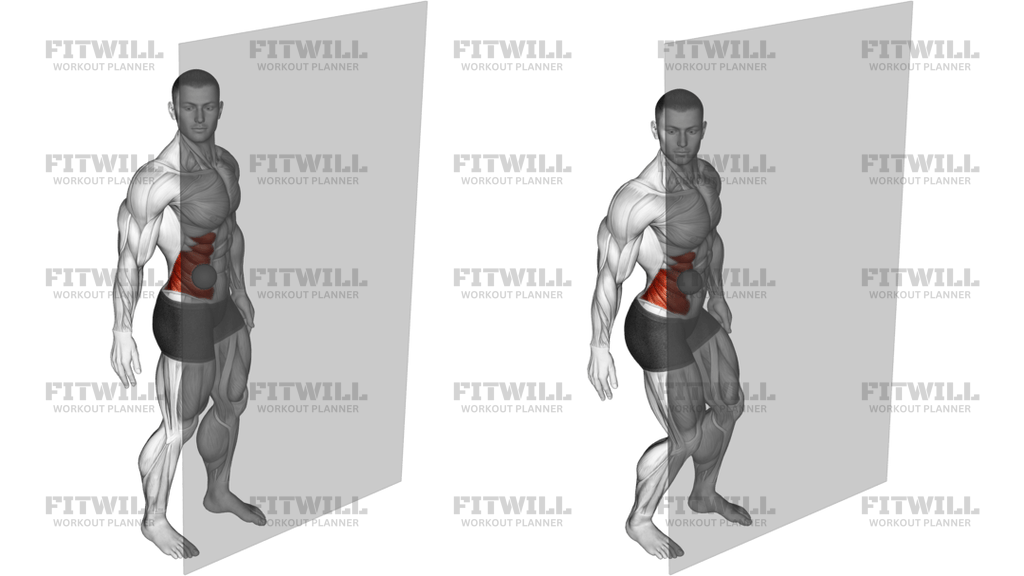
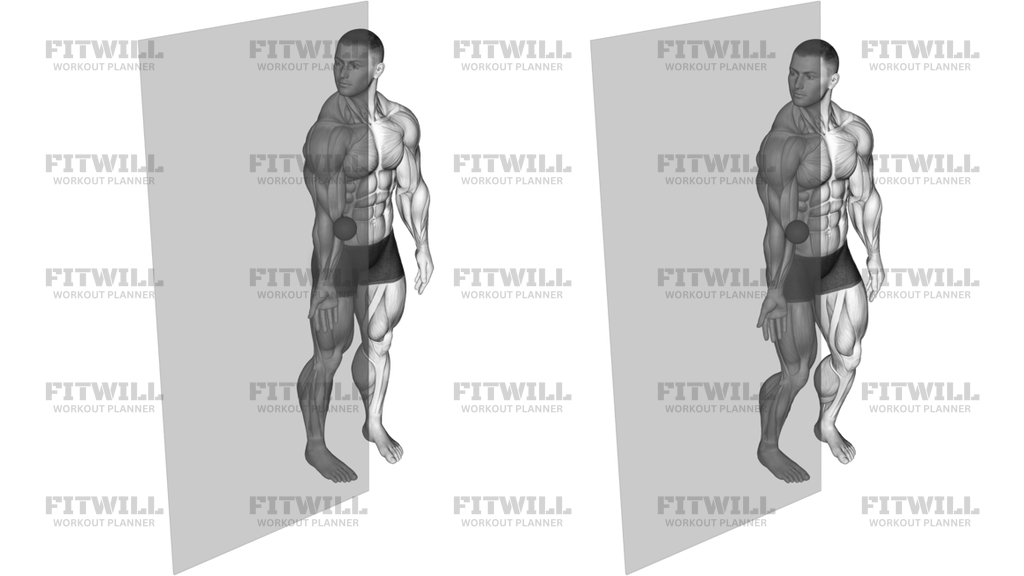
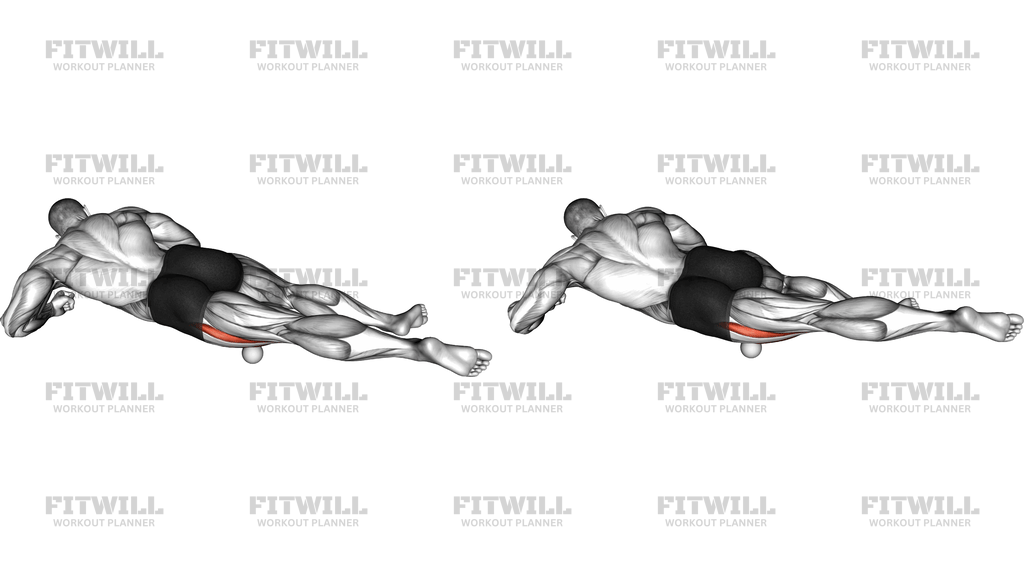
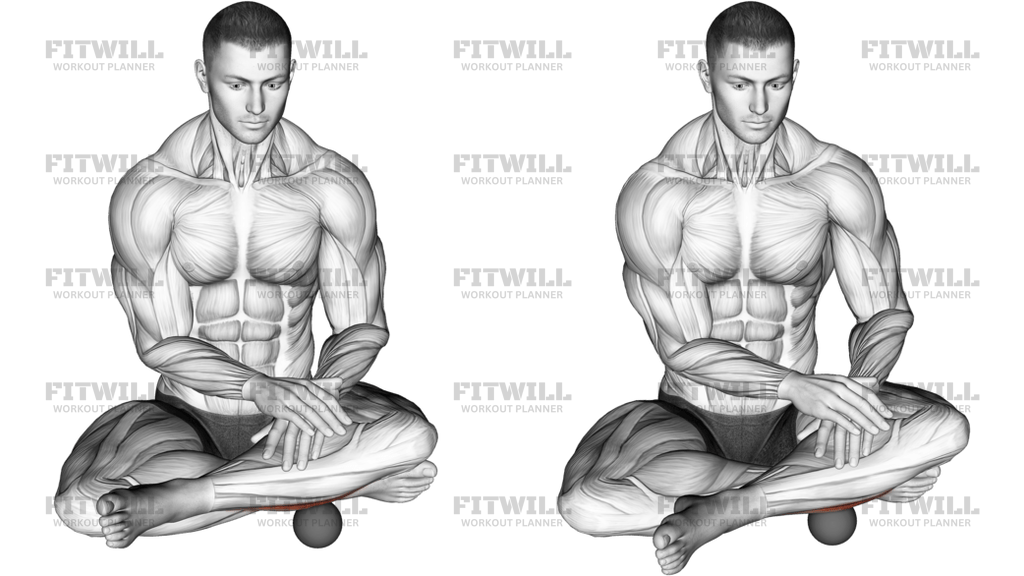
Roll Ball Tensor Fasciae Latae
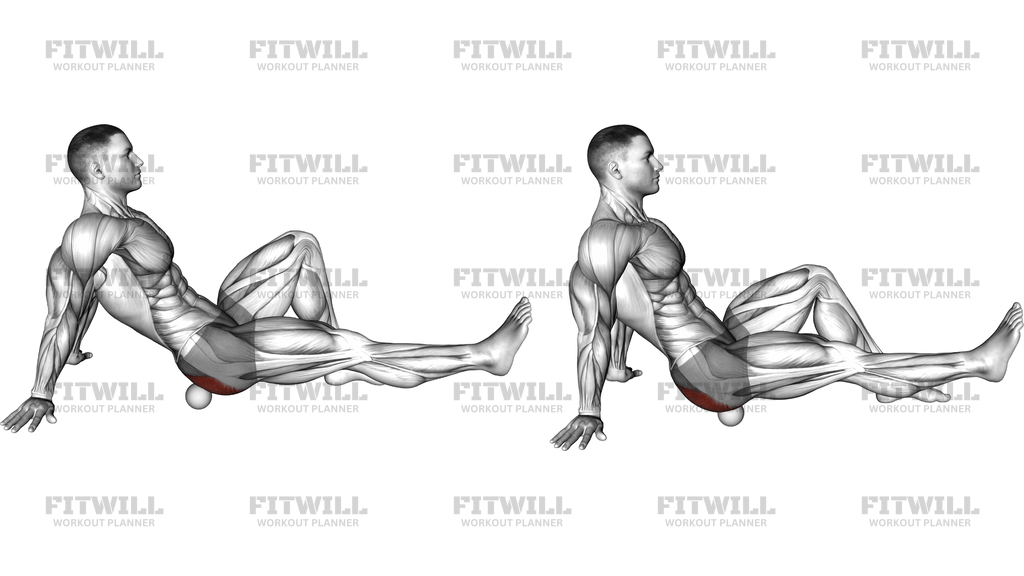
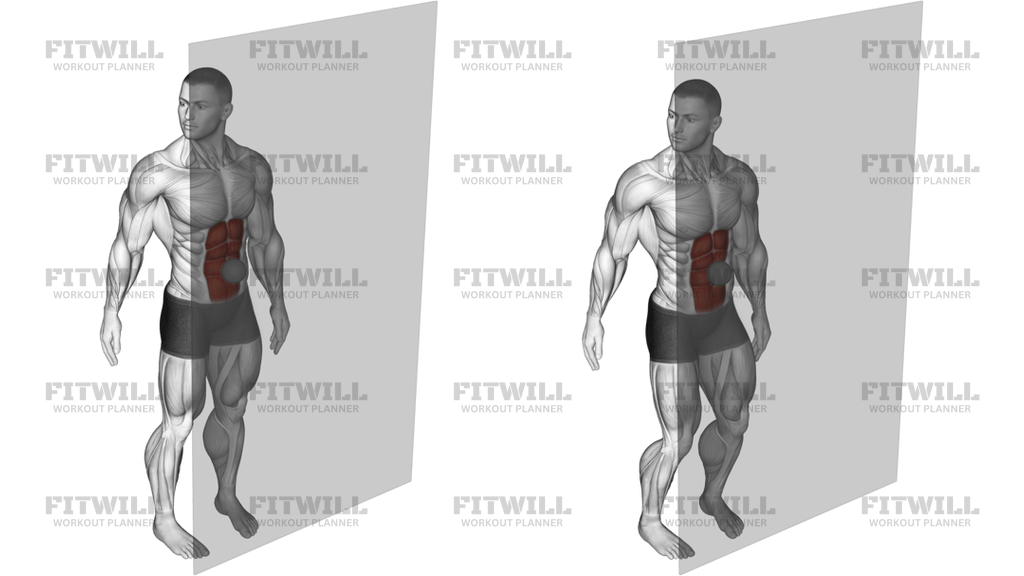
Roll Ball Tensor Fasciae Latae is a self-release drill for the front edge of the outer hip, using a small rollball to ease tension through the tensor fasciae latae and the nearby soft tissue around it. It is commonly used when the outside of the hip feels tight after running, squats, lunges, long sitting, or a lot of side-to-side work. The goal is not to grind aggressively into the area, but to find a spot that feels dense or tender and then let it soften with slow pressure and steady breathing. Done well, the drill should feel focused and specific, with enough pressure to be useful but not so much that you tense up and fight the ball.
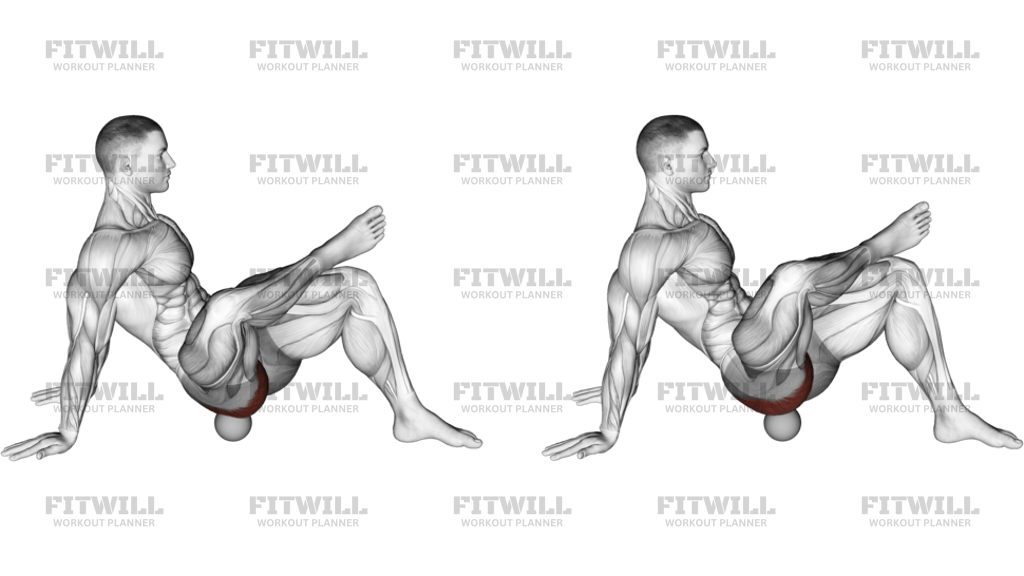
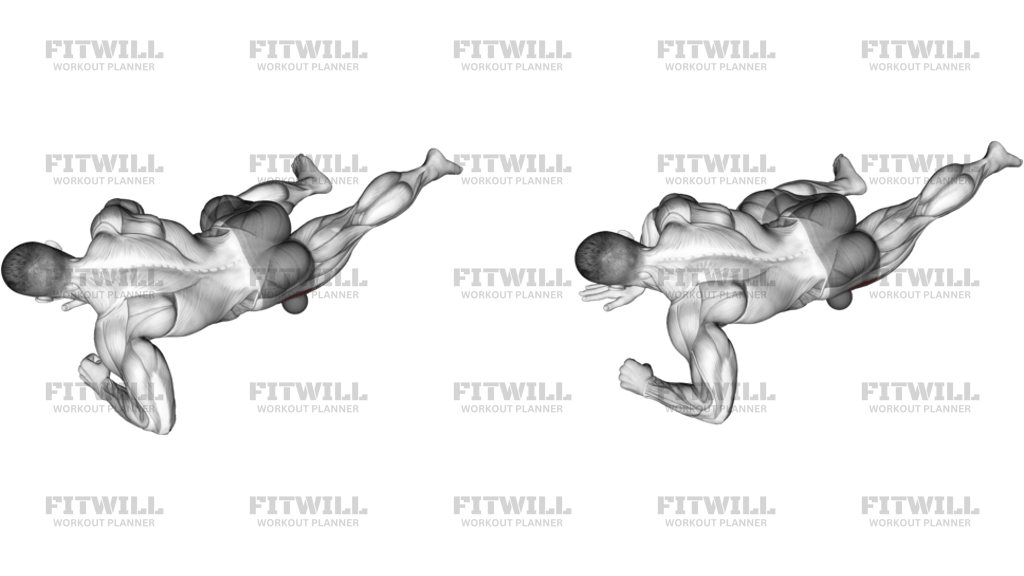
The setup matters because the tensor fasciae latae sits close to the front rim of the pelvis and is easy to overshoot if the ball is too high, too far back, or pressed directly into bone. Place the ball just below the front edge of the pelvic crest and slightly toward the outside of the hip, then support yourself with your forearms and the opposite leg so you can control how much bodyweight settles onto the ball. If the pressure feels sharp or bony, shift a little forward, back, or lower before you start rolling. A small change in angle usually makes a bigger difference than trying to push harder.
Once the pressure feels targeted, make short rolls of just a few inches instead of sweeping across the whole thigh. Pause on the most tender spots, relax the hip, and breathe slowly until the pressure eases, then move again. You can slightly turn the leg inward or outward to change where the contact lands, but keep the motion small and deliberate so the ball stays on the front outer hip rather than drifting into a random massage pattern. The best reps are the ones where the area softens and the pressure becomes easier to tolerate, not the ones where you chase a larger range.
Roll Ball Tensor Fasciae Latae works best as a warm-up or recovery drill before hip hinges, squats, runs, jumps, or lateral training. It can also help after a session if the front outer hip feels overworked, but it should never create numbness, tingling, or bruised pain. Use less bodyweight, shorten the range, or stop the set if the spot feels irritated instead of trying to force more pressure into it. If the hip feels calmer and moves more easily afterward, you have probably found the right amount of work.
[ Workout Log & Planner ]
Put your next workout in Fitwill
Keep your plan and training log ready when you are.


Instructions
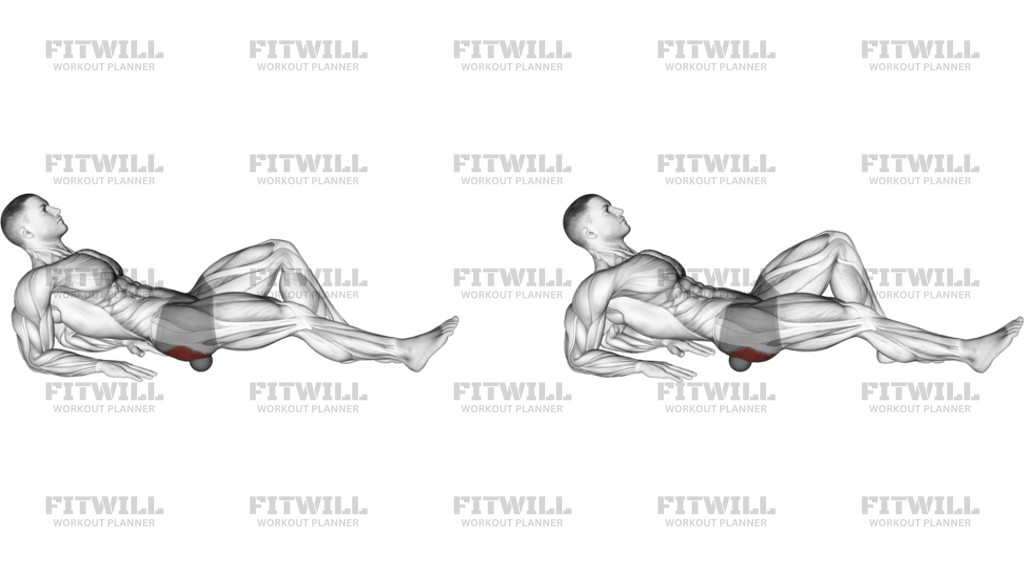
- Lie on your side or half-prone with the rollball under the front outer edge of one hip, just below the pelvic crest.
- Support your chest on your forearms and use the opposite leg and foot to control how much bodyweight settles onto the ball.
- Keep the working hip relaxed so the ball presses into soft tissue rather than the pelvic bone.
- Roll forward and back only 1-2 inches until you find a tender or tight spot on the tensor fasciae latae.
- Pause on that spot and take slow breaths until the pressure starts to ease.
- Turn the working leg slightly inward or outward if you need to shift the contact across the front outer hip.
- Keep the movement small so the ball stays on the hip muscle instead of drifting down the thigh.
- Ease off the ball, bring the knee or leg back under you, and reset before switching sides.
Tips & Tricks
- Keep the ball just below the pelvic crest; if it feels bony, you are too high on the hip.
- Unload more bodyweight through your forearms and opposite leg when the spot feels sharp.
- Small rolls usually work better than long sweeps across the whole outer thigh.
- A slight toe-in usually increases front-hip contact; a slight toe-out shifts pressure outward.
- Breathe out on the tender spot and let the side of the hip soften instead of bracing hard.
- If the ball starts sliding down the thigh, move it back up toward the front outer hip.
- Do not chase numbness or tingling; reposition immediately if the pressure feels nerve-like.
- Use this drill when the hip is warm, not when you are trying to brute-force a cold, irritated spot.
Frequently Asked Questions
What does Roll Ball Tensor Fasciae Latae target most?
It targets the tensor fasciae latae and the front outer hip tissue around it, with the glutes and core helping you stay balanced on the ball.
Where should the Roll Ball Tensor Fasciae Latae ball sit?
Place it just below the front rim of the pelvis on the outer hip, not directly on bone and not far down the thigh.
Is Roll Ball Tensor Fasciae Latae a stretch or a massage?
It is closer to self-massage or soft-tissue release. You are looking for slow pressure and relaxation, not a big active stretch.
Can beginners do Roll Ball Tensor Fasciae Latae?
Yes. Beginners usually do best with less bodyweight on the ball, shorter rolls, and brief pauses instead of deep pressure.
Should Roll Ball Tensor Fasciae Latae hurt?
It should feel tender and specific, but not sharp, numb, or electric. If it does, move the ball or reduce pressure.
How long should I stay on one tender spot?
Usually one to three slow breaths or about 10 to 20 seconds is enough before you shift a little and reassess.
Should I roll the whole outside of my thigh?
No. Keep the work near the front outer hip, because long sweeps down the thigh usually miss the tensor fasciae latae target.
When is the best time to use Roll Ball Tensor Fasciae Latae?
It works well before running, squatting, lunging, or lateral training, and it can also be useful after training if the hip feels overworked.