Ski Step
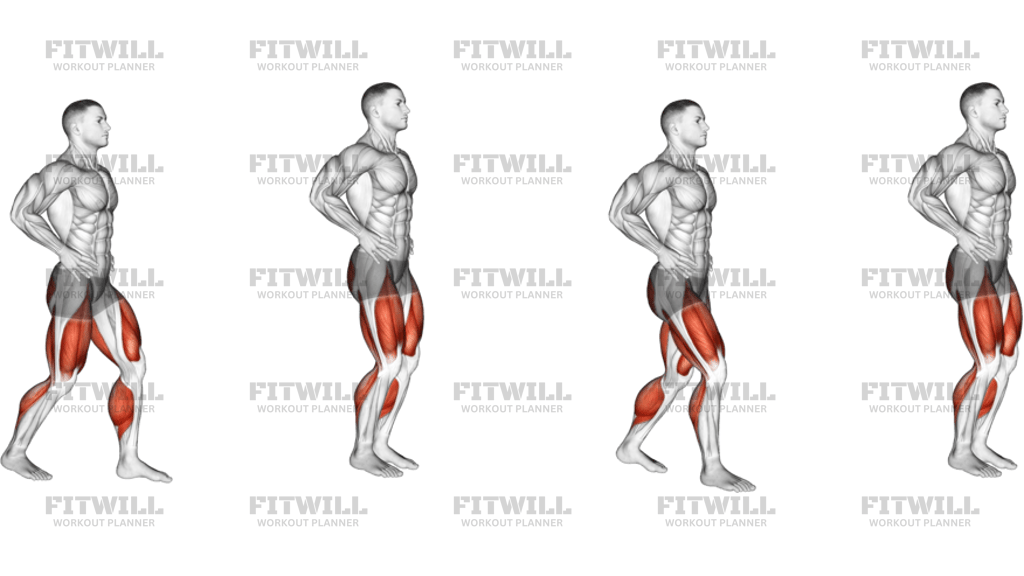
Ski Step is a bodyweight cardio drill built around rhythmic alternating steps and steady posture. The exercise raises heart rate while teaching you to transfer weight cleanly from one leg to the other without letting the torso collapse or the feet slap the floor. It is useful when you want a simple conditioning movement that still rewards coordination, balance, and leg endurance.
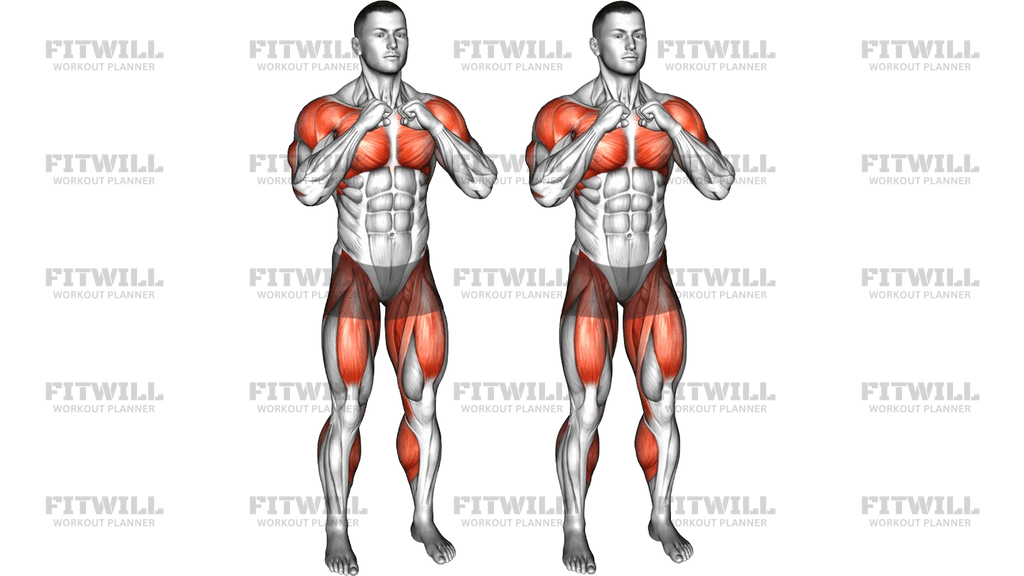
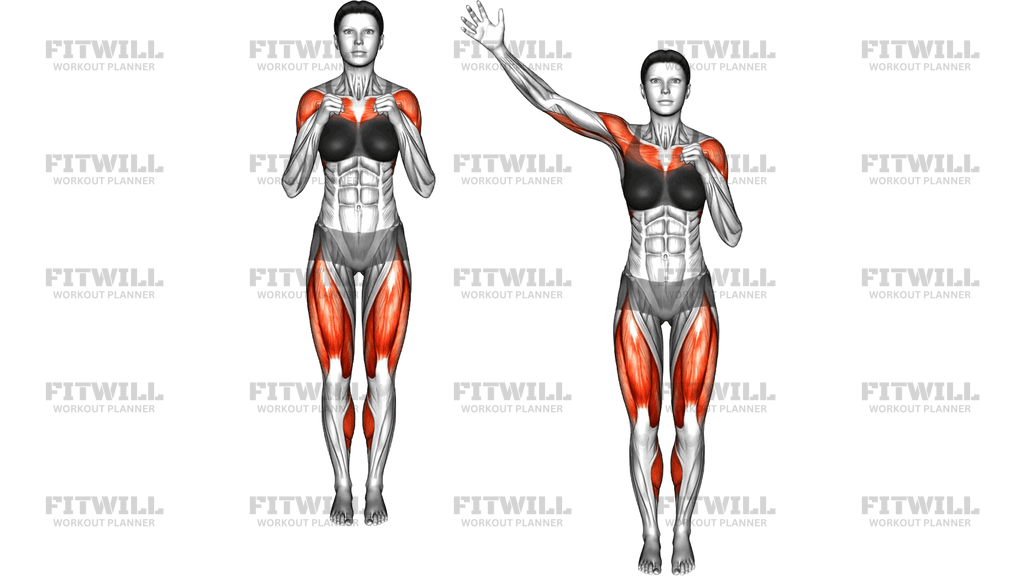
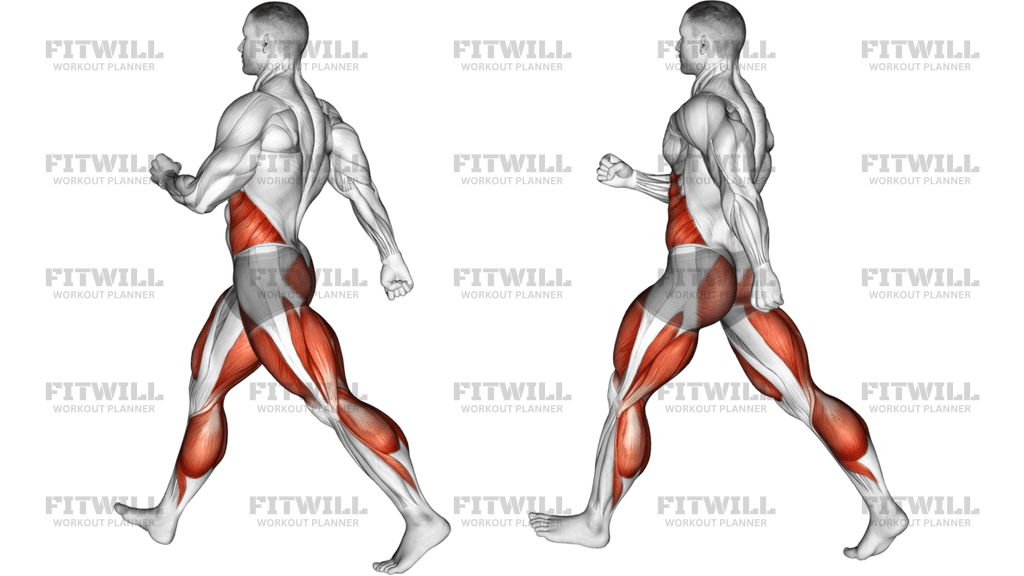
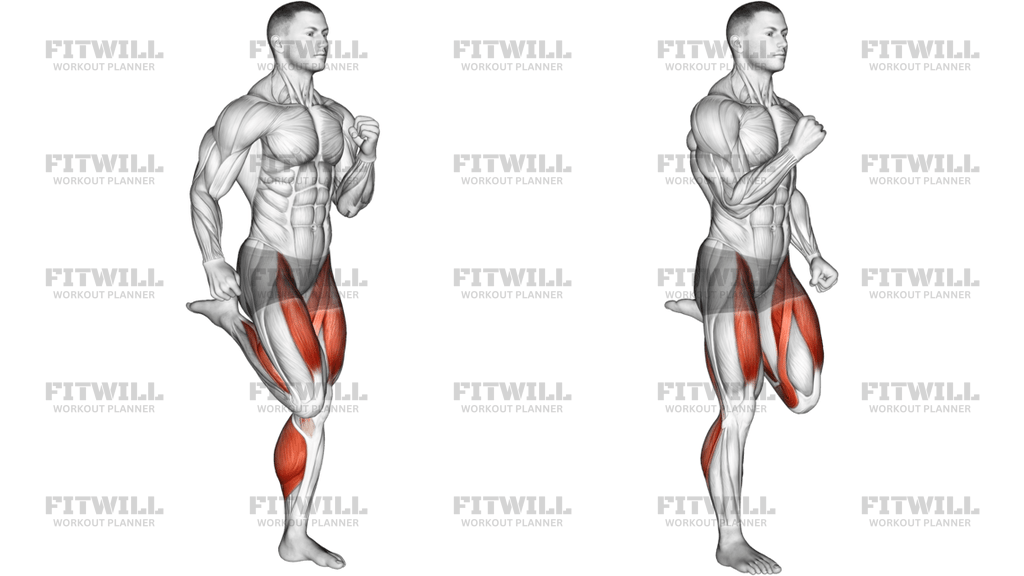
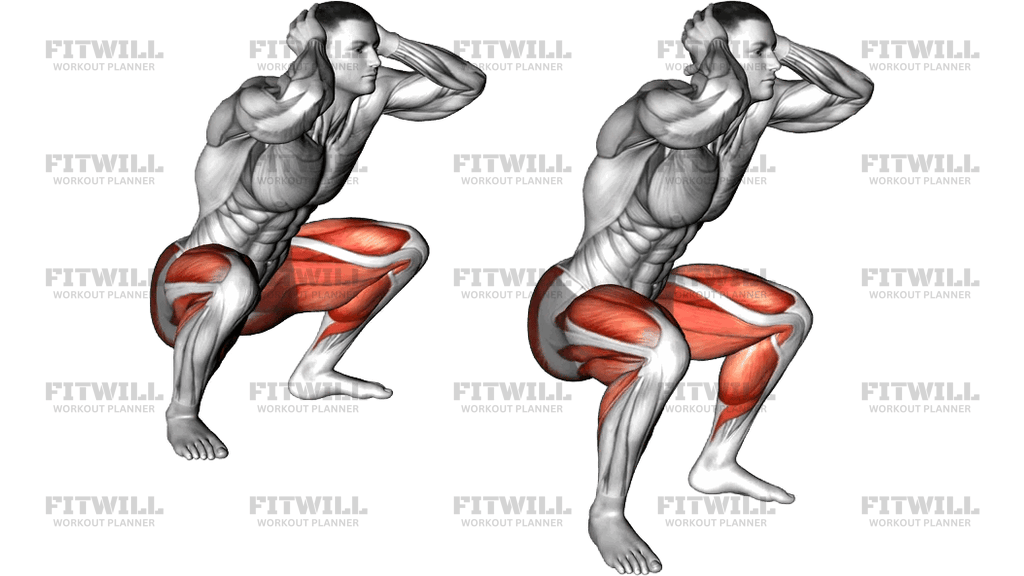
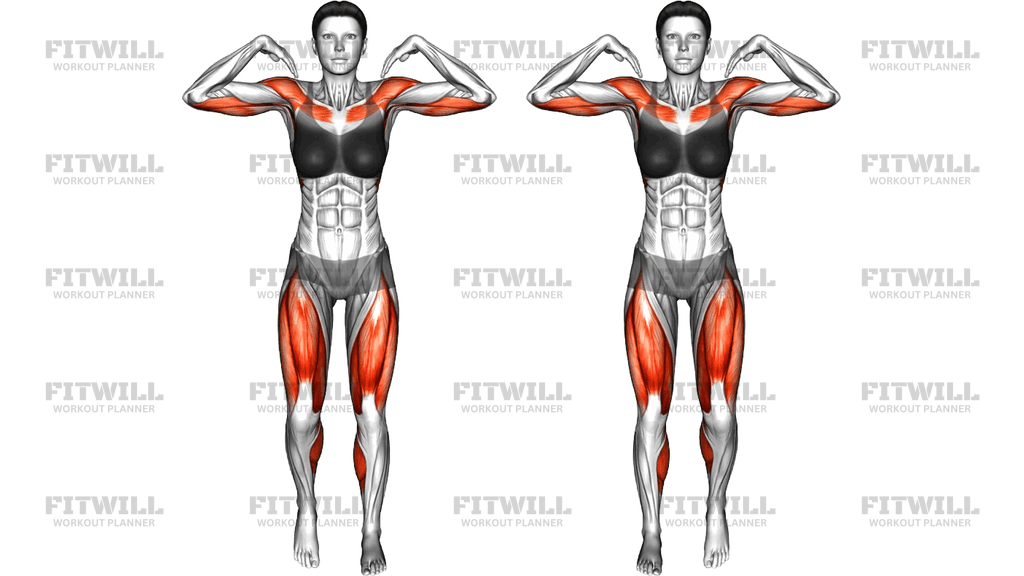
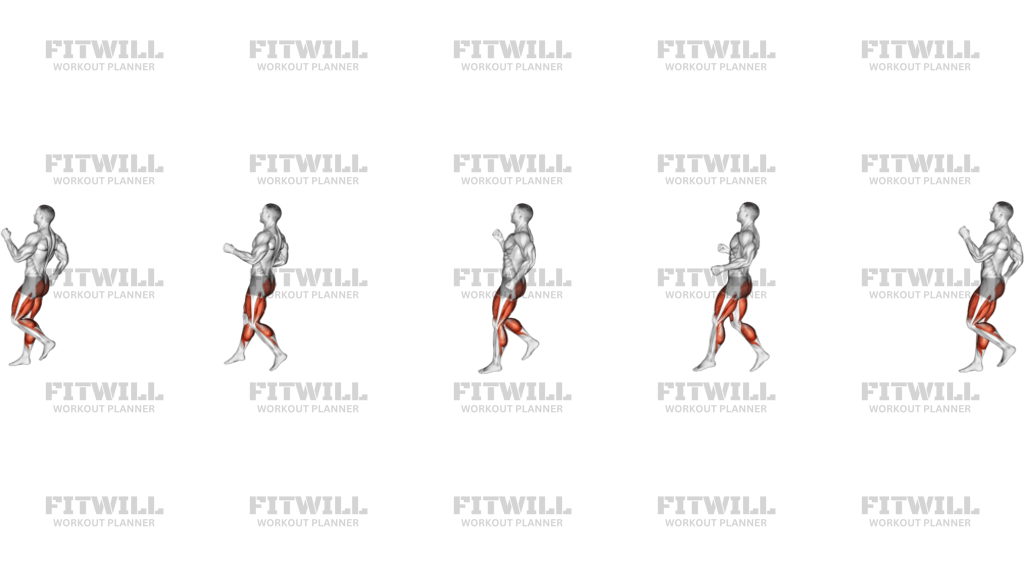
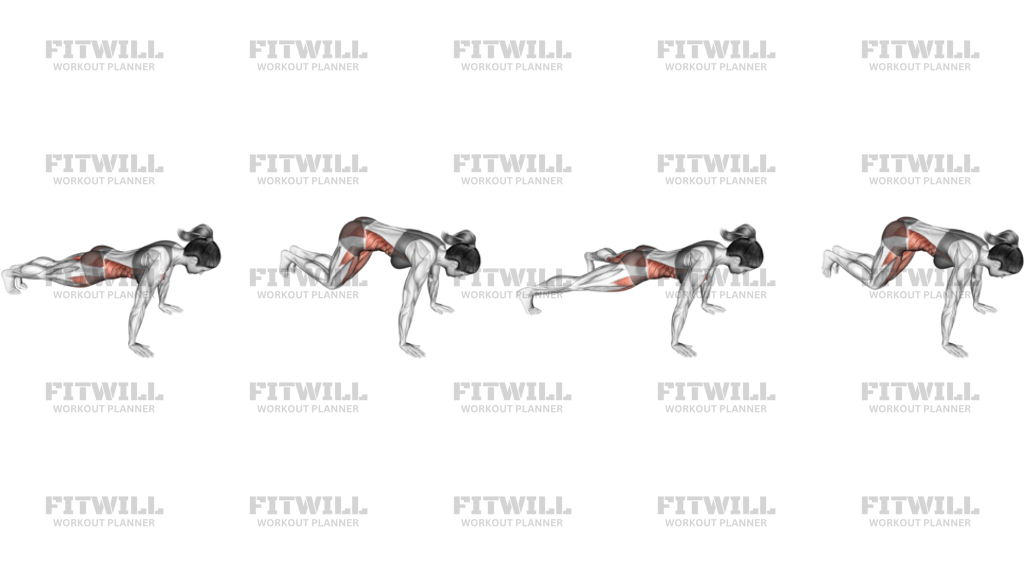
The image shows an upright stance with the hands set on the hips and the legs moving through a small staggered step pattern. That makes the setup more important than it first appears: if your chest tips forward or your pelvis twists, the steps turn into a rushed shuffle instead of a controlled cardio drill. Ski Step works best when the hips stay tall, the stride stays compact, and each foot placement lands under control.
Even though the exercise is light on equipment, it still trains more than just the lungs. The thighs, glutes, calves, and deep stabilizers all contribute to keeping the body organized while the feet alternate positions. The constant switching also challenges ankle control and single-leg balance, which is why Ski Step often feels more demanding than a casual march once you keep the tempo honest.
Use Ski Step as a warm-up, a low-impact conditioning interval, or a recovery-focused cardio option when you want movement without heavy loading. It can fit between strength sets, inside a circuit, or as part of a general fitness session. Beginners can usually learn it quickly because the motion is simple, but the quality of the repetition still depends on posture, rhythm, and a controlled return to center.
Safety comes from staying smooth rather than chasing speed. Keep the neck relaxed, land softly through the whole foot, and stop the set if the steps become noisy or the knees cave inward. If you need more challenge, increase pace only after the stance stays tidy; if you need less, shorten the step and keep the bounce minimal.
Fitwill
Log Workouts, Track Progress & Build Strength.
Achieve more with Fitwill: explore over 9600 exercises with images and videos, access built-in and custom workouts, perfect for both gym and home sessions, and see real results.
Start your journey. Download today!




Instructions
- Stand tall with your feet about hip-width apart and your hands on your hips or relaxed by your sides.
- Keep your chest lifted, ribs stacked over your pelvis, and your gaze forward before you start stepping.
- Shift your weight onto one leg and lightly step the opposite foot forward into a short staggered stance.
- Let the front knee bend slightly while the back heel stays light, then keep your torso upright instead of folding forward.
- Push the floor away through the front foot and return to center with a controlled transfer of weight.
- Switch sides on the next step so the opposite leg takes the lead and the pattern stays alternating.
- Land each step softly and keep the steps small enough that your hips do not sway side to side.
- Breathe steadily through the rhythm, exhaling on the effort of each switch and inhaling as you reset.
- Continue for the planned time or reps, then slow the steps down before stopping.
Tips & Tricks
- Keep the step short enough that your front knee stays stacked over the middle toes instead of collapsing inward.
- Think of the drill as a clean weight shift, not a jumping move; the feet should travel smoothly rather than slap the floor.
- Stay tall through the sternum so the work stays in the legs and not in a bent-over lower back position.
- If the movement feels rushed, lower the tempo before you try to increase range or speed.
- Use the hands-on-hips position to keep the shoulders quiet and make it easier to notice torso sway.
- Land through the whole foot instead of reaching only with the toes, especially if your calves start to tighten.
- Keep the knees softly bent throughout the set so the steps stay springy without turning into a locked-out march.
- Stop the set when your foot placement gets noisy or uneven, because that is usually the first sign that coordination is breaking down.
Frequently Asked Questions
What muscles does Ski Step work?
Ski Step mainly works the thighs, glutes, calves, and trunk stabilizers while the heart and lungs do most of the conditioning work.
Is Ski Step good for beginners?
Yes. The movement is simple to learn if you keep the steps short, stay upright, and avoid trying to move too fast too soon.
Should my knees bend a lot during Ski Step?
No, the knee bend should stay shallow and controlled. The goal is a smooth alternating step, not a deep squat or lunge.
Why do my hips sway so much during Ski Step?
The step is probably too long or too fast. Shorten the stride and keep your ribs stacked over your pelvis so the weight shift stays centered.
Can I use Ski Step as a warm-up?
Yes. It works well before lower-body training, conditioning circuits, or any session where you want to raise temperature without heavy impact.
What is the best pace for Ski Step?
Use a pace that lets each foot land quietly and in control. If the steps get choppy, the tempo is too high.
What should my upper body do during Ski Step?
Keep the torso tall and quiet. The image shows a hands-on-hips stance, so the upper body should help you stay organized rather than add extra swing.
How do I make Ski Step harder without equipment?
Increase the pace gradually while keeping the same compact step length and soft landing. More speed should not come at the cost of posture.