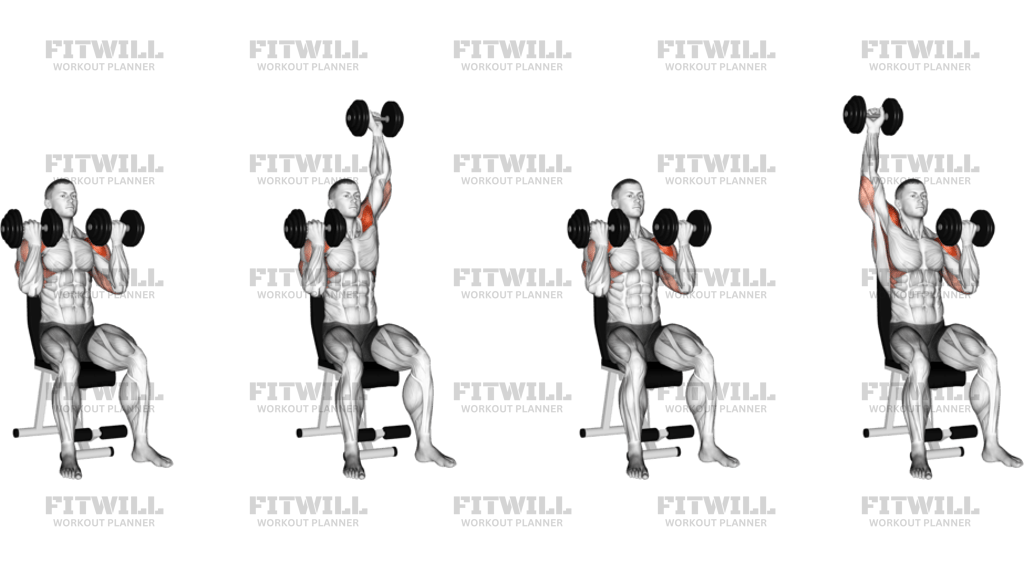
Dumbbell Archer
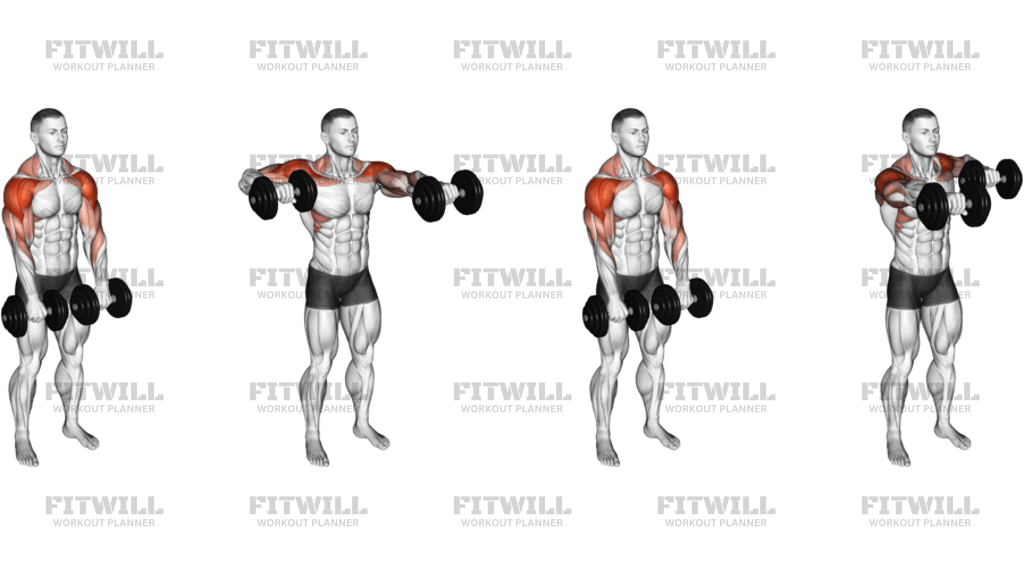
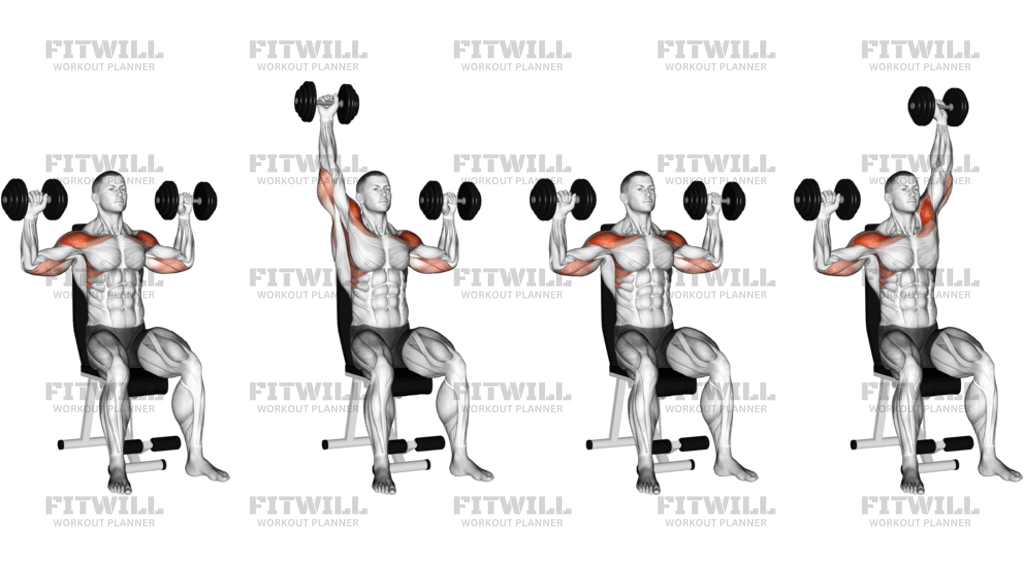
Dumbbell Archer is a standing alternating shoulder raise that sends one dumbbell out to shoulder height while the other arm stays long by your side. The shape resembles an archer drawing a bow, which is where the exercise gets its name. It is a simple-looking movement, but it asks for a lot of control from the shoulder, upper back, and trunk so the lifted arm can travel cleanly without the torso helping.
This exercise is useful when you want to train the side of the shoulders with less cheating than a heavy two-arm raise. The working shoulder has to lift smoothly, while the opposite side stays quiet and the core keeps the ribs and pelvis stacked. That combination makes Dumbbell Archer a good choice for accessory shoulder work, warm-ups, and light hypertrophy sets where control matters as much as effort.
The setup matters because the dumbbells start at the thighs and the entire rep depends on keeping the body upright. Stand with feet about hip width apart, knees soft, chest tall, and both dumbbells hanging at your sides with a neutral wrist. Before you raise anything, set your shoulders down away from your ears and keep your neck long so the lift comes from the shoulder joint instead of a shrug.
From there, lift one dumbbell out and slightly forward in a smooth arc until the hand reaches about shoulder height. Keep a small bend in the elbow, avoid twisting the torso, and let the opposite arm stay quiet at your side. Lower the dumbbell under control, then switch sides and repeat with the same path so each rep looks balanced and deliberate.
Dumbbell Archer works best with light to moderate loads and a steady tempo. If the weight forces swinging, leaning, or a trapped-looking shrug, it is too heavy for this movement. Keep the range pain free, stop at shoulder height, and think about making each rep look identical on both sides. That is what gives the exercise its value: clean shoulder work, stable posture, and enough tension to challenge the delts without turning the set into a body English contest.
[ Workout Log & Planner ]
Put your next workout in Fitwill
Keep your plan and training log ready when you are.


Instructions
- Stand tall with your feet about hip width apart and hold a dumbbell in each hand at your thighs, palms facing in.
- Keep a soft bend in both elbows, let your shoulders sit down away from your ears, and brace your midsection before the first rep.
- Shift your weight evenly over both feet so your torso stays upright and does not lean toward the working side.
- Raise one dumbbell out and slightly forward in a smooth arc until your hand reaches shoulder height.
- Keep the opposite arm hanging still and avoid twisting your chest or hiking the working shoulder upward.
- Pause briefly at the top with the wrist stacked over the elbow and the shoulder still controlled.
- Lower the dumbbell slowly back to your thigh, keeping tension on the shoulder instead of dropping the weight.
- Switch sides and repeat the same path, then finish by returning both dumbbells to your sides with control.
Tips & Tricks
- Use lighter dumbbells than you would for a standard lateral raise; the alternating setup makes it easy to overestimate what you can control.
- Keep the working dumbbell just slightly in front of your body line so the shoulder can lift cleanly without forcing the shoulder joint into an awkward path.
- If your upper traps take over and your neck tightens, lower the weight and think about sliding the shoulder blade down before each rep.
- Do not swing the free arm away from your side to create momentum; it should stay quiet so the torso does not start rotating.
- Stop the raise at shoulder height rather than chasing a higher finish, which usually turns the movement into a shrug.
- Lower the dumbbell for at least as long as you lift it so the shoulder stays under tension instead of bouncing between reps.
- Keep your wrists neutral instead of curling the dumbbell upward; bent wrists make the forearm work harder and reduce clean shoulder loading.
- If one side is much weaker, match the same range and tempo on both sides rather than letting the stronger arm race ahead.
Frequently Asked Questions
What does Dumbbell Archer train most?
It mainly trains the side of the shoulders, with the upper back, core, and grip helping keep the body steady.
Is Dumbbell Archer just a lateral raise?
It is very close to a single-arm lateral raise, but the alternating archer style makes balance and torso control more important.
How heavy should the dumbbells be for Dumbbell Archer?
Choose a light to moderate load that lets you raise the dumbbell to shoulder height without shrugging, leaning, or swinging.
Should I keep the lifting arm in front of me or out to the side?
Raise it on a slight diagonal, just in front of your body line, so the shoulder can move smoothly without forcing the arm straight out wide.
Can beginners do Dumbbell Archer safely?
Yes, if the dumbbells are light and the torso stays still. Beginners should keep the range to shoulder height and avoid chasing speed.
Why does one arm stay down while the other lifts?
The nonworking arm staying quiet helps expose side-to-side imbalances and forces the lifting shoulder to do the work without extra momentum.
What is the most common mistake in Dumbbell Archer?
The most common mistake is shrugging the shoulder or twisting the torso to cheat the dumbbell higher.
Can I use this exercise as a warm-up?
Yes. It works well as a light shoulder primer before pressing or upper-body training because it wakes up the delts without much fatigue.