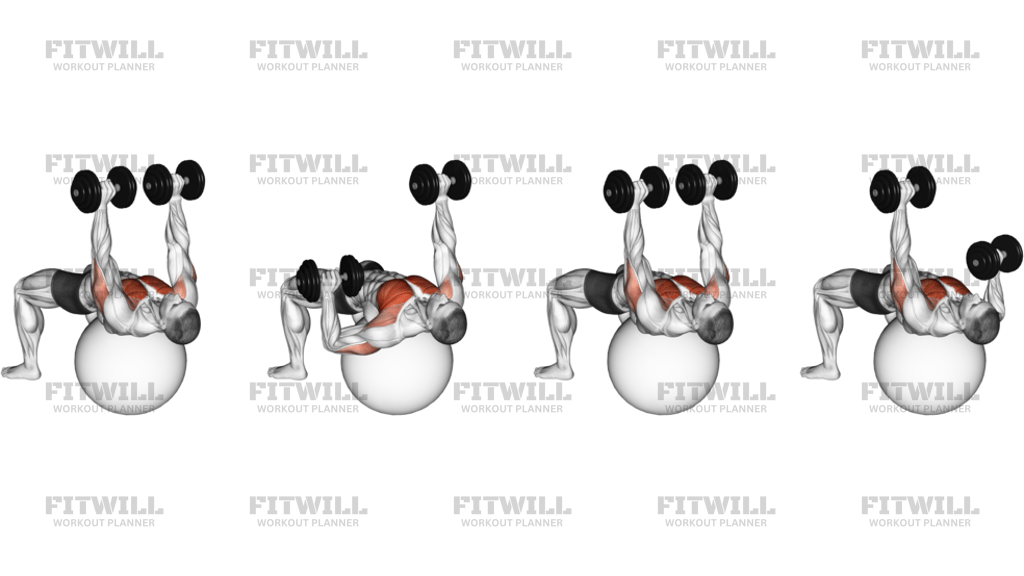
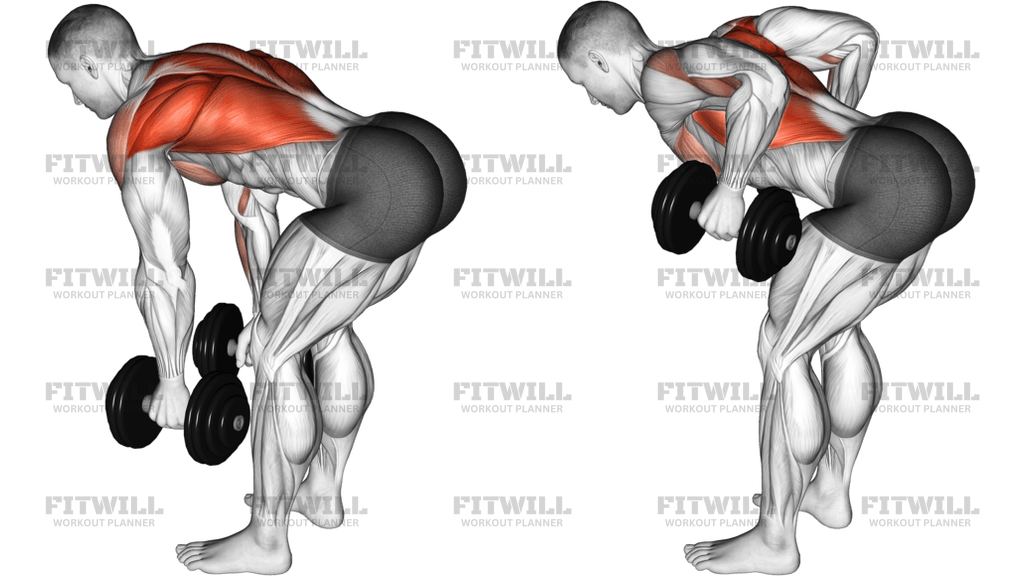
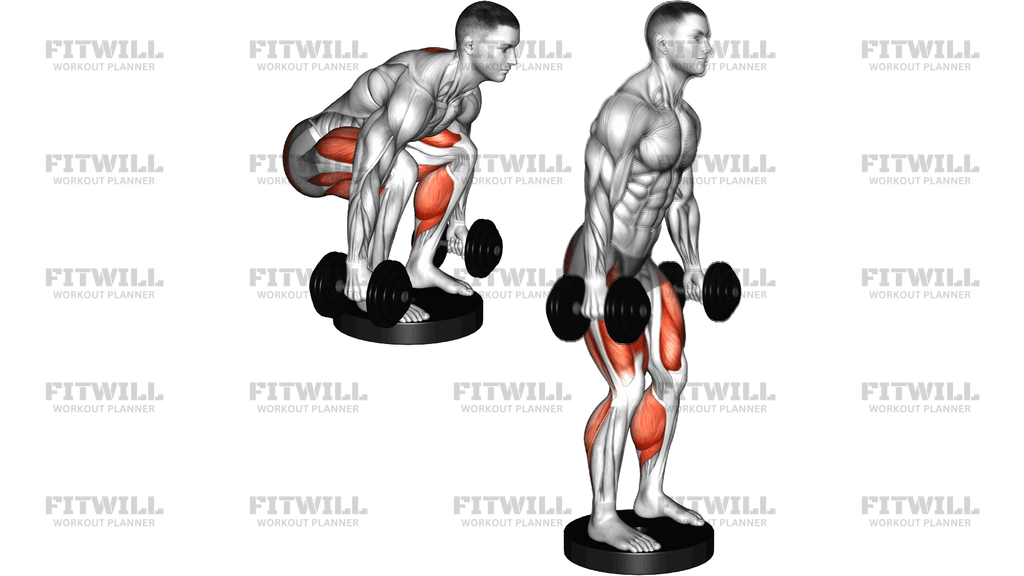
Dumbbell Incline Shoulders Press
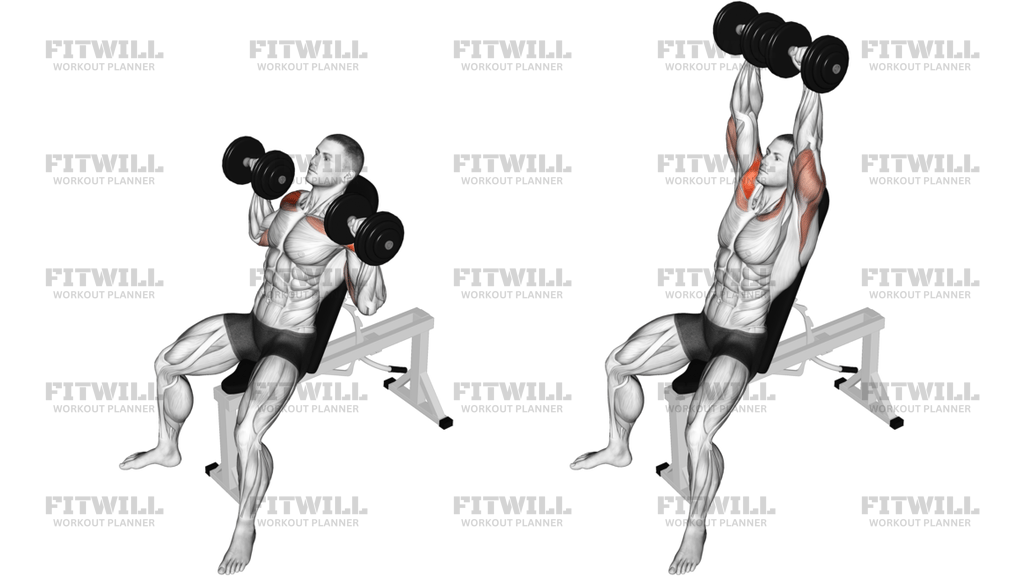
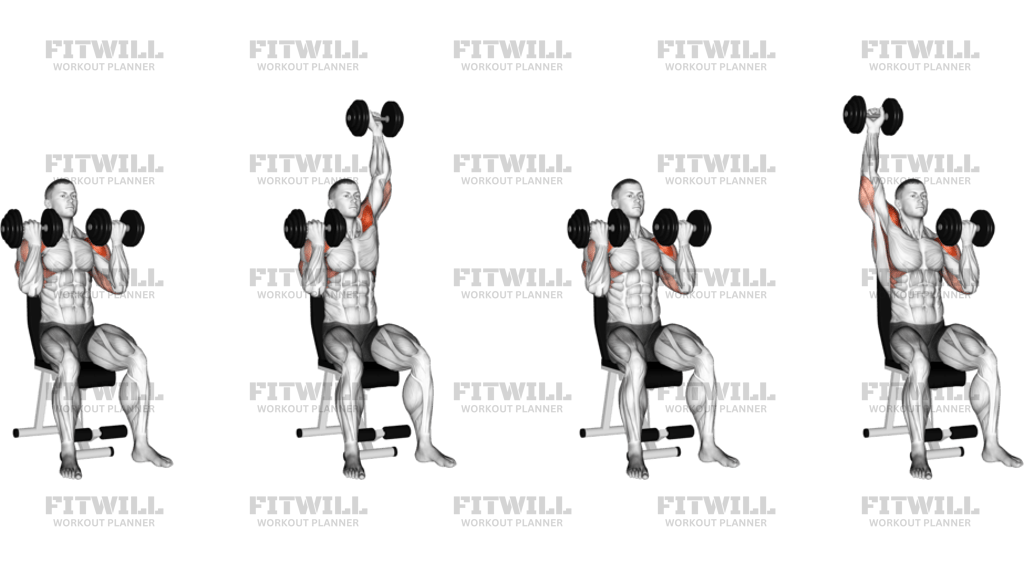
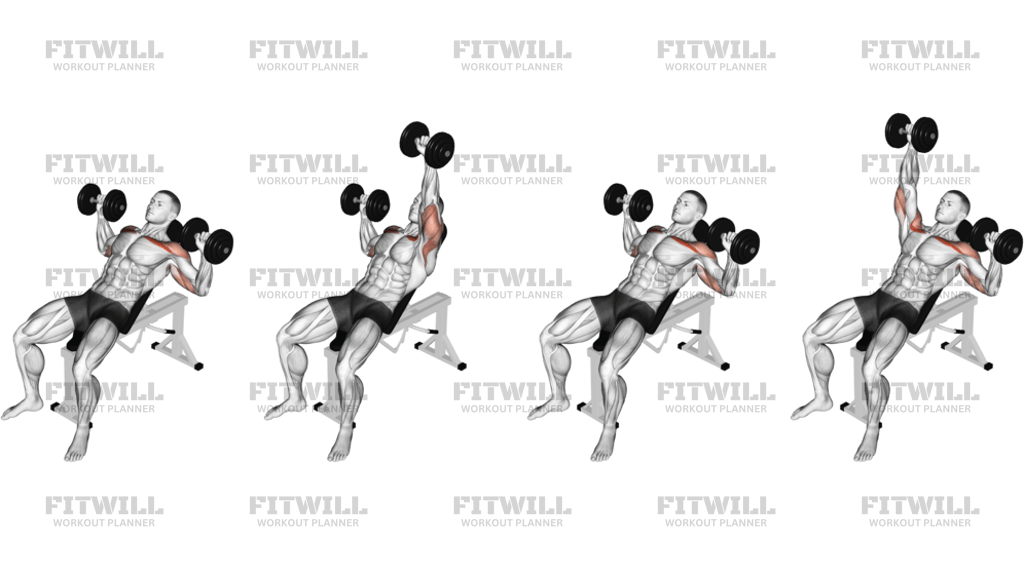
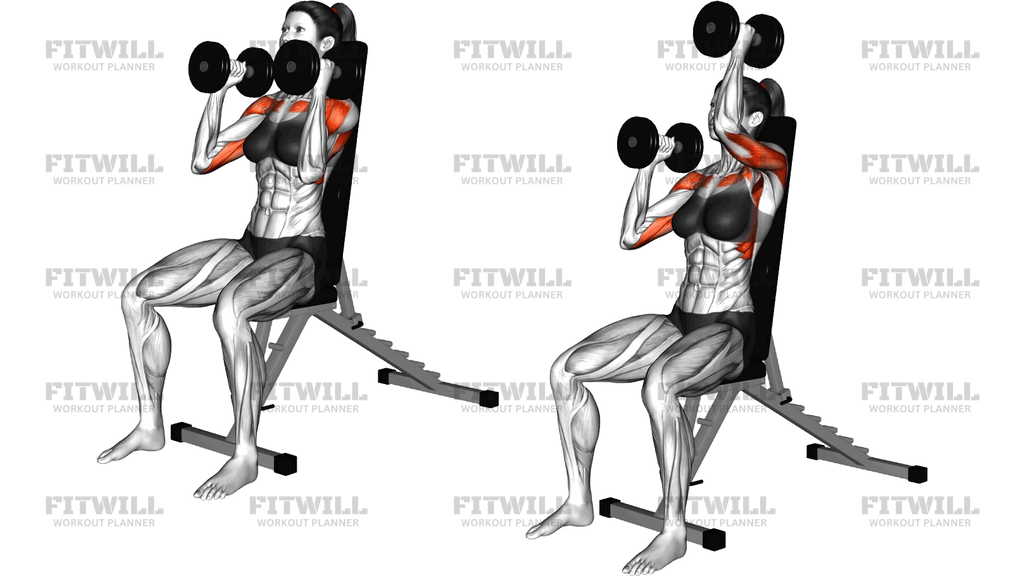
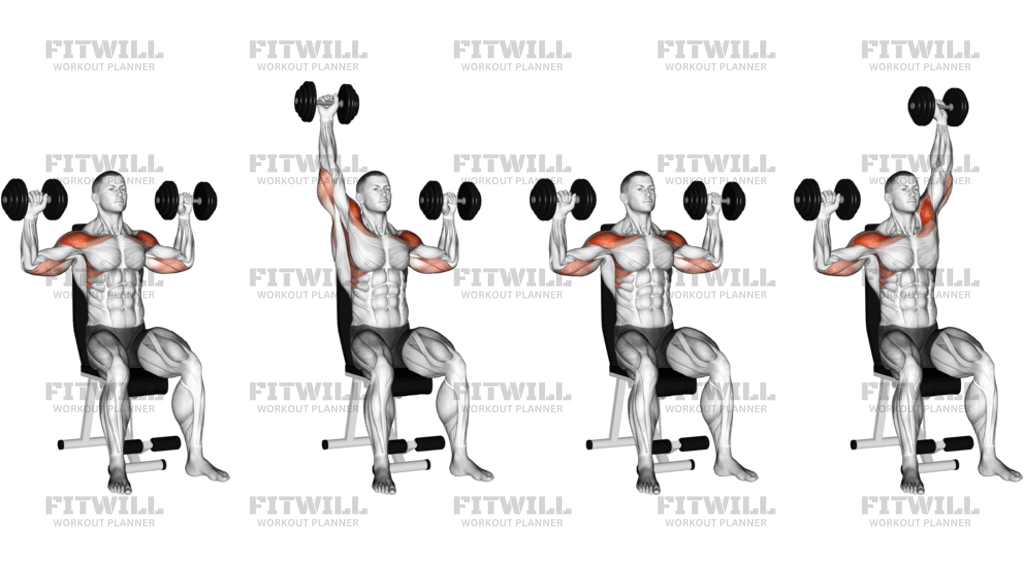
Dumbbell Incline Shoulders Press is a seated pressing exercise performed on an incline bench with a dumbbell in each hand. The backrest gives you support so you can focus on pressing the weights from shoulder height to overhead without turning the rep into a standing cheat press. In the image, the lifter is seated upright with the chest open, feet planted, and the dumbbells starting near the shoulders before being driven upward in a smooth arc.
This movement trains the shoulder press pattern with a strong emphasis on the deltoids, while the triceps and upper chest help finish the lockout and stabilize the load. Because the torso is supported, the exercise asks for less total-body balance than a standing press, but it still rewards clean ribcage control, stacked wrists, and a stable upper back against the bench. That makes it useful for building pressing strength, shoulder size, and overhead control while keeping the setup more controlled than a free standing variation.
The bench angle matters. Too flat and the press starts to drift toward a chest press; too upright and it becomes harder to keep the shoulders comfortable through the lower phase. A moderate incline lets the elbows track slightly in front of the torso, which keeps the shoulder joint in a better pressing line. Start with the dumbbells at about shoulder level, brace the trunk, and press them up and slightly inward until the arms are nearly straight over the shoulders.
Lower the bells under control until the upper arms return close to shoulder height, then repeat without bouncing off the bottom. Keep the head neutral, the ribs from flaring, and the feet rooted so the bench does not become a launch point for momentum. If the low back starts to arch hard or the dumbbells drift behind the shoulders, the load is usually too heavy or the bench angle is too steep.
Use Dumbbell Incline Shoulders Press as a primary or accessory press on upper-body days, especially when you want shoulder work with a stable bench-supported position. It suits moderate repetitions well and can be scaled for beginners with light dumbbells and a conservative range of motion. The rep should feel like a controlled overhead drive, not a heave from the lower back or a shrug into the ears.
[ Workout Log & Planner ]
Put your next workout in Fitwill
Keep your plan and training log ready when you are.


Instructions
- Set the incline bench to a moderate angle and sit with your upper back and head against the pad.
- Plant both feet flat on the floor and keep your hips back on the bench so you do not slide forward.
- Hold a dumbbell in each hand at shoulder height with palms facing forward and wrists stacked over the elbows.
- Brace your abs and keep your ribs down before the first press so the lower back does not overarch.
- Press both dumbbells upward in a smooth line that finishes slightly over the shoulders, not behind them.
- Keep the dumbbells moving together and avoid letting one arm drift faster than the other.
- Lower the weights under control until the upper arms return close to shoulder level and the elbows stay just in front of the torso.
- Exhale as you press, inhale as you lower, and reset your shoulder blades lightly against the bench before the next rep.
Tips & Tricks
- Use a bench angle that feels like an overhead press with support, not a steep chest press.
- Keep the dumbbells in line with the forearms so the wrists do not bend back at the bottom.
- Stop the descent when the upper arms reach shoulder height if going deeper makes the shoulders roll forward.
- Think about driving the weights up and slightly inward, which helps finish the press over the middle of the body.
- Keep your chin tucked enough that the dumbbells clear the face without jutting the head forward.
- If your lower back arches hard, reduce the load before you reduce the range of motion.
- A slower lowering phase makes the shoulders work harder without needing to use heavier dumbbells.
- Avoid shrugging the shoulders to the ears at lockout; finish with the arms up, not the neck tense.
Frequently Asked Questions
What muscles work most in Dumbbell Incline Shoulders Press?
The front and middle deltoids do most of the work, with the triceps helping finish each rep. The upper chest and upper back assist by stabilizing the press.
How is this different from a flat dumbbell shoulder press?
The incline bench gives your back more support and changes the shoulder angle slightly. It usually feels more stable than a fully seated upright press and less chest-dominant than a flat press variation.
How steep should the bench be?
Use a moderate incline so the dumbbells start near shoulder level and travel overhead in a clean line. If the bench is too steep, the movement becomes harder on the lower back and less specific to the shoulder press pattern.
Where should the dumbbells start?
Start with the bells just outside the shoulders, forearms vertical, and elbows slightly in front of the torso. That position makes the first half of the press smoother and easier on the joints.
Do I need to touch the dumbbells together at the top?
No. Bring them up until the arms are nearly straight and the weights are stacked over the shoulders. Forcing contact can make the shoulders shrug and the wrists lose position.
Can beginners do this exercise?
Yes, as long as they keep the back supported and use light dumbbells. A shorter range and slower lowering phase are both good ways to learn the path safely.
What is the most common form mistake?
The biggest error is turning the rep into a back-arched push by flaring the ribs and leaning off the bench. Another common mistake is letting the elbows drift too far behind the body at the bottom.
How should I breathe on each rep?
Inhale as you lower the dumbbells and exhale as you press them overhead. Keep the brace gentle but firm so the torso stays quiet against the bench.