Band Twist Up Down
Band Twist Up Down is a standing high-to-low diagonal band chop that sends the hands from an overhead anchor down across the front of the body toward the opposite hip. It is a core-focused rotational control exercise that challenges the obliques, rectus abdominis, and the stabilizers that keep the rib cage, pelvis, and shoulders from drifting as the band changes direction.
The setup matters because this movement gets harder fast as you step away from the anchor. Stand far enough back to feel steady tension without being pulled out of position, then plant the feet, soften the knees, and stack the ribs over the pelvis before the first pull. The arms should guide the line of force, but the trunk has to stay organized so the exercise does not turn into a loose arm swing.
Each repetition should travel on the same diagonal path: start high and slightly outside the shoulder, brace, then pull down and across the body toward the opposite hip with controlled trunk rotation. Keep the shoulders down, the neck long, and the elbows only slightly bent. Finish the rep without letting the low back arch or the hips lunge forward, then reverse the path under tension so the band never snaps you back to the start.
This exercise is useful for core sessions, athletic warmups, and accessory work when you want rotation that looks and feels controlled rather than explosive. It also scales well with stance width, distance from the anchor, and band tension, which makes it practical for beginners and advanced lifters alike. If the shoulders shrug, the feet spin, or the torso leans to cheat the path, the setup is too aggressive or the band is too heavy.
Breathing should stay deliberate: exhale as you chop down and across, then inhale as you guide the band back up along the same line. Clean reps should feel like the trunk is resisting and directing the pull, not like the arms are yanking the body through space. Keep every repetition pain-free and crisp so the obliques do the work without irritation in the low back or shoulders.
Fitwill
Log Workouts, Track Progress & Build Strength.
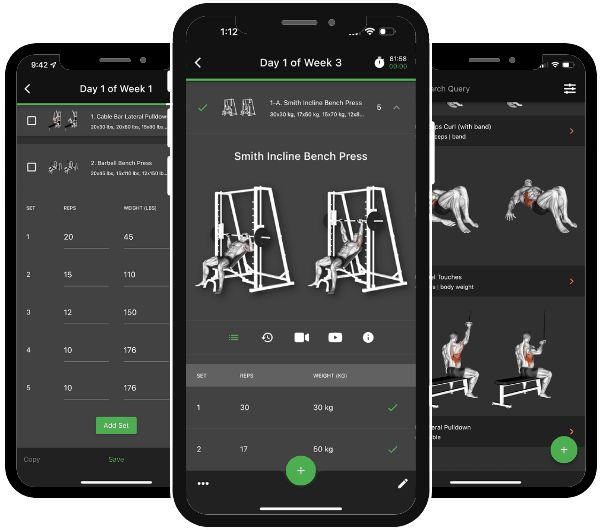
Achieve more with Fitwill: explore over 5000 exercises with images and videos, access built-in and custom workouts, perfect for both gym and home sessions, and see real results.
Start your journey. Download today!


Instructions
- Clip the resistance band to a high anchor above shoulder level and stand far enough away to create steady tension.
- Plant your feet about shoulder-width apart, soften the knees, and hold the band with both hands near the high side of your body.
- Stack your ribs over your pelvis, keep your shoulders down, and brace your abs before the first rep.
- Start with your hands high and slightly outside the shoulder, with the band already under control.
- Pull the band diagonally down and across your body toward the opposite hip, keeping the movement smooth and connected to your trunk.
- Let the torso rotate only as far as you can control without leaning back or twisting the knees hard.
- Finish low across the front of the body, pause briefly, and feel the obliques tighten before reversing the path.
- Return the band to the high start under tension, breathe in on the way up, and repeat for the planned reps.
- Reset your stance if the band pulls you out of balance or the path stops feeling clean.
Tips & Tricks
- Keep the elbows softly bent, but do not turn the pull into a big arm curl.
- Step farther from the anchor only if you can keep the ribs stacked over the pelvis.
- Let the front foot pivot slightly if needed, but do not force the knees to twist with the torso.
- Keep the shoulders away from the ears so the obliques, not the traps, control the line of pull.
- Think about bringing the ribs toward the opposite hip instead of swinging the hands across the body.
- Slow the return phase; that is where the core has to resist the band and stay organized.
- Use a lighter band if you have to lean back, arch the low back, or jerk the band down.
- Stop the set if the diagonal path turns sloppy or the movement starts to feel like a shoulder exercise.
Frequently Asked Questions
What muscles does Band Twist Up Down work most?
It mainly targets the obliques and rectus abdominis, while the hips and shoulders stabilize the diagonal pull.
Is this basically a band woodchop?
It is very similar. The key difference is the clear high-to-low diagonal path from the overhead anchor toward the opposite hip.
Should my hips rotate with the band?
A small natural follow-through is fine, but the trunk should stay in charge. Do not turn it into a full spin or lunge.
How do I know the band is too heavy?
If you have to lean back, shrug, bend the elbows hard, or lose the diagonal path, the band is too heavy.
Can beginners use this exercise?
Yes. A light band, a shorter range, and a stable stance make it a solid beginner core drill.
Where should the handles finish on each rep?
They should finish low and across the body near the opposite hip, not behind you or far outside the line of the pull.
What is the biggest form mistake with this movement?
Letting the low back arch and letting the band drag the body out of alignment instead of controlling the path.
When should I program Band Twist Up Down?
It fits well in core work, athletic warmups, or accessory blocks after heavier compound lifts.