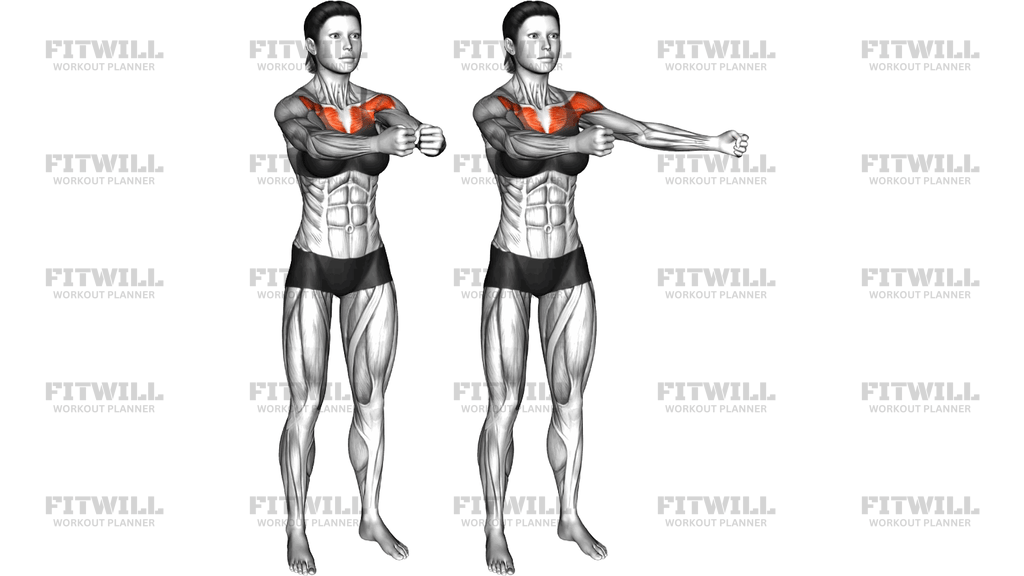
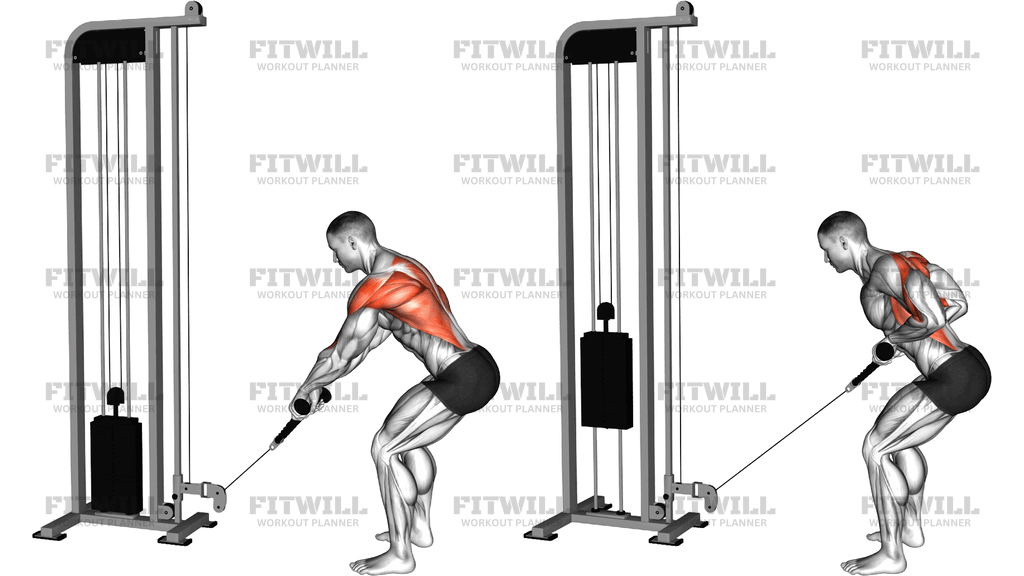
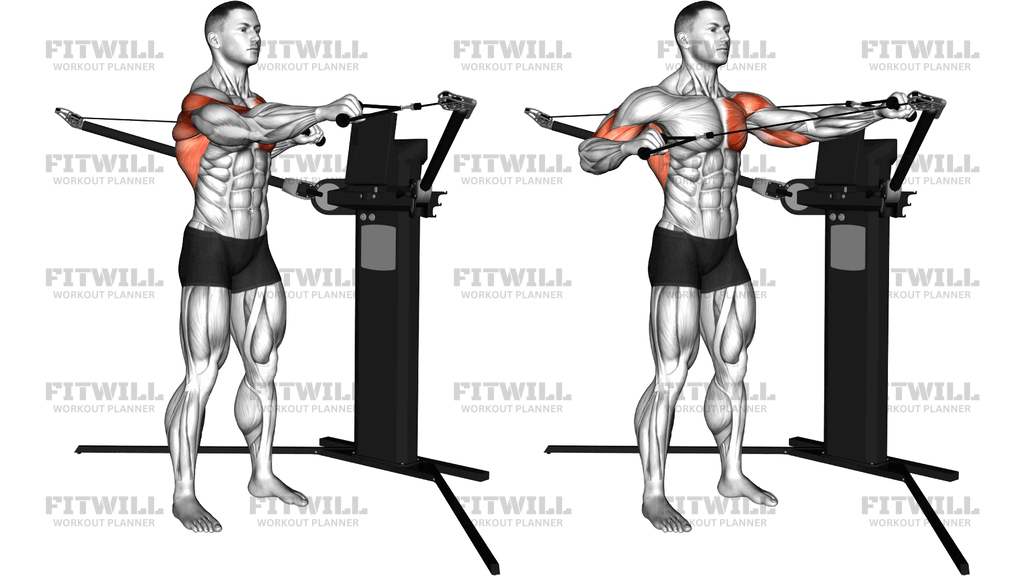
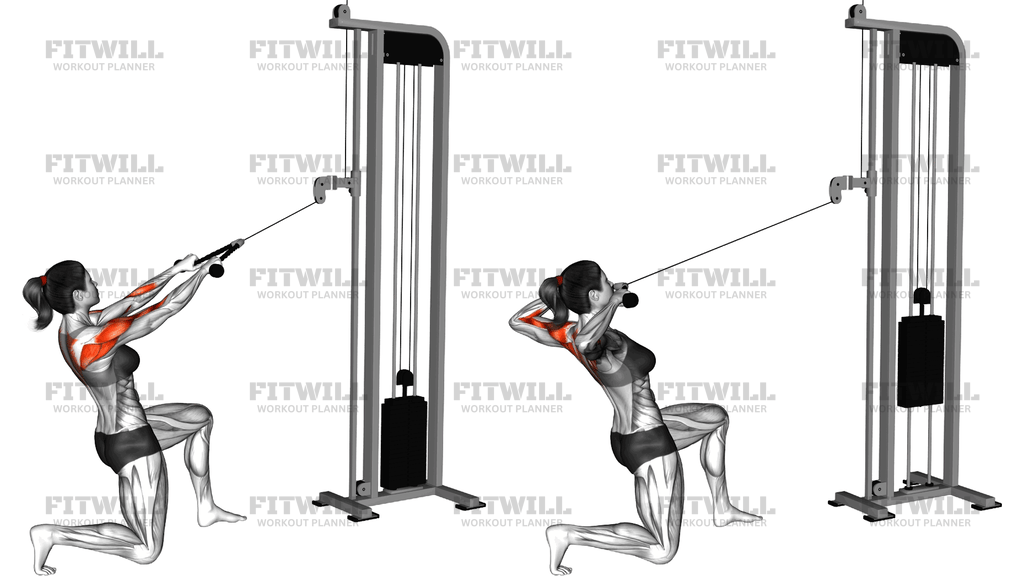
Cable Seated Chest Fly
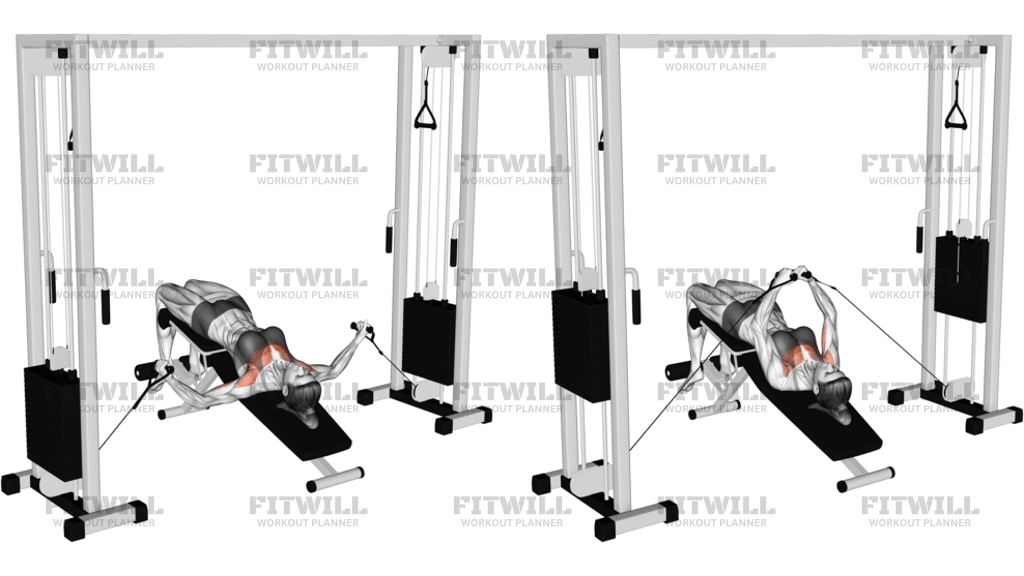
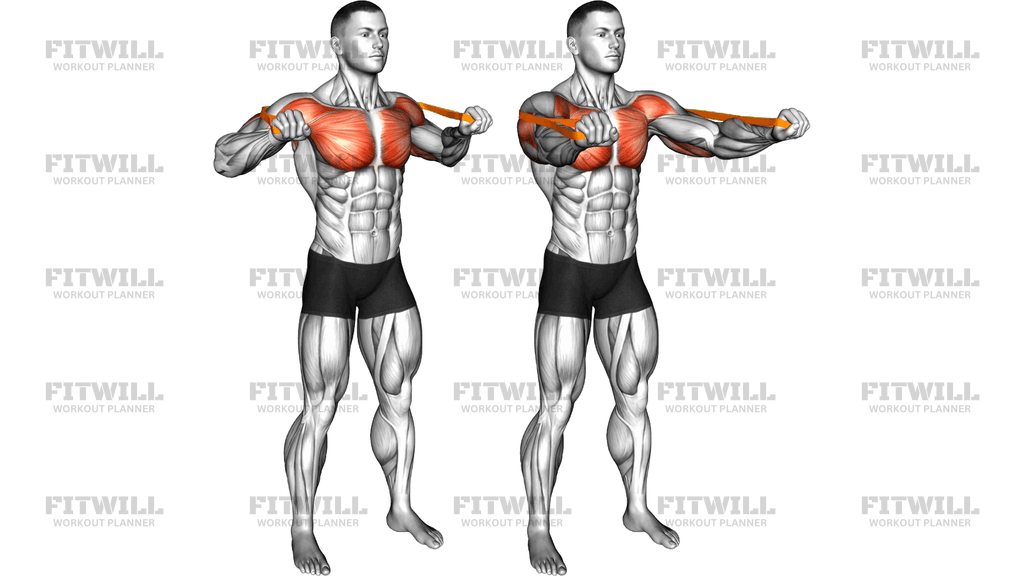
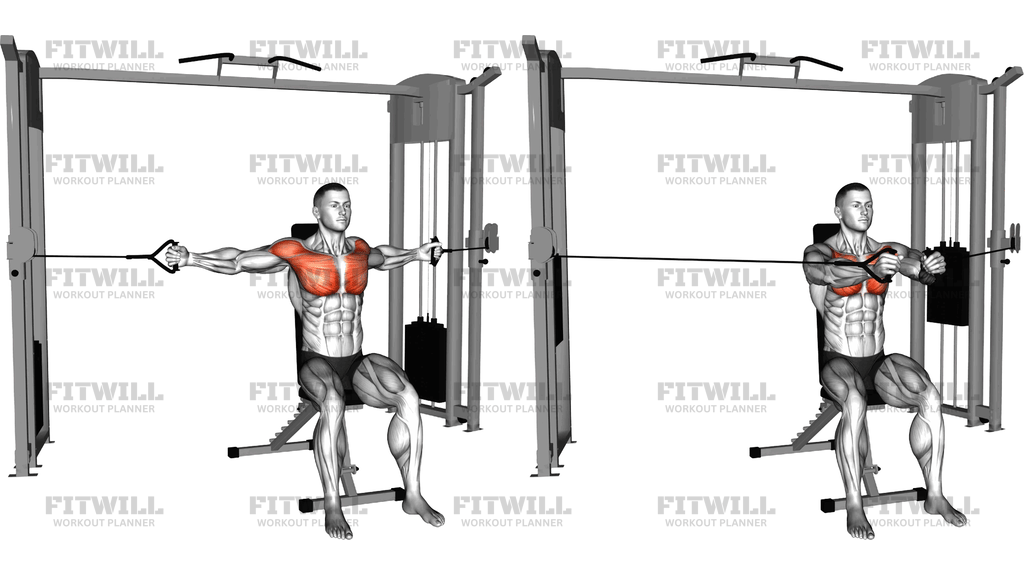
Cable Seated Chest Fly is a seated cable isolation exercise for the chest, performed with the torso supported while the hands travel in a wide arc toward the centerline of the body. It is a useful way to train the pecs through constant cable tension, especially when you want a controlled pressing alternative that keeps the shoulders honest and the rep path easy to repeat.
The exercise is usually done on a cable machine with a seat positioned between the pulleys and handle attachments in each hand. Sitting upright with the chest lifted and the shoulder blades set gives the pecs a stable base to work from. The slight bend in the elbows should stay nearly unchanged throughout the rep so the movement comes from the shoulder joint and chest, not from turning it into a triceps press or a front-delt swing.
What makes this movement effective is the combination of range and tension. In the stretched position, the chest is opened under control; in the finish position, the hands meet or nearly meet in front of the sternum without shrugging the shoulders forward. That constant line of pull makes the exercise useful for accessory chest work, hypertrophy blocks, or as a lighter finishing movement after heavier presses.
The seated setup matters because it removes a lot of cheating. If the seat height, handle height, or torso angle is off, the load can pull you out of position and turn the rep into a shoulder-dominant movement. Keep the ribcage stacked over the pelvis, let the elbows travel in a smooth arc, and return slowly enough to keep tension on the chest instead of letting the stack slam the weight back.
This exercise works best with moderate to lighter loads, clean tempo, and full pain-free range. Beginners can use it well if they keep the range controlled and avoid overreaching at the back of the rep. If the front of the shoulders take over, shorten the range slightly, lower the load, and keep the handles moving in line with the middle of the chest instead of drifting too low or too high.
[ Workout Log & Planner ]
Put your next workout in Fitwill
Keep your plan and training log ready when you are.


Instructions
- Adjust the seat so the handles start roughly in line with mid-chest and sit down with your back against the pad.
- Plant both feet flat on the floor and sit tall with your chest open and shoulders down.
- Grab the handles with a neutral grip and keep a soft bend in both elbows.
- Start with your arms opened out to the sides until you feel a comfortable stretch across the chest.
- Brace your torso and exhale as you sweep both handles inward in a wide arc.
- Bring the handles together or close to together in front of the sternum without shrugging the shoulders.
- Squeeze the chest for a brief pause at the finish while keeping the elbows slightly bent.
- Inhale and return the handles slowly to the open position under control.
- Repeat for the planned number of repetitions, then let the handles come back fully to the start before standing up.
Tips & Tricks
- Keep the elbows in the same soft bend from start to finish so the rep stays a fly, not a press.
- Think about bringing your upper arms together, not just your hands, to keep tension on the pecs.
- If the shoulders feel pinchy at the stretched position, reduce the range and stop slightly before the cable pulls you too far back.
- Keep the ribs from flaring hard as the handles come together; a stacked torso lets the chest do more of the work.
- Do not let the handles drift low toward the stomach, or the front delts will take over the line of pull.
- Use a controlled 2-3 second return so the chest stays loaded instead of letting the weight stack yank you open.
- Choose a load that lets you keep the shoulder blades set instead of rounding the upper back at the finish.
- If the seat is too low or too high, the cable angle changes quickly, so adjust it before the set starts.
Frequently Asked Questions
What does the Cable Seated Chest Fly mainly work?
It mainly targets the chest, especially the pecs, with the front shoulders helping stabilize the arm path.
Why do I stay seated for this fly?
The seated position keeps your torso steady and makes it easier to keep tension on the chest instead of using body sway to move the weight.
Where should the handles end up at the top of the rep?
They should meet or nearly meet in front of the center of the chest, not drift high toward the face or low toward the stomach.
Should my elbows bend and straighten during the movement?
No. Keep a small, fixed bend in the elbows so the motion comes from the shoulder joint and chest, not from turning it into a pressing pattern.
How heavy should I load the machine?
Use a moderate or light load that lets you control the opening phase and avoid shrugging, swinging, or bouncing the stack.
What if I feel this mostly in my shoulders?
Lower the weight, bring the handles slightly higher in line with mid-chest, and shorten the range until the chest can take over again.
Is this a good finisher after bench pressing?
Yes. It works well after presses because it adds chest work with less joint stress and lets you keep tension through a cleaner arc.
What is the biggest mistake to avoid?
The biggest mistake is letting the shoulders roll forward and the elbows collapse, which shifts the effort away from the chest and can irritate the front of the shoulder.