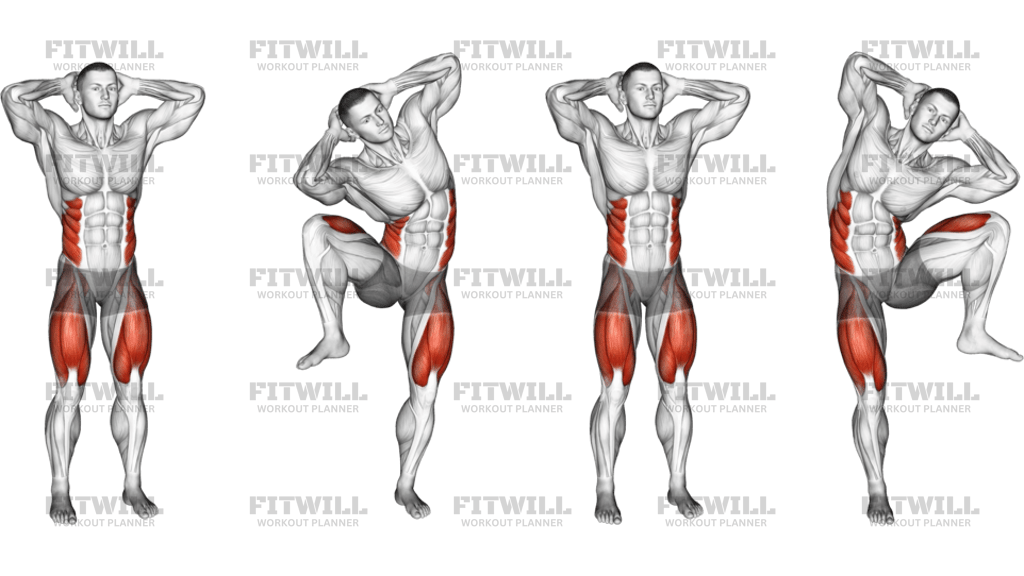
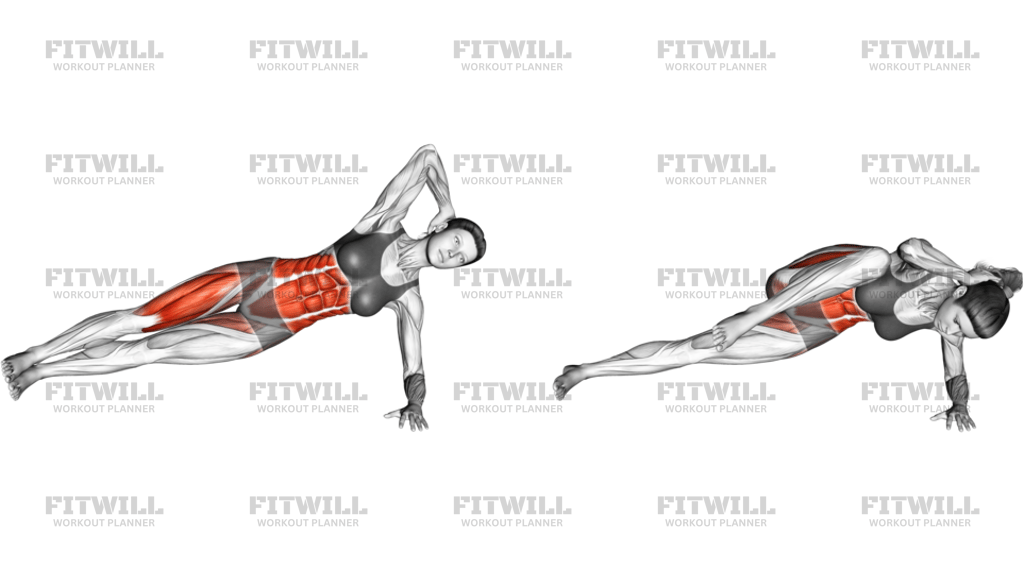
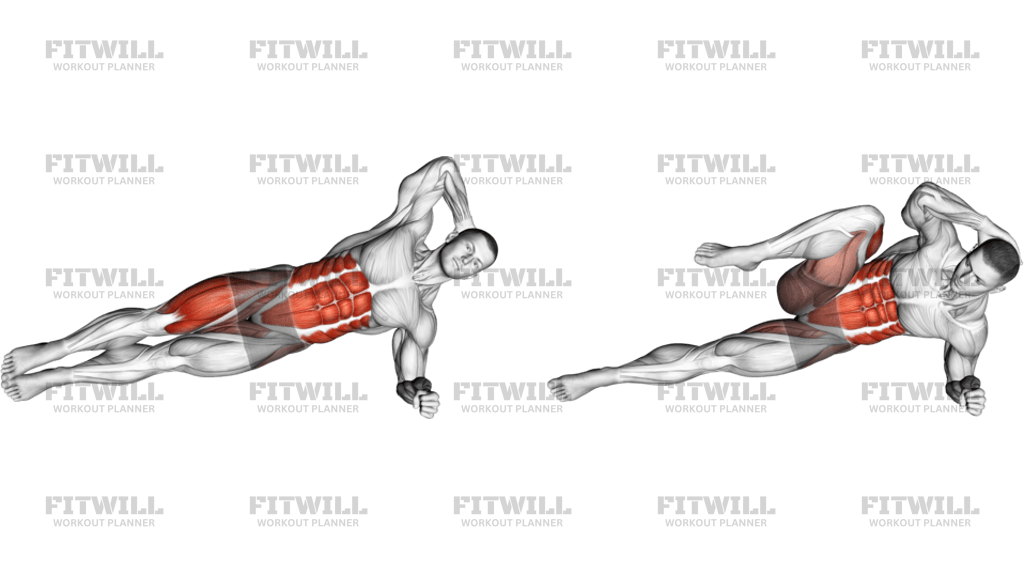
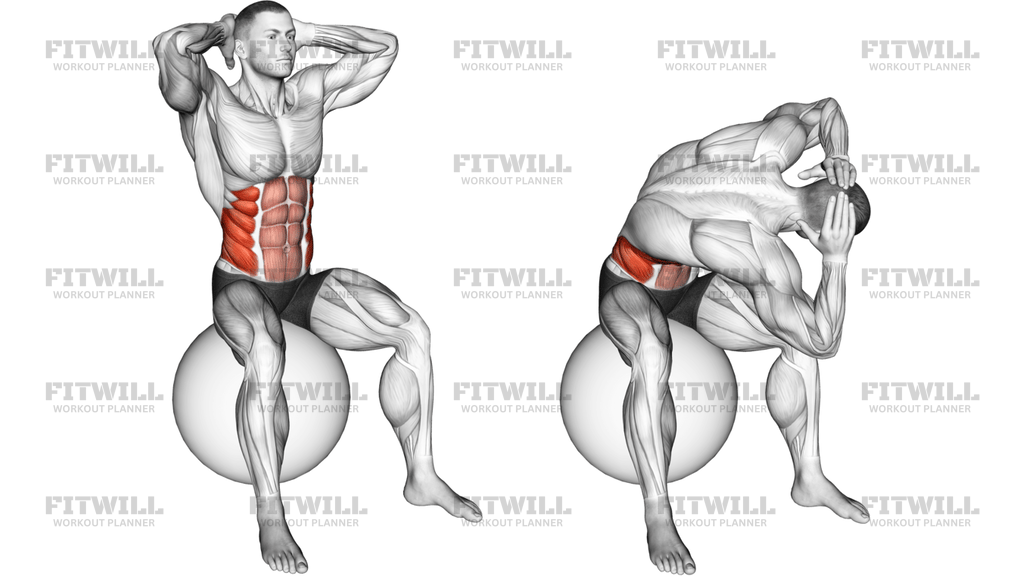
Seated 8 Leg Crunch
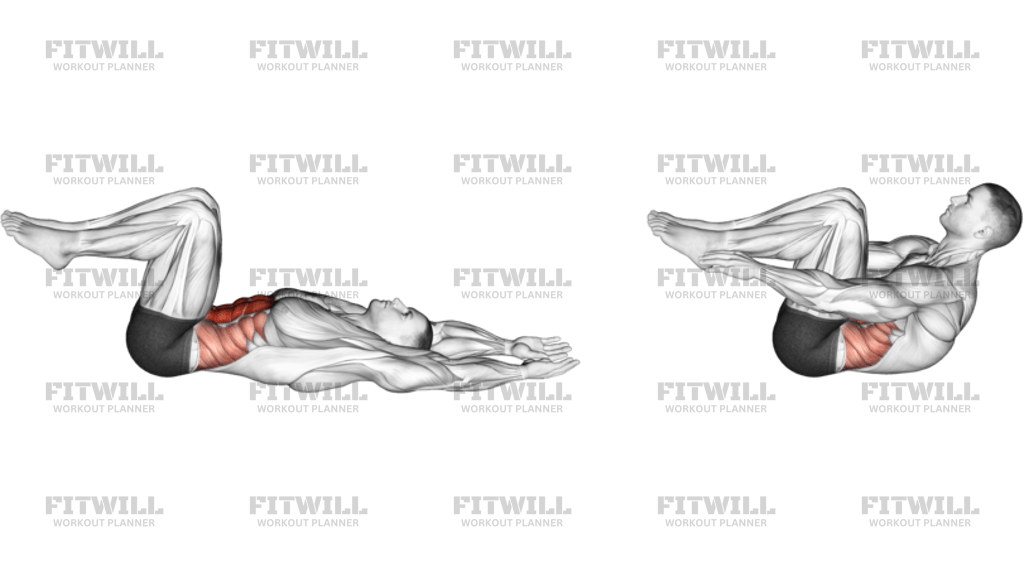
Seated 8 Leg Crunch is a seated floor core exercise built around a reclined torso, light hand support, and a controlled leg-and-trunk crunch pattern. The image shows the body supported from behind while the abs work to keep the rib cage and pelvis organized as the legs move through a short, deliberate path. It is not a speed drill; the value comes from keeping the torso steady while the lower body moves with precision.
The main training effect is direct abdominal work, with the rectus abdominis producing the crunch and the obliques and deep core muscles helping resist wobble or twisting. The hip flexors contribute because the legs are lifted and managed off the floor, but they should not take over the exercise. That makes this a useful bodyweight core option when you want a strong anterior-core stimulus without a machine or heavy load.
Setup matters because the starting position determines whether the movement stays in the abs or drifts into the hips and lower back. Sit on the floor with your hands behind you for support, lean back enough to feel the abdominal wall engage, and keep the chest open instead of collapsing through the shoulders. From there, use a small, repeatable range so the pelvis stays controlled and the lumbar spine does not arch as the legs extend or return.
During each rep, think about bringing the ribs toward the pelvis, then controlling the legs back out without losing tension. Exhale through the crunching effort, inhale on the way back, and keep the neck long so the upper body does not pull forward to fake the movement. The best reps feel compact, smooth, and deliberate. If the feet start swinging, the torso rocks, or the low back begins to take over, shorten the range and slow the tempo.
This exercise fits well in core-focused blocks, warmups, or accessory work when you want a seated ab movement that is easy to scale. Beginners should keep the knees bent and the range short. More advanced lifters can extend the legs farther or slow the lowering phase, but the rule stays the same: the abs should control the motion, not momentum.
[ Workout Log & Planner ]
Put your next workout in Fitwill
Keep your plan and training log ready when you are.


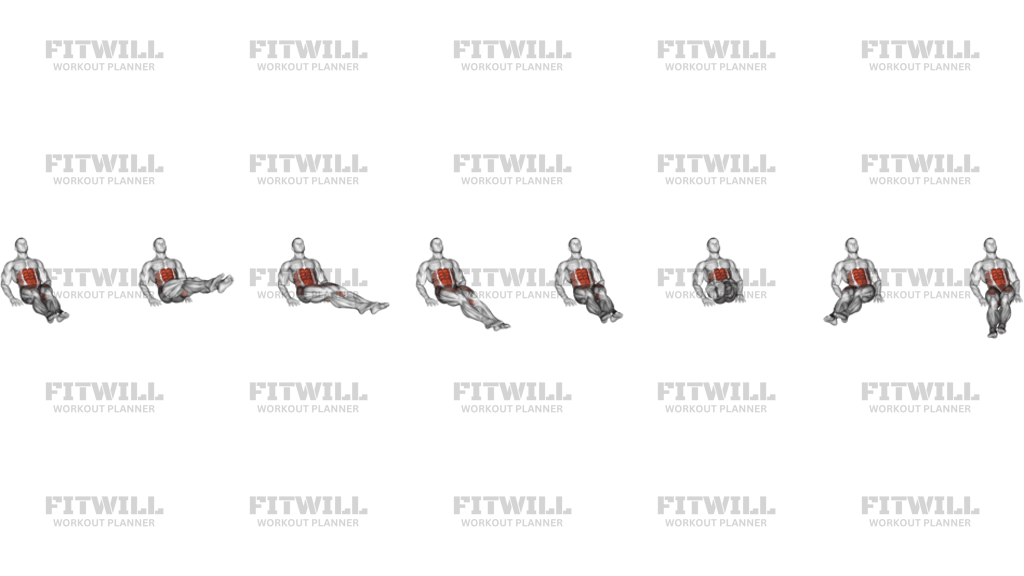
Instructions
- Sit on the floor with your knees bent, feet off the ground or lightly hovering, and place your hands behind your hips for support.
- Lean your torso back until your abs are engaged and your chest stays open, keeping your shoulders down instead of shrugging.
- Brace your midsection and keep your neck long before you start moving the legs.
- Extend the legs forward in a small, controlled path without letting your lower back arch.
- Draw the knees back in and crunch the ribs toward the pelvis while keeping the torso steady.
- Keep the movement smooth and avoid rocking your body or pushing hard through the hands.
- Exhale as you crunch in, then inhale as you return to the longer seated position.
- Repeat for the planned reps, stopping the set if the hips take over or the low back starts to strain.
Tips & Tricks
- Keep the hands as support, not as a pushing station; if you press hard through the arms, the abs usually stop working as cleanly.
- If the hip flexors dominate, bend the knees more and shorten the leg reach so the crunch comes from the trunk instead of the thighs.
- A slight posterior pelvic tilt is useful here, but do not collapse so far back that the chest caves or the shoulders round forward.
- Move the legs only as far as you can keep the lower back quiet; the farther the reach, the harder it is to maintain control.
- Think about pulling the front ribs down toward the pelvis instead of trying to swing the knees with momentum.
- Slow the return phase so the abs stay loaded through the lengthening portion of the rep.
- Keep the feet from tapping the floor between reps unless you need a reset to regain balance and control.
- Choose a mat or soft surface under the sit bones if the floor position makes it hard to stay braced.
Frequently Asked Questions
What muscles does Seated 8 Leg Crunch work most?
It primarily targets the rectus abdominis, with the obliques, deep core, and hip flexors assisting.
Can beginners perform this exercise?
Yes. Beginners should keep the knees bent, the range short, and the tempo slow so the torso stays stable.
Where should I feel the crunch during the rep?
You should feel it across the front of the abdomen, not in the neck or a pinching sensation in the low back.
How far should the legs extend?
Only extend them as far as you can keep the pelvis controlled and the lower back from arching.
Do my hands need to do much work?
No. They should mainly help you balance on the floor; if the arms start driving the movement, the abs are losing tension.
What is the most common form mistake?
Swinging the legs or rocking the torso to fake more range is the biggest mistake.
How can I make the exercise easier?
Keep both knees bent, shorten the leg extension, and pause briefly between reps to regain control.
Can I use this as a core finisher?
Yes. It fits well in a core finisher, but the set should end when control fades rather than when you can no longer swing through reps.