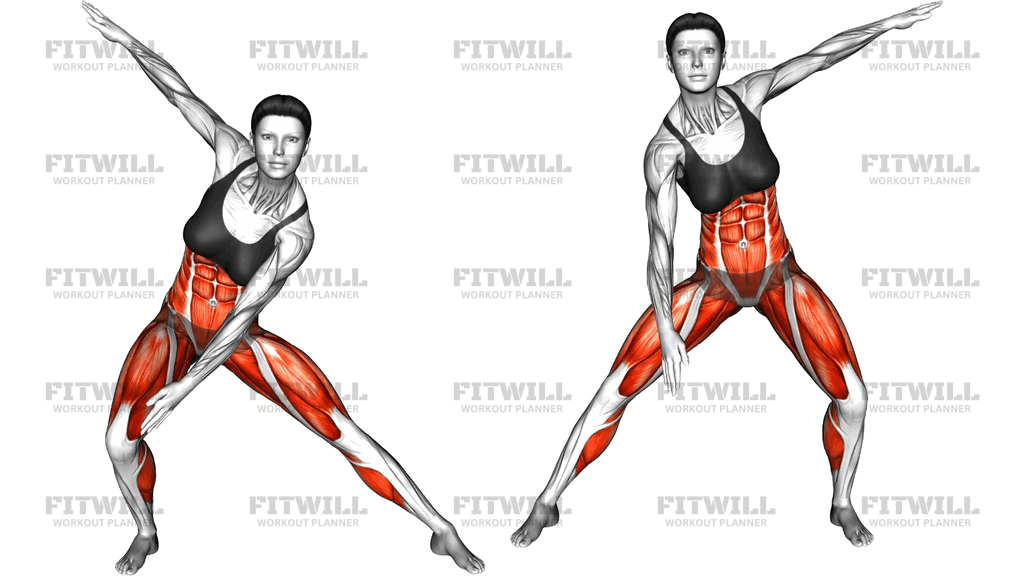
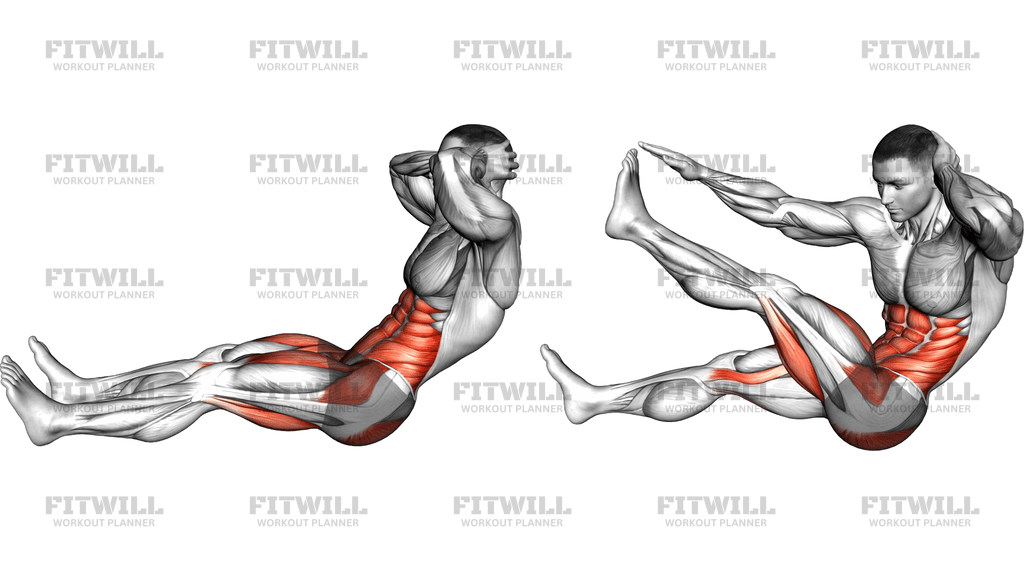
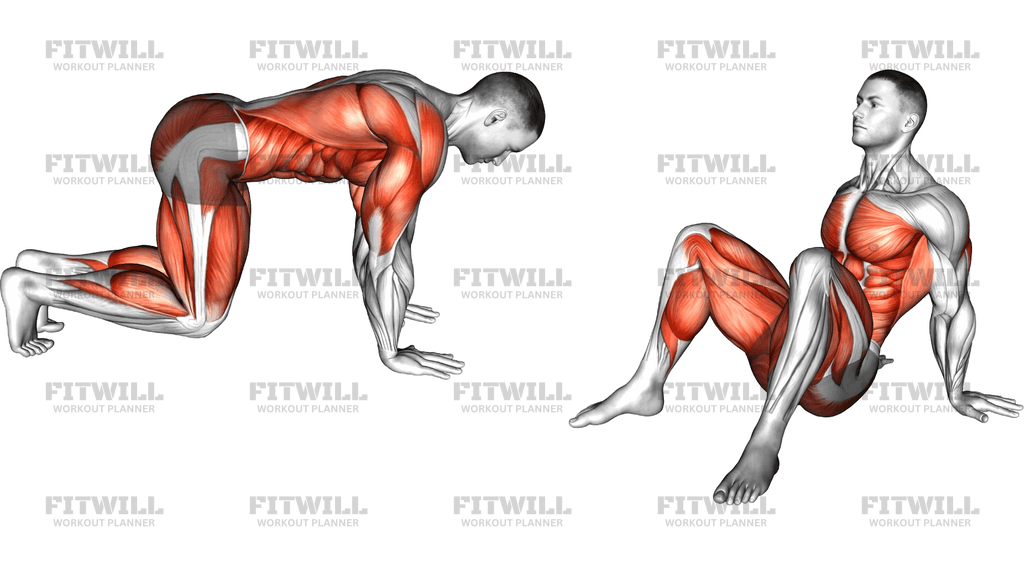
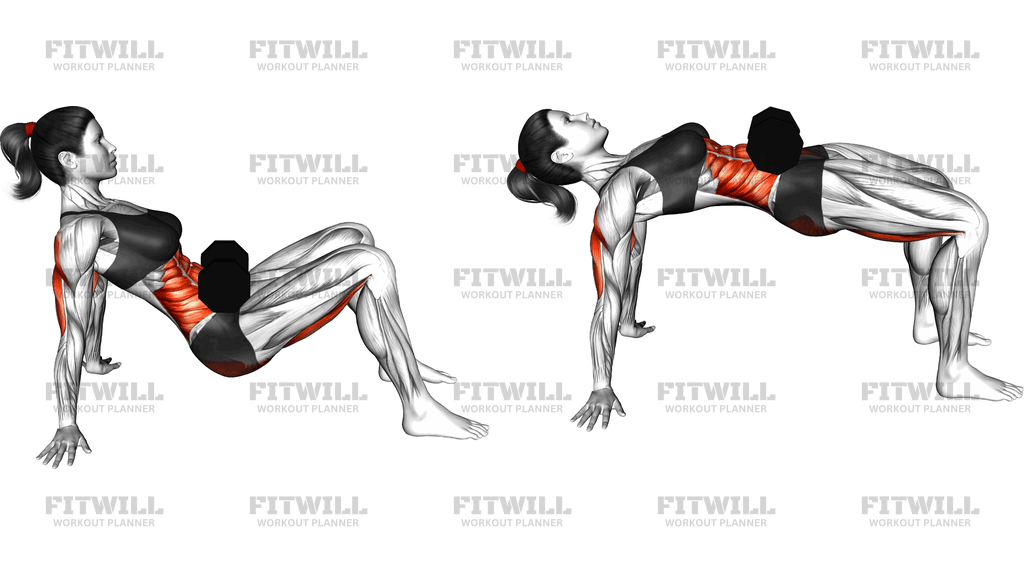
Elbow To Knee Side Plank Crunch
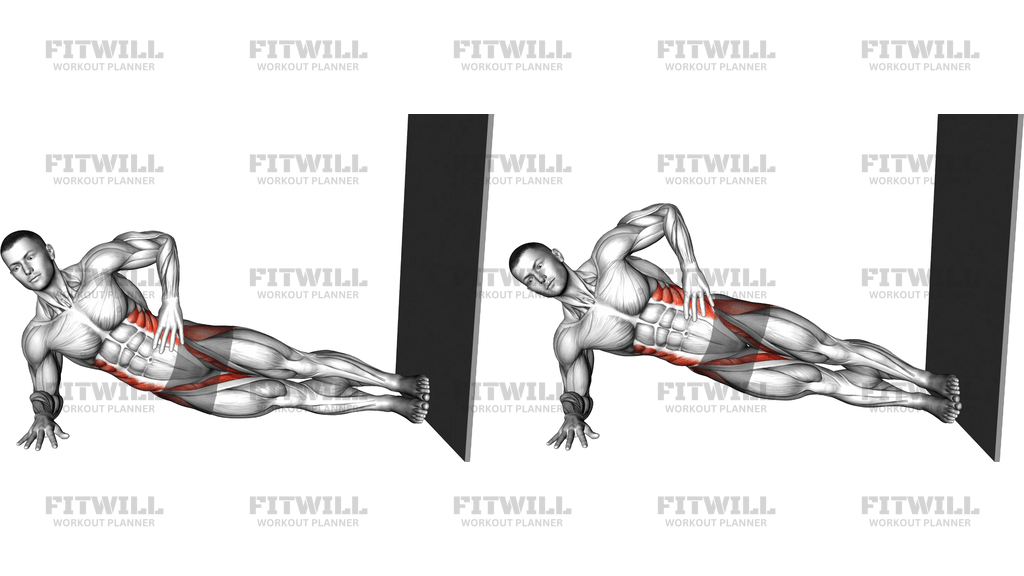
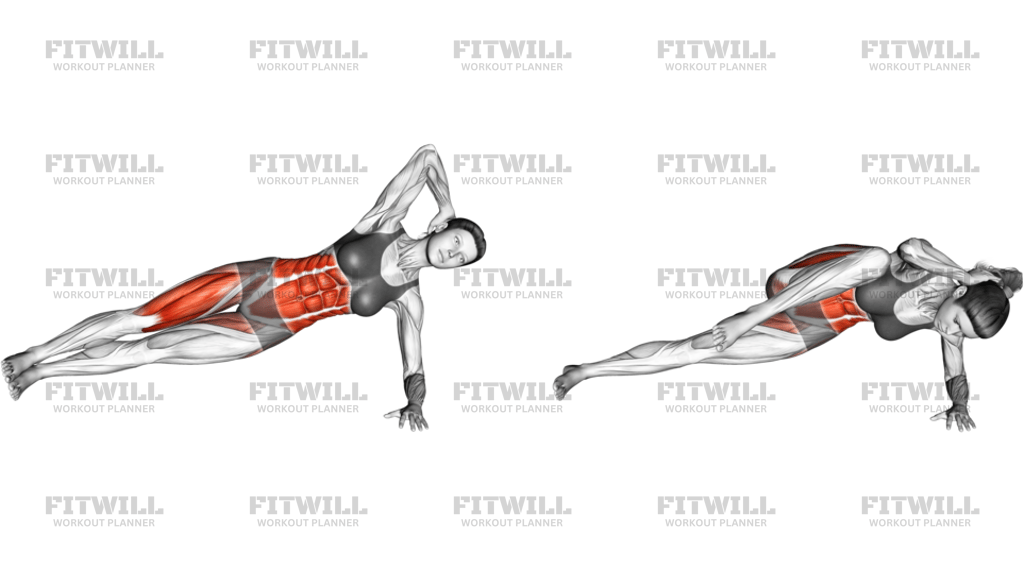
Elbow To Knee Side Plank Crunch is a body-weight side core exercise that combines a forearm side plank with a controlled knee-to-elbow crunch. It trains the waist, abs, hips, and shoulder stabilizers at the same time, so the movement is useful when you want the trunk to stay organized while the side body works through flexion and anti-rotation.
The exercise is especially effective when you want to challenge the obliques without turning the set into a sloppy twist. The support shoulder, outer hip, and glutes help hold the body in a long line, while the ribcage and pelvis close toward each other during the crunch. That mix makes Elbow To Knee Side Plank Crunch useful for core sessions, accessory blocks, and conditioning circuits that reward clean control more than brute force.
Setup matters because the forearm position and hip height decide whether the rep feels stable or wobbly. Stack the elbow under the shoulder, press the forearm firmly into the floor, and lift into a side plank before the crunch begins. If the top hand pulls on the neck or the hips sag as the knee comes in, the movement shifts away from the waist and into compensation.
A good rep starts from a strong side plank and finishes with the side body shortening under control. Bring the top knee and elbow toward each other by closing the space between the ribs and hips, then extend back out until the body is long again. Keep the neck relaxed, breathe steadily, and let the return phase stay slow enough that the support shoulder and trunk never lose position.
Use Elbow To Knee Side Plank Crunch when you want a straightforward body-weight core drill that exposes weak links quickly. It works well as a left-right alternating exercise, but each side should stay honest: if one side collapses sooner, shorten the range and build control before chasing more repetitions. The safest, most productive reps are the ones that keep the chest open, the hips lifted, and the crunch driven by the waist rather than by momentum.
[ Workout Log & Planner ]
Put your next workout in Fitwill
Keep your plan and training log ready when you are.


Instructions
- Lie on one side with your forearm on the floor and your elbow directly under your shoulder, then stack your legs or stagger your feet for balance.
- Press through the forearm and the outer edge of your bottom foot to lift into a side plank, keeping your body in one long line from head to heels.
- Place your top hand lightly behind your head or at your temple without pulling on the neck.
- Brace your ribs down and keep your chest open before the first crunch.
- Exhale as you bring your top knee and top elbow toward each other by tightening the side of your waist.
- Keep your hips lifted as you crunch so the movement stays in the trunk instead of collapsing through the shoulder.
- Pause briefly when the knee and elbow get as close as you can manage without twisting forward.
- Inhale as you extend back to the long side plank under control, then repeat for the planned reps before lowering your hips to the floor.
Tips & Tricks
- Keep the elbow under the shoulder; if it drifts forward, the support shoulder takes over and the plank gets shaky.
- Use staggered feet if stacked feet make you wobble before the crunch starts.
- Think about shortening the side of your waist, not throwing the knee upward.
- Let the knee travel toward the elbow without rolling the chest toward the floor.
- If your neck tightens, lighten the hand on your head or keep the top hand on your hip.
- A smaller, cleaner crunch is better than forcing the knee and elbow to touch.
- Slow the return to the side plank so the obliques keep working on the way down.
- If the hips dip, stop the set or reduce range before the shoulder starts collapsing.
- Alternate sides evenly so one stronger side does not hide a weaker support side.
Frequently Asked Questions
What does Elbow To Knee Side Plank Crunch work most?
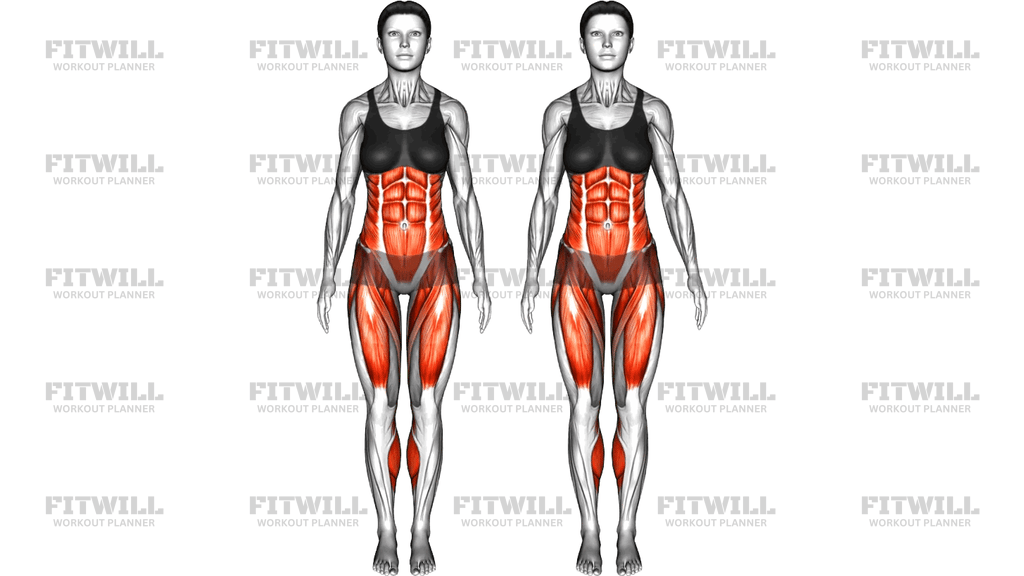
It hits the obliques and rectus abdominis most, with the hip flexors, glutes, and shoulder stabilizers helping hold the side plank.
Is Elbow To Knee Side Plank Crunch beginner-friendly?
Yes, if you keep the range small and use staggered feet. Beginners should build the side plank hold first before chasing a bigger crunch.
Should my elbow and knee actually touch?
Not necessarily. Closing the gap with control matters more than forcing contact, especially if contact makes the hips drop or the torso twist.
Why do my shoulders get tired before my abs?
The support shoulder is holding your body in a side plank, so some fatigue is normal. Keep the elbow directly under the shoulder and avoid letting the chest cave forward.
Should I keep my top hand behind my head?
You can, but the hand should stay light. If your neck feels pulled, move the hand to your hip or keep the arm reaching up instead.
What is the most common mistake in this exercise?
Letting the hips sag and using momentum to swing the knee. The crunch should come from the waist while the side plank stays stacked.
How can I make Elbow To Knee Side Plank Crunch harder?
Stack the feet, slow the lowering phase, and hold a brief pause at the top. You can also extend the top leg a little longer to increase the lever.
Can I use this exercise for core circuits?
Yes, it fits well in core circuits and accessory blocks because it trains anti-rotation, lateral support, and controlled flexion in the same rep.