Resistance Band Leg Curl
Resistance Band Leg Curl is a standing hamstring exercise that uses a band anchored under one foot and looped around the opposite ankle. It trains knee flexion against a smooth resistance curve, so the working leg has to curl the heel toward the glute without the hips drifting forward or the torso swinging to help the rep. That makes it a useful option when you want direct hamstring work with minimal equipment.
The exercise emphasizes the hamstrings, with the calves, glutes, and trunk acting as support to keep the body stacked and the pelvis quiet. Because the resistance comes from the band under the floor, the hardest part of the rep usually happens near the top of the curl, where the knee is most flexed and the hamstrings have to finish the motion under tension. The setup matters a lot here: if the band is too loose, too long, or the stance is unstable, the rep turns into a body-English movement instead of a clean knee curl.
A good repetition starts tall on the standing leg with the working knee straight and the band already under tension. Keep the thigh of the curling leg in line with the standing leg, then bend the knee and bring the heel back toward the glute in a smooth arc. The pelvis should stay level, the ribs should stay down, and the knee should point roughly toward the floor rather than flaring out. Lower the foot slowly until the leg is nearly straight again, but do not snap the band slack or let the weight drop.
This movement is a strong accessory for lower-body days, home workouts, warm-ups, and hamstring-focused finishers because it lets you load knee flexion without a machine. It also works well when you want unilateral work to expose side-to-side differences or when you need a joint-friendly alternative to heavier leg curls. Beginners can use it if they start with a light band and hold onto a wall or rack for balance, then progress by increasing band tension, slowing the lowering phase, or adding a brief squeeze at the top.
Treat the curl as a precision exercise, not a speed drill. The best reps feel controlled from the first inch of motion to the last inch of the return. If the standing hip shifts, the low back arches, or the torso starts pumping to finish the rep, the band is too heavy or the setup is too loose. Keep the motion compact, keep the heel path smooth, and let the hamstrings do the work.
Fitwill
Log Workouts, Track Progress & Build Strength.
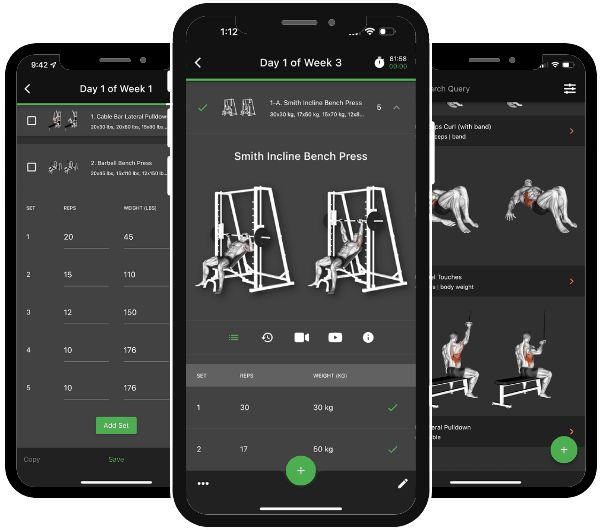
Achieve more with Fitwill: explore over 5000 exercises with images and videos, access built-in and custom workouts, perfect for both gym and home sessions, and see real results.
Start your journey. Download today!


Instructions
- Stand tall on one leg with the resistance band anchored under the standing foot and looped around the ankle of the working leg.
- Set the working foot slightly behind you so the band is already lightly tensioned before the first rep.
- Hold a wall, rack, or other support if you need help staying balanced without leaning your torso.
- Keep your hips square, ribs down, and standing knee soft but stable.
- Exhale and bend the working knee, curling the heel back toward your glute in a smooth arc.
- Keep the thigh of the working leg pointed down instead of letting it swing behind your hip.
- Squeeze the hamstring at the top for a brief pause without arching your low back.
- Inhale and lower the foot under control until the leg is almost straight again.
- Reset your posture before the next rep and repeat for the planned set.
Tips & Tricks
- If the band snaps your foot backward on the return, shorten the range slightly and slow the lowering phase.
- A light hand on a wall can keep the pelvis from rotating and lets the hamstrings do the lifting.
- Keep the knee pointing toward the floor as you curl; letting it drift outward usually shifts work away from the hamstrings.
- The top squeeze should come from knee flexion, not from arching the low back or kicking the thigh behind you.
- Choose a band that lets you finish every rep without the standing heel rolling inward or the torso tipping forward.
- Think about pulling the heel to the glute, not pushing the knee up, so the motion stays in the hamstring pattern.
- A slower eccentric makes this exercise much harder and usually improves hamstring tension more than adding a stronger band.
- If balance is the limiting factor, keep the reps clean and stop the set before you start hopping on the support leg.
Frequently Asked Questions
What muscles does the Resistance Band Leg Curl train most?
The hamstrings do most of the work, with the calves, glutes, and core helping you stay stacked and balanced.
Is the working leg supposed to stay straight at the start?
Yes. Start with the knee almost fully extended and the band already under light tension, then curl from there.
Do I need a wall or support to do this properly?
Not always, but a light hand on a wall or rack can help if your balance makes the curl sloppy.
Where should the band sit during the exercise?
One end should stay anchored under the standing foot, and the other end should sit securely around the ankle of the working leg.
Why do I feel the band more near the top of the rep?
That is normal, because the hamstrings are finishing the curl against the band when the knee is most bent.
What is the most common mistake with this movement?
People usually swing the torso, flare the working thigh behind the body, or rush the lowering phase to cheat the rep.
Can beginners use the resistance band leg curl?
Yes. Start with a light band, keep the range short and controlled, and use support if balance is an issue.
How do I make this exercise harder without changing the movement?
Use a stronger band, pause longer at the top, or slow the lowering phase while keeping the same standing position.