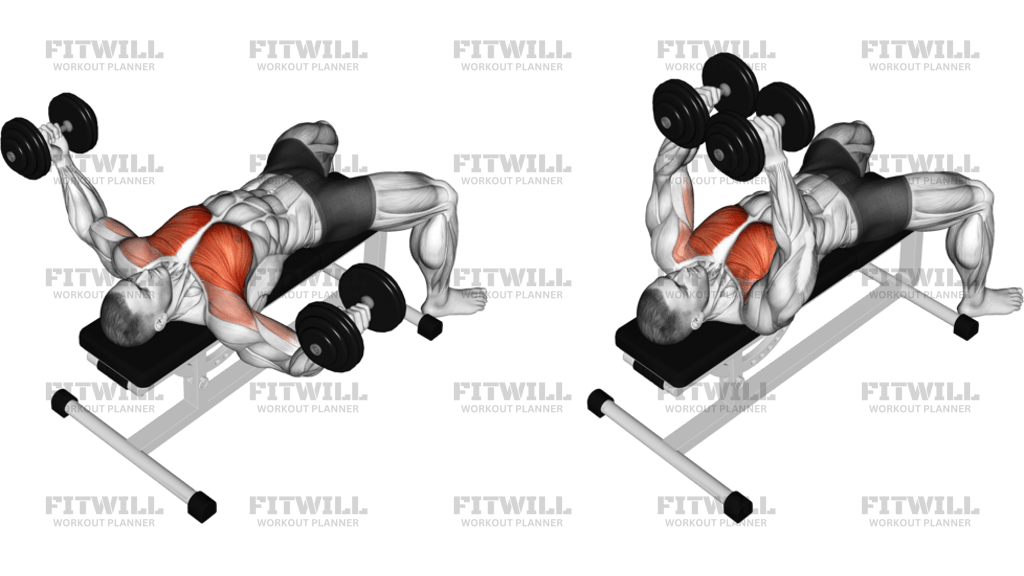
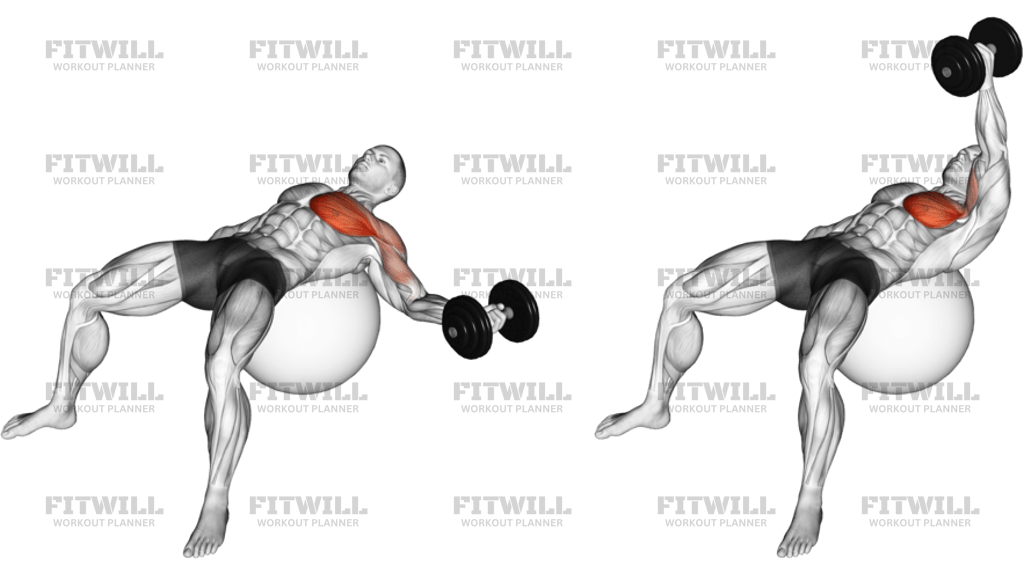
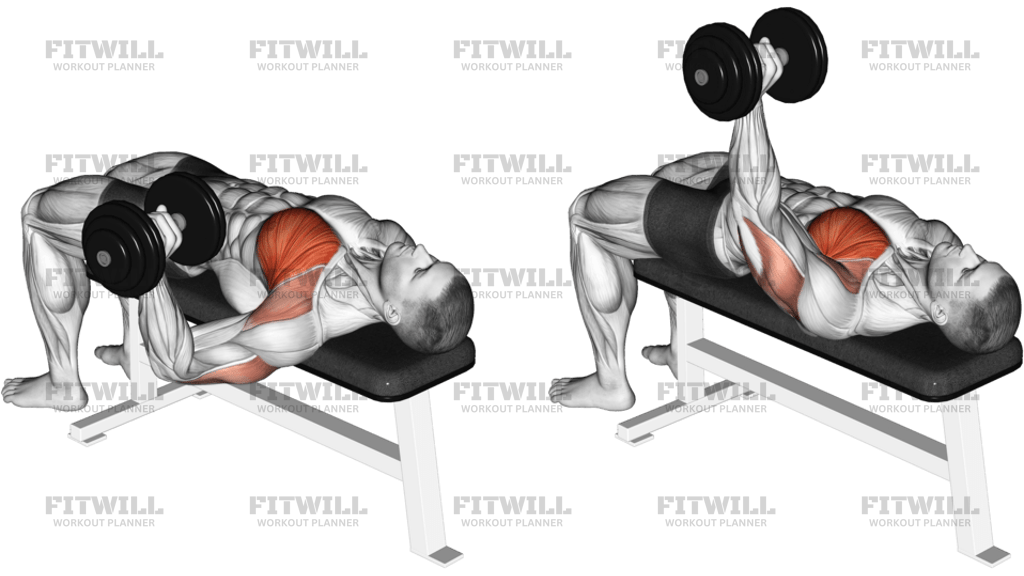
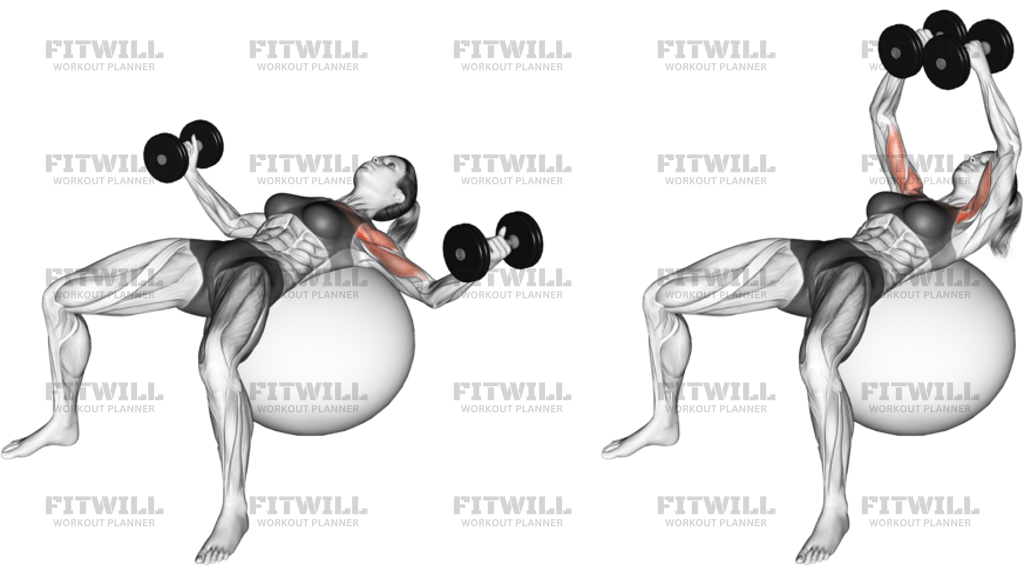
Dumbbell One-Arm Low Fly Right Side
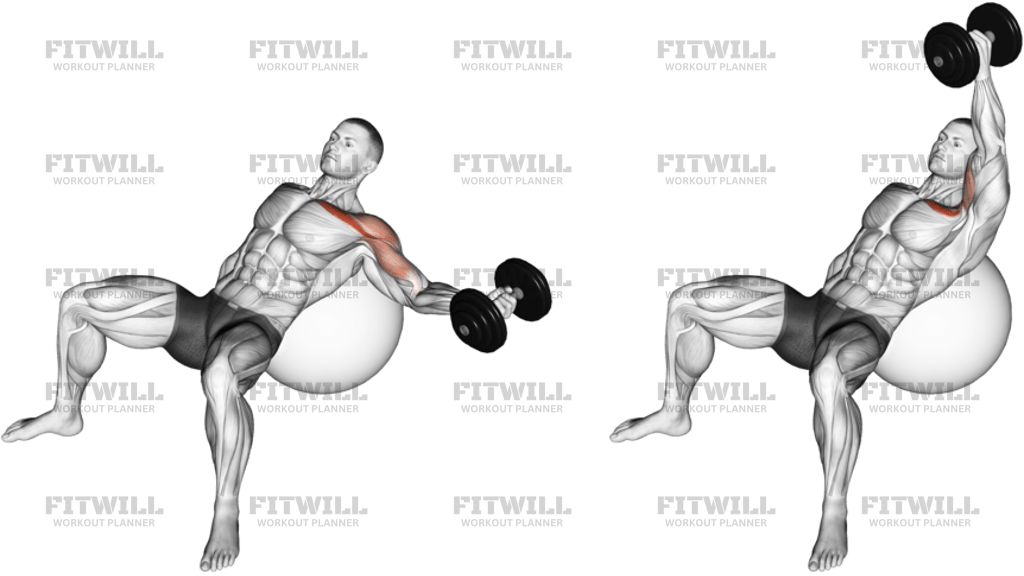
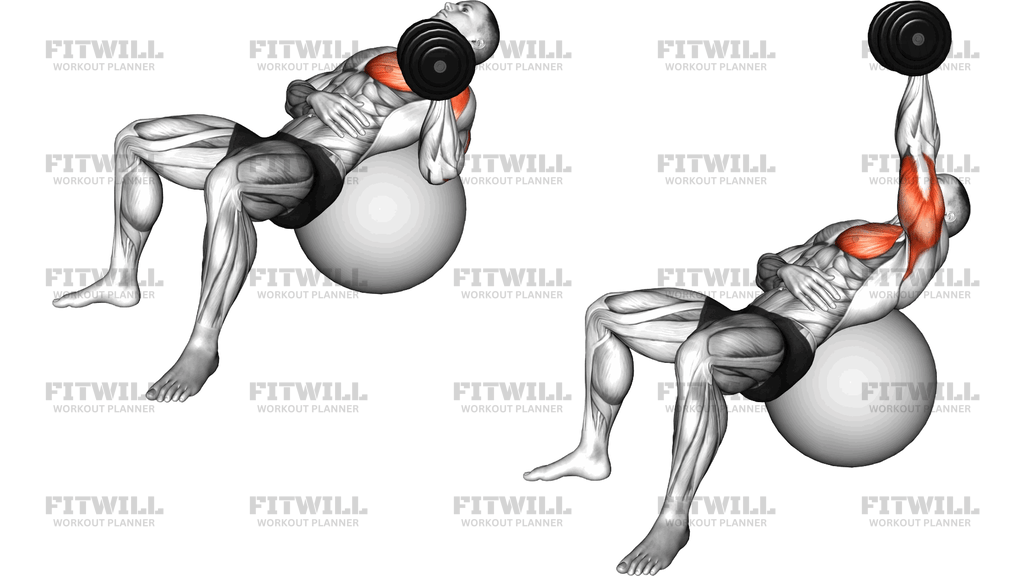
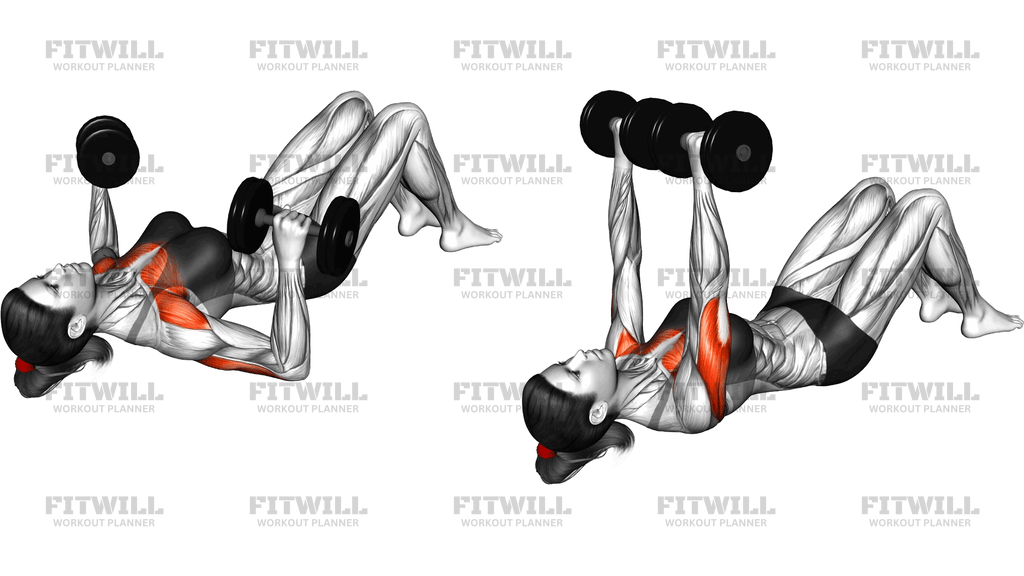
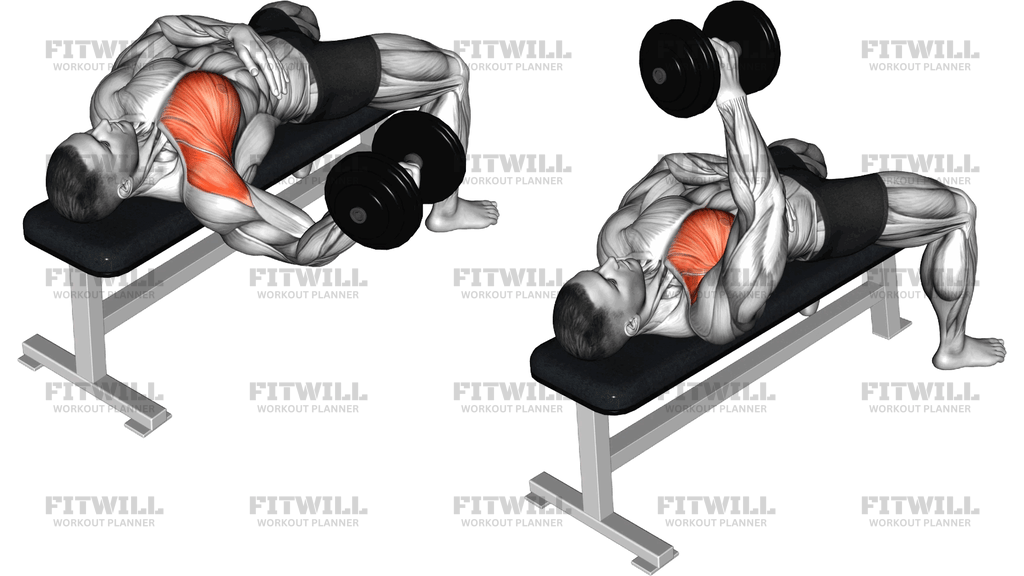
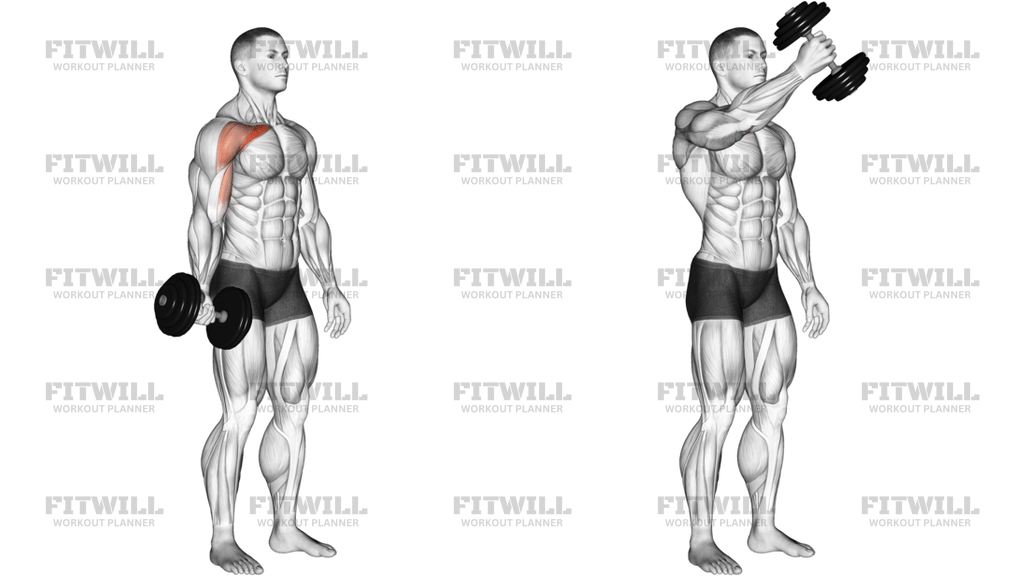
Dumbbell One-Arm Low Fly Right Side is a standing single-arm chest isolation movement that drives the dumbbell from a low position near the right thigh to a high diagonal line in front of the body. The motion is small enough to stay controlled, but demanding enough that the chest, front shoulder, and triceps all have to coordinate while the torso resists twisting. It is especially useful when you want focused pec work without the heavier joint stress that can come from pressing.
The setup matters because the exercise is built around a long lever and a one-sided load. Standing tall with the feet planted and the ribs stacked over the pelvis keeps the right shoulder doing the work instead of the lower back or hips helping with momentum. The lift starts from the side of the body, then travels upward and inward in a smooth arc, which should feel like the chest is closing the arm across a diagonal path rather than yanking the weight straight up.
Dumbbell One-Arm Low Fly Right Side is most effective when the elbow stays softly bent and nearly fixed throughout the rep. That slight bend protects the joint and keeps the load on the chest and front shoulder instead of turning the movement into a front raise. At the top, the hand should finish in front of the shoulder or upper chest with the shoulder still down, not shrugged toward the ear, and the wrist staying aligned with the forearm.
Because this is a unilateral movement, the right side also has to fight rotation. The core, obliques, and upper back stabilize the body so the working arm can move cleanly without the torso leaning away from the load. That makes the exercise useful in accessory chest work, shoulder-focused sessions, and upper-body plans that need better side-to-side control.
Use a light to moderate dumbbell and own the lowering phase. The return path should mirror the lift, ending with the arm near the right thigh and tension still under control rather than dropping freely. If the shoulder feels pinchy, shorten the range, keep the palm slightly turned in, and stop the set before the body starts cheating the rep.
[ Workout Log & Planner ]
Put your next workout in Fitwill
Keep your plan and training log ready when you are.


Instructions
- Stand tall with your feet about hip-width apart and hold a dumbbell in your right hand beside your right thigh.
- Keep your left arm relaxed at your side, soften the right elbow slightly, and set your shoulder down away from your ear.
- Brace your midsection so your ribs stay stacked over your pelvis and your torso does not lean or rotate.
- Begin the rep by sweeping the dumbbell forward and upward in a diagonal arc across the front of your body.
- Keep the elbow angle nearly fixed as the weight rises, and stop the lift when the hand reaches about upper-chest to shoulder height.
- Squeeze the chest and front shoulder briefly at the top without shrugging the right shoulder upward.
- Lower the dumbbell along the same diagonal path back toward your right thigh under control.
- Inhale as you lower and exhale as you lift, keeping the movement smooth rather than jerky.
- Finish the set by returning the dumbbell to the start position and resetting your posture before the next rep.
Tips & Tricks
- A slight bend in the right elbow should stay almost unchanged from bottom to top; turning it into a press changes the exercise.
- Keep the dumbbell path diagonal, not straight in front of the body, so the chest stays involved instead of the lift becoming a pure front raise.
- Let the right shoulder blade stay controlled and down; shrugging at the top usually shifts tension into the upper trap.
- If your torso twists toward the dumbbell, the load is too heavy or the arc is too aggressive.
- Use a lighter weight than you would for a press, because the long lever makes this movement feel harder than it looks.
- Finish the rep at shoulder or upper-chest height rather than forcing the hand overhead.
- A neutral or slightly thumb-up hand position often feels better on the shoulder than aggressively turning the palm down.
- Lower the dumbbell slowly so the bottom half of the rep does not disappear into momentum.
- Stop if the front of the shoulder pinches; reduce range and keep the arm a little farther from the midline.
Frequently Asked Questions
What does Dumbbell One-Arm Low Fly Right Side target most?
It primarily targets the chest, especially the pecs, while the front shoulder and triceps help stabilize and guide the lift.
Is Dumbbell One-Arm Low Fly Right Side more of a chest exercise or a shoulder exercise?
It is mainly a chest movement, but the front shoulder works hard because the arm travels in a diagonal raise. The farther forward and higher you lift, the more the shoulder tends to contribute.
How heavy should the dumbbell be for Dumbbell One-Arm Low Fly Right Side?
Choose a light to moderate weight that lets you keep the elbow angle fixed and the torso still. If the rep turns into a swing, the load is too heavy.
Why is the movement only on the right side?
The right-side version lets you focus on one arm at a time and forces the torso to resist rotation. That makes it useful for control, symmetry, and cleaner chest engagement.
How high should I raise the dumbbell?
Bring it to about shoulder or upper-chest height. Going much higher usually adds shoulder shrugging without giving the chest extra benefit.
What should my elbow do during Dumbbell One-Arm Low Fly Right Side?
Keep a soft bend in the elbow and hold that angle nearly the same throughout the rep. If the elbow keeps flexing and extending, the movement loses its fly pattern.
Can beginners do Dumbbell One-Arm Low Fly Right Side?
Yes, but start very light and keep the range short at first. Beginners usually do better when they master the diagonal path before adding more load.
What should I do if my shoulder feels pinchy?
Shorten the range, keep the palm slightly turned in, and lower the load. Pain at the front of the shoulder usually means the arm is going too high or the weight is too heavy.