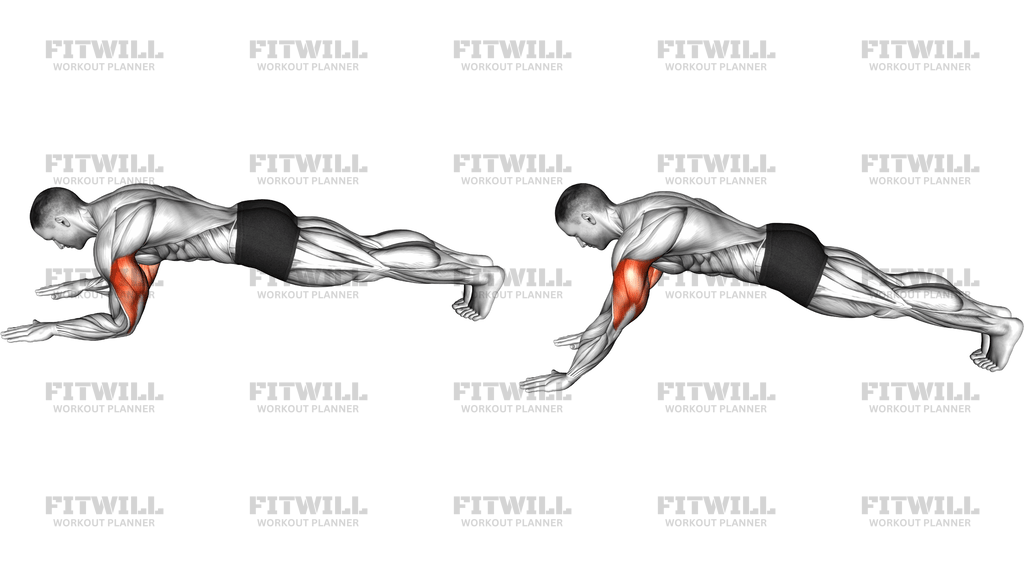
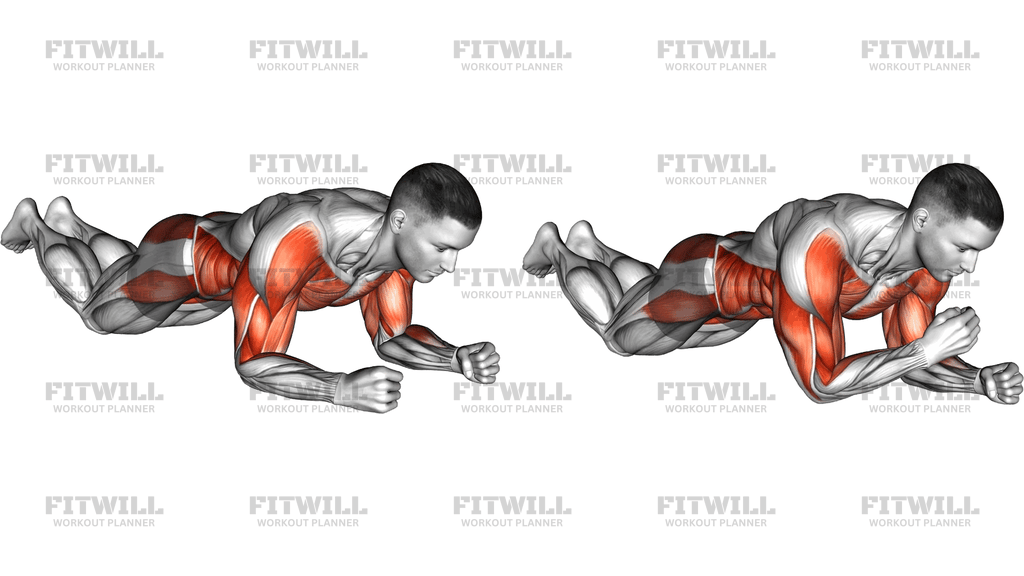
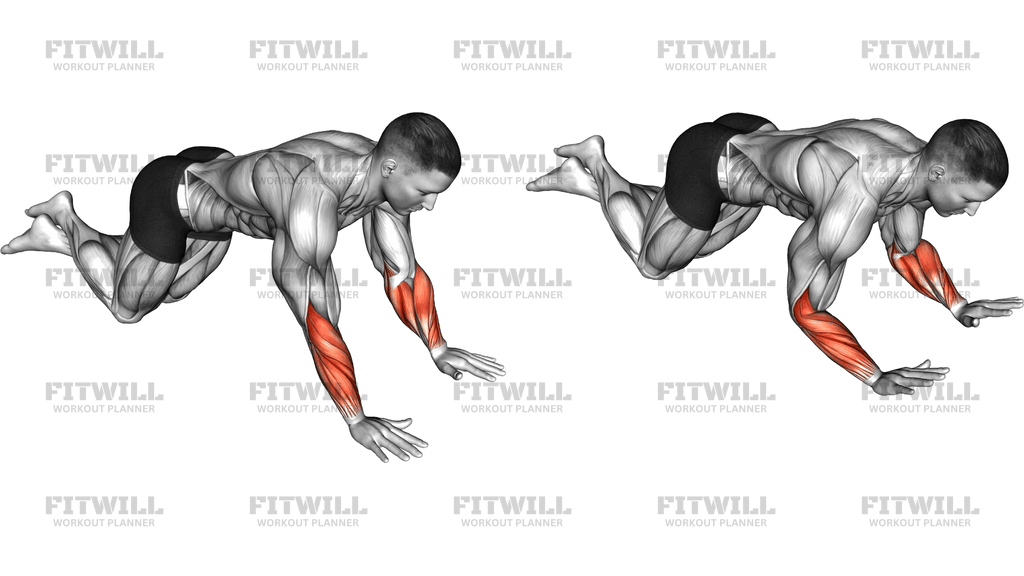
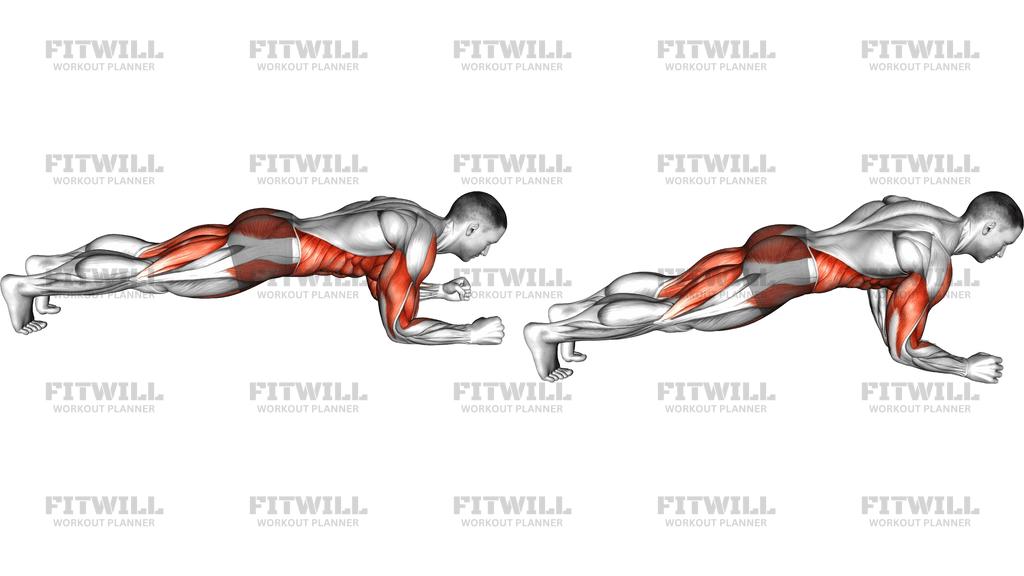
Side Wrist Pull Stretch
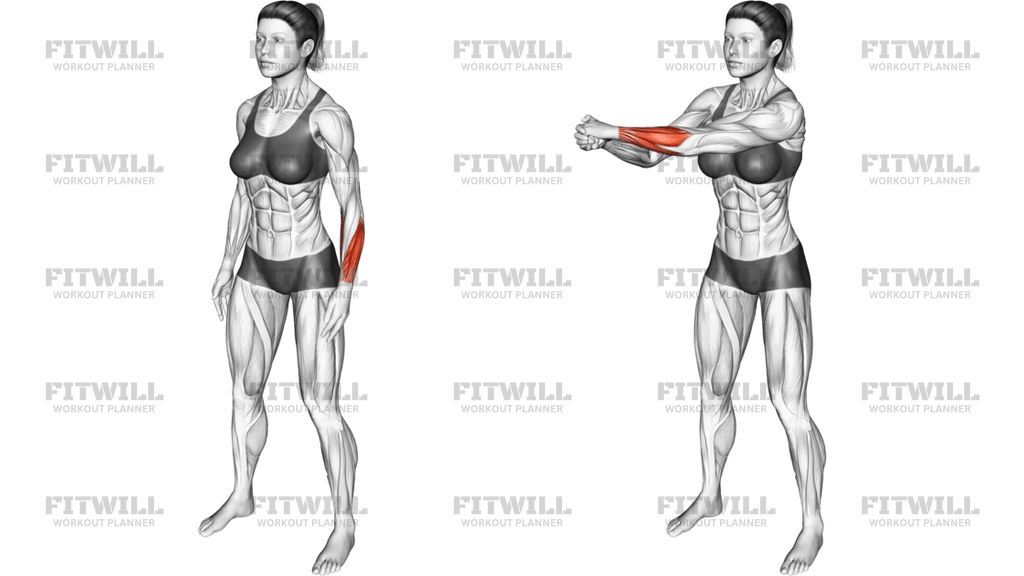
Side Wrist Pull Stretch is a standing forearm stretch that lengthens the wrist and forearm tissues while the shoulder and upper arm stay quiet. It is most useful when the forearms feel tight from pressing, pulling, gripping, climbing, racket sports, or long periods of keyboard work. The movement is small, but the setup matters because the angle of the arm, the direction of the pull, and the amount of shoulder relaxation all change where the stretch is felt.
The working side is usually held straight in front of the body at shoulder height while the opposite hand gently draws the fingers or hand inward. That creates a long line through the forearm instead of cranking on the wrist joint itself. Side Wrist Pull Stretch should feel like a steady pull through the forearm muscles, not a sharp pinch in the wrist or elbow.
This stretch is easy to rush, especially if you are trying to force a bigger range than the forearm is ready for. Keep the chest tall, ribs stacked, and shoulder blade down so the arm stays extended without shrugging. If the elbow bends or the shoulder hikes up, the tension shifts away from the forearm and the stretch becomes less useful.
Use Side Wrist Pull Stretch before training when you want a mild opening effect, or after training when the forearms are already warm and easier to relax. It is also a practical reset between sets for athletes who rely on grip strength. Because the position is controlled and low load, beginners can use it safely as long as they stay in a comfortable range and keep the pull gentle.
The best version of Side Wrist Pull Stretch is calm and repeatable. Breathe out as you settle into the hold, keep the hand relaxed, and release gradually instead of snapping out of the position. If the stretch turns into tingling, joint pain, or numbness, back off immediately and shorten the range.
[ Workout Log & Planner ]
Put your next workout in Fitwill
Keep your plan and training log ready when you are.


Instructions
- Stand tall with your feet about hip-width apart and relax your shoulders.
- Extend one arm straight in front of your chest at shoulder height.
- Keep the stretching elbow straight and let the palm face down or slightly inward.
- Reach the working hand slightly across your body so the forearm stays long.
- Use the opposite hand to hold the fingers or the back of the hand.
- Gently pull the hand inward until you feel a steady stretch through the forearm.
- Keep the shoulder blade down and the chest open instead of shrugging.
- Hold the position while breathing slowly and evenly for 15 to 30 seconds.
- Release the pull under control, reset the arm, and repeat on the other side.
Tips & Tricks
- Keep the elbow straight; bending it moves the stretch away from the forearm.
- Pull through the fingers or hand, not by twisting the wrist aggressively.
- If the stretch lands in the wrist joint, lower the pull and soften the angle.
- A slightly turned-down palm usually emphasizes the outer forearm more clearly.
- Keep the shoulder from creeping up toward the ear during the hold.
- Use a lighter pull after heavy gripping work, especially deadlifts or rows.
- Exhale as you settle into the stretch to reduce unnecessary tension.
- Shorter holds are enough for a warm-up; longer holds fit better after training.
- Stop if you feel tingling, numbness, or a sharp tug near the elbow.
Frequently Asked Questions
What does Side Wrist Pull Stretch target?
It mainly targets the forearm muscles around the wrist, especially the tissues that get tight from gripping and pressing.
Can beginners perform this exercise?
Yes. Keep the pull gentle, hold the arm straight, and stop well before the stretch turns into joint pain.
Should my elbow stay straight in Side Wrist Pull Stretch?
Yes, a straight elbow keeps the line of tension through the forearm. A bent elbow shortens the stretch and changes where you feel it.
Where should I feel the stretch?
You should feel it through the forearm and near the wrist, not as a pinch in the joint. If the wrist itself hurts, reduce the pull.
Is Side Wrist Pull Stretch better before or after training?
Both can work. Use shorter holds before workouts and longer holds after sessions that involve a lot of gripping or pressing.
Why is my shoulder getting involved?
The shoulder is probably shrugging or reaching too hard. Keep the shoulder blade down and let the opposite hand do the pulling.
Can I use this if my forearms are tight from lifting?
Yes, it is a common reset after rows, pull-ups, deadlifts, curls, or heavy carries when the forearms feel overworked.
What if I feel tingling in my hand?
Back off immediately. Tingling or numbness means the stretch is too aggressive or the nerve is being irritated.