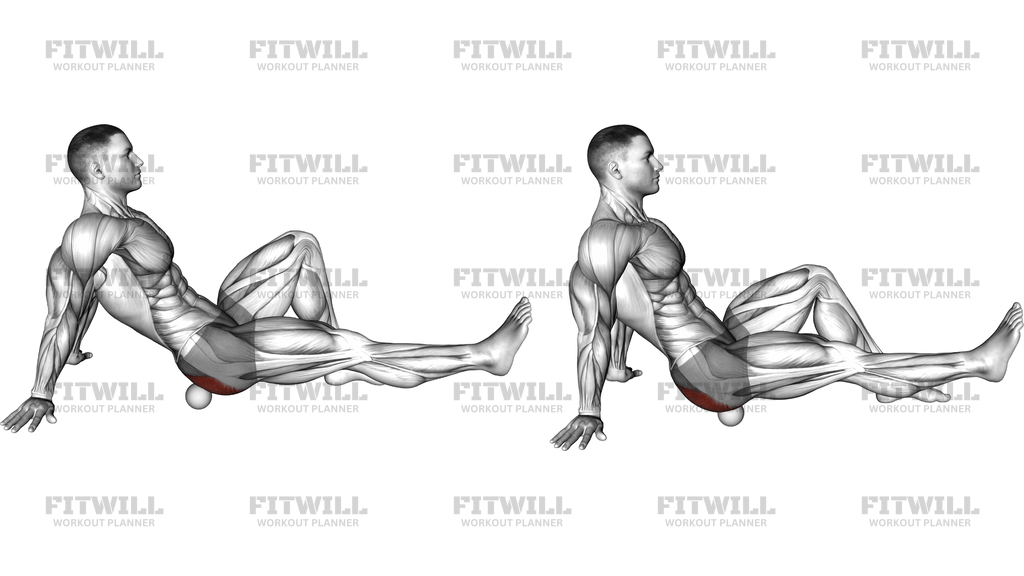
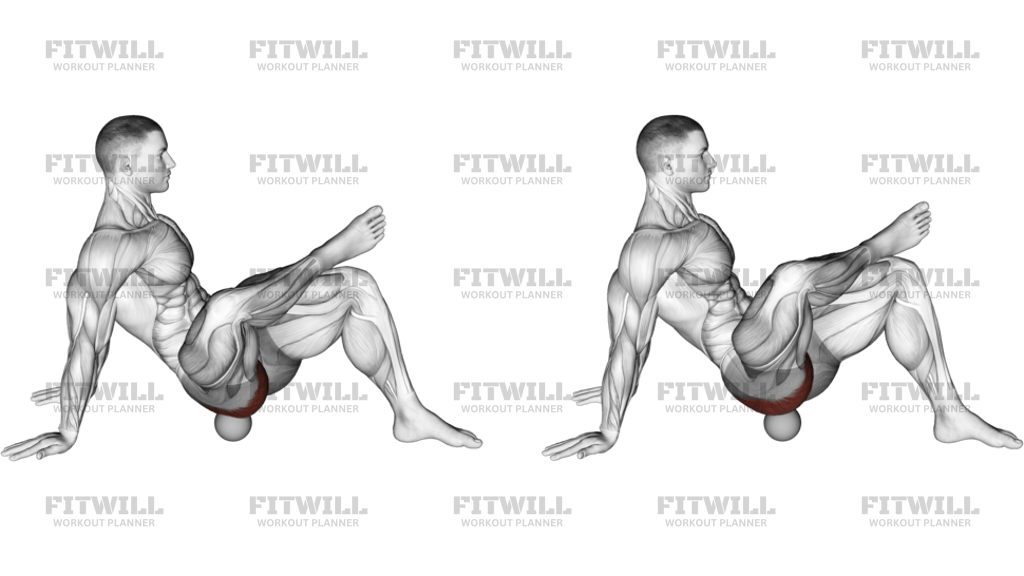
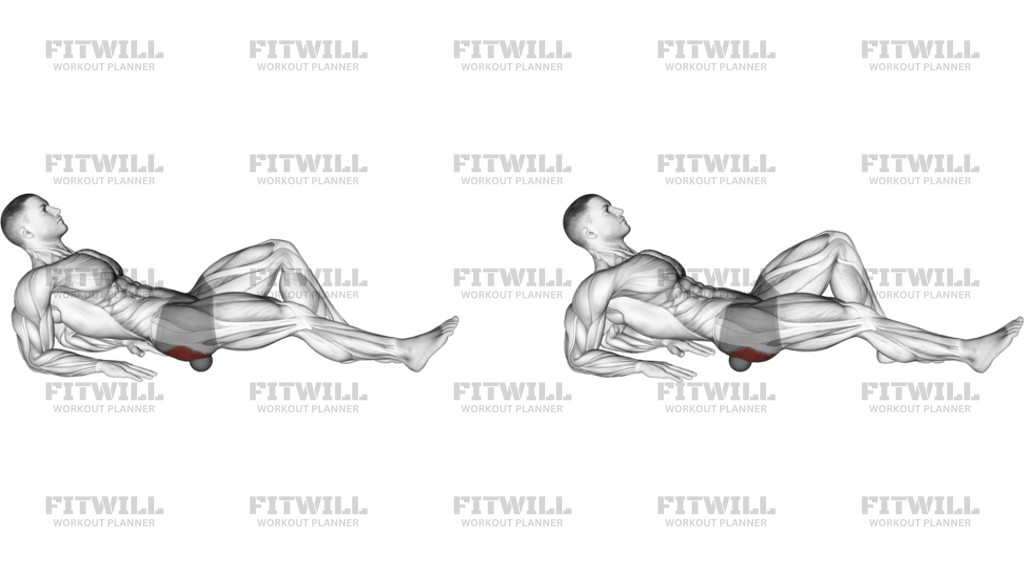
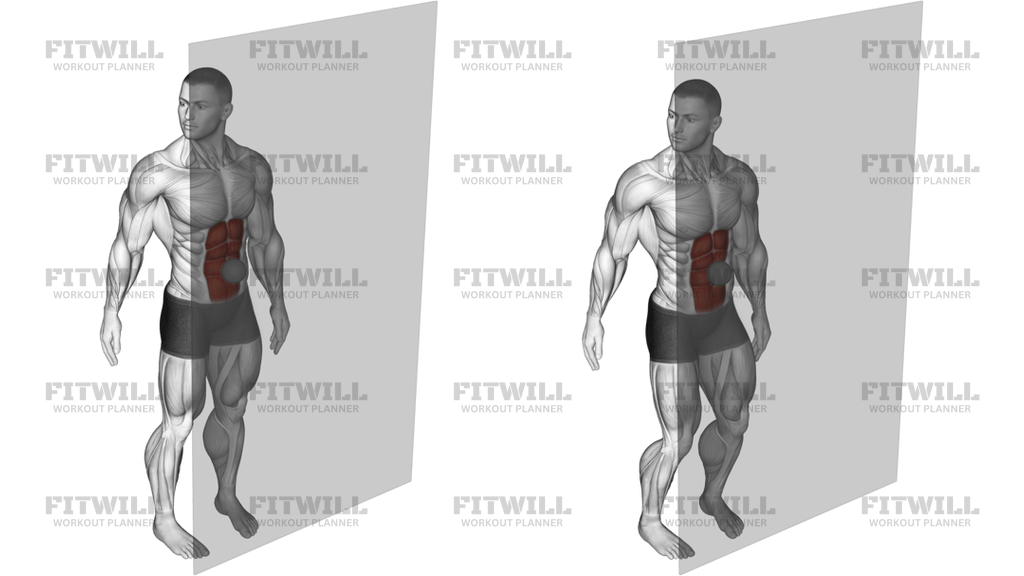
Roll Ball Foot
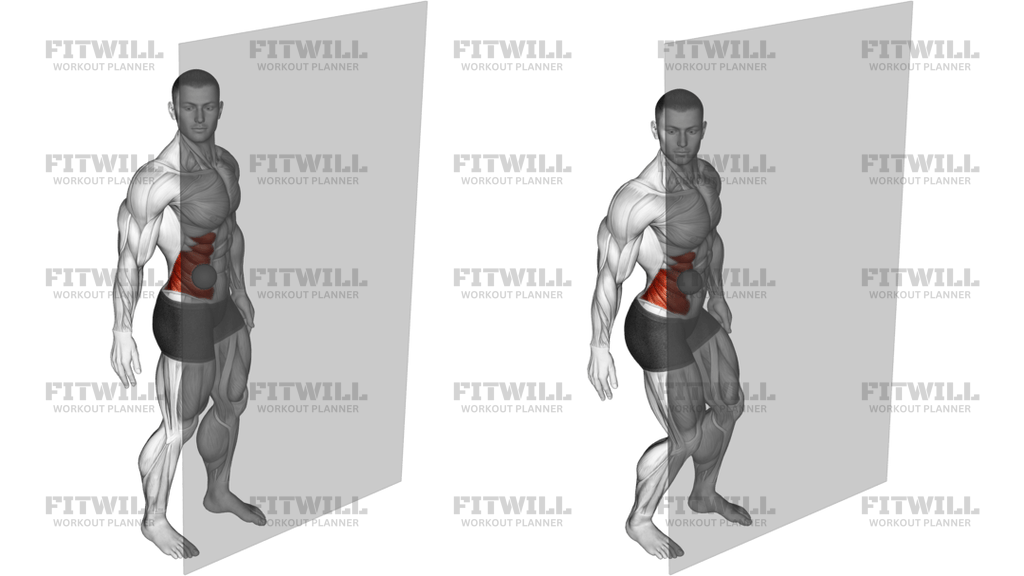
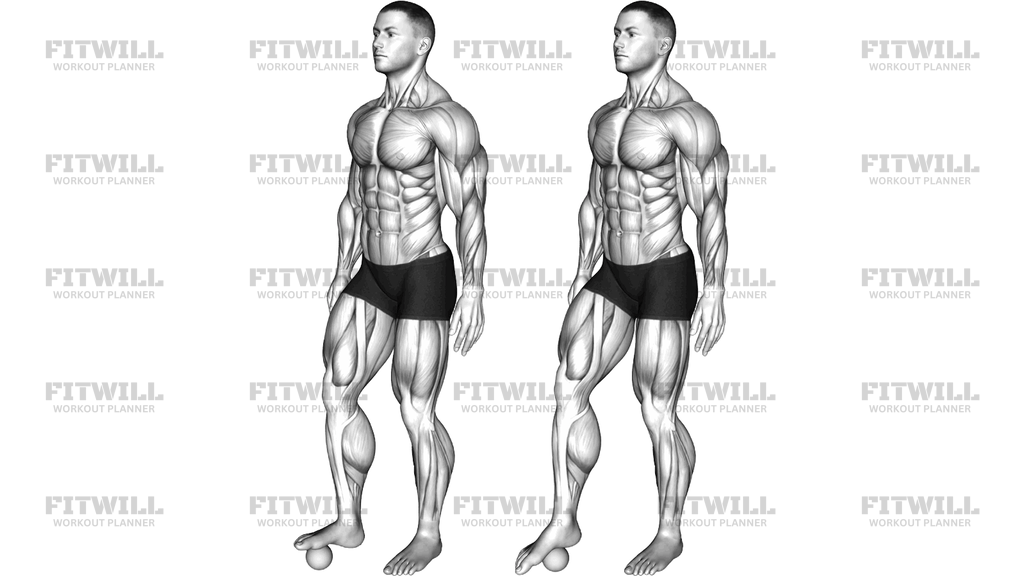
Roll Ball Foot is a standing foot mobility drill that uses a small ball under the sole to loosen the arch, wake up the toes, and improve awareness through the foot and ankle. It is especially useful before walking, running, jumping, or lower-body lifting, when the sole of the foot feels stiff and you want a controlled way to get it moving without forcing a big stretch.
The setup matters because the ball gives you a very small contact point. Stand tall, place one foot on the ball, and keep the other foot planted so you can balance without collapsing into the working side. The goal is to feel steady pressure through the arch and forefoot, not to press so hard that the toes curl or the ankle wobbles inward.
As you move, roll the sole slowly over the ball so it travels from the heel pad into the arch and toward the base of the toes. Keep the pressure smooth and even, and let the foot glide rather than stamp down. If you find a tight or tender spot, pause there for a breath, then continue with a smaller range until the tissue relaxes enough to let the ball move again.
Roll Ball Foot works well as a warm-up, recovery drill, or accessory between lower-body sets. It can help people who spend a lot of time standing, wearing stiff shoes, or training with a lot of impact. The best reps are quiet and deliberate: the foot stays organized, the ankle stays stacked, and the pressure stays high enough to be useful but low enough to stay comfortable.
For some lifters, the value of this drill is in how quickly it reveals side-to-side differences. One foot may feel smooth while the other feels cramped, flattened, or overly sensitive under the arch. That feedback is useful, because it helps you notice where you need more attention before you move on to heavier work.
This is not a movement that benefits from speed or brute force. A slower pass often tells you more about what is happening in the arch than a hard grind ever will. If your toes cramp, your heel pinches, or your balance disappears, back off the pressure and use a fingertip on a wall or rack for support while you keep the foot rolling cleanly.
[ Workout Log & Planner ]
Put your next workout in Fitwill
Keep your plan and training log ready when you are.


Instructions
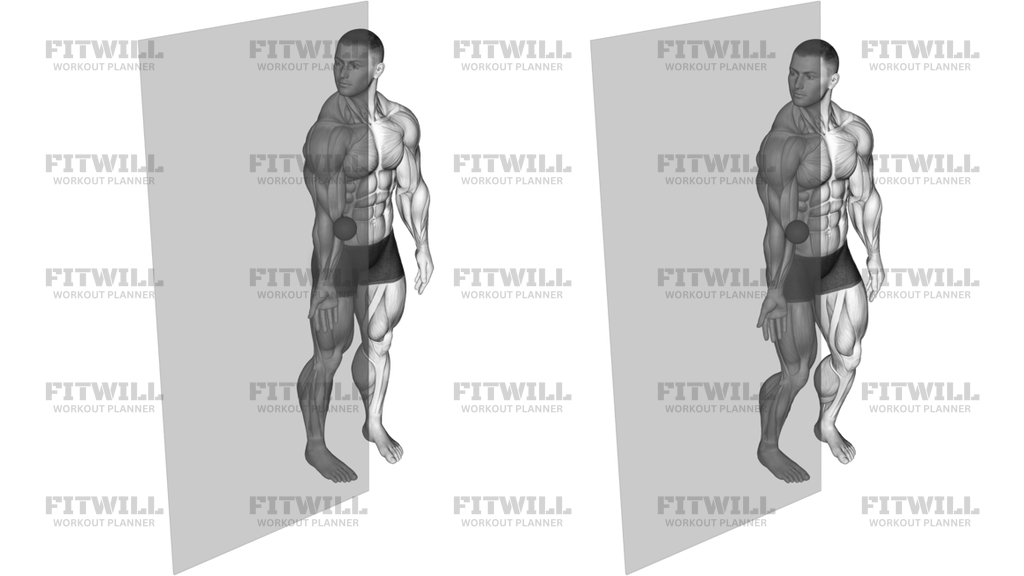
- Stand near a wall or rack for balance and place one foot on the rollball with the ball under the arch or forefoot.
- Keep the opposite foot flat on the floor and bend the working knee slightly so you can control how much bodyweight goes into the ball.
- Stack the ankle over the ball and shift just enough pressure onto the working foot to feel the sole contact without wobbling.
- Roll the foot slowly forward and back so the ball travels from the heel pad into the arch and toward the base of the toes.
- Pause on any tight spot for one breath, then ease the pressure and keep the motion smooth.
- Let the toes lengthen on the forward pass instead of gripping the floor or curling around the ball.
- Keep the knee tracking over the second toe so the arch does not collapse inward as you roll.
- After the set, step off the ball carefully and switch to the other foot.
Tips & Tricks
- Use a softer ball or less bodyweight if the contact feels bruising instead of relieving.
- Barefoot or thin socks usually give better feedback than thick training shoes.
- If the toes start clawing, reduce pressure and slow the pass so the arch can stay relaxed.
- A fingertip on a wall is enough support; you do not need to hang on for dear life.
- Spend extra time on the inner arch if it feels tight after running, jumping, or long shifts on your feet.
- Keep the motion quiet. If the ball is thumping against the floor, you are moving too fast.
- Do not force the heel to stay loaded if the pressure is meant for the forefoot or arch.
- Stop the set if you feel sharp heel pain, numbness, or tingling instead of normal pressure.
- Use slower passes before training and slightly longer holds after training when the foot is already warm.
- Switch feet before the working side feels crampy so the release stays controlled.
Frequently Asked Questions
What does Roll Ball Foot work?
It mainly targets the foot itself, especially the arch and the small muscles that support the sole, with the ankle helping to keep the motion controlled.
Is Roll Ball Foot a stretch or a massage?
It is mostly a mobility and soft-tissue drill. It can feel like a gentle massage for the sole while also encouraging the foot to move through a fuller range.
Where should the ball sit under my foot?
Start under the arch or forefoot, then roll it along the sole instead of parking it in one spot. The exact pressure point should feel useful, not sharp.
Can beginners do Roll Ball Foot?
Yes. Beginners should use light pressure, slow passes, and a wall or rack for balance until the foot can stay relaxed on the ball.
Why do my toes cramp during Roll Ball Foot?
Toe cramping usually means you are gripping the floor or pressing too hard. Ease the pressure, slow down, and let the toes stay long instead of clawing.
Should I do this barefoot?
Barefoot or in thin socks usually works best because you can feel the ball and control pressure more accurately. Thick shoes tend to hide the contact point.
Can I use Roll Ball Foot before running?
Yes. A few slow passes can wake up the sole and make the foot feel more organized before impact work, especially if your feet feel stiff.
How hard should I press into the ball?
Use enough pressure to feel the ball working through the arch, but not so much that you lose balance or start wincing. The movement should stay smooth and controlled.
What if my heel hurts instead of my arch?
Back off the pressure and shorten the range. If the heel pain is sharp rather than just tender, stop and reassess the setup before continuing.