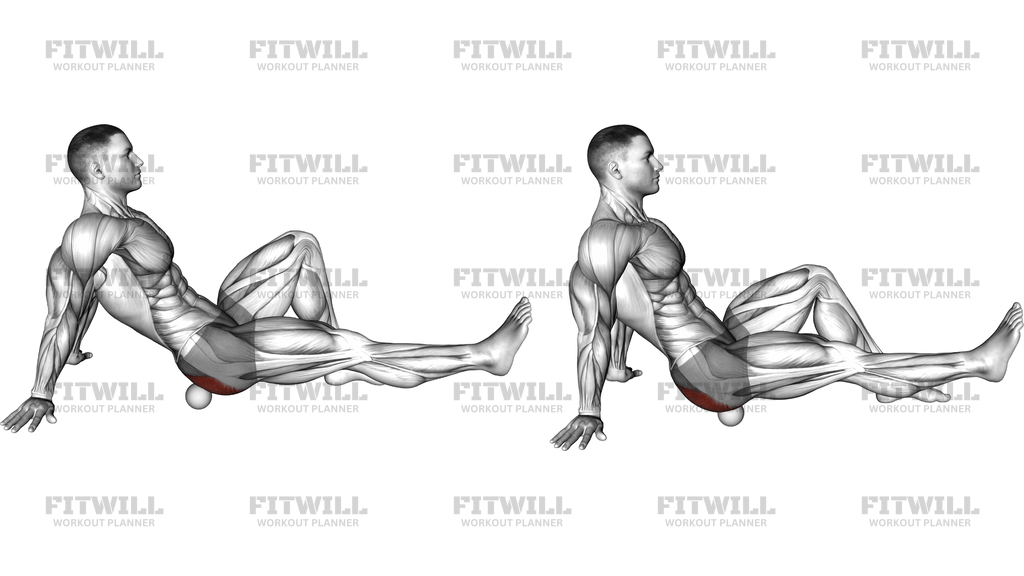
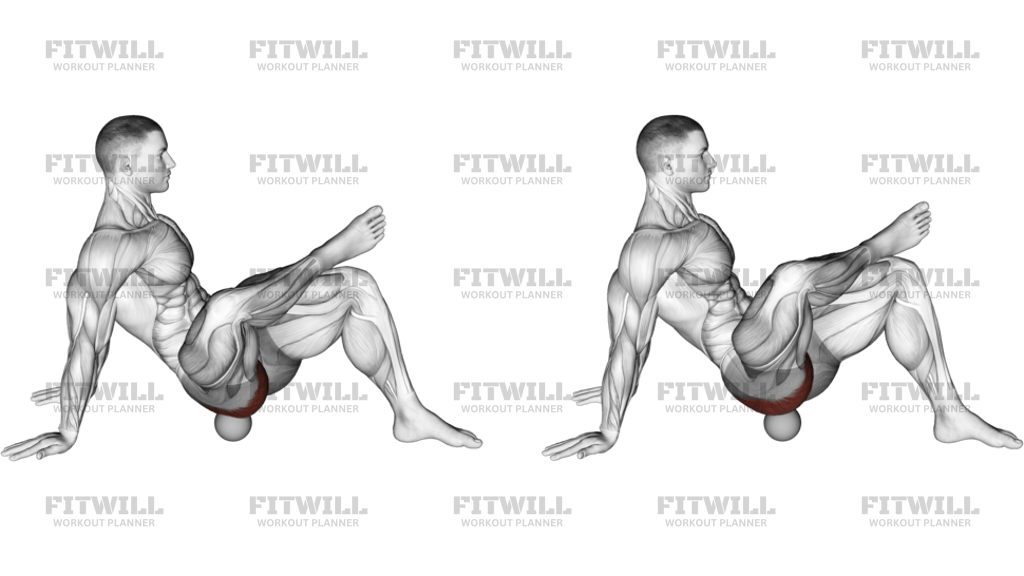
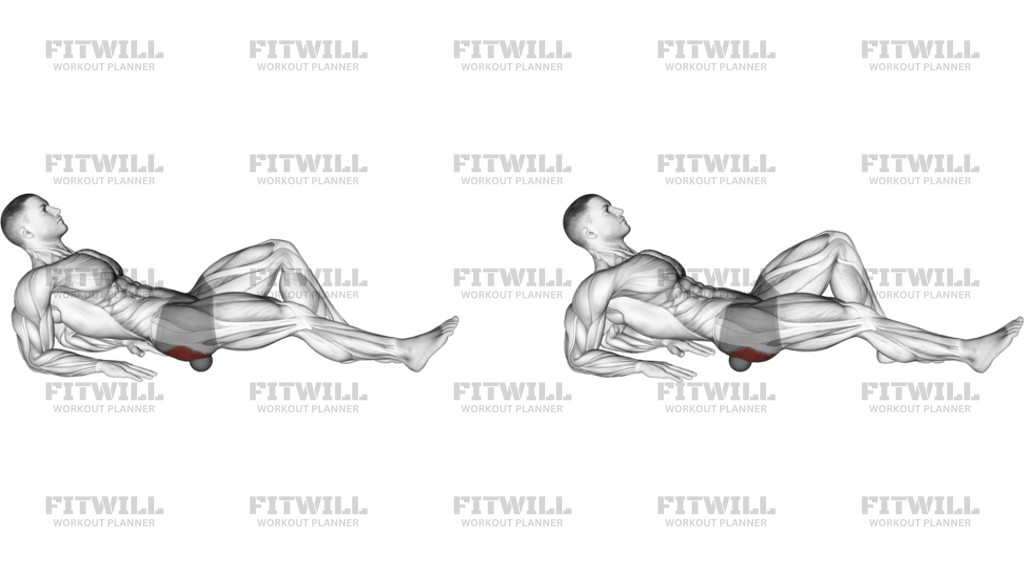
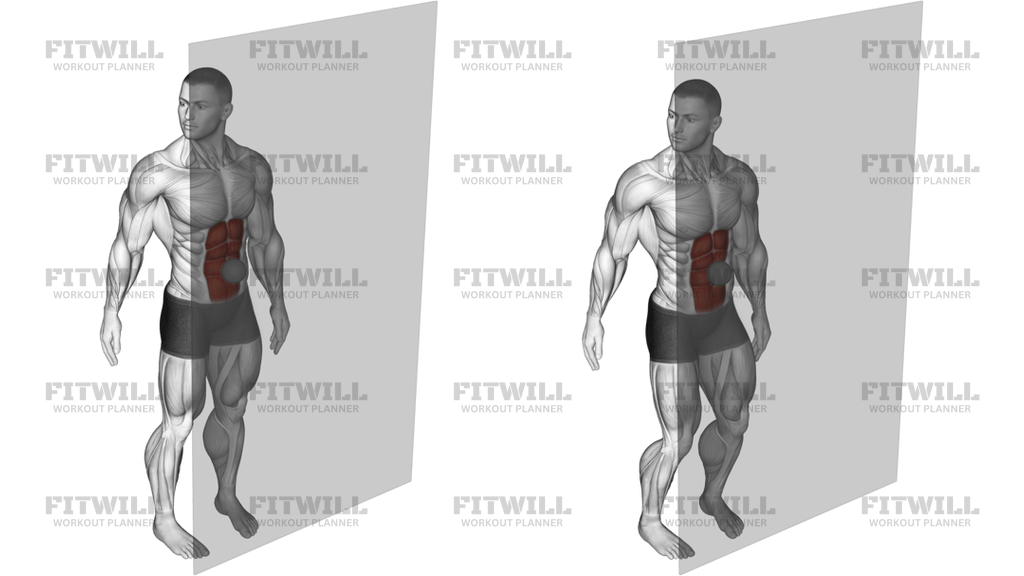
Roll Ball Pectoralis Major Clavicular
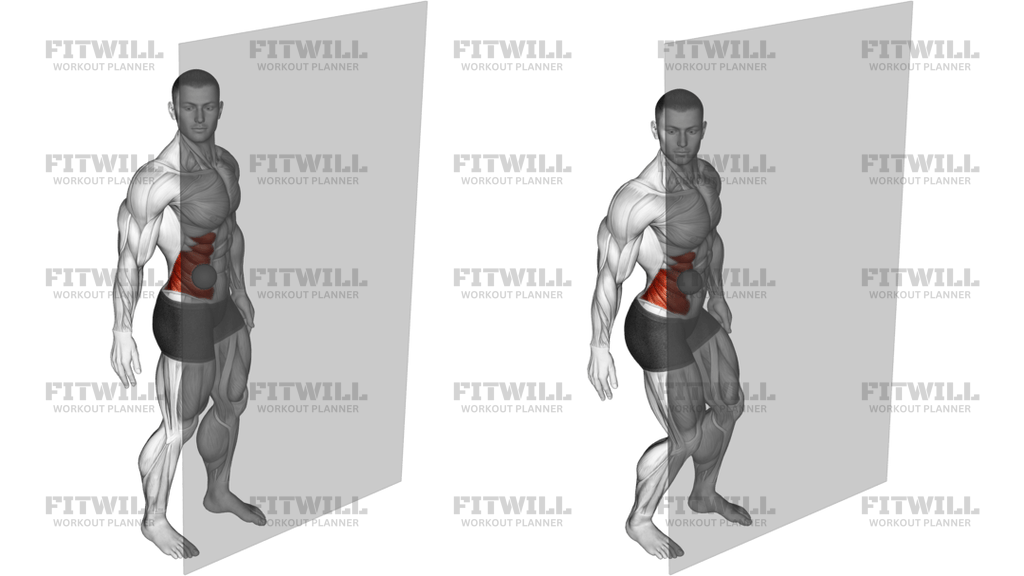
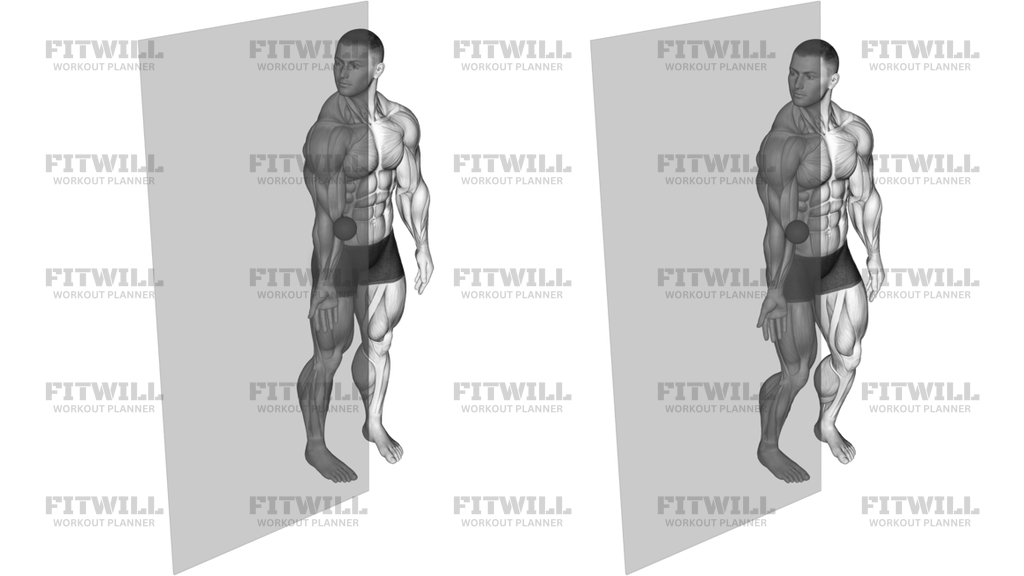
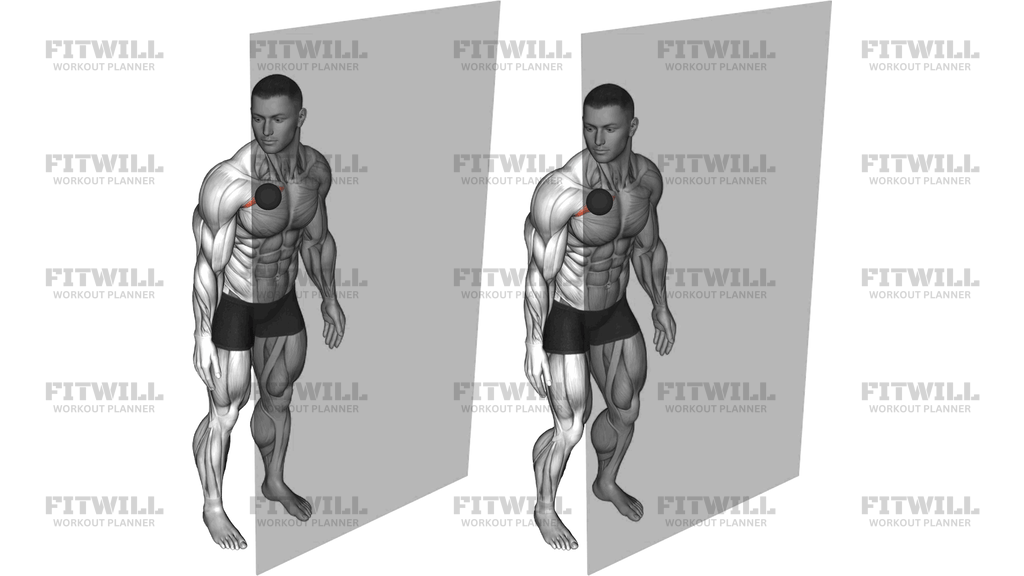
Roll Ball Pectoralis Major Clavicular is a wall-supported chest release and mobility drill for the upper portion of the pectoralis major near the collarbone. It uses a small ball and steady bodyweight pressure to work through tight tissue high on the chest while keeping the shoulder organized. This makes it useful before pressing work, after overhead training, or any time the front of the shoulder and upper chest feel stiff.
The setup matters because the target area is small and easy to miss. Place the ball on the soft tissue just below the clavicle, slightly inside the front of the shoulder, then lean into a wall with a staggered stance so you can control pressure. The goal is not to crush the ball into the joint or collarbone; it is to pin the tissue and create enough pressure to soften and move through the upper pec fibers.
Once the ball is in place, keep the neck long, ribs stacked, and shoulder blade relaxed rather than shrugged. Use short rolls, tiny circles, or slow side-to-side passes across the upper chest instead of large sweeping motions. If you hit a tender spot, pause there for a few breaths and let the chest settle around the ball before moving again.
Roll Ball Pectoralis Major Clavicular works best as a prep or recovery drill, not as a high-rep strength exercise. It can help you feel less bound up before incline pressing, push-ups, or front-loaded upper-body work, but the pressure should stay tolerable and controlled. If the movement shifts into sharp pain, pinching in the shoulder, or tingling down the arm, reduce pressure or move the ball to a softer spot.
Treat each side as its own pass and adjust the angle with your feet rather than forcing more pressure through the shoulder. A small change in body lean can make the drill feel much cleaner and more useful. The best result is a looser upper chest, smoother shoulder motion, and a better position for the next exercise rather than an aggressive massage session.
Fitwill
Log Workouts, Track Progress & Build Strength.
Achieve more with Fitwill: explore over 9600 exercises with images and videos, access built-in and custom workouts, perfect for both gym and home sessions, and see real results.
Start your journey. Download today!




Instructions
- Stand facing a wall and place the rollball on the soft tissue just below your collarbone, slightly inside the front of the shoulder.
- Step the same-side foot slightly forward, keep a soft bend in both knees, and lean in until the ball is pinned without shrugging.
- Let the shoulder blade settle and keep your neck tall so the pressure stays on the upper chest instead of the neck.
- Make small circles or short rolls across the upper pec fibers, keeping the motion tight and controlled.
- Glide a little closer to the sternum and then back toward the front of the shoulder, stopping before you roll onto bone.
- Pause on a tender spot for two or three slow breaths and let the chest soften around the ball.
- Ease off the pressure by stepping back if the shoulder pinches, then restart with a lighter angle.
- Finish the side, reset your stance, and repeat the same sequence on the other side if needed.
Tips & Tricks
- Keep the ball on soft tissue below the clavicle; if it sits on the bony edge of the shoulder, slide it slightly inward.
- Change pressure with your feet, not by collapsing your shoulder forward into the wall.
- Short circles usually work better than big sweeps for this upper-chest area.
- A relaxed elbow helps keep the front of the shoulder from taking over the drill.
- Exhale slowly while you hold a tender spot so the upper pec can drop tension instead of bracing harder.
- If the neck tightens, you are probably shrugging; lower the shoulder and lighten the lean.
- Use only mild to moderate discomfort, not sharp pain or tingling down the arm.
- Spend more time on the tight side of the chest and less time chasing aggressive pressure.
- Before incline pressing, stop once the tissue feels warmer and freer, not after it feels bruised.
Frequently Asked Questions
What does Roll Ball Pectoralis Major Clavicular target most?
It mainly targets the upper chest, especially the clavicular fibers of the pectoralis major, with some influence on the front of the shoulder.
Is Roll Ball Pectoralis Major Clavicular a stretch or a massage drill?
It is best treated as a wall-supported self-release and mobility drill. The goal is to ease tension in the upper chest, not to force a long stretch.
Where should the rollball sit on my chest?
Place it on the soft tissue just below the collarbone and slightly inside the front of the shoulder. If you feel bone or a sharp pinch, move it a little lower or more medial.
Why do I feel Roll Ball Pectoralis Major Clavicular in my shoulder instead of my chest?
The ball is probably too far out on the shoulder or you are shrugging into the wall. Shift the ball slightly inward and keep the shoulder blade relaxed.
Can I use Roll Ball Pectoralis Major Clavicular before bench press or incline press?
Yes. A short pass on each side can help the upper chest feel less restricted before pressing, especially if you sit a lot or do a lot of overhead work.
How much pressure should I use on the wall?
Use enough pressure to feel the tissue work, but not so much that you have to brace, grimace, or lose your breath. Stepping your feet closer or farther from the wall is the easiest way to adjust.
What is a common mistake with Roll Ball Pectoralis Major Clavicular?
The most common mistake is rolling too big and too fast. Small circles and short passes are usually more effective for the upper chest.
Should this exercise hurt if I find a tight spot?
It should feel like firm, manageable pressure, not sharp pain, tingling, or pinching. If it crosses that line, back off and work a different spot.
How long should I stay on one side?
Usually 30 to 60 seconds is enough for one pass, or a few slow breaths on each tender spot. You can repeat a second pass if the area still feels guarded.