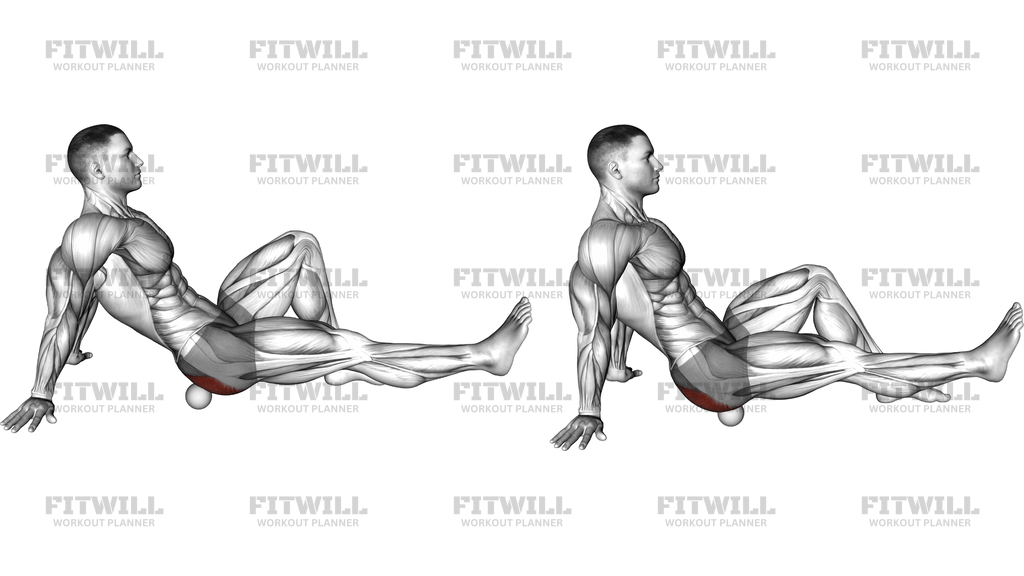
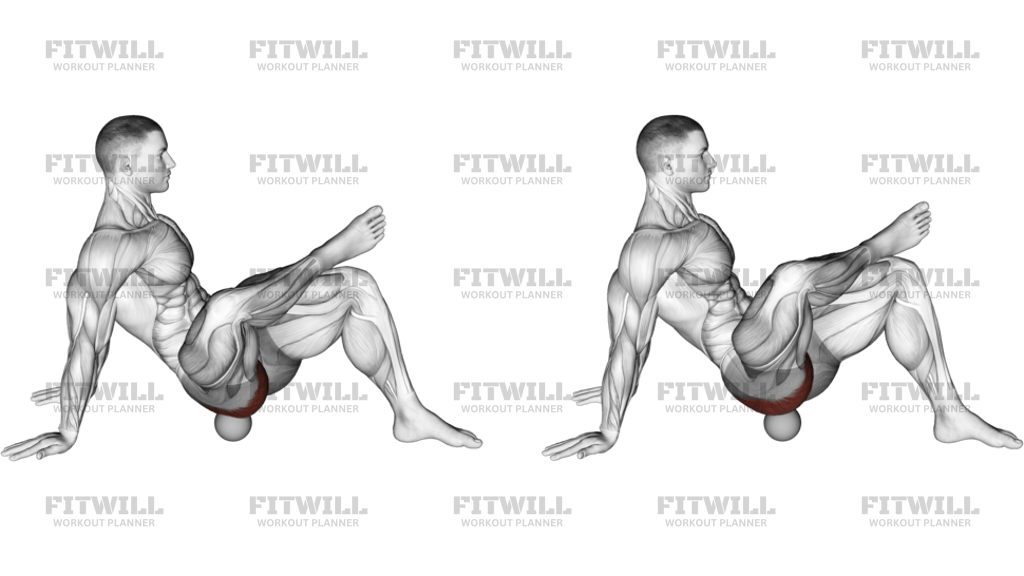
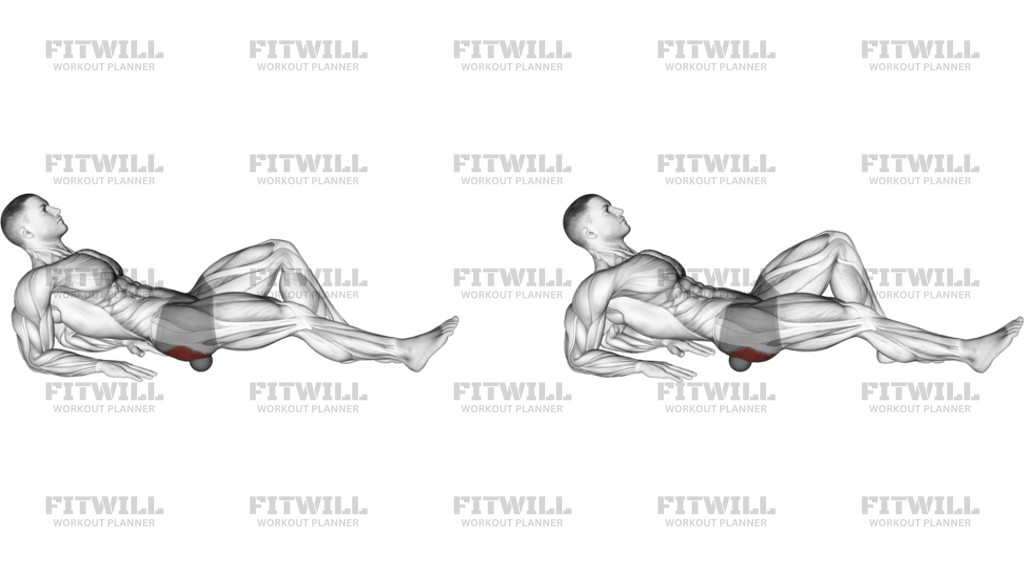
Roll Ball Rhomboid
Roll Ball Rhomboid is a wall-supported upper-back mobility drill that uses a rollball to work around the rhomboid area between the spine and the shoulder blade. The movement is usually felt as controlled pressure and small rolling shifts across the upper back rather than as a big strength repetition. It is best used when you want to open up tight tissue, improve awareness of scapular position, or prepare the upper back for pressing, pulling, or posture work.
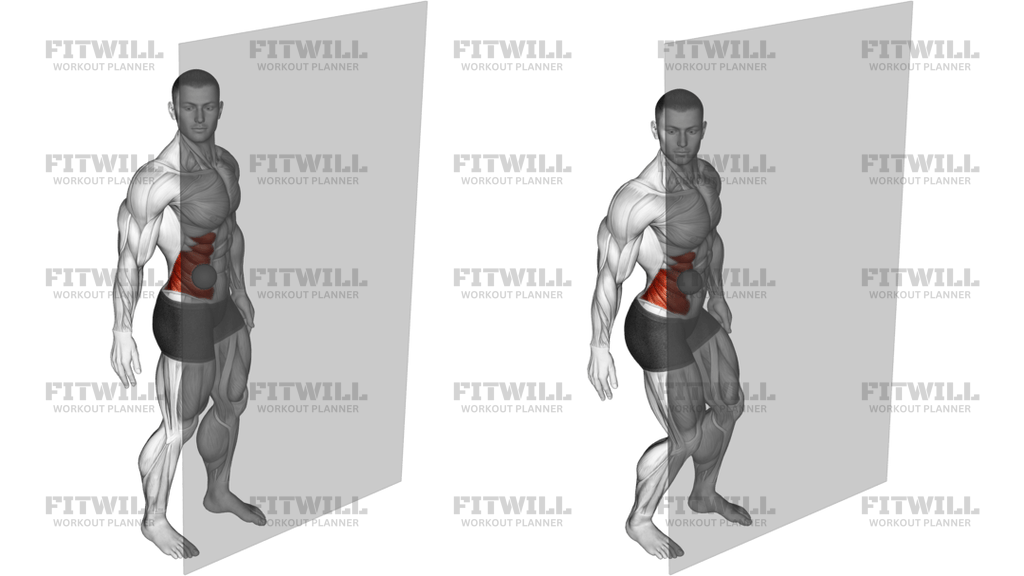
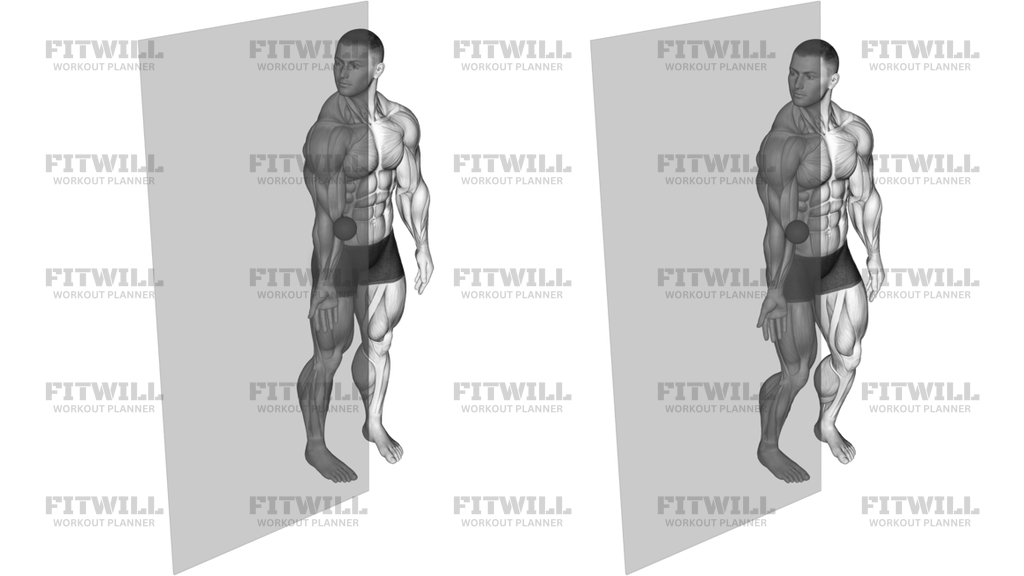
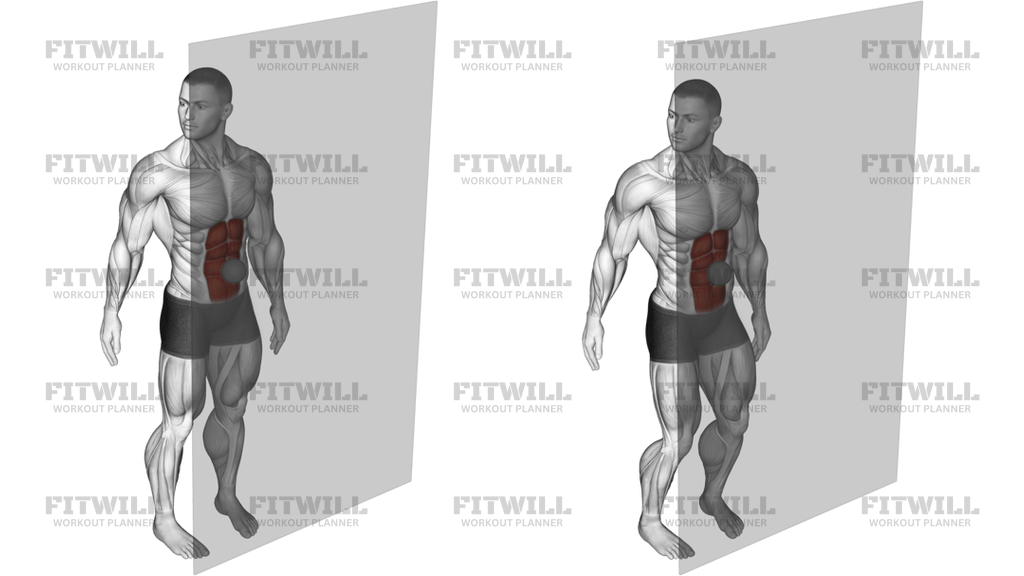
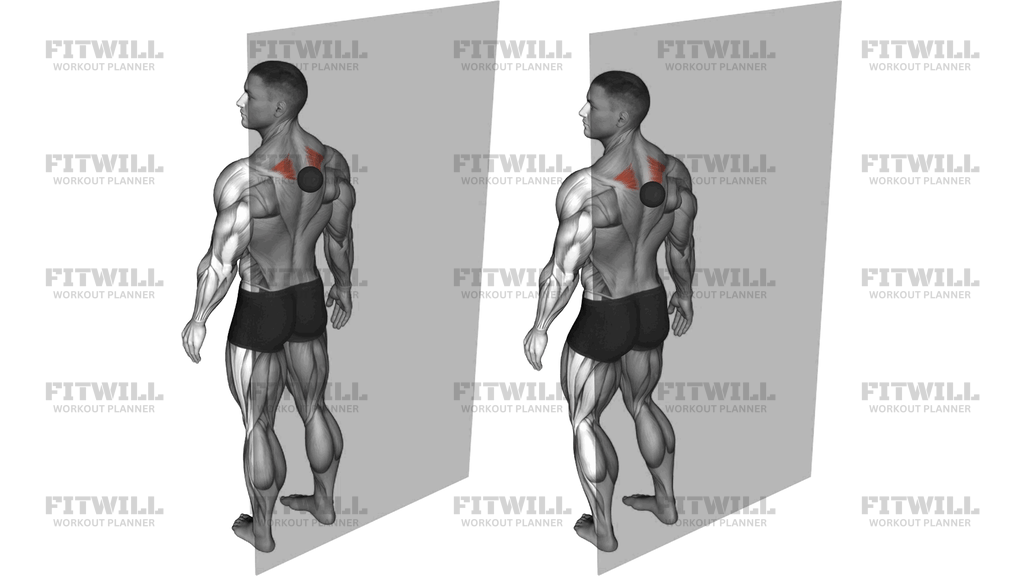
The setup matters because the ball has to sit on the muscle belly of the upper back, not on the spine or the shoulder joint. In the image, the body is standing close to a wall with one foot slightly forward, knees soft, and the upper back angled into the ball. That position lets you control how much pressure you create by shifting your weight instead of forcing the ball to dig in aggressively. The goal is a steady, repeatable contact point that you can move around with precision.
Each repetition should feel like a small, deliberate roll or glide across the rhomboid region. Keep the neck long, ribs stacked, and the head relaxed while you use subtle body shifts to trace the tight area. If you move too fast, you will lose the line of pressure and start rubbing over bone or tensing the neck and traps. Controlled breathing helps the tissue settle, especially when you pause briefly on a tender spot.
This exercise works well in warm-ups, recovery sessions, or as a reset between upper-body sets. It is not about loading the movement heavily; it is about finding the right amount of pressure and moving slowly enough to stay precise. Use it before rowing, pulldowns, pressing, or any session where the upper back needs to move well and the shoulder blades need to sit comfortably against the ribcage. If the pressure becomes sharp or travels into the neck or shoulder joint, back off and adjust the ball position.
[ Workout Log & Planner ]
Put your next workout in Fitwill
Keep your plan and training log ready when you are.


Instructions
- Stand sideways to a wall and place the rollball on the upper back near the rhomboid area, just inside the shoulder blade.
- Set one foot slightly in front of the other and soften both knees so you can lean into the ball without losing balance.
- Keep the ball off the spine and shoulder joint, and use your body weight to create moderate pressure against the wall.
- Brace lightly through the ribs and abdomen so the upper back stays organized while the neck remains relaxed.
- Shift your torso a few inches to roll the ball across the tight area instead of bouncing or twisting hard.
- Pause on a tender spot for a moment, then continue the small rolling path with slow, controlled breathing.
- Adjust the height of the ball if needed to cover more of the rhomboid fibers between the spine and shoulder blade.
- Finish the set by stepping away from the wall and resetting the ball before repeating on the other side if desired.
Tips & Tricks
- Keep the ball on soft tissue along the inner edge of the shoulder blade, not on the spine or the bony tip of the scapula.
- Use only enough body lean to feel pressure; more force usually makes the traps clamp down and reduces the quality of the release.
- Small shifts work better than big swings, because the rhomboids sit in a narrow band between the spine and scapula.
- Move slowly enough that you can find a tender point, pause, and then continue with control.
- Keep the ribs from flaring forward so the upper back can stay in contact with the ball instead of arching away from it.
- Let the neck stay long and quiet; if you feel tension climbing into the neck, reduce pressure and reset your stance.
- Breathe out through the tightest spots so the muscles do not guard against the pressure.
- If the pressure feels sharp or pinchy, move the ball slightly higher, lower, or farther from the spine before continuing.
Frequently Asked Questions
What does Roll Ball Rhomboid work?
It primarily targets the rhomboid area between the spine and the shoulder blade, with nearby upper-back tissues helping to stabilize the movement.
Where should the ball sit on my back?
Place it on the fleshy area of the upper back just inside the shoulder blade, not directly on the spine or on the shoulder joint.
How much pressure should I use against the wall?
Use enough lean to feel the tissue but not so much that you hold your breath or shrug into the neck.
Should this feel like a strength exercise or a release drill?
It is mainly a release and mobility drill. The goal is controlled pressure and small rolling shifts, not loading the muscle heavily.
Can I do this before upper-body training?
Yes. It works well before rows, pulldowns, pressing, or any session where the upper back feels stiff.
What is the most common mistake?
People usually roll too aggressively or drift onto the spine and shoulder blade bone instead of staying on the muscle.
Is it normal to pause on one spot?
Yes. A short pause on a tender area is useful, as long as the pressure stays tolerable and the breathing stays smooth.
What should I do if the pressure feels sharp?
Reduce the lean, move the ball slightly to a different spot, or stop and reset. Sharp pain is a sign the position is wrong.