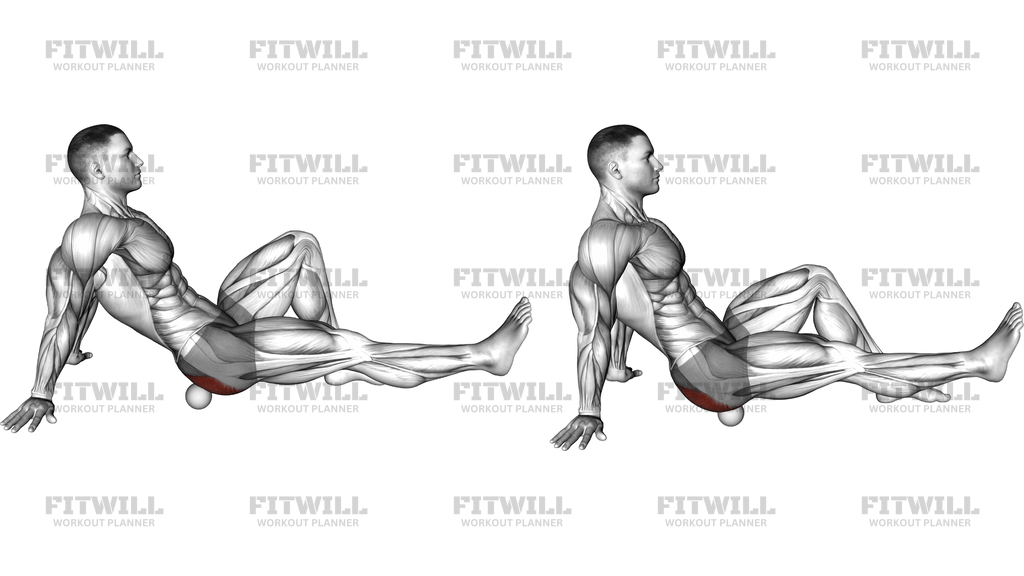
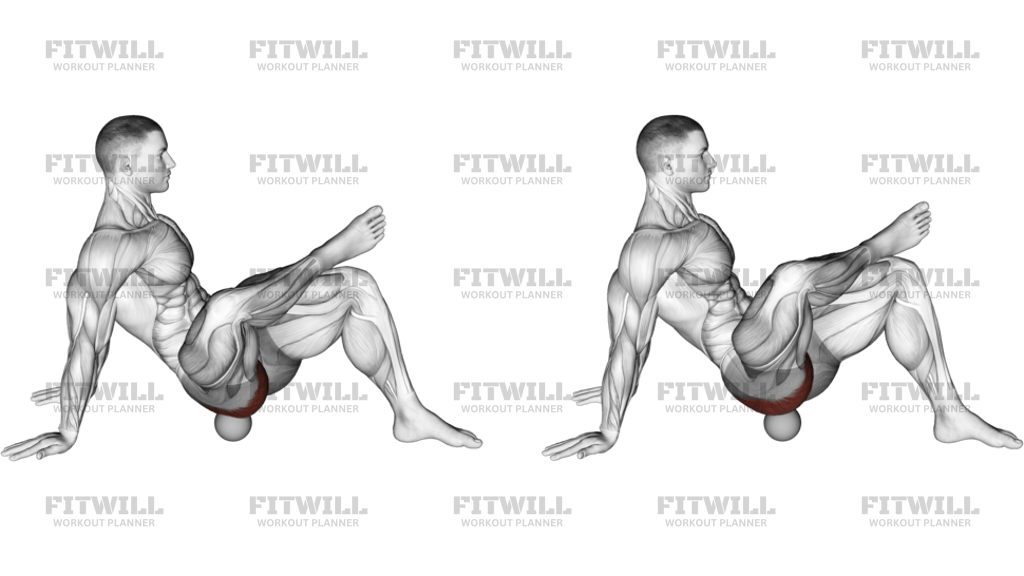
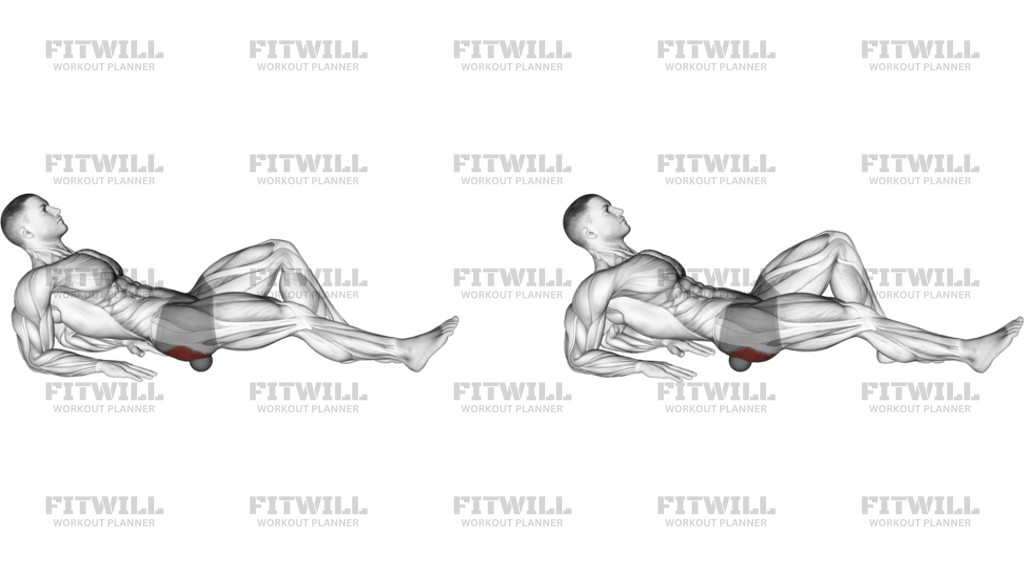
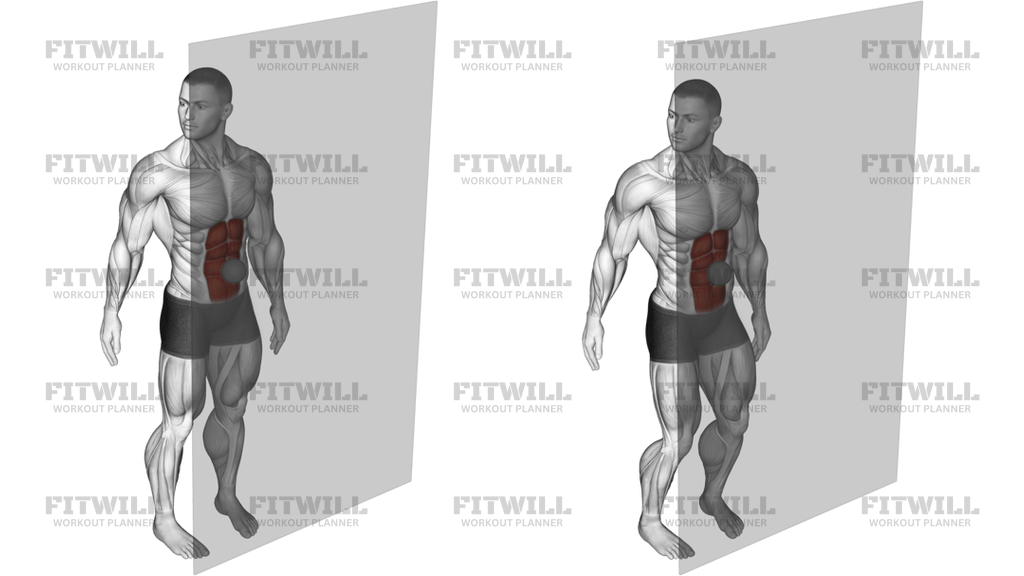
Roll Ball Trapezius Lower
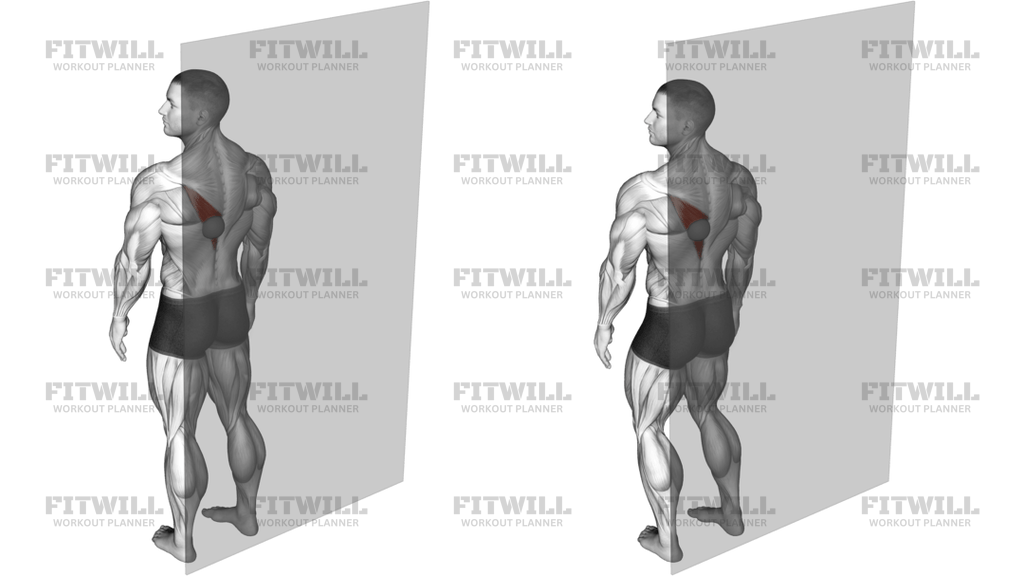
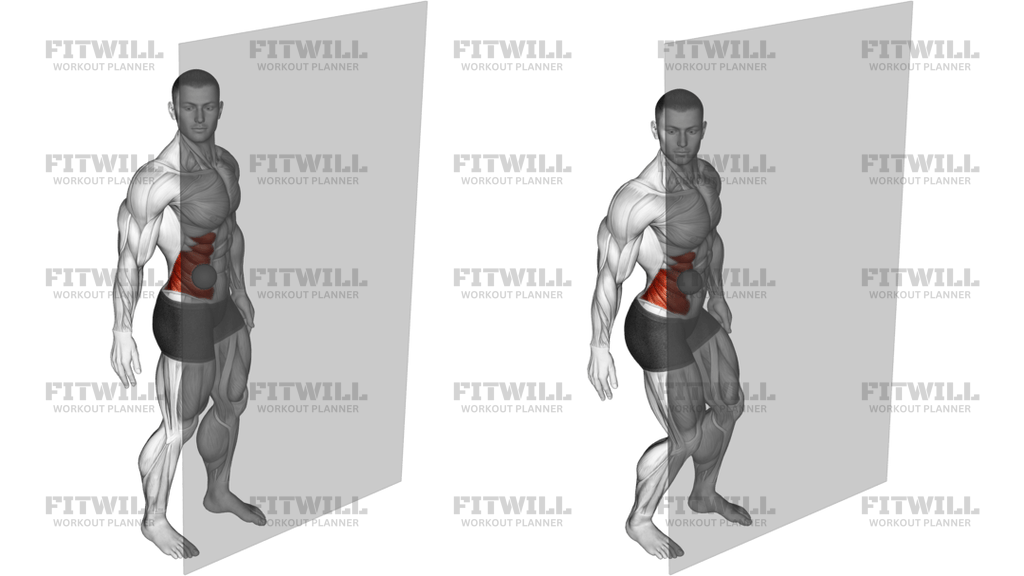
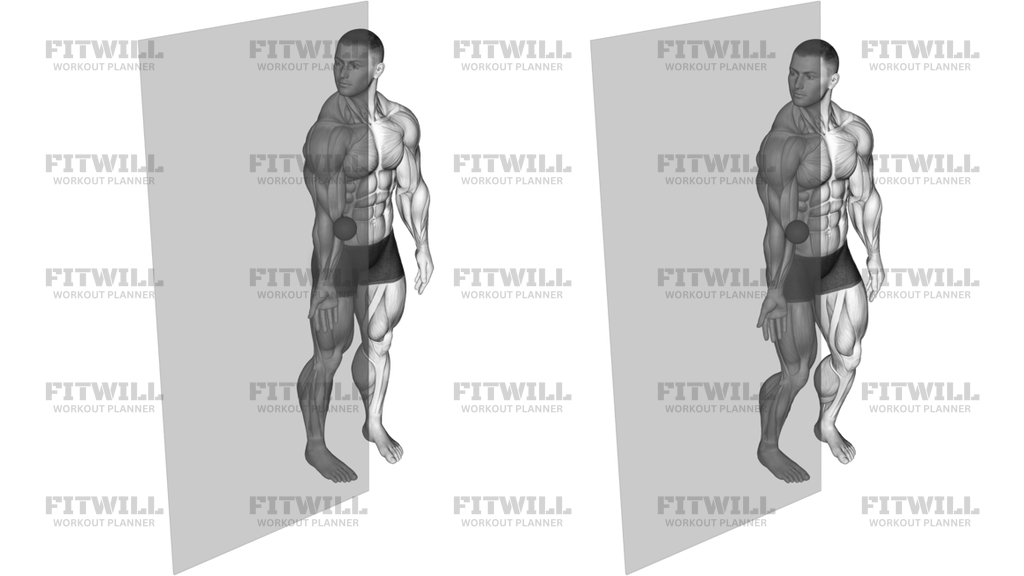
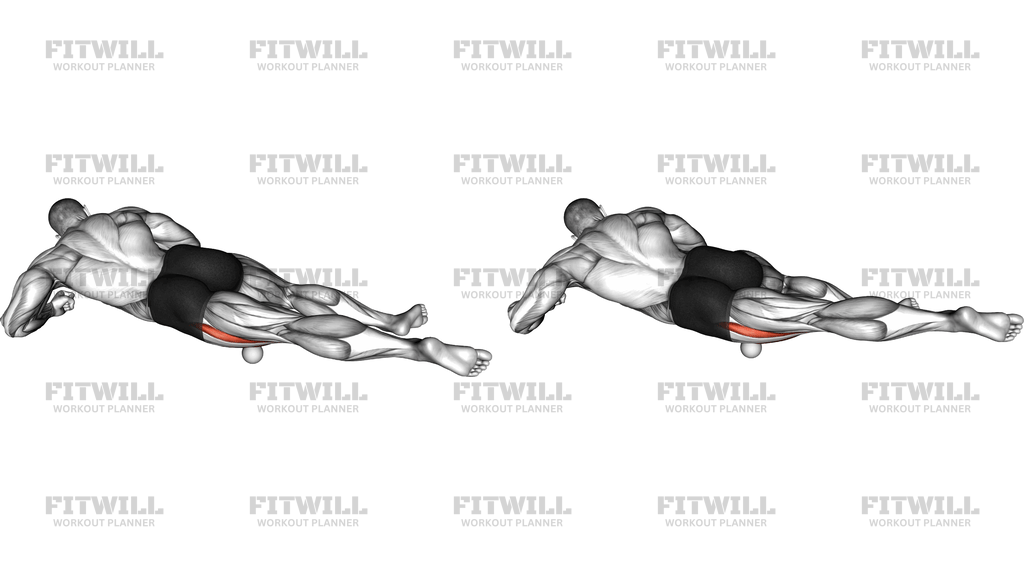
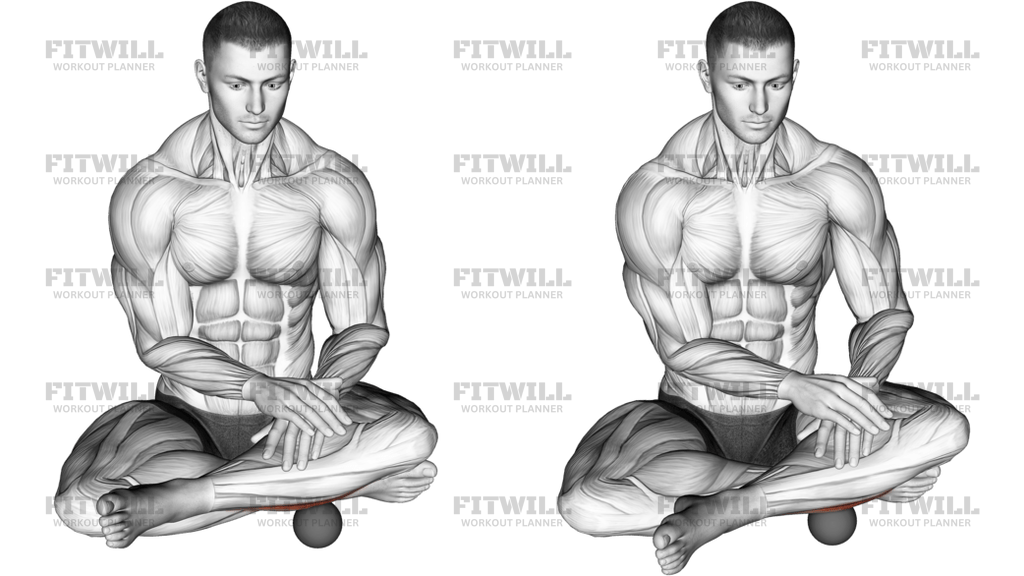
Roll Ball Trapezius Lower is a wall-based rollball drill for the lower trapezius and the muscles that help you control the shoulder blade. The image shows the ball being worked against the upper back, just below the shoulder blade line, so the exercise is best understood as a precise scapular control and release pattern rather than a big gross movement. The goal is to keep pressure on the target area while the shoulder blade glides cleanly over the ribs.
This exercise is useful when the lower traps need more attention than the upper traps. That usually means you want better scapular depression, cleaner upward rotation, and less neck-dominant tension during pulling, pressing, or overhead work. The setup matters because a small change in ball placement can shift the load from the lower trapezius to the neck, rear delt, or spine-side tissues. The correct spot is broad, firm, and muscular, not directly on the spine or the top of the shoulder.
Perform the movement with a stable stance and a quiet torso. Keep the ribs stacked, keep the neck long, and let the shoulder blade move around the ball instead of letting the low back arch or the shoulder shrug upward. Small controlled rolls, short presses, or tiny sweeps are usually enough. You should feel local work in the lower back portion of the shoulder blade area, with only light assistance from the arm and trunk.
Use this exercise as a warm-up drill, a corrective accessory, or a light recovery movement before heavier upper-back training. It also works well between sets of rows, pull-downs, or overhead lifts when you want to remind the scapula how to move and settle. The best reps feel deliberate and repeatable, not aggressive. If the neck tightens, the shoulder rides upward, or the pressure turns sharp, reduce the lean or move the ball slightly until the contact becomes cleaner.
Treat the rollball as a tool for control and positioning first, and intensity second. Light to moderate pressure is usually enough to get the lower trap involved and to restore better shoulder-blade mechanics without irritating the joint or surrounding tissue.
Fitwill
Log Workouts, Track Progress & Build Strength.
Achieve more with Fitwill: explore over 9600 exercises with images and videos, access built-in and custom workouts, perfect for both gym and home sessions, and see real results.
Start your journey. Download today!




Instructions
- Stand facing or slightly side-on to a wall and place the rollball on the upper back just below the shoulder blade line, over the lower trapezius area.
- Set your feet in a staggered stance with soft knees so you can lean into the wall without losing balance.
- Keep the ball off the spine and away from the top of the shoulder; it should sit in the broad muscle belly beside the shoulder blade.
- Rest the working-side arm in a comfortable bent position and let the shoulder blade relax down before you start moving.
- Lean into the ball until you feel firm but tolerable pressure, then make a small controlled shoulder-blade glide over the contact point.
- Use tiny up-and-down or diagonal sweeps to roll the tissue, keeping the movement smooth and staying in the lower-trap region.
- Breathe out slowly as you press or glide into the tighter spot, then inhale as you ease the pressure and reset the shoulder blade.
- Keep your ribs stacked and your neck long so the motion comes from the scapula instead of from arching the low back or shrugging the shoulder.
- After a few controlled passes, shift the ball slightly to another spot on the same side or switch to the other side, then finish by standing tall.
Tips & Tricks
- Place the ball on muscle, not on the spine or the bony ridge at the top of the shoulder blade.
- A slight forward lean usually gives better control than trying to pin the ball with too much bodyweight.
- If the upper trapezius takes over, lower the pressure and think about the shoulder blade sliding down and around the ribs.
- Keep the movement small; this drill works best when the ball stays in one zone and you move the scapula around it.
- Do not twist through the lower back to create range, because that usually steals work from the target area.
- Slow exhales often help the tissue soften and make the contact feel more precise.
- If the contact feels sharp or pinchy, move the ball a few centimeters or reduce the lean immediately.
- Use this before rows, pulldowns, or overhead pressing if you want better lower-trap activation and scapular control.
Frequently Asked Questions
What does Roll Ball Trapezius Lower train?
It mainly targets the lower trapezius and the shoulder-blade control muscles that help the scapula move smoothly on the ribcage.
Where should the rollball sit on my back?
Place it on the fleshy area just below the shoulder blade line, not on the spine and not on the top edge of the scapula.
Should I move my arm or my torso during the set?
Keep the torso quiet and let the shoulder blade make small controlled movements around the ball. The low back should not be doing the work.
How hard should the pressure feel?
Firm and specific is enough. You want a tolerable release or activation feel, not a sharp or crushing pressure.
Can beginners use this drill?
Yes. Beginners usually do best with light pressure, short sweeps, and a slow tempo so they can find the correct shoulder-blade path.
What are the most common mistakes?
Shrugging, arching the lower back, rolling too aggressively, or placing the ball too close to the neck are the most common errors.
When is this exercise most useful?
It works well in a warm-up, as accessory work between upper-back sets, or as a light reset before overhead or pulling training.
What should I do if I feel neck tension instead of lower-trap work?
Reduce the pressure, move the ball slightly lower or farther from the neck, and focus on keeping the shoulder blade down as you breathe.