Roll Ball Forearm Flexors
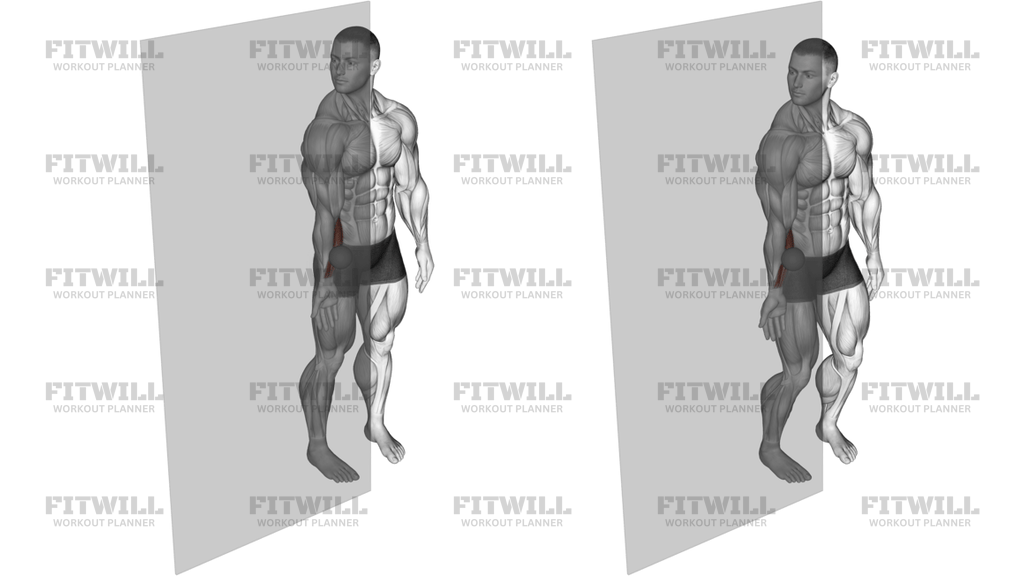
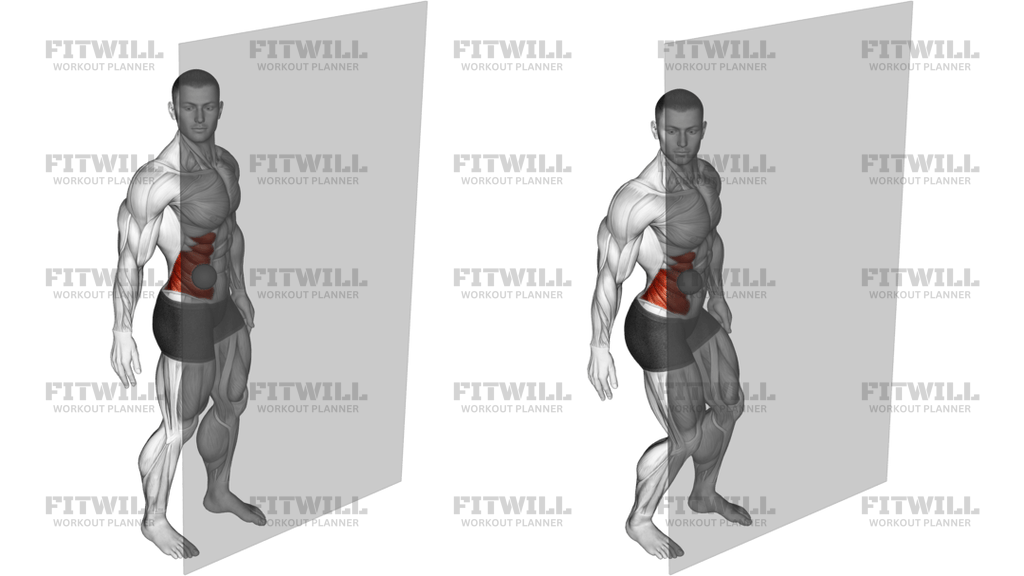
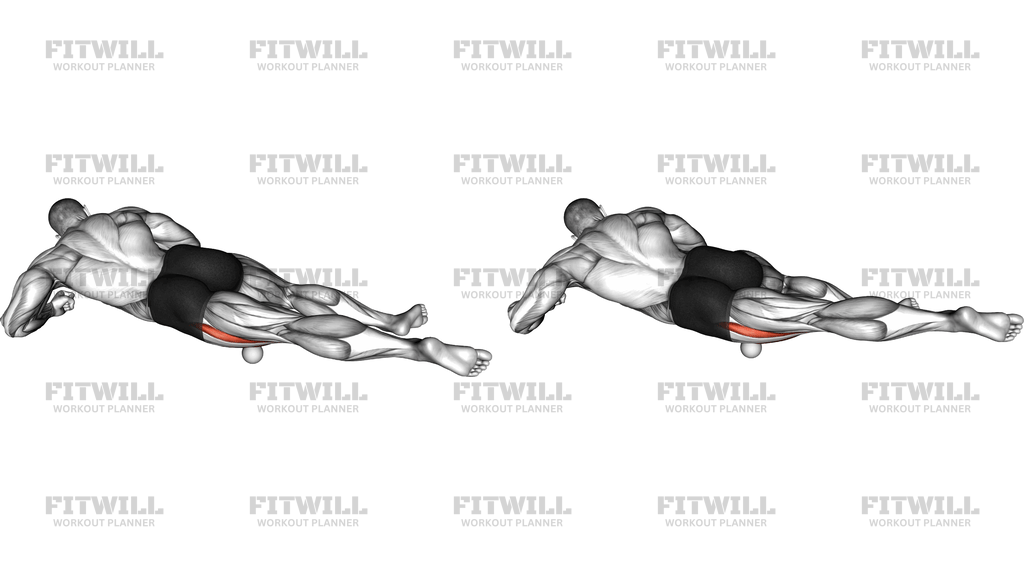
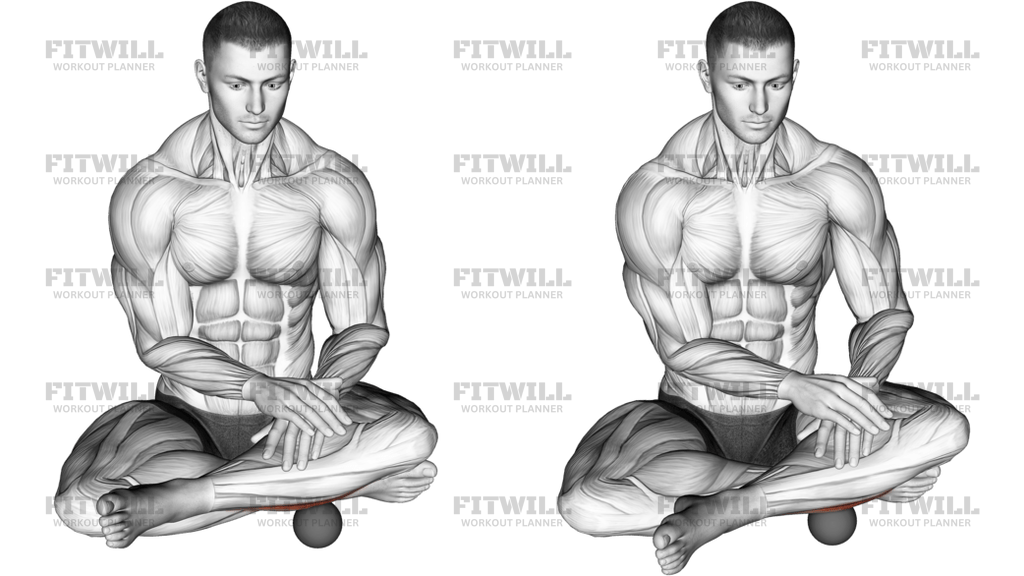
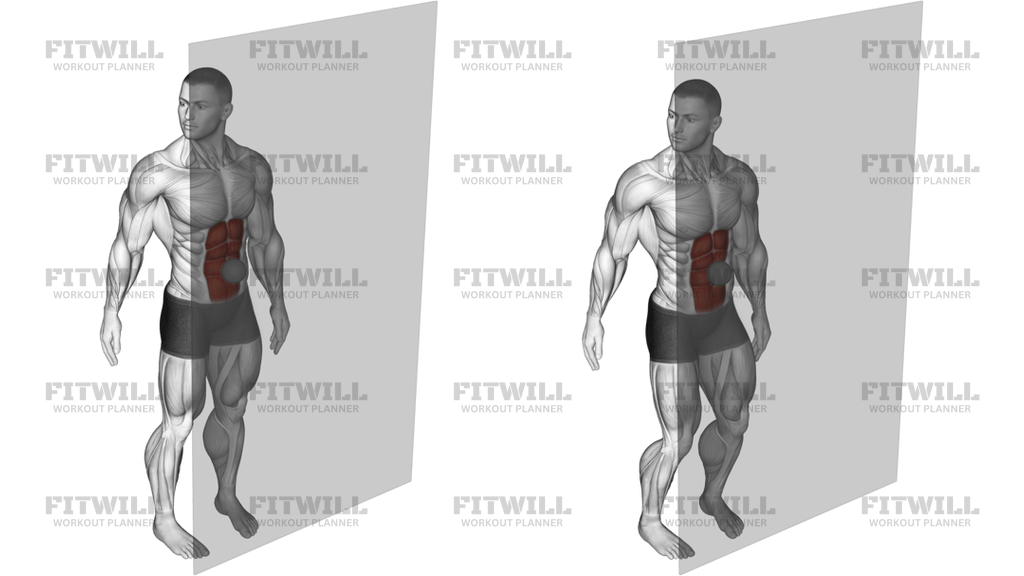
Roll Ball Forearm Flexors is a forearm mobility and soft-tissue drill that uses a rollball to work the palm-side forearm with slow, controlled pressure. It is designed to calm down tight wrist flexors after heavy gripping, not to chase speed or load. The exercise works best when the forearm stays relaxed against the ball and the pressure is easy to control from start to finish.
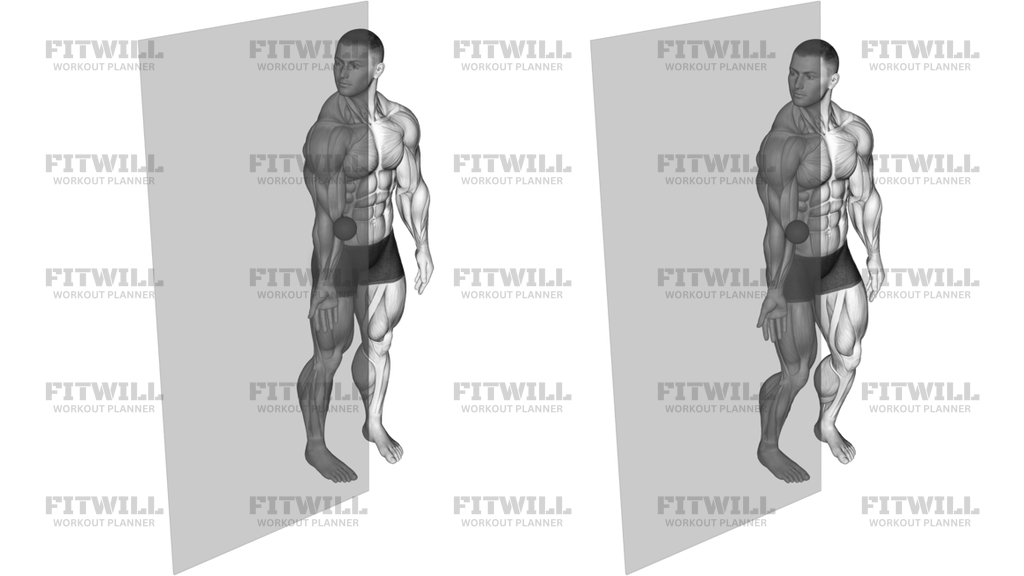
The setup matters because the forearm flexor group is small, sensitive, and packed with tendons near the wrist and elbow. Stand side-on to a wall or upright surface, place the rollball under the inner forearm, and let the upper arm stay close to the ribcage. A slight bend in the elbow usually makes it easier to manage pressure and keep the shoulder from shrugging up.
During each pass, roll from the wrist crease toward the inside of the elbow and back again with short, deliberate strokes. Search the full length of the flexor mass, then pause on any dense or tender spot until the tissue eases. Keep the wrist relaxed, breathe steadily, and reduce pressure immediately if the sensation turns sharp, pins-and-needles, or numbing.
This movement fits well after pull-ups, rows, deadlifts, racket sports, climbing, or any session that leaves the forearms overworked. It can also be used between training days to restore wrist comfort and improve tolerance for extension work, pressing positions, and daily gripping. Beginners can use it safely as long as they keep the pressure mild and the rolling slow enough to stay in control.
[ Workout Log & Planner ]
Put your next workout in Fitwill
Keep your plan and training log ready when you are.


Instructions
- Stand side-on to a wall or upright surface and place the rollball under the palm-side forearm, a few inches below the elbow.
- Keep the upper arm close to your ribcage and let the shoulder drop so the pressure stays in the forearm instead of the neck.
- Use your bodyweight to create light to moderate pressure on the ball, keeping the wrist relaxed.
- Roll slowly from the wrist crease toward the inside of the elbow in short, controlled passes.
- Reverse the direction and work back toward the wrist without bouncing or forcing the range.
- Pause on a tender spot for a few seconds, then make tiny passes around it until the tension eases.
- Breathe steadily through the pressure and back off immediately if you feel sharp pain, tingling, or numbness.
- Finish by easing off the ball and repeating on the other forearm if both sides need work.
Tips & Tricks
- Start with the ball near the wrist crease, where the flexor tendons are usually the most sensitive.
- Keep the elbow slightly bent if a locked arm makes the pressure feel too intense.
- Move in short strokes instead of long sweeps so you can feel where the tight spots actually are.
- Do not shrug the shoulder toward the ear; that shifts tension away from the forearm and into the neck.
- If the inner elbow feels pinchy, slide the ball lower onto the muscle belly and away from the crease.
- A mild stretch sensation is fine, but sharp pain or hand tingling means the pressure is too high.
- Use the exhale to sink into a tender spot rather than pushing harder with the arm.
- Follow the rolling with a gentle wrist extension stretch if the forearm still feels shortened.
Frequently Asked Questions
What does Roll Ball Forearm Flexors work?
It targets the palm-side forearm flexors, including the muscles and tendons that help with gripping and wrist flexion.
Is this a strength exercise or a recovery drill?
It is mainly a mobility and soft-tissue drill. The goal is to reduce tightness and improve tolerance, not to build load.
Where should the rollball sit on my forearm?
Place it on the palm-side forearm, usually a few inches below the elbow and above the wrist crease.
How much pressure should I use against the wall?
Use only enough bodyweight to feel firm pressure and local tissue work. If the sensation becomes sharp, numb, or electric, reduce pressure right away.
Should my elbow stay straight during the roll?
A slight bend is usually easier to control and less irritating than locking the elbow completely.
Can I do both arms in the same session?
Yes. It is common to repeat the same rolling pattern on both forearms if they both feel tight or overworked.
What are common mistakes with this exercise?
Pressing too hard, shrugging the shoulder up, rolling too fast, and staying on the inner elbow crease are the main ones to avoid.
When is Roll Ball Forearm Flexors most useful?
It works well after gripping-heavy training, climbing, racket sports, or any workout that leaves the forearms and wrists feeling tight.