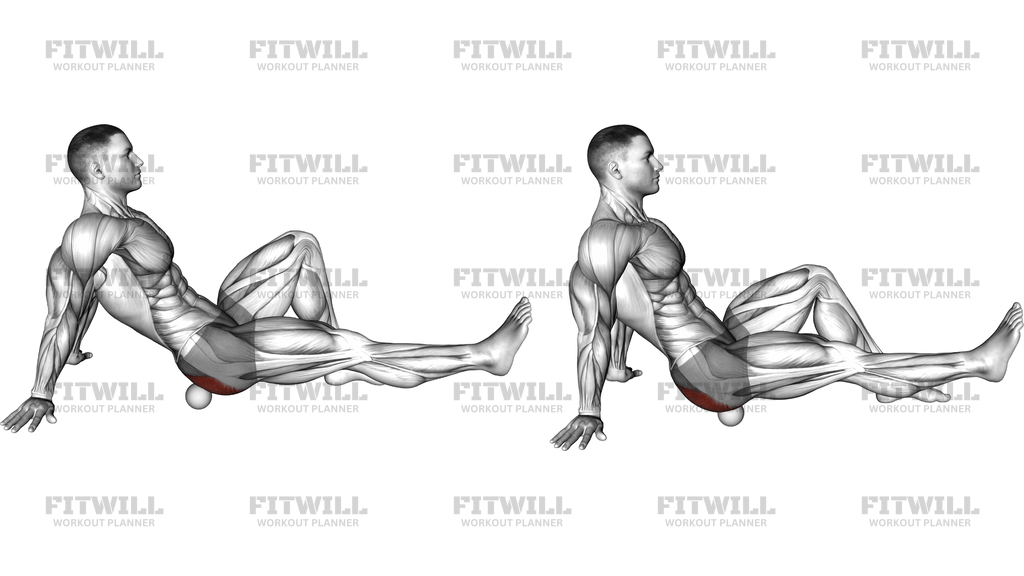
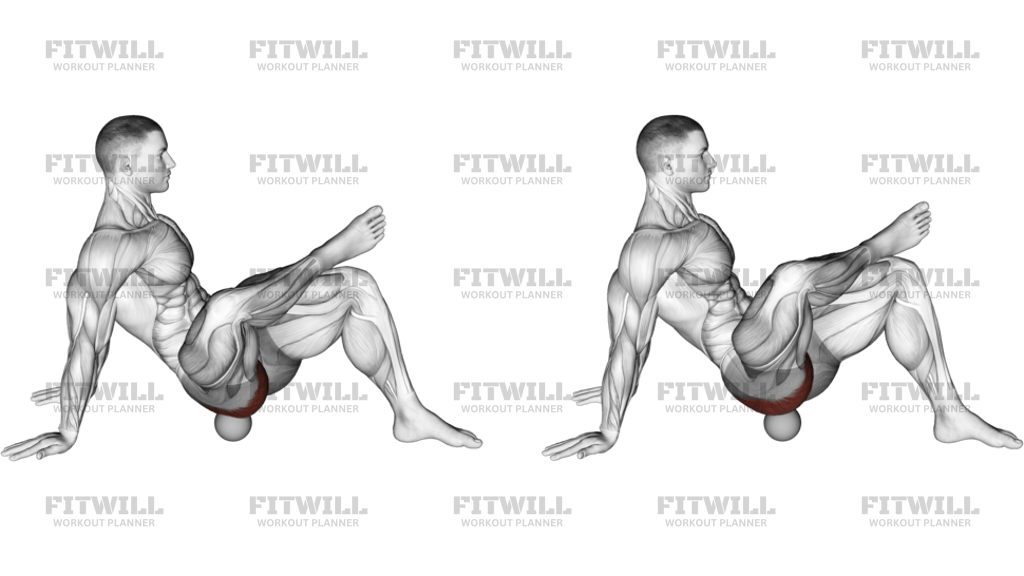
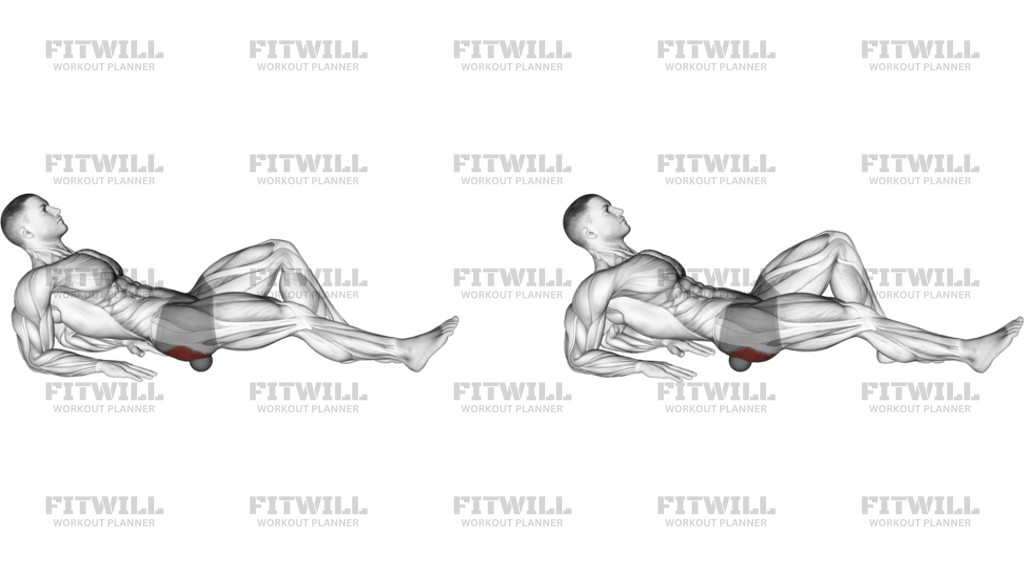
Roll Ball Forearm Supinator
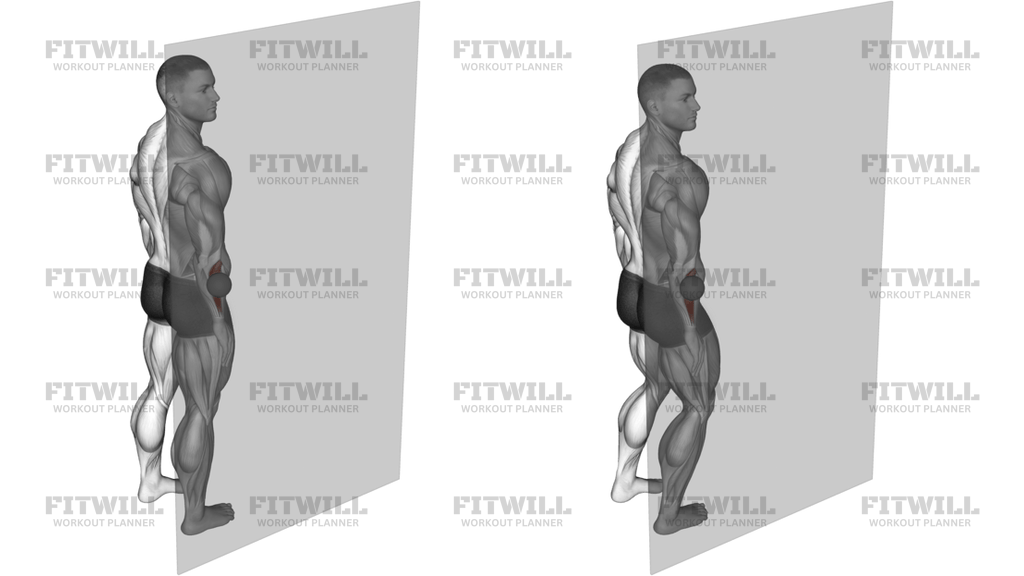
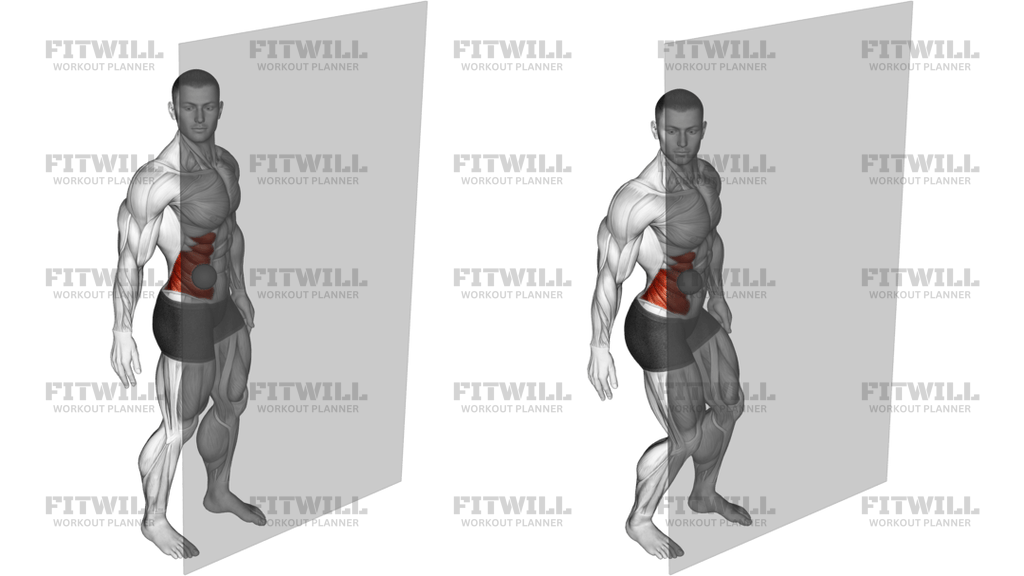
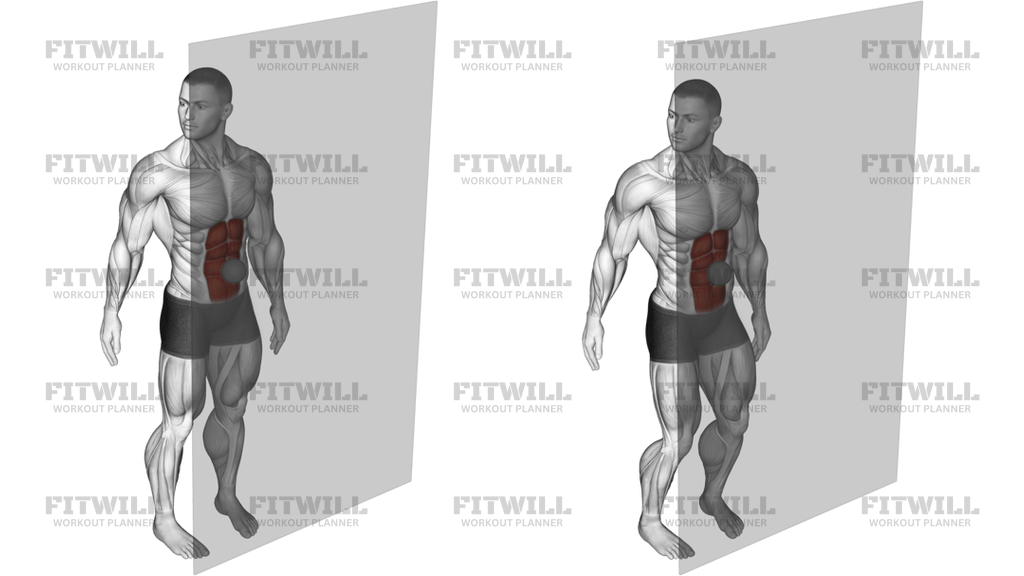
Roll Ball Forearm Supinator is a wall-supported forearm rotation drill that trains the small muscles responsible for turning the palm upward. The working arm stays close to the torso while the elbow, upper arm, and shoulder remain quiet, so the rep comes from forearm rotation instead of a shoulder swing or a wrist curl. That makes it useful when you want to isolate supination cleanly and load the movement in a very controlled way.
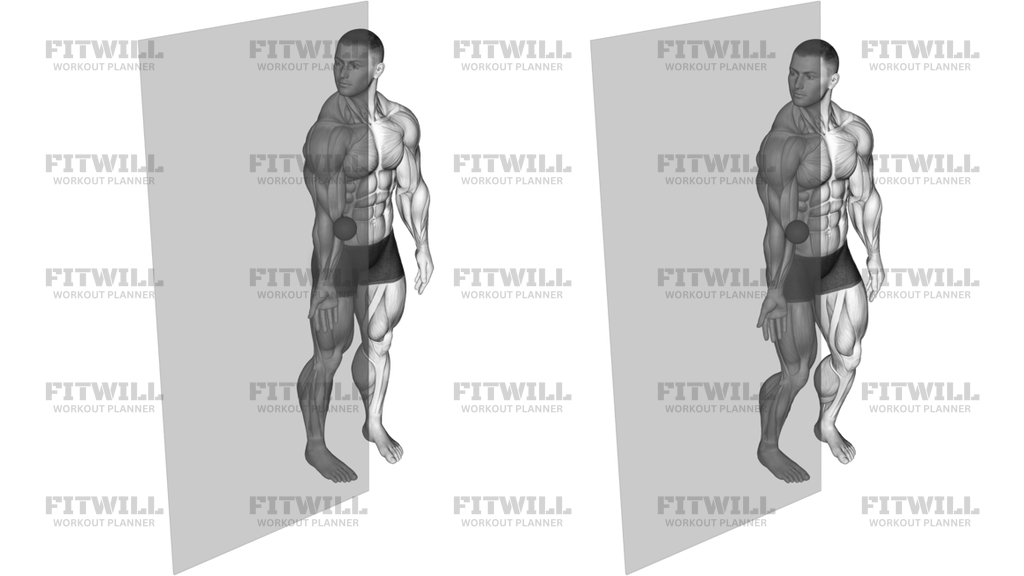
The setup matters because this is a precision exercise, not a big lift. Stand side-on to a wall, keep the upper arm pinned near the ribcage, and place the roll ball against the wall so the forearm can create resistance through the turn. The ball and wall create a stable surface, which helps you feel the difference between a relaxed start, a strong supinated finish, and any unwanted elbow drift in between.
Each repetition should look and feel deliberate. Start with the forearm turned toward pronation, then rotate the hand and forearm so the palm turns up while the ball tracks under control against the wall. The elbow stays fixed, the wrist stays stacked, and the shoulder stays out of it. If the shoulder rolls forward or the wrist bends hard, the load is too aggressive or the setup has drifted.
This movement fits well as accessory work, warm-up prep for pulling or curling sessions, or rehab-style forearm conditioning when you need strict control more than brute force. It can also help build awareness for athletes and lifters who need better grip orientation, racquet control, throwing mechanics, or arm positioning under tension. Because the range is small and the target is easy to cheat, technique quality matters more than how many reps you can grind out.
Use a light load and smooth tempo so the forearm does the work without irritation at the wrist or elbow. The best set feels like clean rotation with a steady brace, not a twisting shove from the shoulder. Stop before the motion turns sloppy, and keep the movement pain-free and repeatable from the first rep to the last.
[ Workout Log & Planner ]
Put your next workout in Fitwill
Keep your plan and training log ready when you are.


Instructions
- Stand side-on next to a wall and plant your feet in a balanced stance.
- Pin the upper arm of the working side close to your ribcage and bend the elbow to about 90 degrees.
- Place the roll ball against the wall with the forearm and hand lined up for a smooth turning path.
- Start with the forearm slightly pronated and the wrist neutral, not cocked back.
- Brace lightly through the torso so the shoulder and rib cage stay quiet.
- Rotate the forearm to roll the ball while you turn the palm upward.
- Keep the elbow fixed at your side and let the motion come from forearm rotation only.
- Pause briefly in the fully supinated position, then reverse the motion under control.
- Exhale as you rotate into supination and inhale on the way back to the start.
- Reset the rep if the shoulder rolls forward, the wrist bends hard, or the ball path gets messy.
Tips & Tricks
- Keep the elbow glued to your side; once it starts drifting, the shoulder is helping more than the forearm.
- Think about turning the palm up, not about pushing the ball harder into the wall.
- A lighter ball or less pressure usually gives a cleaner supination path and a better end-range squeeze.
- Do not let the wrist extend or deviate while you rotate; stack the knuckles and forearm as one line.
- Use a slow return so the pronated position is under control instead of snapping back.
- If you feel the front of the shoulder more than the forearm, reduce range and re-pin the upper arm.
- Keep the neck and traps relaxed so the arm can rotate without extra upper-body tension.
- Work only through a pain-free range; sharp discomfort near the elbow is a sign to back off.
- Treat the wall as feedback: if the ball path wobbles, your rotation is coming from the wrong joint.
Frequently Asked Questions
What does Roll Ball Forearm Supinator train most?
It mainly trains forearm supination, the motion that turns the palm upward.
Why is the ball used against a wall?
The wall gives the forearm something to work against so you can feel the rotation instead of swinging the arm.
Where should I feel this exercise?
You should feel the work along the forearm, with the wrist and elbow staying controlled rather than strained.
Can beginners do this movement?
Yes. It is beginner-friendly when the ball pressure is light and the elbow stays pinned at the side.
What is the most common mistake?
Letting the shoulder roll forward or turning it into a wrist move instead of a forearm rotation.
How much load should I use?
Use the lightest setup that still lets you rotate smoothly and pause in the supinated position.
Is this exercise the same as a wrist curl?
No. A wrist curl bends the wrist, while this drill rotates the forearm so the palm turns up.
When is this exercise useful?
It works well as accessory work, warm-up prep, or controlled forearm conditioning before pulling or curling sessions.