Good Morning Squat
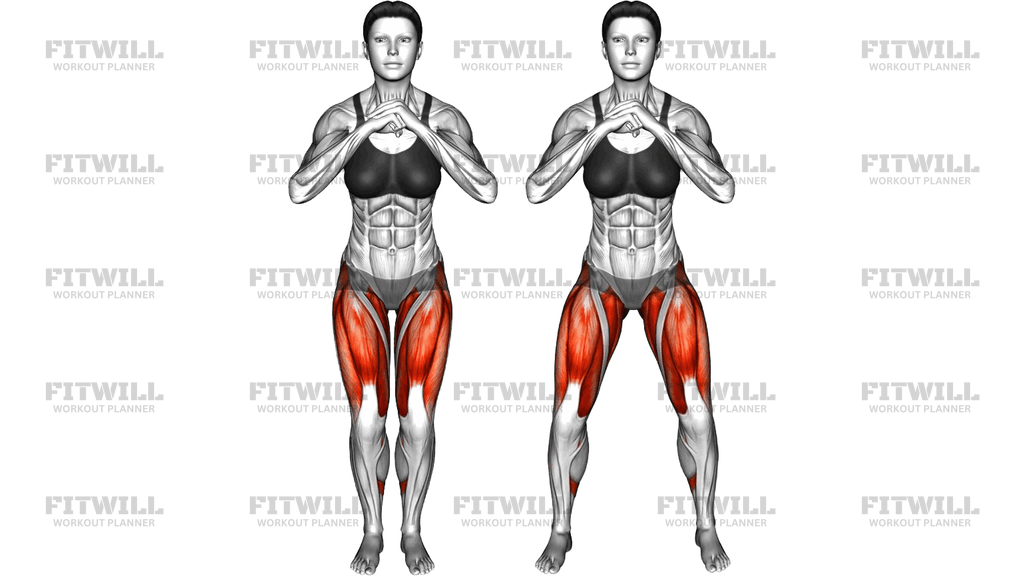
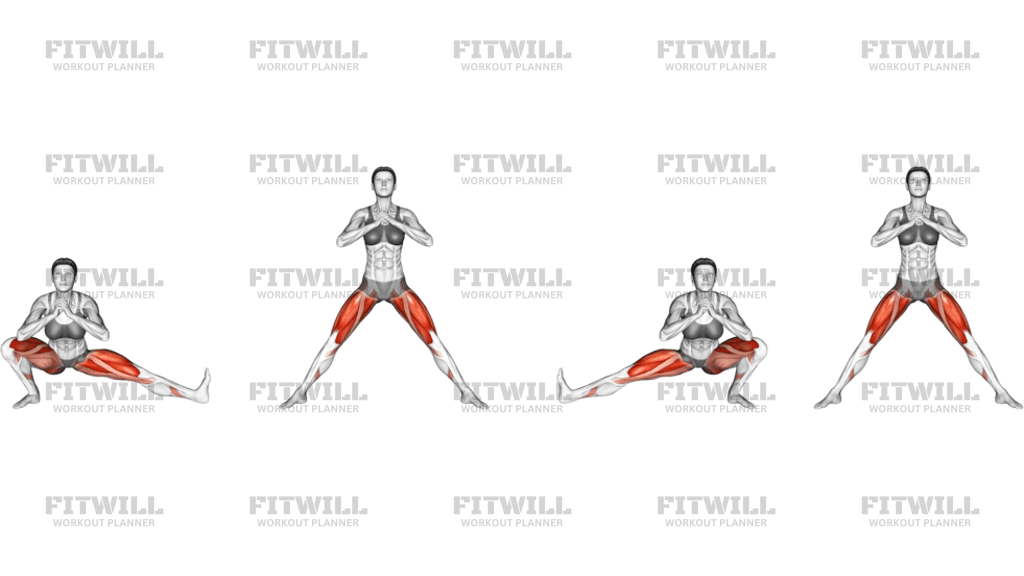
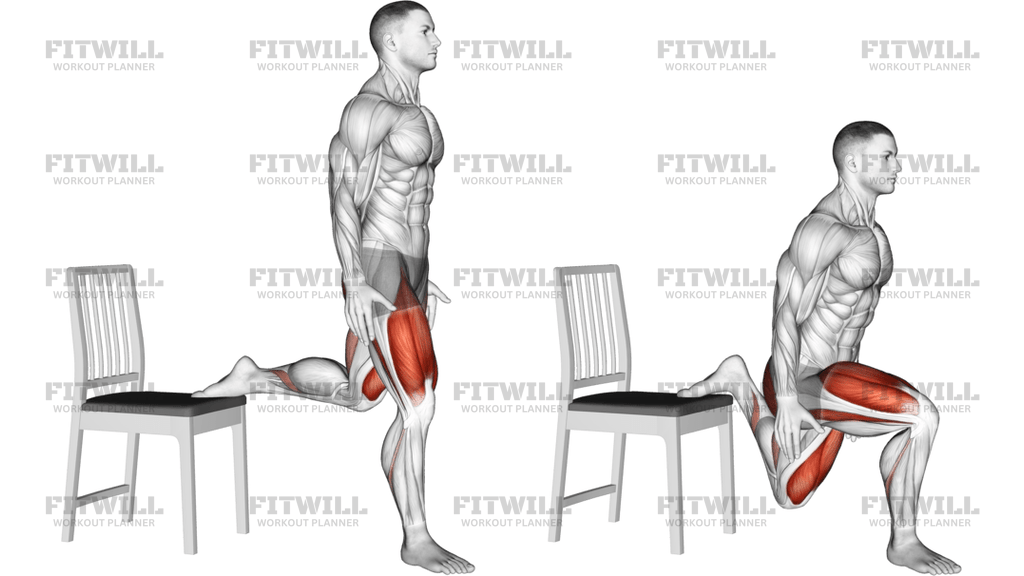
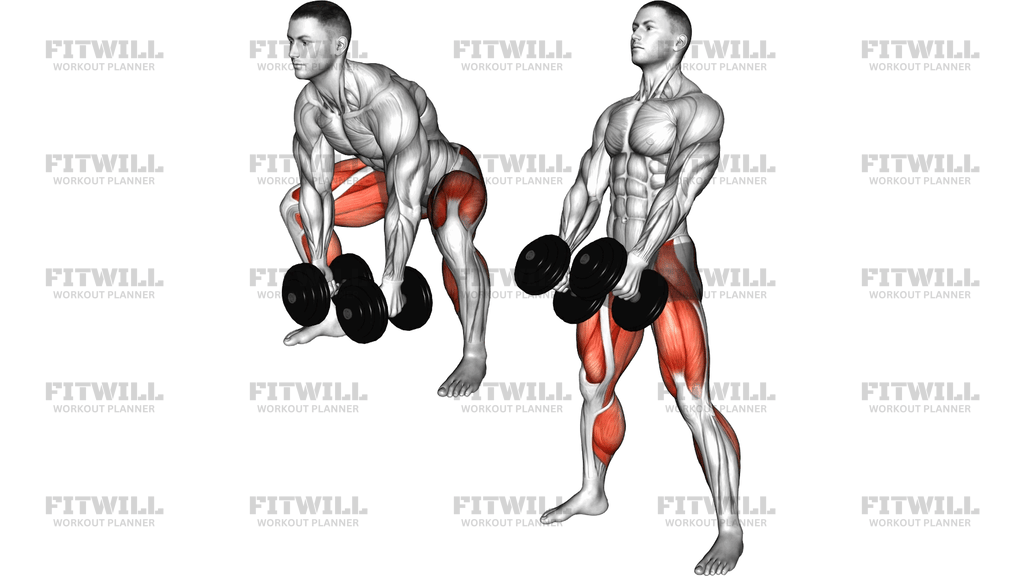
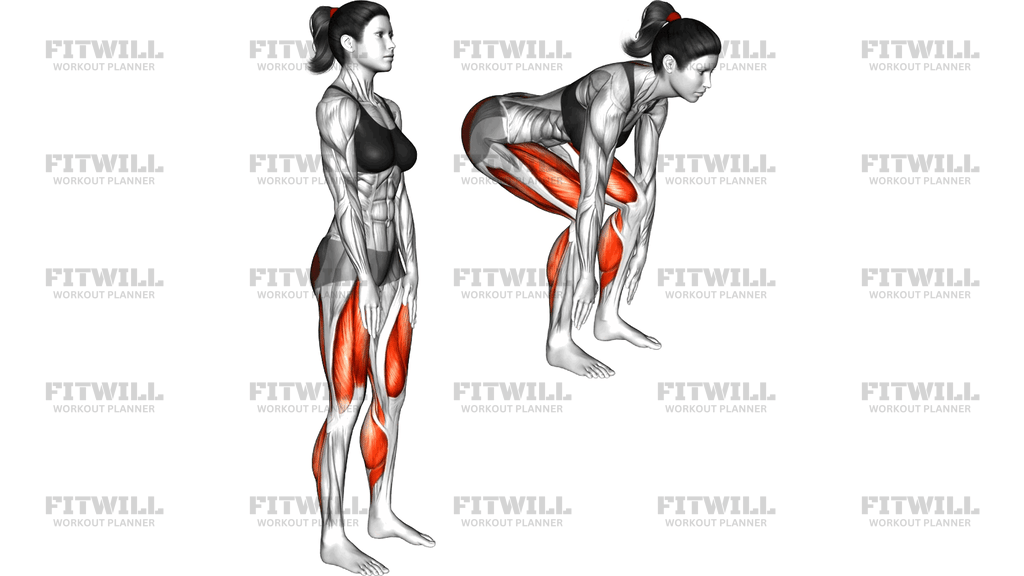
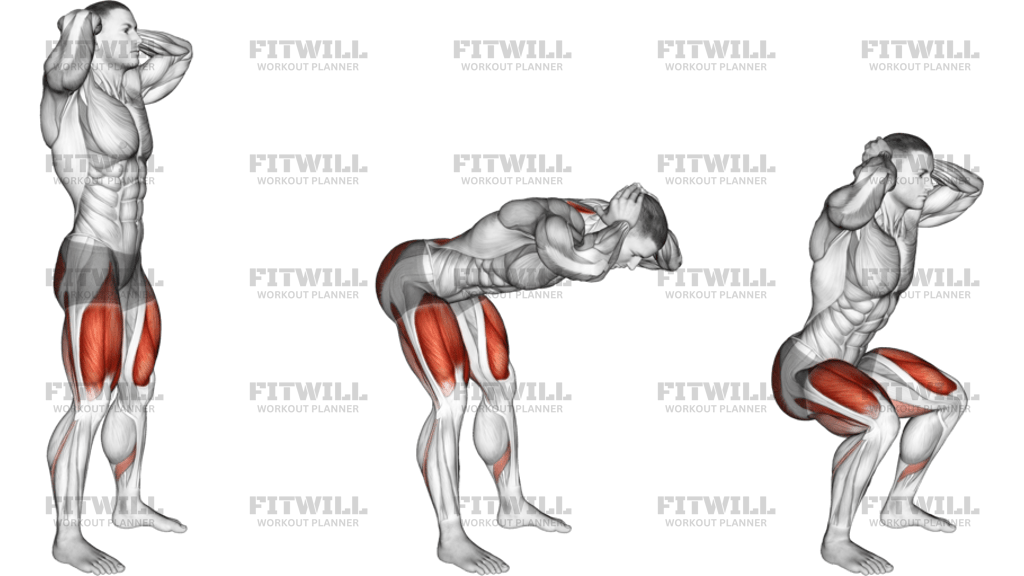
Good Morning Squat is a bodyweight squat variation that combines a hip hinge with a deep knee bend and a hands-behind-head posture. The image shows the torso tipping forward as the hips travel back, then the body driving back up through the legs. That makes this movement a useful lower-body drill for learning how to keep the chest open, the trunk braced, and the knees tracking cleanly while the hips move.
The exercise emphasizes the quads, but it also asks a lot from the glutes, hamstrings, adductors, and trunk muscles that keep the torso from collapsing forward. Because the hands stay behind the head, the upper back has to stay active and the rib cage cannot flare excessively on the way up. That makes Good Morning Squat useful when you want a bodyweight strength drill that trains both leg drive and positional control.
Setup matters more here than in a simple air squat. Stand with your feet about shoulder-width apart, toes turned slightly out, and elbows wide enough that the chest can stay open. Before each rep, set your balance over the midfoot, tighten your abdomen, and keep your weight spread through the whole foot instead of drifting onto the toes.
On the way down, send the hips back first, then bend the knees until the thighs approach parallel or a comfortable depth that you can control. Keep the heels down, the knees moving in line with the toes, and the neck neutral even though the hands are behind the head. At the bottom, avoid sinking into the low back; reverse the motion by driving the floor away and standing tall through the quads and glutes.
Good Morning Squat works well as a warm-up, a technique drill, or a lighter accessory movement when you want to practice squat mechanics without external load. It is also useful for people who need more awareness of torso angle and hip motion before progressing to goblet squats or barbell squats. The best reps are smooth and repeatable, not exaggerated or rushed, and the movement should stay pain-free through the knees, hips, and low back.
[ Workout Log & Planner ]
Put your next workout in Fitwill
Keep your plan and training log ready when you are.


Instructions
- Stand with your feet about shoulder-width apart, toes slightly turned out, and place both hands behind your head with your elbows open.
- Stack your ribs over your pelvis, keep your chest lifted, and spread your weight evenly across the heel, big toe, and little toe of each foot.
- Brace your abdomen before you start the descent so your torso stays controlled instead of folding at the waist.
- Push your hips back first, then bend your knees and lower into the squat while keeping your heels down.
- Let your torso hinge forward only as far as you can while keeping your spine long and your knees tracking over your toes.
- Continue down until your thighs are near parallel or as low as you can go without losing balance or letting your low back round.
- Drive through the floor to stand back up, leading with the chest and hips together instead of shooting the hips up first.
- Exhale as you rise, then reset your breath and posture before the next repetition.
- Finish the set by lowering your arms and stepping out only after you are fully stable.
Tips & Tricks
- Keep your elbows wide so you do not collapse your chest toward the floor during the hinge.
- If your heels lift, shorten the squat depth and sit slightly more back into the hips.
- Think about pulling your knees out in line with your second and third toes rather than letting them cave inward.
- A slow lower makes this variation more useful; dropping fast usually turns it into a sloppy bodyweight squat.
- Do not crank the neck forward just because the hands are behind the head; keep the gaze fixed ahead or slightly down.
- Use the midfoot as your pressure point so the rep stays balanced instead of drifting onto the toes.
- If your low back feels pinched, reduce the forward hinge and keep the ribs stacked over the pelvis.
- Stop the set when the torso starts to fold or the knees stop tracking cleanly, even if you still have reps left.
Frequently Asked Questions
What muscles does Good Morning Squat work?
It primarily hits the quads, with the glutes, hamstrings, and trunk helping control the squat and hinge.
Why are the hands behind the head in Good Morning Squat?
That arm position helps keep the chest open and makes it easier to notice when the torso starts collapsing forward.
How deep should I go in Good Morning Squat?
Go only as low as you can while keeping the heels down, the knees tracking over the toes, and the spine from rounding.
What is the most common mistake in this exercise?
People usually drop straight down and lose the hip hinge, or they let the knees cave inward as they stand back up.
Is Good Morning Squat good for beginners?
Yes, as long as it is treated like a slow technique drill and not a speed squat. Start with a shallow range and build control first.
Should my torso stay upright the whole time?
No. The torso should hinge forward a bit as the hips move back, but it should stay long and braced instead of rounding.
Can I use Good Morning Squat as a warm-up?
Yes. It works well as a warm-up for squat patterns because it rehearses balance, hip motion, and trunk position.
What should I do if my heels lift during Good Morning Squat?
Shorten the depth, widen or slightly adjust your stance, and shift a little more pressure into the midfoot and heel.