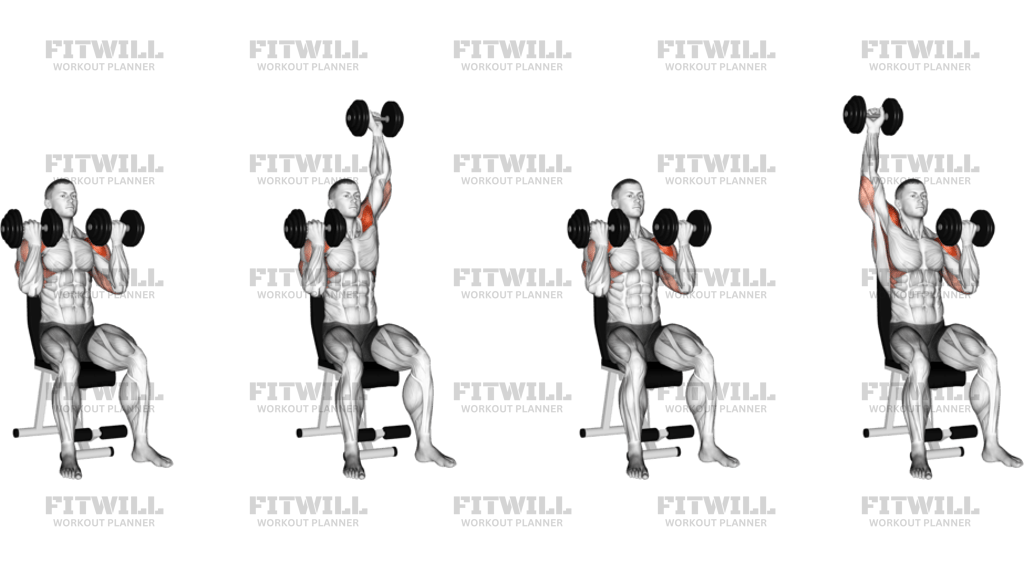
Dumbbell Standing Single-Arm Arnold Press
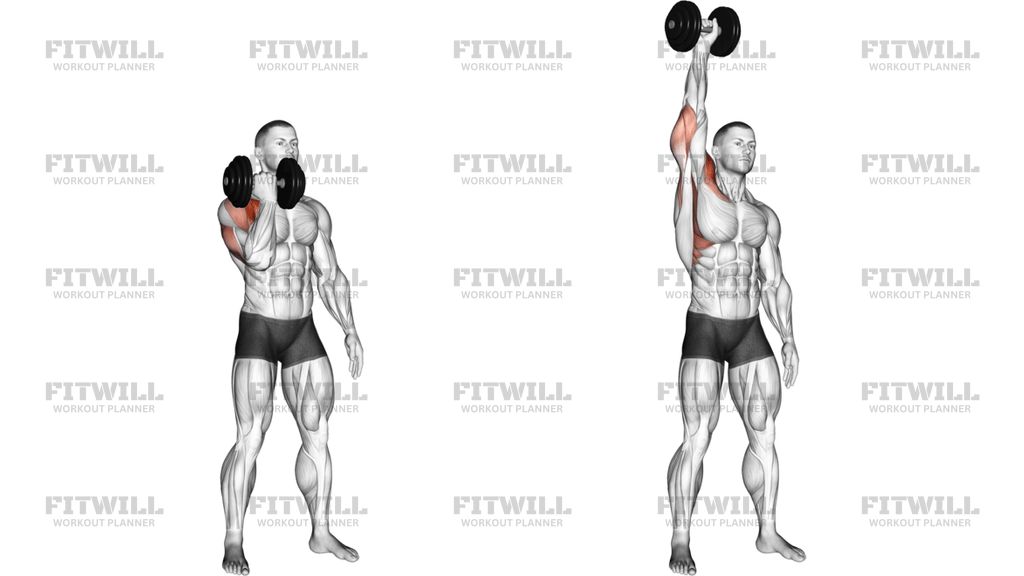
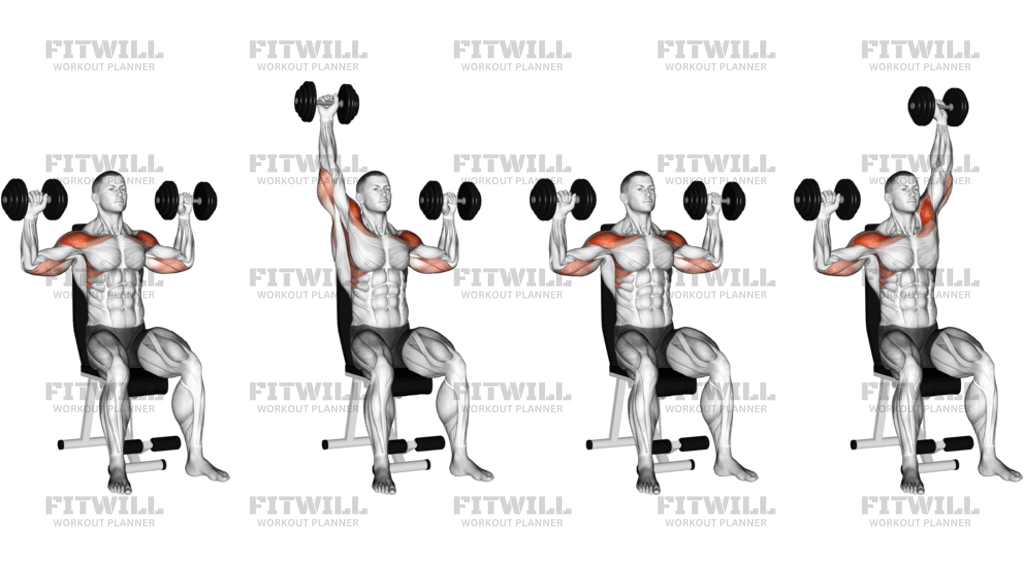
Dumbbell Standing Single-Arm Arnold Press is a standing single-arm shoulder press that adds a rotation from a palms-in start to an overhead finish. The movement asks the front and side shoulders to work through a longer, more coordinated path than a basic press, while the core and upper back keep the torso from turning or leaning under load.
Because the dumbbell starts at shoulder height and finishes locked out overhead, the setup matters as much as the press itself. A stable stance, stacked ribs, and a clean hand path help the rep feel smooth instead of awkward. The free arm stays relaxed for balance, while the working side stays organized from the first drive off the shoulder to the controlled return.
Dumbbell Standing Single-Arm Arnold Press is useful for building unilateral shoulder strength, improving pressing control, and exposing side-to-side differences that can hide in two-arm work. It can fit well in strength, hypertrophy, or accessory sessions, especially when you want a press that demands more shoulder coordination and less brute force than a heavy bilateral variation.
The rotation should feel deliberate, not forced. Start with the palm facing you near the shoulder, then turn the palm forward as you press the dumbbell overhead so the wrist finishes stacked over the shoulder and elbow. Lower along the same path with control, letting the bell return to shoulder height before the next rep instead of dropping into the bottom position.
Keep the torso tall and the neck quiet throughout the set. If the ribs flare, the lower back arches, or the shoulder rides up toward the ear, the load is usually too heavy or the range is too aggressive. A lighter dumbbell with clean rotation will train the shoulders better than a sloppy rep that turns into a standing heave.
[ Workout Log & Planner ]
Put your next workout in Fitwill
Keep your plan and training log ready when you are.


Instructions
- Stand tall with your feet about hip-width apart and hold one dumbbell at shoulder height on the working side, palm facing you and elbow tucked slightly in front of your ribcage.
- Keep your free arm relaxed by your side, square your hips to the front, and stack your ribs over your pelvis before the first rep.
- Brace your midsection and keep your chin level so the dumbbell starts from a quiet, stable shoulder position.
- Press the dumbbell upward while turning your palm away from you, letting the elbow travel under the weight as the arm rises.
- Finish with the arm straight overhead, wrist stacked over shoulder and ear, and avoid shrugging the shoulder toward the neck.
- Pause briefly at the top without leaning back or twisting toward the loaded side.
- Lower the dumbbell slowly, rotating the palm back toward you as the elbow returns in front of the body.
- Bring the dumbbell back to shoulder height with control, reset your posture, and repeat for the planned reps before switching sides.
Tips & Tricks
- Choose a lighter dumbbell than you would for a strict single-arm press; the built-in rotation makes the lift feel harder.
- Keep the elbow slightly in front of the torso at the start so the shoulder can press smoothly instead of getting pinned behind the body.
- Turn the palm as you press rather than cranking the wrist first; the rotation should flow with the upward drive.
- Do not let the loaded shoulder hike toward your ear at lockout; reach up long without shrugging.
- If your ribs flare or your lower back arches, lower the weight and finish each rep with a stacked torso.
- A small amount of torso counterbalance is fine, but visible side-bending means the dumbbell is too heavy for clean Arnold pressing.
- Lower the bell slowly back to shoulder height instead of dropping it, because the return phase is where the shoulder control is trained.
- If the front of the shoulder feels pinchy, reduce the depth at the bottom and use a smaller rotation arc.
- Breathe out through the press and reset your breath at shoulder height before the next repetition.
- Match both sides closely; the weaker side should follow the same path even if it needs a lighter load.
Frequently Asked Questions
What muscles does Dumbbell Standing Single-Arm Arnold Press work most?
It mainly trains the shoulders, especially the front and side deltoids, with the triceps and core helping stabilize the press.
Why do I do Dumbbell Standing Single-Arm Arnold Press one arm at a time?
Single-arm work makes it easier to spot side-to-side strength differences and forces the torso to resist twisting while the working shoulder presses.
Should my palm face me or face forward during the rep?
Start with the palm facing you at shoulder height, then rotate the hand forward as the dumbbell travels overhead.
How heavy should I use for Dumbbell Standing Single-Arm Arnold Press?
Use a lighter dumbbell than you would for a basic single-arm press, because the rotation and overhead path make the movement less forgiving.
What is the most common mistake with this press?
The biggest error is turning it into a lean-and-shrug press, which usually means the weight is too heavy or the ribs are flaring during the drive.
Can beginners do Dumbbell Standing Single-Arm Arnold Press?
Yes, but beginners should start light and keep the rotation small if the shoulder feels cramped at the bottom position.
What should I do if the front of my shoulder feels pinched?
Shorten the range, reduce the rotation, and try a neutral-grip single-arm press if the bottom position of the Arnold press feels uncomfortable.
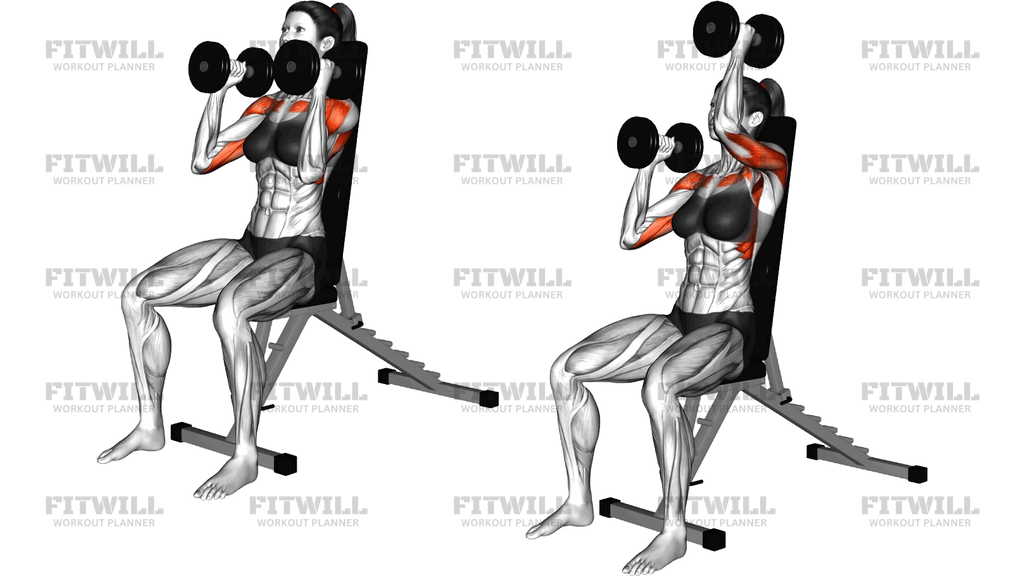
Can I perform Dumbbell Standing Single-Arm Arnold Press seated instead?
Yes, seated pressing reduces body sway and can make it easier to control the rotation if standing balance is the limiting factor.