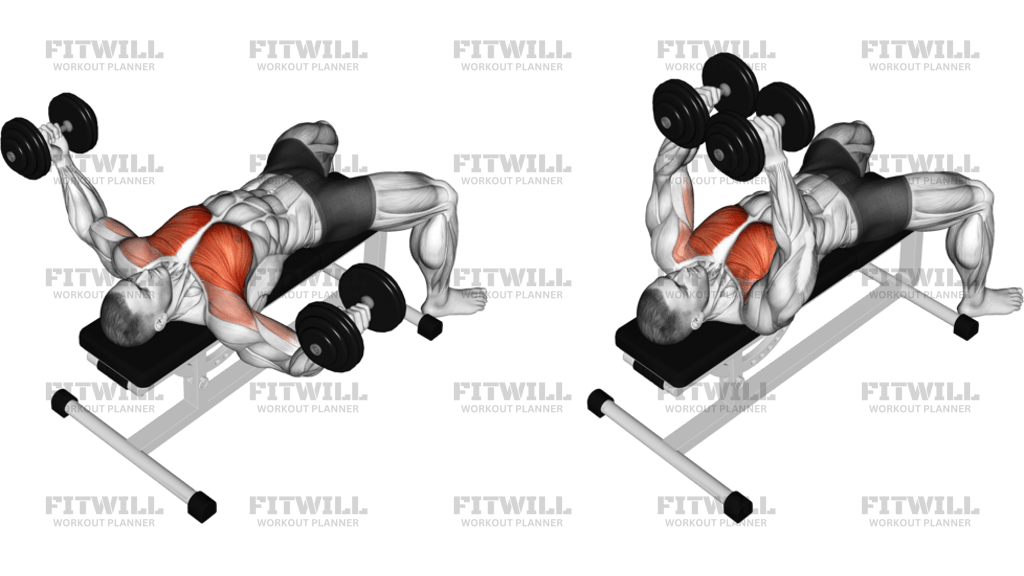
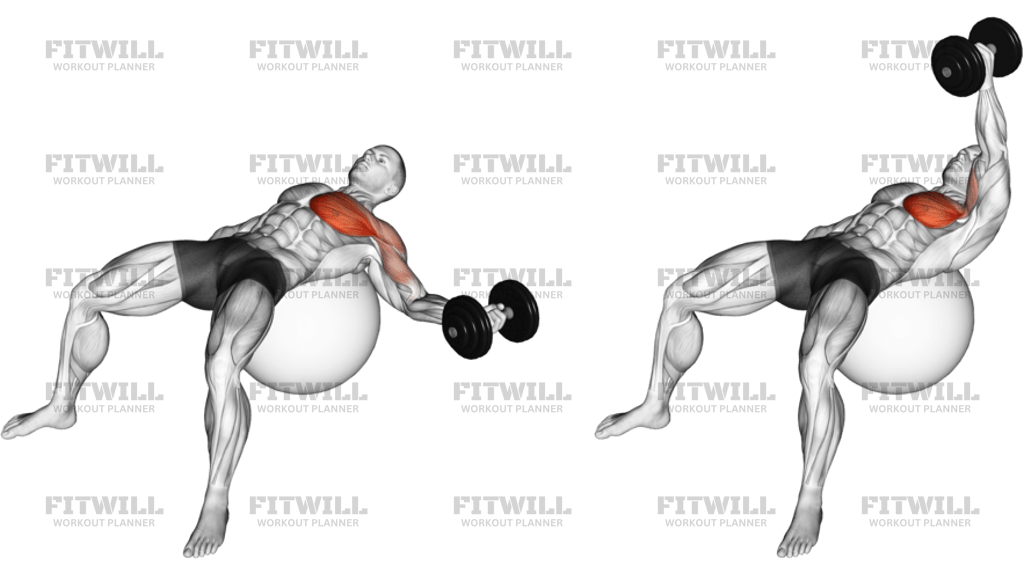
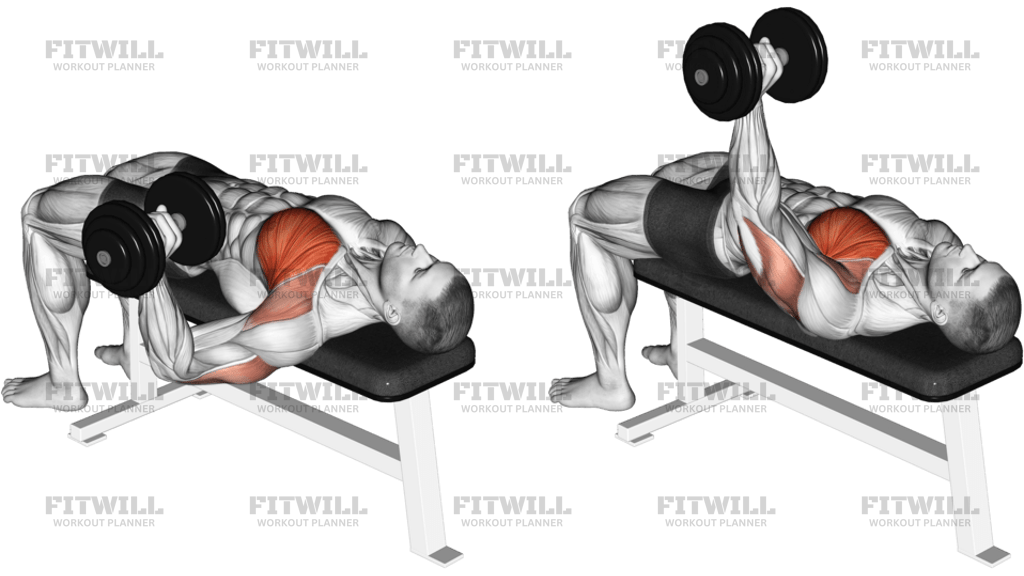
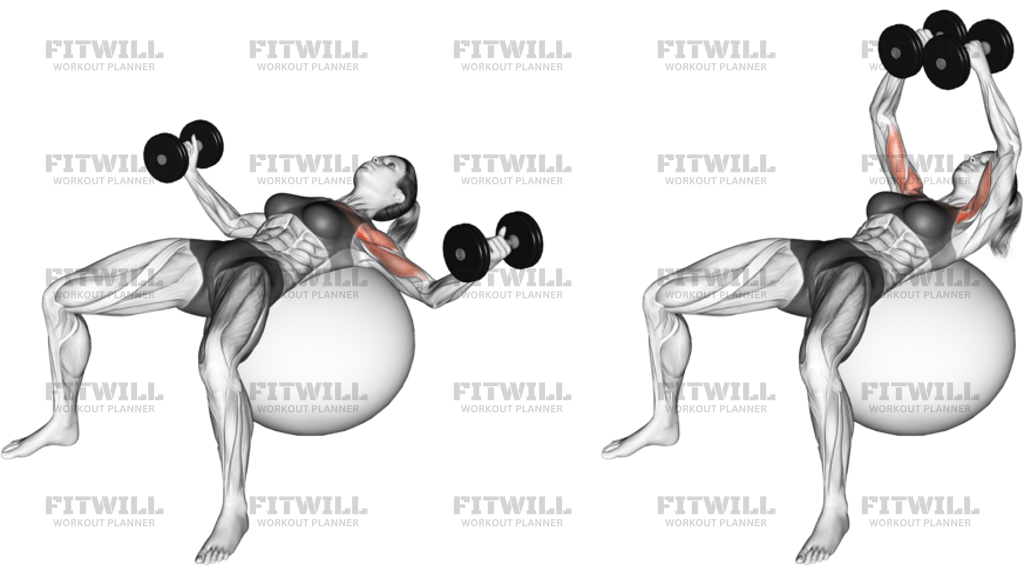
Dumbbell Rotational Grip Bench Press
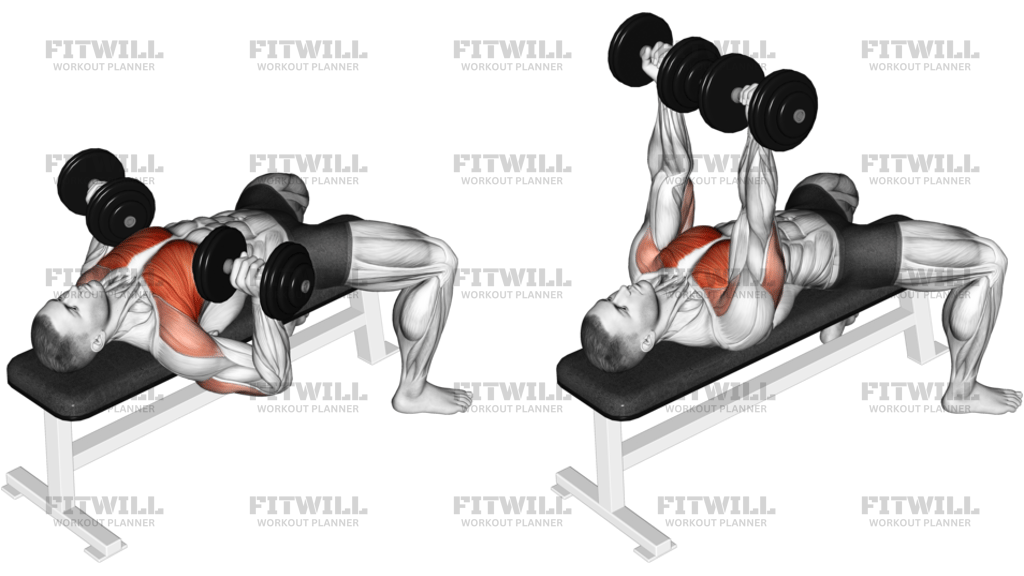
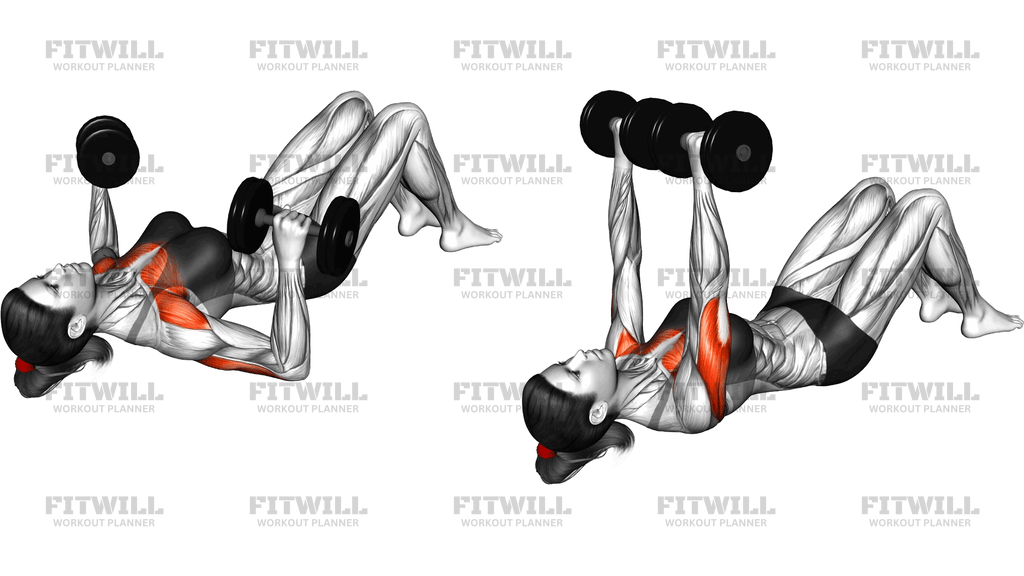
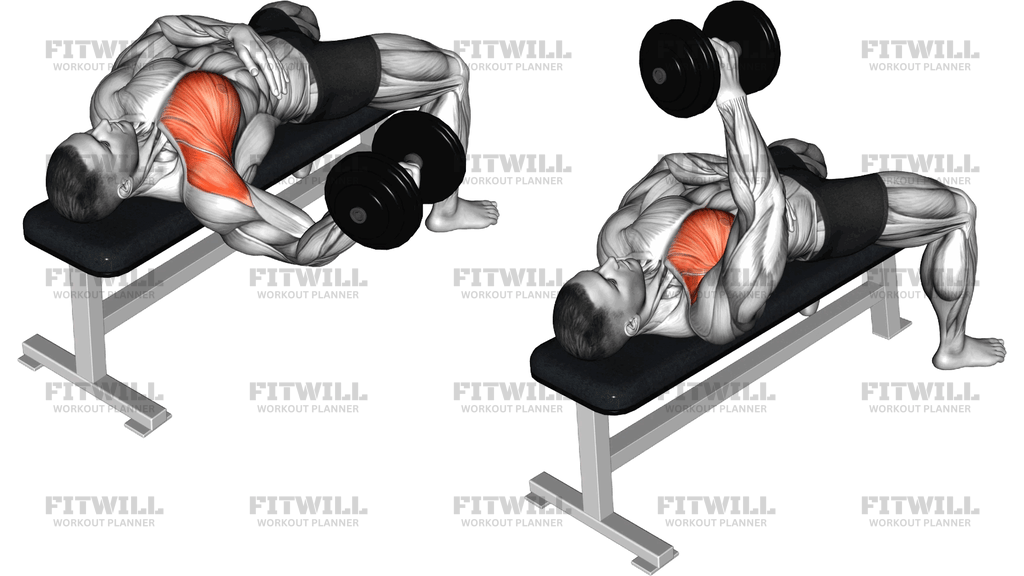
Dumbbell Rotational Grip Bench Press is a flat-bench pressing variation that combines a standard dumbbell press with a smooth hand rotation as the weights travel upward. It is useful for lifters who want a chest-focused press that also asks the shoulders, triceps, and upper back to stay organized through the transition. Compared with a straight neutral-grip dumbbell press, the rotation adds coordination and makes the top position feel more deliberate.
The setup matters because the movement only feels clean when the bench position is stable. Lie on a flat bench with your eyes under the dumbbells, feet planted on the floor, and your shoulder blades pulled back and down into the pad. Start with the dumbbells above the mid-chest and the wrists stacked over the elbows. A neutral grip at the bottom usually gives the shoulders the smoothest path before the rotation begins.
From there, lower the dumbbells in a controlled arc until they reach chest level or just slightly above it, keeping the elbows angled a little away from the torso instead of flaring straight out. Press the weights upward while rotating them in sync so the grip becomes more pronated as the dumbbells rise. The rep should feel smooth, not twitched or rushed, with the dumbbells traveling evenly and the chest doing the bulk of the work.
At the top, finish over the middle of the chest with the elbows nearly straight and the shoulders still packed down. Do not bang the dumbbells together or overreach into a shrug. The rotation should end because the press is finished, not because you are forcing the wrists to twist harder than they want to. Controlled repetitions matter more here than a big load.
Dumbbell Rotational Grip Bench Press fits well in chest sessions, upper-body days, or accessory work when you want pressing volume with a little more control than a barbell. It can also be a useful option for lifters who prefer dumbbells because each side moves independently and the shoulders can self-organize more naturally. Use a load that lets you lower quietly, rotate smoothly, and repeat the same groove every rep. If the twist irritates the wrists or shoulders, shorten the rotation or switch to a standard dumbbell bench press for that session.
[ Workout Log & Planner ]
Put your next workout in Fitwill
Keep your plan and training log ready when you are.


Instructions
- Lie back on a flat bench with your eyes under the dumbbells, feet flat on the floor, and your shoulder blades pulled back and down.
- Hold the dumbbells above the middle of your chest with a neutral grip, wrists stacked over elbows, and your upper arms angled slightly out from your torso.
- Set a small natural arch in your lower back and brace your midsection so your ribcage stays steady against the bench.
- Lower both dumbbells in a controlled arc toward chest level, keeping the forearms vertical and the elbows from flaring straight out.
- Press the dumbbells upward while rotating the handles smoothly so the grip becomes more pronated as the weights rise.
- Finish the rep above the middle of your chest with the elbows nearly straight, shoulders down, and no clanging at the top.
- Reverse the same path on the way down and keep both dumbbells rotating at the same speed.
- Inhale as you lower, exhale as you press through the sticking point, and keep the neck relaxed the entire set.
- After the final rep, lower the dumbbells to your thighs and sit up before standing or handing them off.
Tips & Tricks
- Start lighter than a normal dumbbell bench press; the rotation adds instability and makes sloppy reps show up fast.
- Keep the shoulder blades pinned to the bench so the chest presses from a stable base instead of the shoulders rolling forward.
- Rotate the dumbbells smoothly through the forearms and wrists, not with a sudden twist from the shoulders.
- If the dumbbells wobble at the top, stop just short of lockout and keep the finish position tight and controlled.
- Let the elbows track slightly below shoulder level on the descent; a straight-out flare usually turns this into a shoulder press.
- Keep the wrists stacked over the forearms so the handles do not bend back as the rotation begins.
- Do not force the palms to turn faster than the press. The twist should match the speed of the dumbbells, not lead it.
- Lower each rep quietly. If the weights thump into the bottom, the descent is too fast or the load is too heavy.
- Match both arms rep for rep. If one dumbbell rotates sooner than the other, slow the set down and reset the groove.
- If the shoulders feel cranky, shorten the rotation and finish the press in a more neutral hand position.
Frequently Asked Questions
What muscles does Dumbbell Rotational Grip Bench Press work?
It mainly trains the chest, with help from the front shoulders and triceps. Your upper back and core work to keep the bench position steady.
How is Dumbbell Rotational Grip Bench Press different from a regular dumbbell bench press?
The rotation adds a coordination challenge and changes how the wrists and shoulders finish the press. That usually means a lighter load and a more deliberate rep.
Should I start with my palms facing each other or forward?
Start with a neutral grip at the bottom so the dumbbells sit naturally over the chest. Turn the handles smoothly as you press so the top position feels stronger and more stable.
How low should I lower the dumbbells?
Lower them to chest level or just slightly above it, as long as the forearms stay stacked and the shoulders do not roll forward. Going deeper is not better if it turns the rep into a shoulder stress test.
Do both dumbbells need to rotate at the same time?
Yes. Keep the twist matched from side to side so the press stays even and one shoulder does not take over.
Can beginners do Dumbbell Rotational Grip Bench Press?
Yes, but start with light dumbbells and a smaller rotation. If the wrist or shoulder feels unstable, a standard neutral-grip dumbbell bench press is the easier option.
What is the biggest form mistake with this exercise?
Most people twist too aggressively or let the elbows flare too wide. Keep the chest set on the bench and let the rotation happen smoothly as part of the press.
Should the dumbbells touch at the top?
No. Finish over the middle of the chest with control, but do not clack the dumbbells together or shrug the shoulders forward.