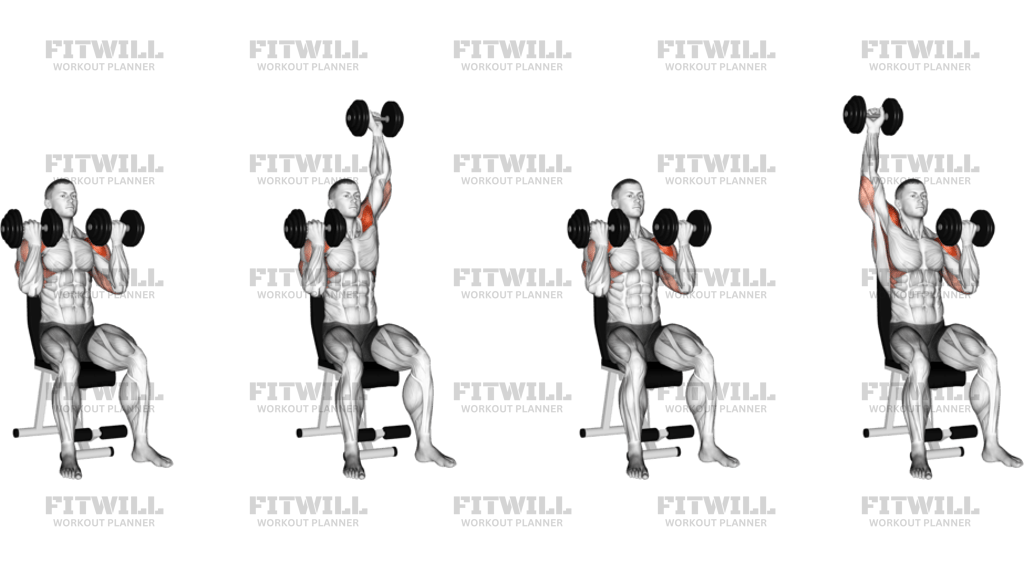
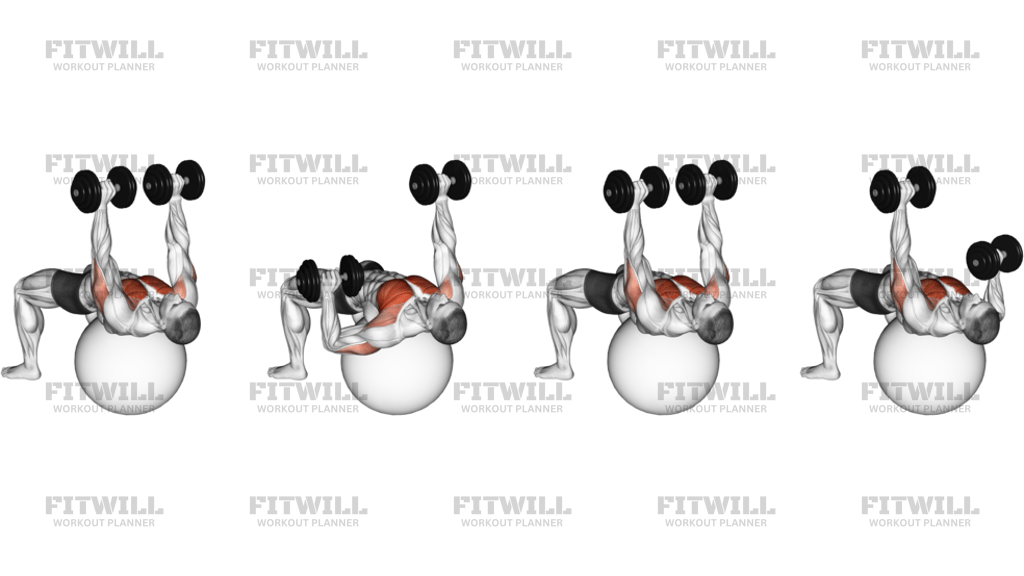
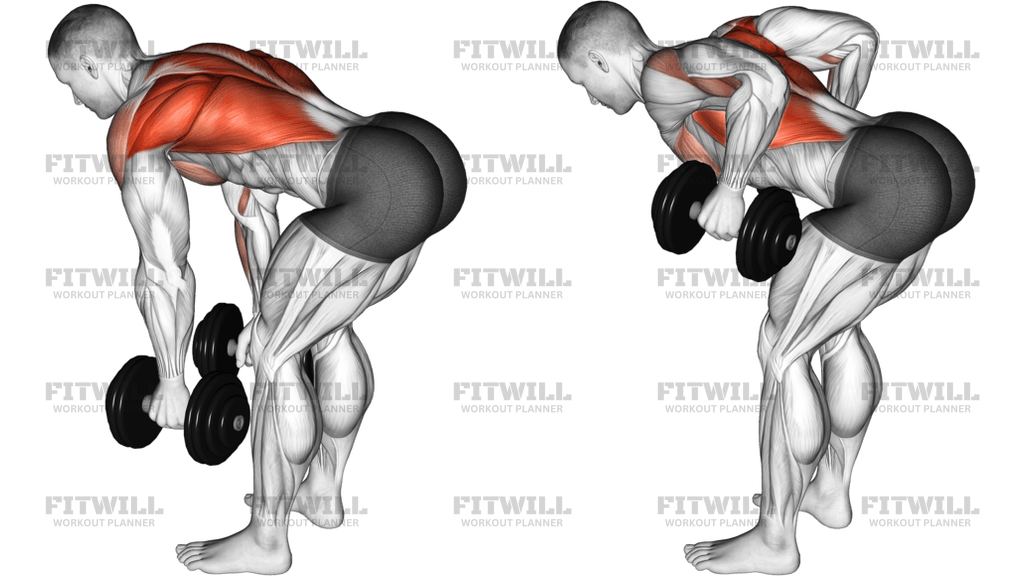
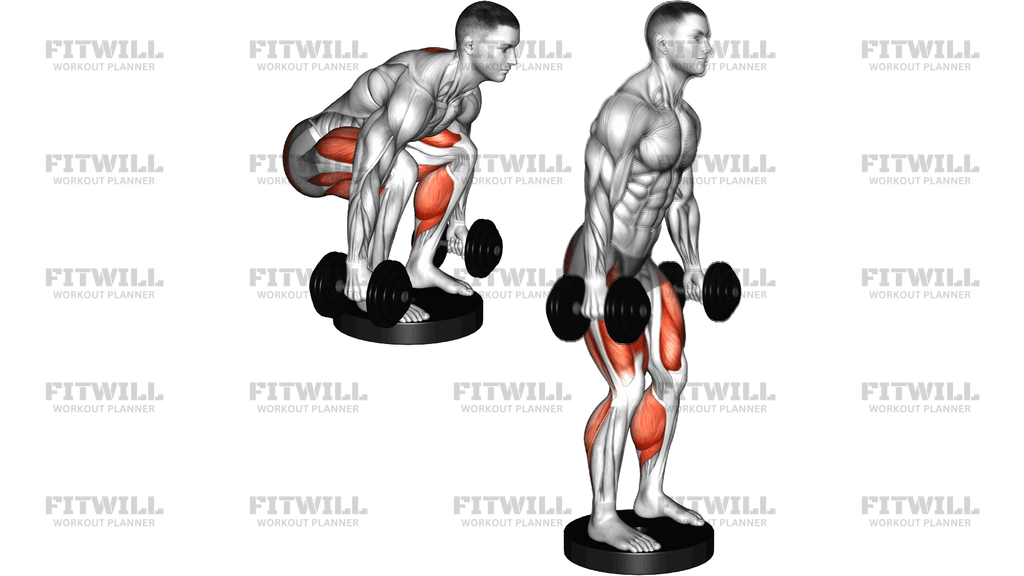
Dumbbell Alternate Lateral Raise
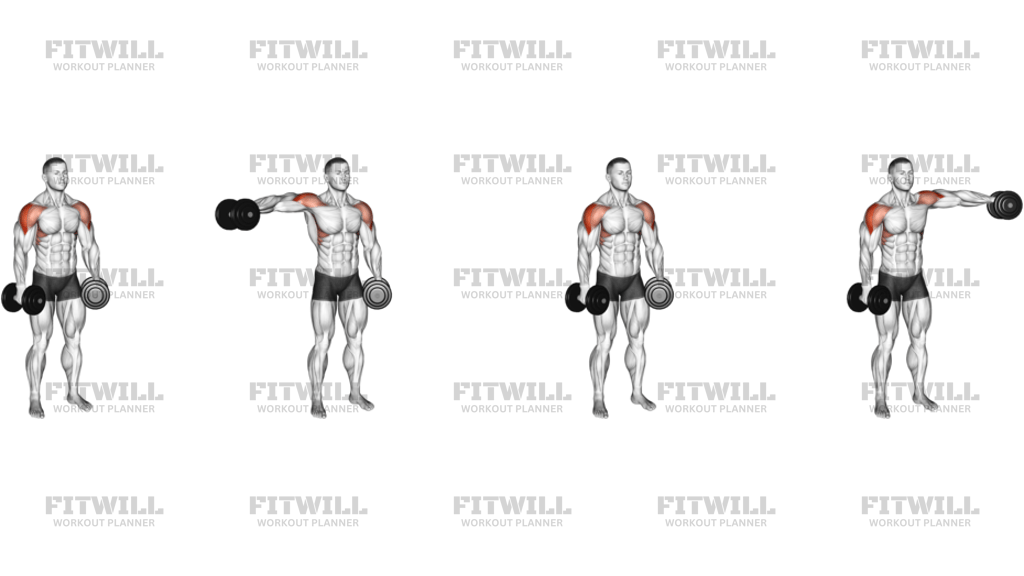
Dumbbell Alternate Lateral Raise is a standing shoulder isolation exercise that lifts one arm at a time from your side to about shoulder height. It is used to build the side delts, sharpen shoulder shape, and improve control around the shoulder joint without needing a machine or bench. Because the arms alternate, each rep asks you to keep the torso quiet while one shoulder works and the other side resists the urge to shift or shrug.
The movement is most useful when you want focused tension on the lateral deltoid with only a small amount of help from the upper traps, rotator cuff, and trunk stabilizers. That makes the setup matter. A tall stance, neutral ribs, and a calm neck keep the lift honest; if the body leans or the shoulders rise toward the ears, the load quickly moves away from the side delt and into momentum.
Perform each rep by raising the dumbbell in a smooth arc slightly in front of the body, keeping a soft elbow bend and a neutral wrist. The hand should stop around shoulder level, not above it, so the shoulder stays in a strong and comfortable path. Lower the weight under control, reset the shoulder, and then repeat on the opposite side. The alternating pattern helps you pay attention to each arm instead of rushing both sides together.
This exercise fits well as accessory work on a shoulder day, in a push session, or in a warmup where you want to wake up the delts before heavier pressing. It also works well for lifters who need a simple unilateral shoulder drill that is easy to load lightly and progress gradually. Keep the reps clean, the path smooth, and the range pain-free.
The main technical risks are swinging the torso, shrugging at the top, and letting the dumbbell drift too high or too far behind the line of the body. Those mistakes turn the exercise into an upper-trap shrug or a momentum lift. Stay strict, keep the neck long, and let the side of the shoulder do the work.
Fitwill
Log Workouts, Track Progress & Build Strength.
Achieve more with Fitwill: explore over 9600 exercises with images and videos, access built-in and custom workouts, perfect for both gym and home sessions, and see real results.
Start your journey. Download today!




Instructions
- Stand tall with a dumbbell in each hand at your sides, feet about hip-width apart, palms facing your thighs, and elbows softly bent.
- Set your ribs down, brace your midsection, and keep your shoulders away from your ears before the first lift.
- Begin with one arm and raise that dumbbell in a smooth arc slightly in front of your body rather than straight out to the side.
- Lead the lift with the elbow and keep the wrist neutral so the hand and forearm travel as one unit.
- Stop when the upper arm reaches about shoulder height and the arm is roughly parallel to the floor.
- Keep the opposite dumbbell hanging quietly at your side without leaning, twisting, or bouncing.
- Lower the working arm slowly back to your thigh under control, then fully reset the shoulder before switching sides.
- Alternate arms for the planned number of repetitions or time, breathing out as you lift and breathing in as you lower.
Tips & Tricks
- Use lighter dumbbells than you would for a two-arm raise; alternating makes each shoulder work harder than it looks.
- Keep the lift in the scapular plane, slightly in front of the torso, if a pure side raise feels pinchy.
- Think about moving the elbow out and up instead of trying to throw the hand high.
- Do not let the top of the rep turn into a shrug; if your traps dominate, the load is too heavy.
- Stop around shoulder height; going higher usually shortens the delt and increases upper-trap takeover.
- Keep the torso stacked over the feet and avoid side-bending toward the working arm.
- A slow lowering phase keeps tension on the side delt and makes lighter weights feel more productive.
- If your wrists start bending back, reduce the load and keep the handle centered in the palm.
- Use a brief pause at the top only if you can keep the shoulder down and the neck relaxed.
Frequently Asked Questions
What muscles does Dumbbell Alternate Lateral Raise work most?
It primarily targets the side delts, with the upper traps, rotator cuff, and core helping to stabilize the movement.
How is this different from a regular two-arm lateral raise?
You lift one arm at a time, which makes it easier to focus on each shoulder and keep the torso from swinging.
How high should the dumbbell go on each rep?
Stop around shoulder height. Going higher usually adds shrugging and momentum instead of more delt work.
Should my arm stay perfectly straight during the lift?
No. Keep a small bend in the elbow so the shoulder moves smoothly without locking the joint.
Why do I feel this in my neck or traps?
That usually means the weight is too heavy or you are shrugging at the top of the rep. Keep the shoulders down and lighten the load.
Can beginners do this exercise safely?
Yes. Start with very light dumbbells and a short, controlled range before adding load or volume.
Is it okay to lean slightly while I raise the weight?
A small amount of natural balance is fine, but you should not side-bend or swing the torso to finish the rep.
What is a good way to progress this movement?
Increase the load slowly, add a pause at shoulder height, or keep the same weight and make the lowering phase slower.