Dumbbell Single-Arm Alternate Decline Bench Press
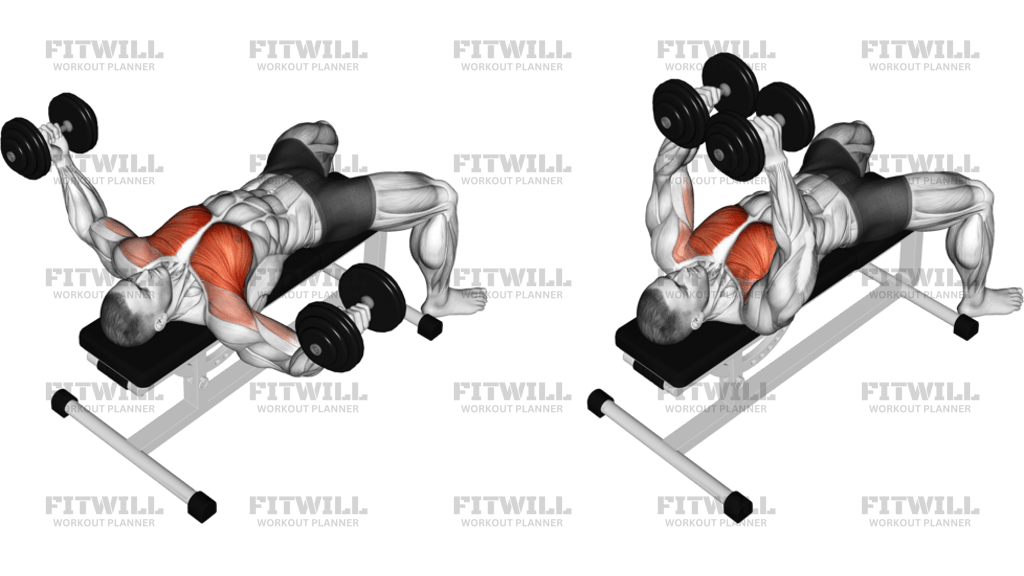
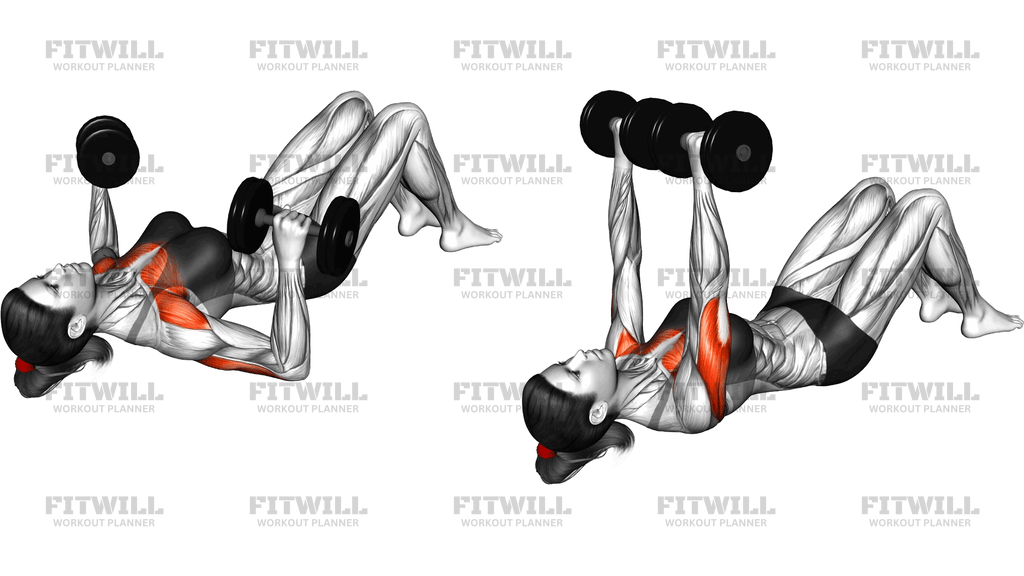
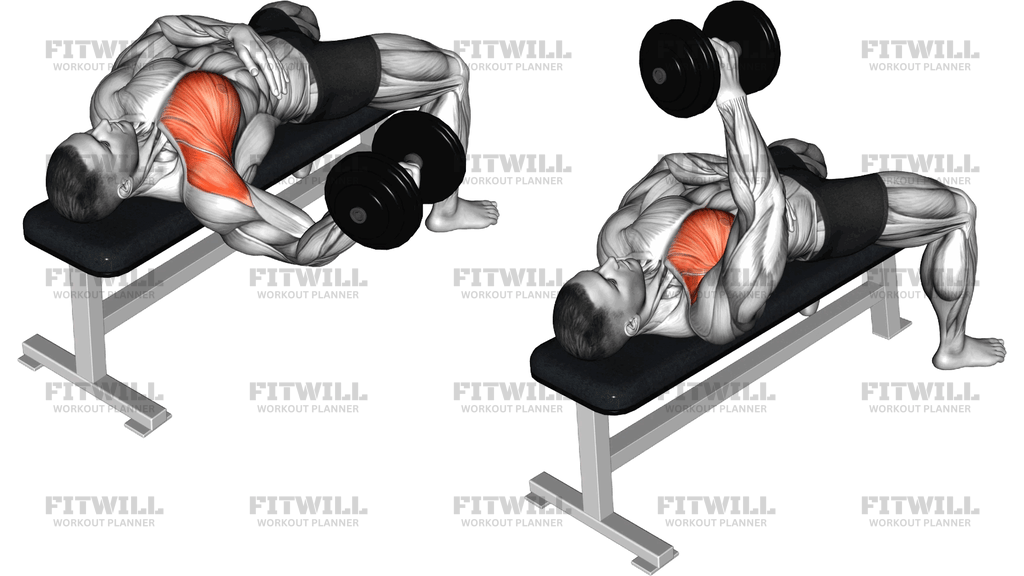
Dumbbell Single-Arm Alternate Decline Bench Press is a unilateral pressing variation performed on a decline bench with one dumbbell moving at a time while the other arm stays locked out. The decline angle shifts the press slightly downward and makes the chest, front shoulders, triceps, and trunk work together to keep the body from rotating. It is a useful option when you want the loading feel of dumbbells but also want the control challenge of alternating sides.
The setup matters because the bench angle, foot anchor, and shoulder position determine how stable each rep feels. Secure your feet, lie back with your upper back supported, and keep your shoulder blades gently set into the bench so the chest stays open without letting the lower back take over. Each dumbbell should start stacked over the shoulder so the wrist, elbow, and forearm line up before the first descent.
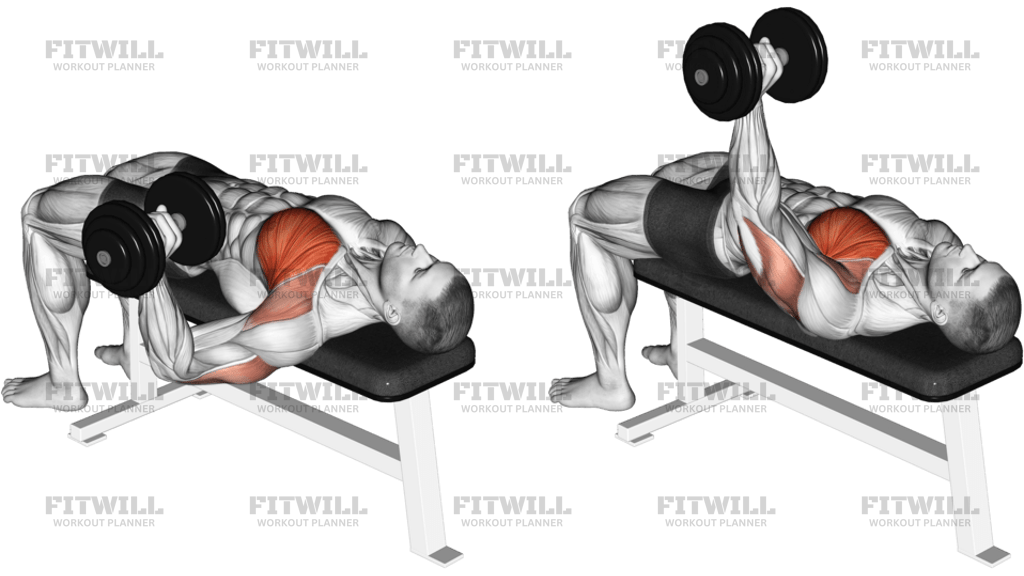
Press one side at a time with a smooth rhythm. Lower the working dumbbell toward the lower chest or upper ribs, keep the elbow slightly tucked, and stop the descent before the shoulder rolls forward. Press back up along the same line until the arm is straight, then switch sides while keeping the non-working arm quiet and steady overhead. The torso should stay square on the bench, not twist toward the moving arm.
Because one arm is always stabilizing while the other presses, Dumbbell Single-Arm Alternate Decline Bench Press can reveal side-to-side differences in strength, control, and shoulder stability. That makes it a good accessory for chest-focused training, especially when a standard bilateral press feels too easy to cheat. It fits well in moderate-rep strength work or hypertrophy sessions where clean alternating reps matter more than chasing the heaviest dumbbells.
Keep the reps honest. A brief pause near the bottom helps remove bouncing off the chest, and a controlled return keeps tension on the pecs instead of dumping the load into the shoulders. If the bench setup feels unstable, the shoulders pinch, or the torso starts rolling side to side, reduce the weight and shorten the range until every rep stays smooth. For heavier sets, use a spotter or set the dumbbells up carefully before you lie back so the unrack and finish are both safe.
[ Workout Log & Planner ]
Put your next workout in Fitwill
Keep your plan and training log ready when you are.


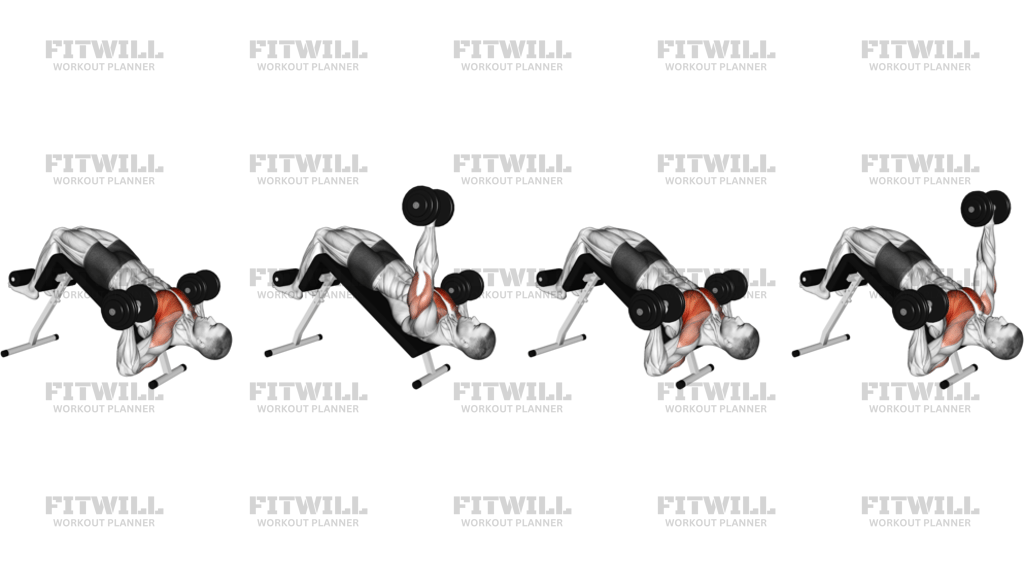
Instructions
- Set the decline bench to a comfortable angle, hook your feet under the pads, and sit back with one dumbbell in each hand resting above your shoulders.
- Lie back on the bench, plant your upper back firmly, and stack each wrist over its elbow with the dumbbells directly above the shoulder line.
- Retract and gently depress your shoulder blades, then brace your trunk so your ribcage stays controlled instead of flared.
- Lower one dumbbell toward the lower chest or upper ribs while the other arm stays locked out and steady over the shoulder.
- Keep the working elbow slightly tucked and stop the descent before the shoulder rolls forward or the upper arm drops too far below the bench line.
- Press the dumbbell up and slightly back to full extension, finishing with both arms square before you switch sides.
- Alternate sides one rep at a time, keeping the torso quiet and the hips heavy on the bench as the load changes hands.
- Breathe in on the lowering phase, exhale as you press, then rack both dumbbells safely at the end of the set.
Tips & Tricks
- Use a load you can stabilize with one arm locked out overhead; if the parked dumbbell wobbles, it is too heavy.
- Keep the non-working dumbbell stacked over the shoulder instead of drifting toward your face or across your midline.
- Let the working dumbbell touch lightly or hover just above the lower chest; bouncing steals tension and stresses the shoulders.
- Think about pressing slightly up and back toward the rack, not straight toward your toes.
- If your torso rotates, widen your feet under the bench and reduce the load before adding more reps.
- Keep your wrists straight so the dumbbells stay in line with the forearms instead of folding the wrists back.
- Use a brief pause at the bottom to remove momentum and make each side do the work.
- Stop the set when one side can no longer lock out cleanly or the shoulder starts shrugging forward.
Frequently Asked Questions
What muscles does Dumbbell Single-Arm Alternate Decline Bench Press work?
It primarily trains the chest, with front shoulders, triceps, and core muscles helping to stabilize the alternating load.
How do I start the set on a decline bench with Dumbbell Single-Arm Alternate Decline Bench Press?
Sit back with the dumbbells on your thighs, hook your feet securely, then lie down and bring the bells over your shoulders before the first rep. If the setup feels awkward, have a spotter help you get into position.
Should one arm stay locked out while the other lowers?
Yes. The parked arm should stay steady over the shoulder while the other side performs the press, which is what makes this variation different from a normal bilateral press.
How low should the dumbbell go on the decline bench?
Lower it toward the lower chest or upper ribs until the upper arm is just below the bench line, but stop before the shoulder rolls forward or the range becomes sloppy.
Is Dumbbell Single-Arm Alternate Decline Bench Press harder than a regular decline dumbbell press?
Usually yes, because one side has to stabilize while the other side presses, so the core and shoulder position matter more.
Can beginners use Dumbbell Single-Arm Alternate Decline Bench Press?
Yes, but it is usually better to learn a regular decline dumbbell press first and then add the alternating pattern with a lighter load.
Why does my torso twist during this press?
Twisting usually means the load is too heavy or the feet are not anchored well enough. Reduce the weight and keep the hips heavy on the bench so the ribcage stays square.
What should I do if my front shoulder feels pinchy?
Shorten the bottom range slightly, tuck the elbow a bit more, and lower the weight. If the pinch stays, switch to a flatter pressing variation.