Arm Crossover
Arm Crossover is a standing bodyweight chest and shoulder mobility drill built around a cross-body arm sweep at shoulder height. The movement is simple, but the quality of the setup matters: when the ribs stay stacked, the shoulder blade can travel smoothly across the chest and the pecs stay in the line of pull instead of the neck and upper traps taking over.
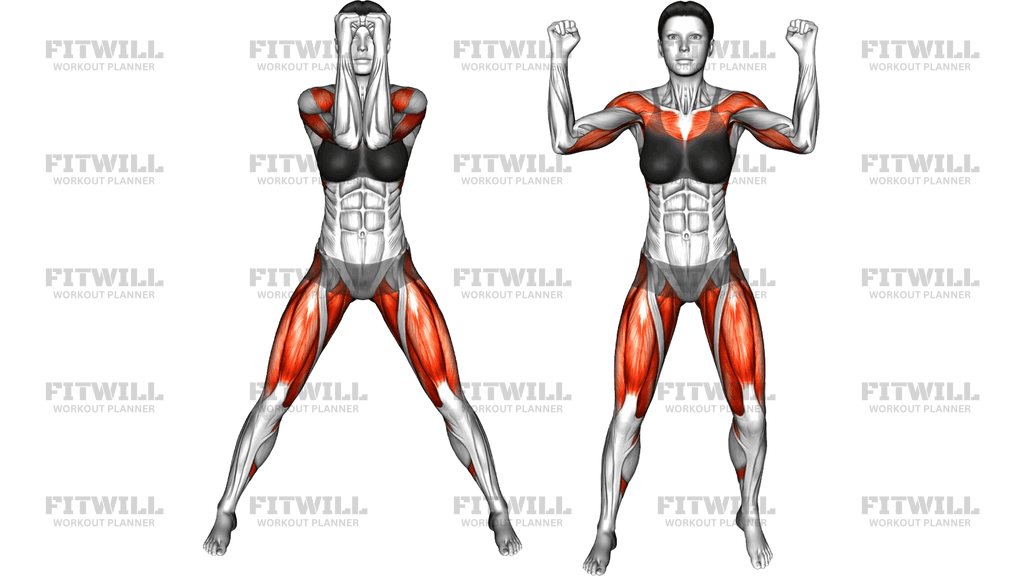
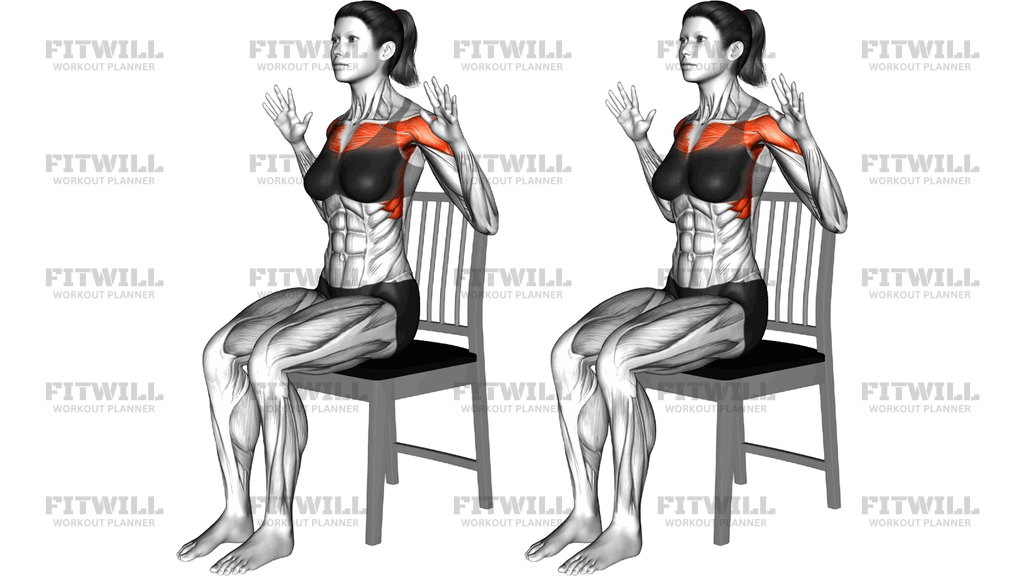
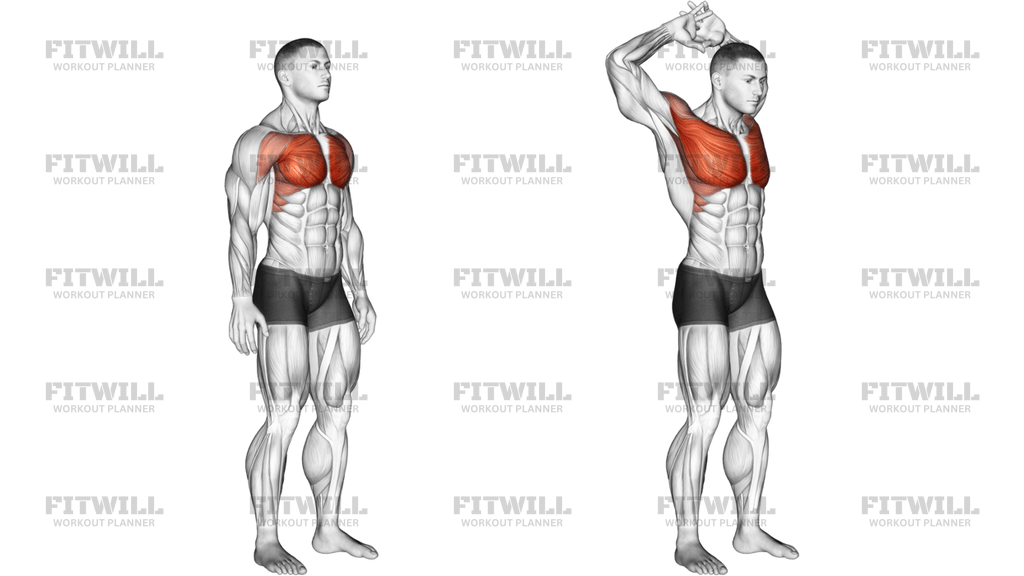
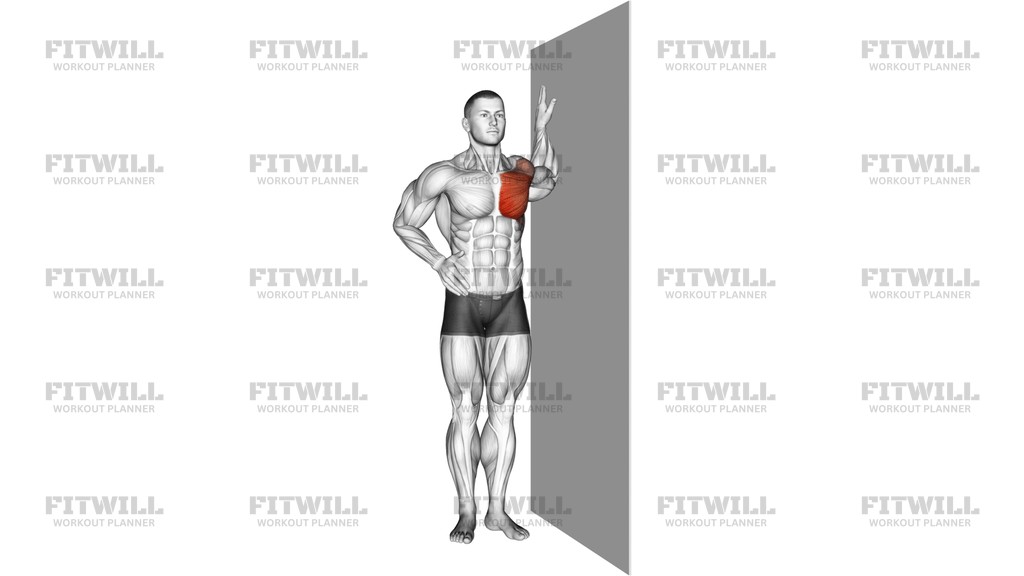
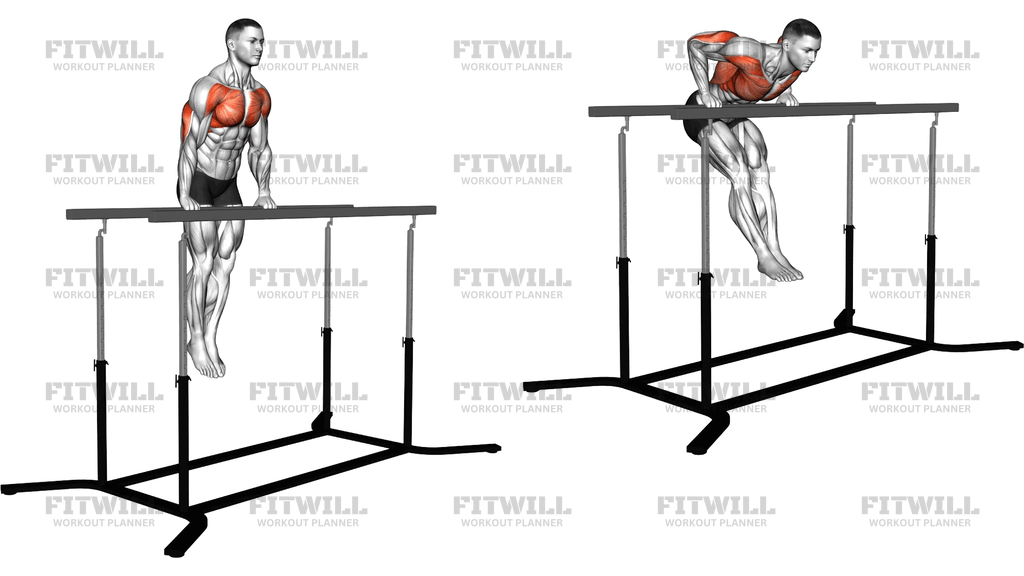
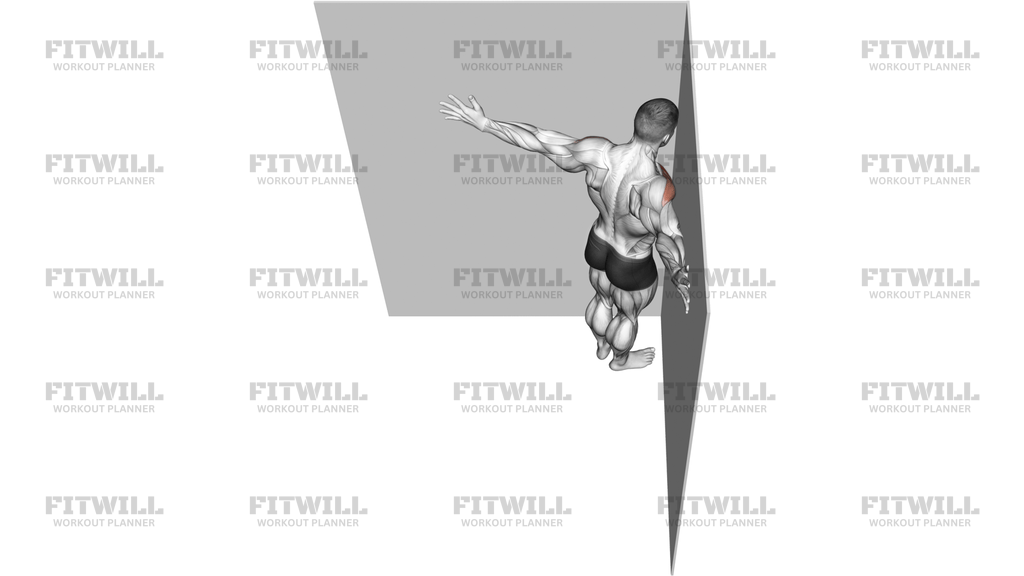
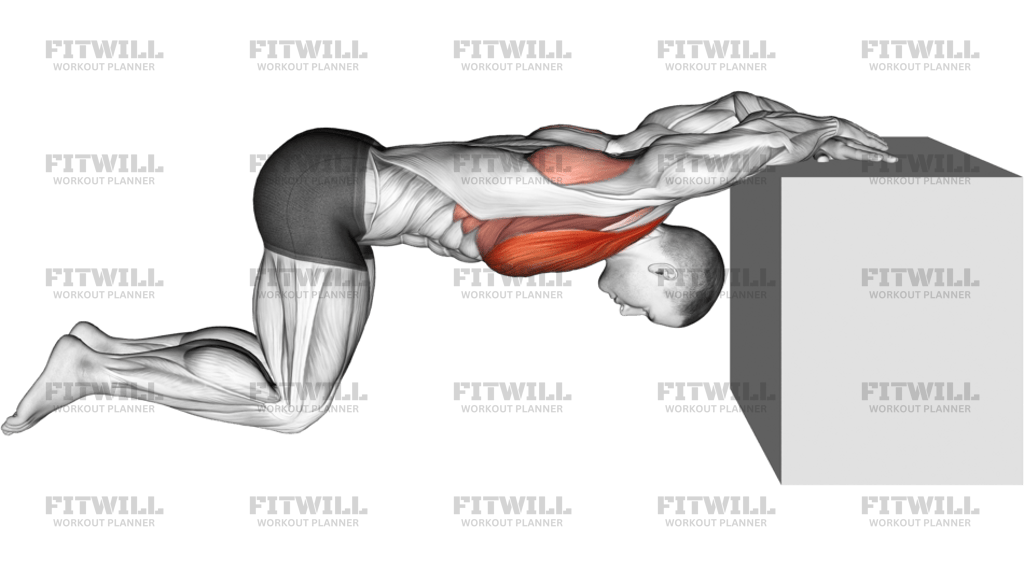
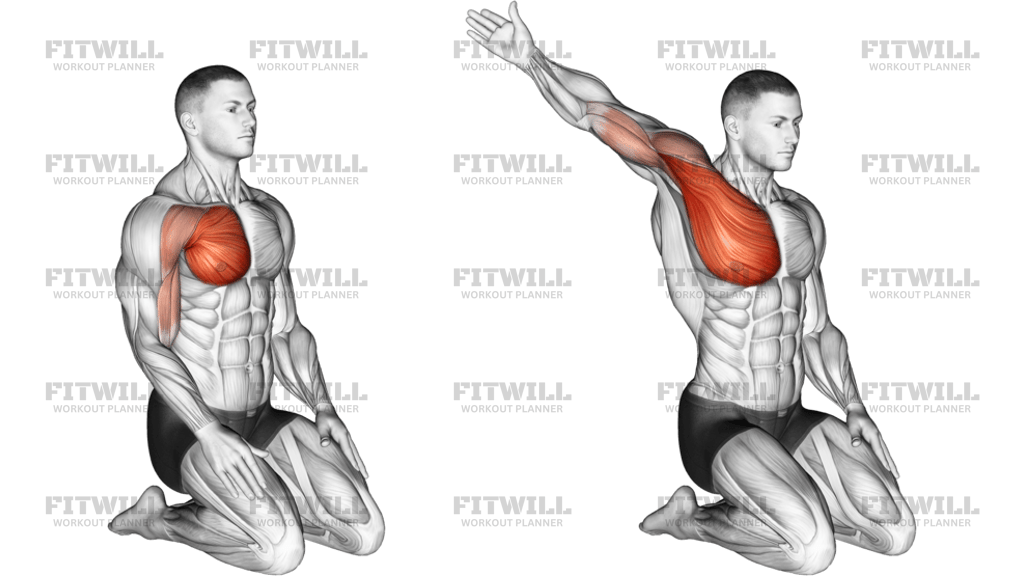
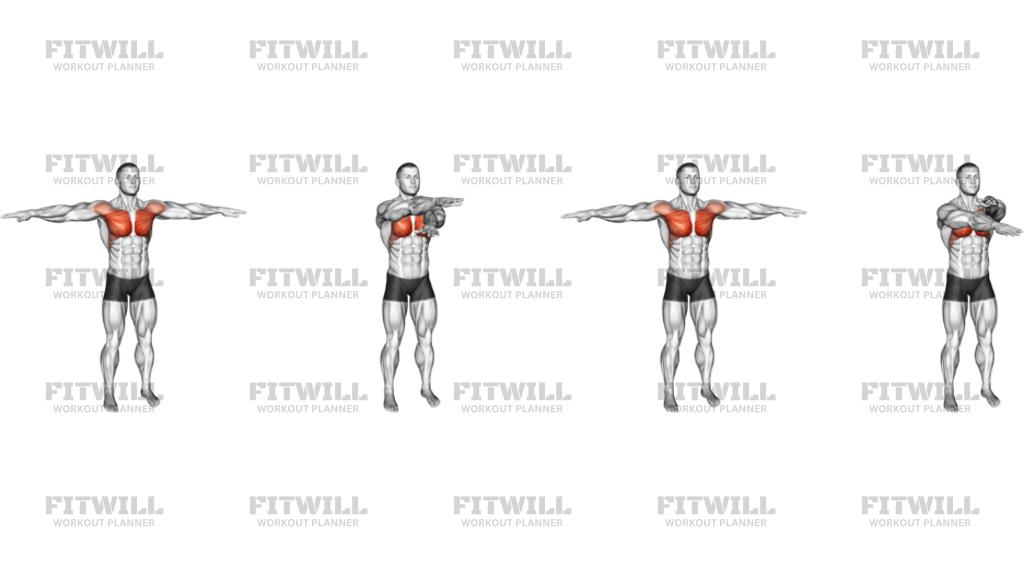
This exercise mainly targets the pectoralis major while asking the front delts, triceps, and trunk to keep the arm path clean. In practical terms, it is useful as a warm-up, activation drill, or low-intensity accessory movement when you want to wake up the chest without heavy loading. The image shows a standing position with both arms extended, then one arm crossing in front of the torso, which is the key action to repeat with control on both sides.
The best version starts from a tall stance with the chest open, feet rooted, and the arms held at about shoulder height. From there, one arm sweeps across the body as if reaching toward the opposite shoulder line, then returns to the open position before the other side works. That path should feel smooth and deliberate, not forced. Keep the moving arm long, avoid twisting the torso to fake range, and stop the rep if the shoulder rolls forward aggressively or the elbow bends to compensate.
Use Arm Crossover when you want a controlled cross-body chest drill that can fit between pressing sets, before upper-body training, or during a light recovery session. It is especially helpful when the pecs feel tight and you want to rehearse shoulder control without a bench, cable, or machine. Start with small, honest reps and only increase range if the shoulder stays comfortable and the chest, not the neck, remains the main area of tension.
Fitwill
Log Workouts, Track Progress & Build Strength.
Achieve more with Fitwill: explore over 9600 exercises with images and videos, access built-in and custom workouts, perfect for both gym and home sessions, and see real results.
Start your journey. Download today!




Instructions
- Stand tall with your feet about hip-width apart and raise both arms to shoulder height with a soft bend in the elbows.
- Open the chest, lengthen through the crown of the head, and keep your ribs stacked over your pelvis before the first rep.
- Sweep one arm across the front of your chest until it passes the midline, keeping the shoulder down and the movement smooth.
- Let the opposite shoulder stay quiet so the torso does not twist to steal range.
- Pause briefly in the crossed position when you feel the pecs and front shoulder working, not the neck.
- Return the arm to the open position under control and keep the arm line level with the shoulder.
- Repeat the same path on the other side, matching the range and tempo.
- Breathe out through the crossing phase and inhale as you open back up.
Tips & Tricks
- Keep the working arm at shoulder height so the crossover stays on the chest instead of drifting into a shrug.
- If the shoulder pinches, lower the arm slightly and shorten the crossing distance before forcing more range.
- Use a small elbow bend only if it helps you keep the shoulder joint comfortable; do not turn the motion into a press.
- Hold the torso still and think about sliding the arm across a fixed ribcage rather than rotating through the waist.
- Match both sides carefully, because one side usually crosses farther and hides shoulder tightness or weakness.
- Move slowly enough that you can feel the pecs lengthen on the open return instead of snapping back.
- Keep the neck long and relaxed so the upper traps do not take over when the arm reaches across the body.
- Stop each set when the arm path starts to get choppy or the chest stops controlling the movement.
Frequently Asked Questions
What muscle does Arm Crossover target most?
The chest, especially the pectoralis major, is the primary target.
Do I need any equipment for Arm Crossover?
No. It is a standing bodyweight drill, so you only need enough space to move both arms freely.
Where should my arms be during the rep?
Keep the arms around shoulder height and let one arm cross in front of the chest without dropping the shoulder line.
What is the most common mistake with this movement?
Most people twist the torso or shrug the shoulder to fake extra range. The crossover should come from the arm path, not body momentum.
Is Arm Crossover a stretch or a strength exercise?
It works best as a mobility and activation drill, though it still creates light chest and shoulder tension when done with control.
Can beginners perform this exercise?
Yes. Beginners can use a short range and a slow tempo as long as the chest opening feels smooth and pain-free.
When should I use Arm Crossover in a workout?
It fits well in the warm-up, between upper-body sets, or as a light finisher when you want chest activation without heavy loading.
What should I do if I feel it more in my neck than my chest?
Lower the arms slightly, soften the range, and keep the shoulder blades from hiking up as the arm crosses.