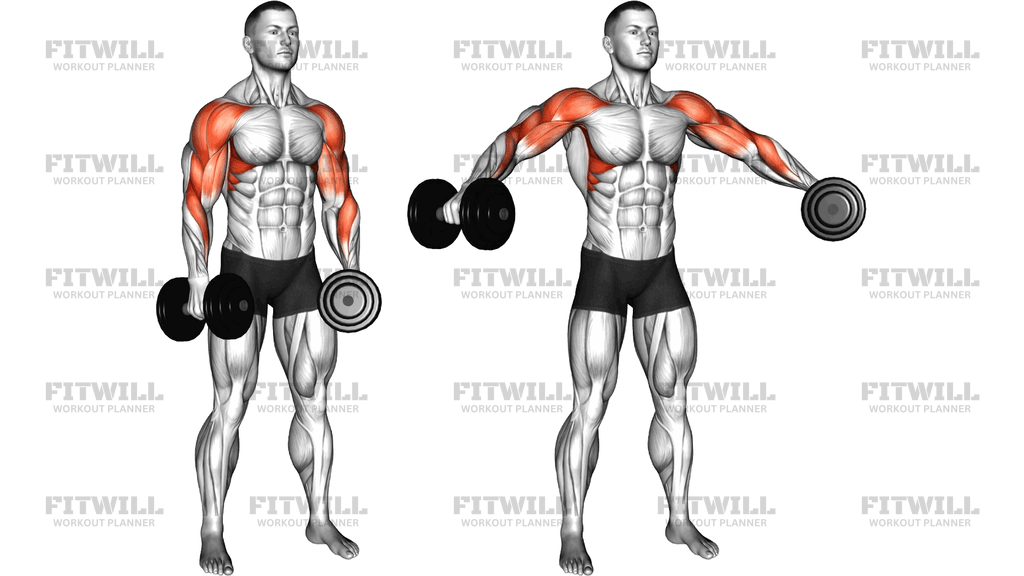
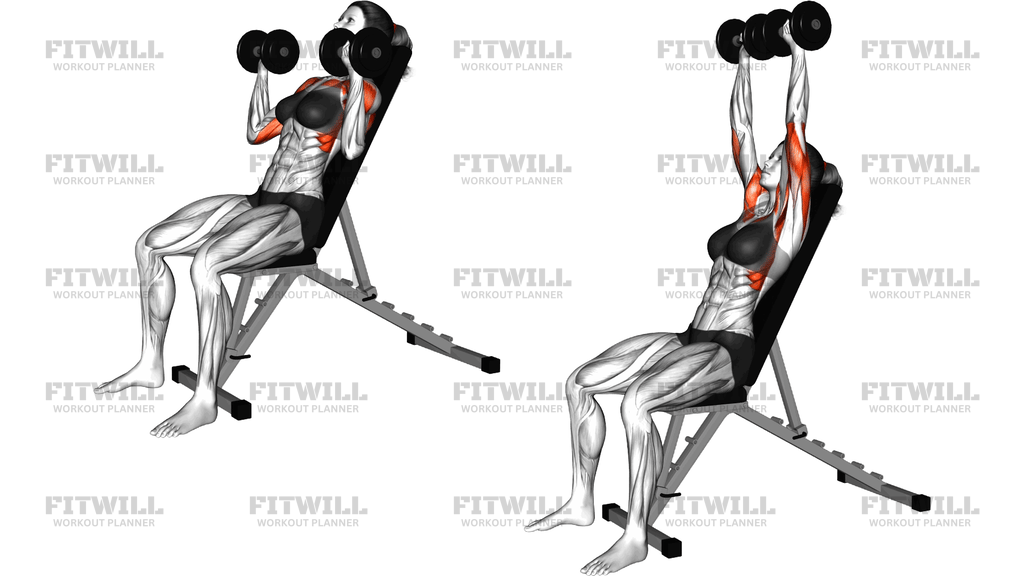
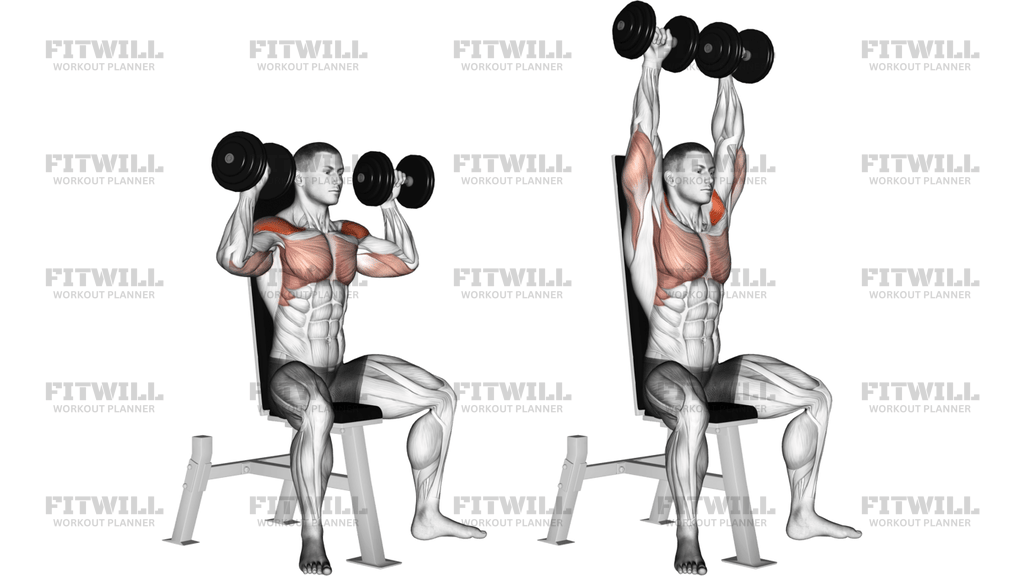
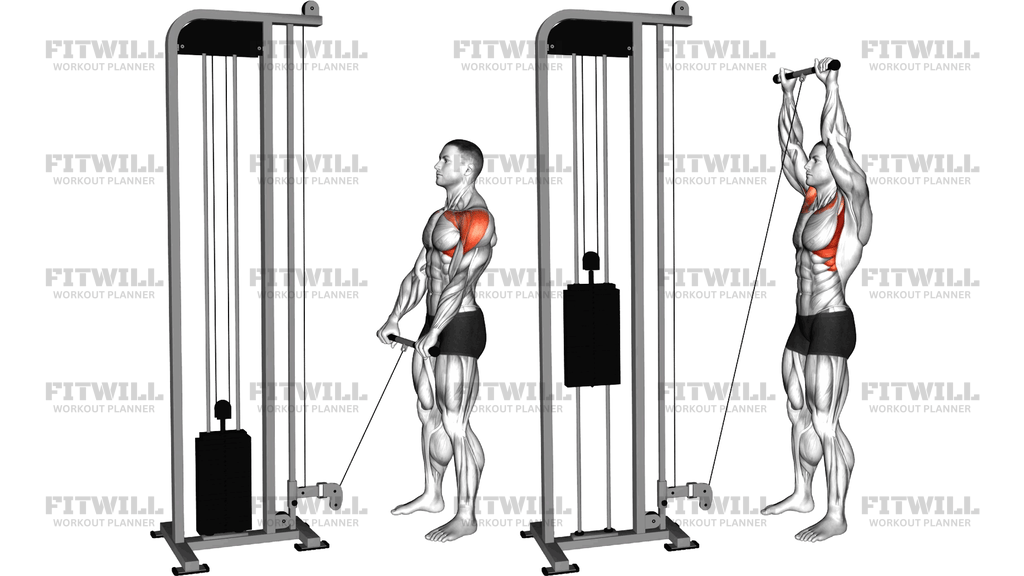
Dumbbell Rear Delt Fly 45 Degrees
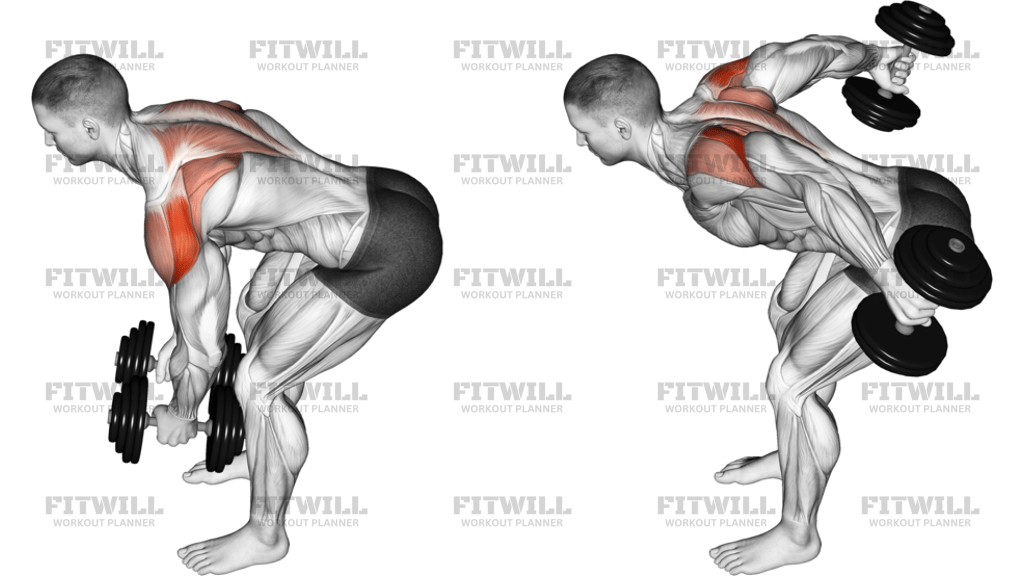
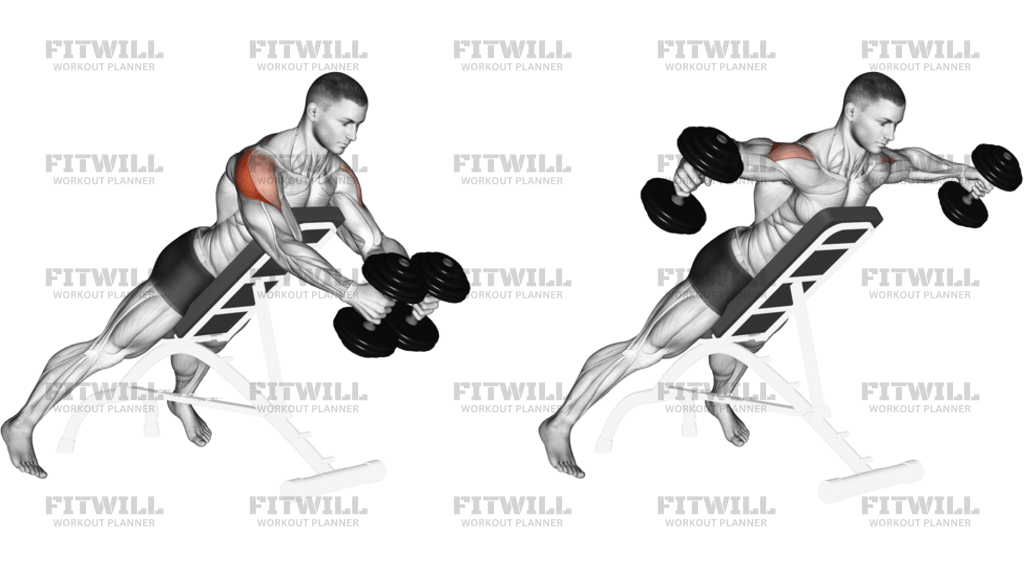
Dumbbell Rear Delt Fly 45 Degrees is a bent-over shoulder isolation exercise that trains the rear delts through a short, controlled arc. The 45-degree torso angle reduces cheating from the legs and lower back while still leaving enough room for the shoulder blades and upper back to assist naturally. It is a useful accessory movement for lifters who want better rear-shoulder development, cleaner posture work, and more balanced pressing volume.
The main focus is the delts, especially the rear portion of the shoulders, with help from the traps, rhomboids, and upper-back stabilizers. Because the arms travel out to the sides rather than straight back, the set should feel deliberate and precise rather than explosive. That makes Dumbbell Rear Delt Fly 45 Degrees a good match for hypertrophy work, shoulder balance, and finishers after heavier pulling or pressing sessions.
The setup matters more than the load. Hinge at the hips until your torso is around 45 degrees to the floor, keep a soft bend in the knees, and let the dumbbells hang under your shoulders with a neutral neck. Your spine should stay long and steady while your chest stays open enough to keep the shoulders from rounding forward. If the torso angle drifts upright, momentum usually takes over and the rear delts lose tension.
Each repetition should sweep outward in a wide, slightly arcing path until the upper arms line up with or just below shoulder height. Lead with the elbows, keep a small bend in the arms, and avoid shrugging the shoulders toward your ears. The top position is brief and controlled, with the shoulder blades moving naturally but not aggressively pinched together. Lower the dumbbells slowly until the arms hang again and the shoulders stay loaded.
Dumbbell Rear Delt Fly 45 Degrees fits well in upper-body days, shoulder accessories, or pull sessions when you want direct rear-delt work without a machine. Light to moderate weights are usually enough because the leverage is demanding even when the dumbbells feel small. Use strict reps, a smooth tempo, and a position you can hold without twisting, bouncing, or turning the movement into a standing row.
[ Workout Log & Planner ]
Put your next workout in Fitwill
Keep your plan and training log ready when you are.


Instructions
- Stand with your feet about hip-width apart and hinge forward until your torso is close to 45 degrees, holding a dumbbell in each hand with your arms hanging under your shoulders.
- Keep a soft bend in your knees, brace your midsection, and let your head stay in line with your spine instead of craning up.
- Turn your palms so they face each other or slightly back, and let the dumbbells hang a few inches in front of your shins without touching the floor.
- Lift both arms out and slightly back in a wide arc, leading with your elbows rather than your hands.
- Stop when your upper arms reach shoulder level or just below it, and keep your shoulders away from your ears.
- Squeeze the rear delts briefly at the top without leaning back or swinging the torso.
- Lower the dumbbells slowly along the same arc until your arms are fully extended again under control.
- Exhale as you raise the weights, inhale as you lower them, and reset your hinge before the next repetition.
Tips & Tricks
- A small bend in the elbows should stay constant from start to finish; turning this into a row shifts work away from the rear delts.
- Keep the torso angle fixed. If your chest rises on every rep, the dumbbells are probably too heavy.
- Think about moving the upper arms outward, not squeezing the shoulder blades hard together at the top.
- Use a grip width that keeps the dumbbells tracking slightly out from the body instead of brushing the legs.
- Let the shoulders stay down while the arms rise; shrugging usually loads the upper traps more than the rear delts.
- Stop the set if the lower back starts to help by straightening the torso or bouncing the weights upward.
- Light dumbbells are usually enough here because the long lever makes the rear delts work hard fast.
- Keep the neck long and gaze a few feet ahead of you to avoid turning the lift into a neck strain.
- If the top position feels cramped, raise only to shoulder height and keep the motion smooth instead of forcing extra range.
Frequently Asked Questions
What does Dumbbell Rear Delt Fly 45 Degrees train most?
It primarily targets the rear delts, with the traps and upper back helping stabilize and guide the motion.
Why is the torso angle important in Dumbbell Rear Delt Fly 45 Degrees?
The 45-degree hinge keeps tension on the shoulders while reducing body swing. If you stand too upright, the movement starts turning into a shrug or row.
Should I lead with my hands or elbows?
Lead with the elbows. That keeps the rear delts doing the lifting instead of letting the hands and traps dominate the rep.
How high should I raise the dumbbells?
Raise them to shoulder level or slightly below. Going higher usually adds trap shrugging and makes it harder to keep the torso still.
Is Dumbbell Rear Delt Fly 45 Degrees good for beginners?
Yes, as long as the weights are light and the hinge stays fixed. Beginners usually benefit from shorter, cleaner reps rather than chasing a big range.
What is the most common mistake with this exercise?
Using too much weight and turning the lift into a swing. That usually causes the chest to rise, the neck to tense, and the rear delts to lose tension.
Can I use an incline bench instead of standing?
Yes, a chest-supported incline version can work well if your lower back gets tired. The standing hinge version just demands more bracing and balance.
Should the shoulder blades be squeezed together hard?
No. Let them move naturally, but do not over-retract them. A hard squeeze usually shifts the effort away from the rear delts and into the mid-back.