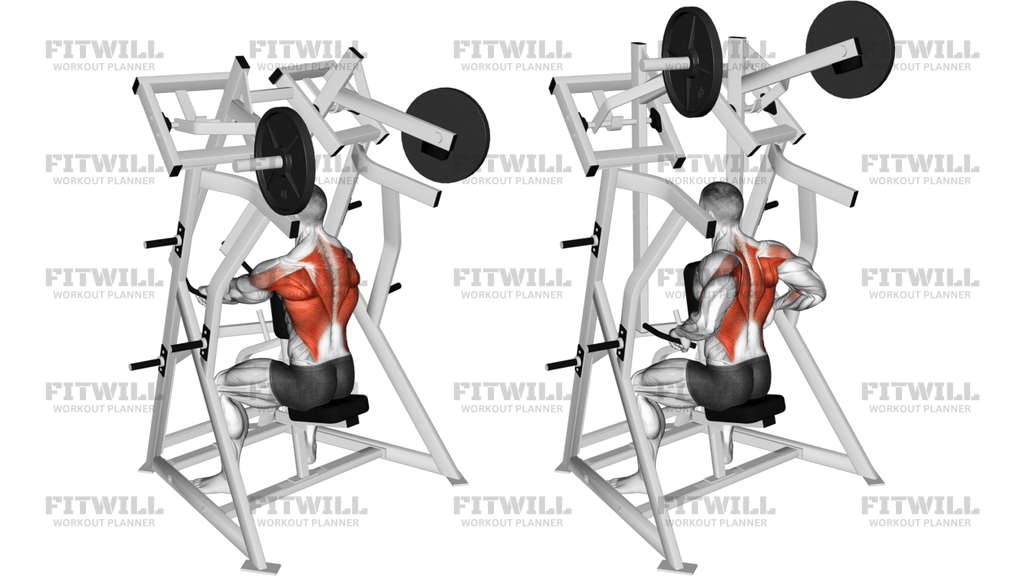
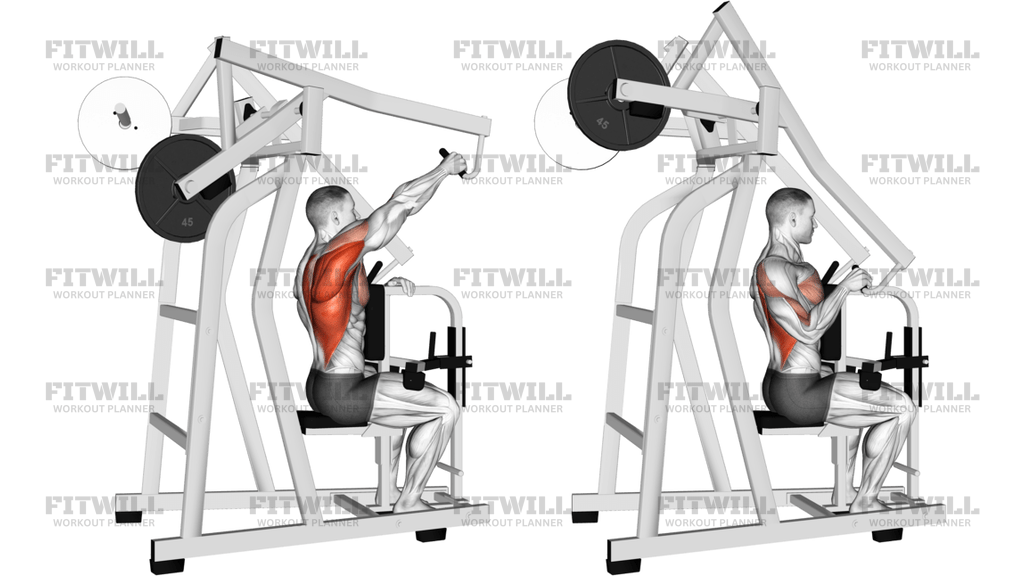
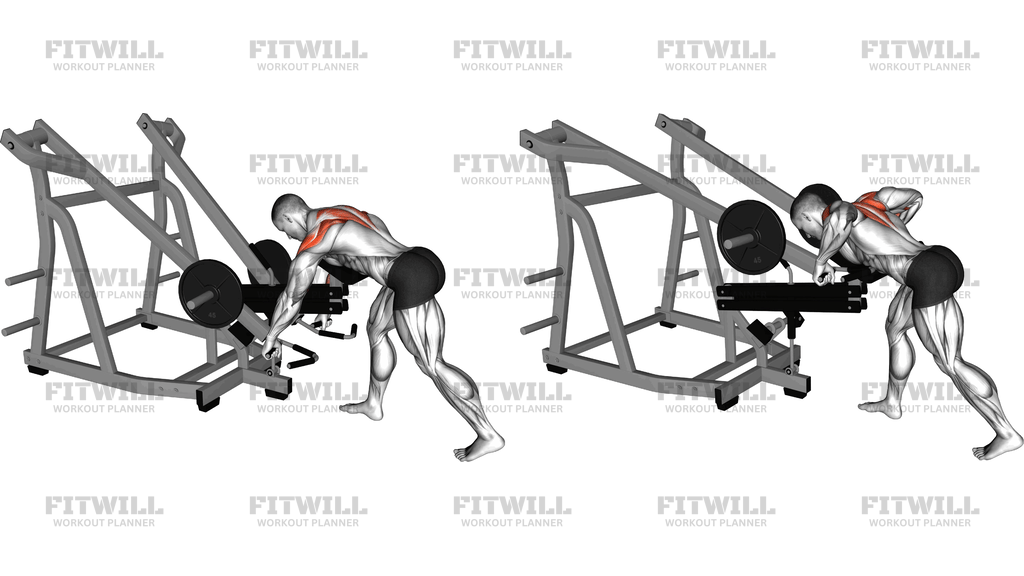
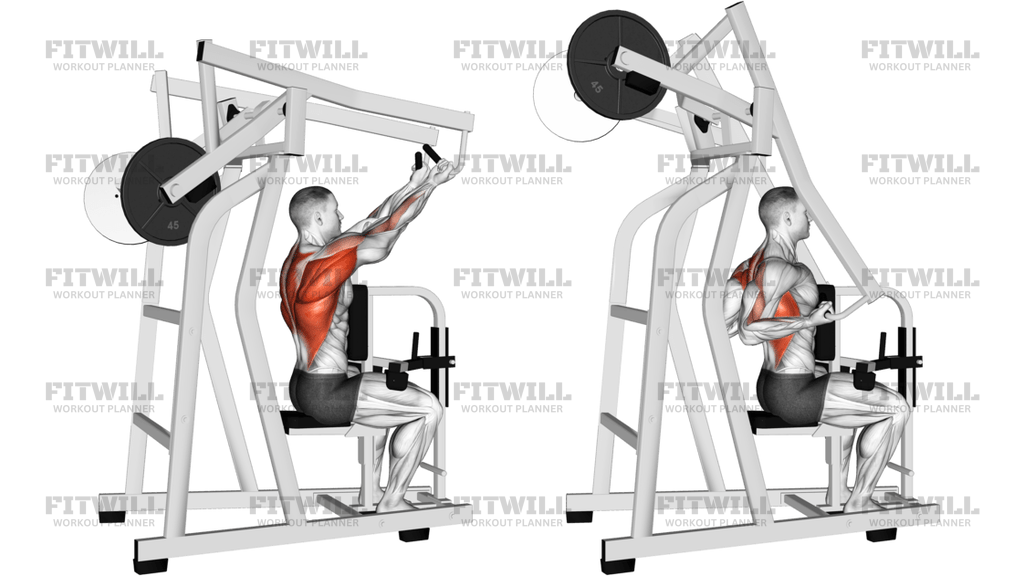
Lever VMX Multy Mode Rope Lat Pulldown
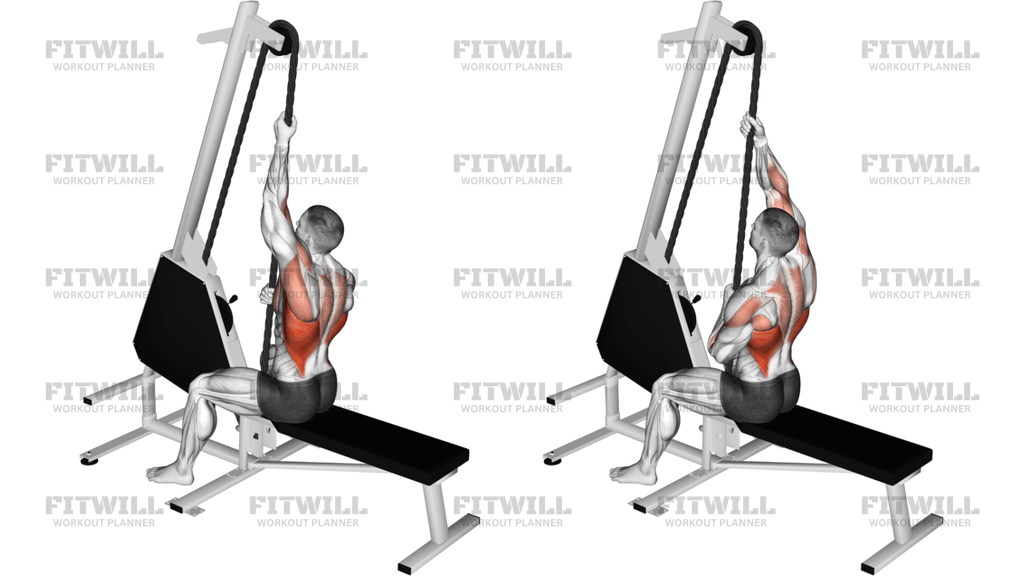
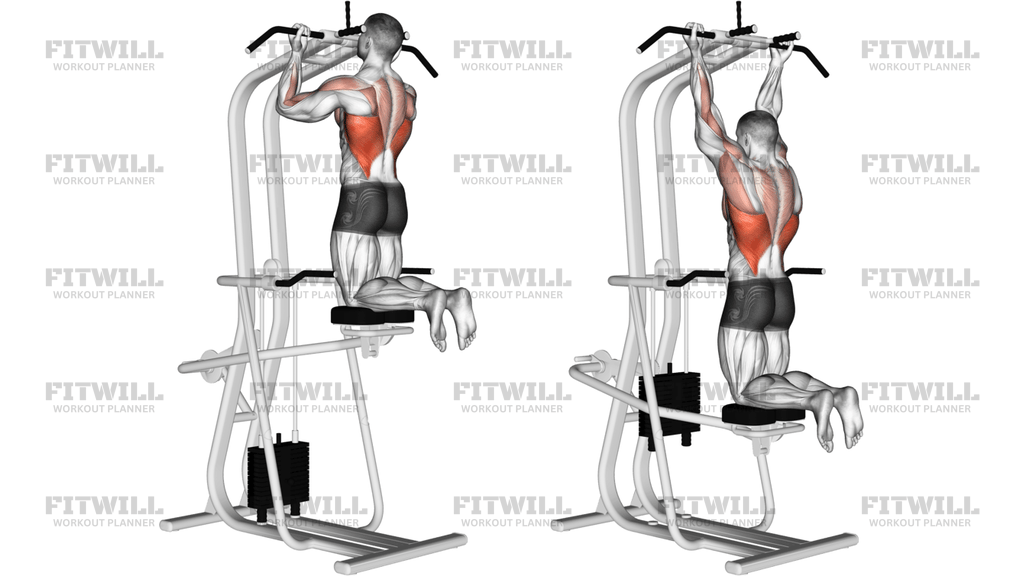
Lever VMX Multy Mode Rope Lat Pulldown is a single-arm vertical pull on a leverage machine that uses a rope attachment to train the lats through a longer, more natural path than a fixed bar. It is especially useful when you want one side to work without the other side taking over, because each rep makes you control the shoulder, elbow, and torso position on that side.
The main emphasis is on the lats, with the upper back, biceps, and forearms helping stabilize the pull and finish the repetition cleanly. In anatomy terms, the primary work comes from the latissimus dorsi, with support from the rhomboids, biceps brachii, and forearm flexors. The one-arm setup also asks the trunk to stay organized, so the exercise has a built-in anti-rotation element if you keep your ribs stacked and your hips still.
The setup matters because this movement starts overhead, where sloppy positioning shows up immediately. Sit tall on the bench, plant your feet, and keep the working-side shoulder from creeping up toward your ear as you reach for the rope. A slight lean back is fine, but the torso should stay steady enough that the pull comes from the elbow driving down, not from swinging the chest or twisting the spine.
On each rep, think about pulling the elbow toward your lower ribs or hip on the same side while the rope travels down beside your head and shoulder. The hand should stay relaxed enough that the forearm does not dominate the finish, and the shoulder should stay depressed rather than shrugging at the bottom. Return slowly until the arm is long overhead again, keeping tension on the lat instead of dumping the weight at the top.
This variation fits well as accessory work after heavier rows or pulldowns, or as a corrective-style pull when you want to clean up side-to-side differences. It can also be a good choice for lifters who want a strong lat contraction without the fixed path of a straight bar. Keep the range pain-free, lower the load if the torso starts rocking, and switch sides deliberately so both arms get the same quality of work.
[ Workout Log & Planner ]
Put your next workout in Fitwill
Keep your plan and training log ready when you are.


Instructions
- Sit on the leverage machine bench, plant both feet firmly, and grasp the rope attachment overhead with one hand while the other hand braces on your thigh, seat, or torso.
- Scoot into a tall seated position with a slight lean back, keeping your ribs stacked over your pelvis and your working-side shoulder away from your ear.
- Let the working arm reach long overhead so the elbow is near lockout and the rope is positioned just in front of the shoulder line.
- Exhale and drive the elbow down toward the same-side lower ribs or hip, letting the rope travel beside your head instead of yanking it behind you.
- Keep the wrist neutral and the forearm relaxed so the hand does not curl the rope down to finish the rep.
- Squeeze the lat at the bottom for a brief pause while keeping your chest from flaring and your torso from twisting.
- Inhale and lower the arm slowly until it is long overhead again, resisting the stack all the way back to the start.
- Reset your shoulder position, complete the planned reps on that side, then switch hands and repeat with the same posture.
Tips & Tricks
- Use a load that lets you keep the ribcage quiet; if your chest pops up to finish the pull, the weight is too heavy.
- Think about driving the elbow down, not the hand, so the biceps do not turn the rep into a curl.
- Keep the working shoulder packed down at the bottom; shrugging turns the finish into upper-trap work.
- A slight torso lean is fine, but if you have to rock back on every rep, shorten the range and reduce the stack.
- Let the rope pass close to the side of your head on the way down so the path stays vertical and the shoulder stays comfortable.
- Lower under control until the arm is long overhead, but stop before the shoulder rolls forward or the lower back arches.
- Brace the non-working hand on your thigh or the bench so your torso does not rotate toward the pulling side.
- If one side feels weaker, match the reps and tempo to the weaker side instead of adding extra speed on the stronger side.
Frequently Asked Questions
What muscles does Lever VMX Multy Mode Rope Lat Pulldown train most?
The lats are the main target, with help from the upper back, biceps, and forearms. Because it is one-arm, your trunk also has to resist twisting.
Should I stay fully upright or lean back on Lever VMX Multy Mode Rope Lat Pulldown?
A small lean back is fine, but keep your ribs stacked and avoid turning it into a row. The movement should still look like a vertical pull from overhead to the lower ribs.
Why use a rope instead of a straight handle?
The rope lets your hand and elbow follow a slightly freer path, which can feel better on the shoulder and make it easier to pull the elbow down beside the torso.
What is the biggest mistake on the rope pulldown?
Most people shrug the shoulder or twist the torso to force the finish. Keep the shoulder down, the chest steady, and the elbow doing the work.
Can beginners do this exercise?
Yes, if they keep the load light and learn to pull the elbow down without swinging the body. The one-arm setup is easier to control when the stack is modest.
Where should the rope end on each rep?
Finish with the hand roughly beside the upper chest or shoulder line and the elbow near the lower ribs or hip, depending on your machine setup. The exact position matters less than keeping the lat tight and the shoulder depressed.
Is it normal to feel my forearm and biceps?
Yes. They help grip and finish the pull, but the rep should still feel anchored in the side of the back rather than in the arm only.
How do I know if I am using too much weight?
If you have to jerk the handle, rotate the torso, or lose the overhead reach on the way back up, the stack is too heavy for this variation.