Roll Neck Decompress Lying On Floor
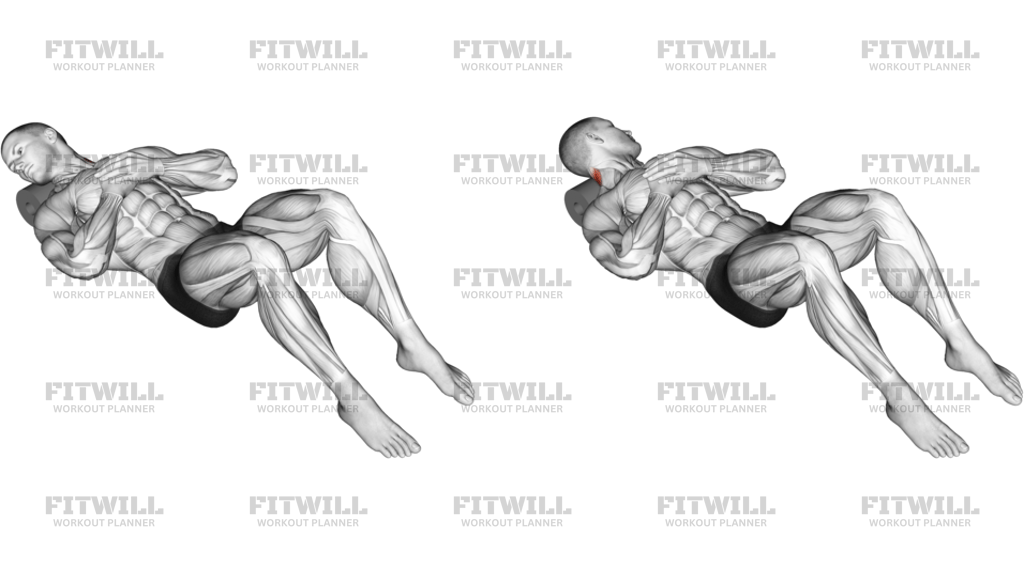
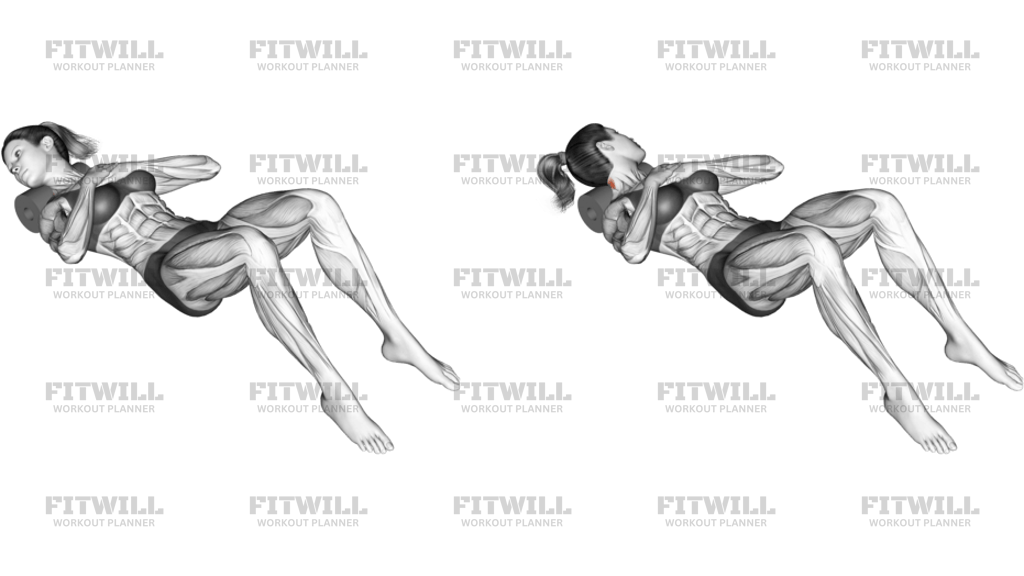
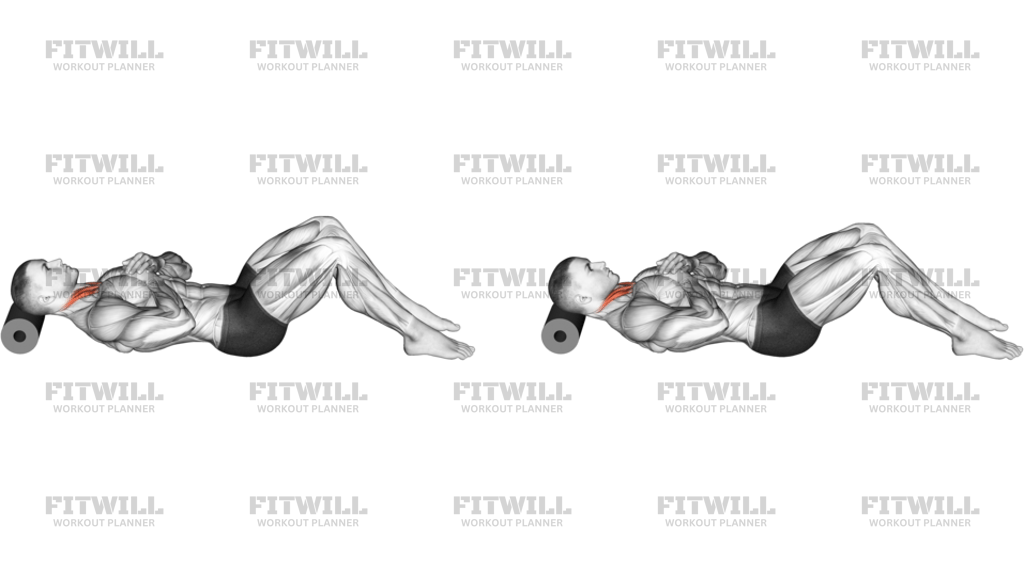
Roll Neck Decompress Lying On Floor is a gentle floor-based neck release that uses a small roll or rolled towel to reduce tension through the cervical spine while you stay supported on your back. The exercise is less about lifting or strengthening and more about creating a comfortable position where the neck can settle, the jaw can relax, and breathing can slow down. In the image, the body is lying supine with the knees bent, which is a common setup because it helps take strain out of the lower back and lets the neck do less work.
This movement is useful when the upper neck feels compressed from desk posture, long training sessions, or repeated pressing and pulling work. The goal is to create light, tolerable pressure under the neck rather than forcing a deep stretch. When the setup is right, the back of the neck can lengthen slightly, the front of the throat stays soft, and the shoulders stop shrugging up toward the ears. That makes the drill helpful as a warm-up, recovery drill, or between-strength-sets reset when the neck needs to calm down.
The setup matters more than the amount of motion. The roll should sit under the cervical curve, not jammed under the skull, and the head should feel balanced instead of tipped back. Keep the ribs heavy, the chin gently tucked, and the jaw unclenched. If the exercise includes tiny nods or micro turns, they should stay very small and smooth. The purpose is to let the head and neck find a more comfortable resting line, not to grind through range or chase a dramatic stretch.
Done well, this should feel soothing and localized rather than sharp, pinchy, or dizzying. Breathe slowly, let the shoulders drop, and keep the pressure light enough that you can stay relaxed for the full hold or set. It is a good option for people who need a low-intensity neck mobility drill, but it should not be forced through pain, tingling, numbness, or headache. If the pressure feels wrong, adjust the roll position or stop and choose a gentler variation.
[ Workout Log & Planner ]
Put your next workout in Fitwill
Keep your plan and training log ready when you are.


Instructions
- Lie on your back on a mat or floor and bend your knees so your feet can stay flat and relaxed.
- Place a small roll or rolled towel under the cervical curve at the base of the neck, not under the skull.
- Let your arms rest across your chest or beside your torso and keep the shoulders heavy on the floor.
- Set the head so the neck feels supported, the jaw stays unclenched, and the chin is only slightly tucked.
- Inhale through the nose and let the ribs expand without lifting the chest or arching the low back.
- Exhale slowly and allow the back of the neck to soften into the roll instead of pressing hard into it.
- If this variation calls for movement, make tiny nods or micro turns in a pain-free range only.
- Hold the position or repeat the small motion for the planned time, then roll off carefully and sit up slowly.
Tips & Tricks
- Keep the pressure light; this should feel like a decompression, not a hard stretch.
- Move the roll a little higher or lower until it sits in the neck, not the base of the skull.
- If your jaw clenches, back off the pressure and let the tongue rest loosely in the mouth.
- Make the motion tiny if you move at all; large head circles can irritate the cervical joints.
- Use slow exhales to help the upper traps and suboccipitals settle instead of bracing through the hold.
- Keep the shoulders from creeping upward; the neck should feel long and supported.
- Stop immediately if you get dizziness, tingling, sharp pain, or a headache that increases.
- A folded towel often feels gentler than a firm roller if your neck is sensitive.
Frequently Asked Questions
What does Roll Neck Decompress Lying On Floor actually target?
It mainly targets neck comfort, mobility, and relaxation in the cervical area rather than pure strength.
Where should the roll sit during this exercise?
It should sit under the cervical curve at the base of the neck, not directly under the skull or down on the upper back.
Should I keep my head still or move it?
Start with a still hold. If the variation calls for movement, keep it tiny and smooth so the neck stays relaxed.
Is this a beginner-friendly neck drill?
Yes, as long as the pressure is gentle and there is no history of symptoms that worsen with neck extension or pressure.
What should I feel if I am doing it correctly?
You should feel light pressure and a calming release in the neck, not pinching, numbness, or a strong joint stretch.
Can I use a towel instead of a firm roll?
Yes. A folded towel is often a better choice if you want a softer setup or need a smaller amount of pressure.
How long should I hold the position?
Short holds of several slow breaths usually work well, and you can repeat them if the neck feels better afterward.
When should I stop the exercise?
Stop if you feel dizziness, headache, tingling, numbness, or any pain that does not ease when you reduce the pressure.