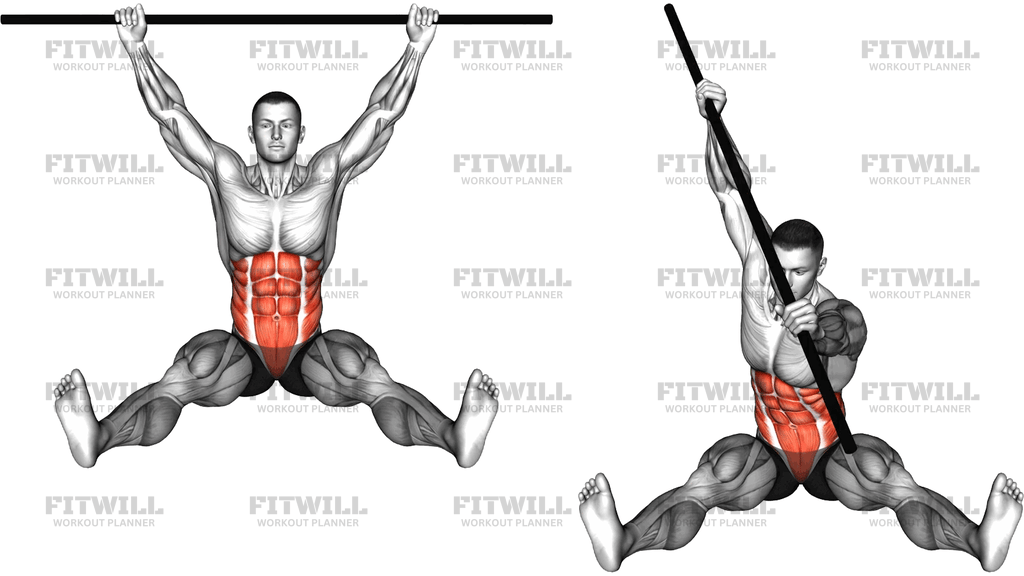
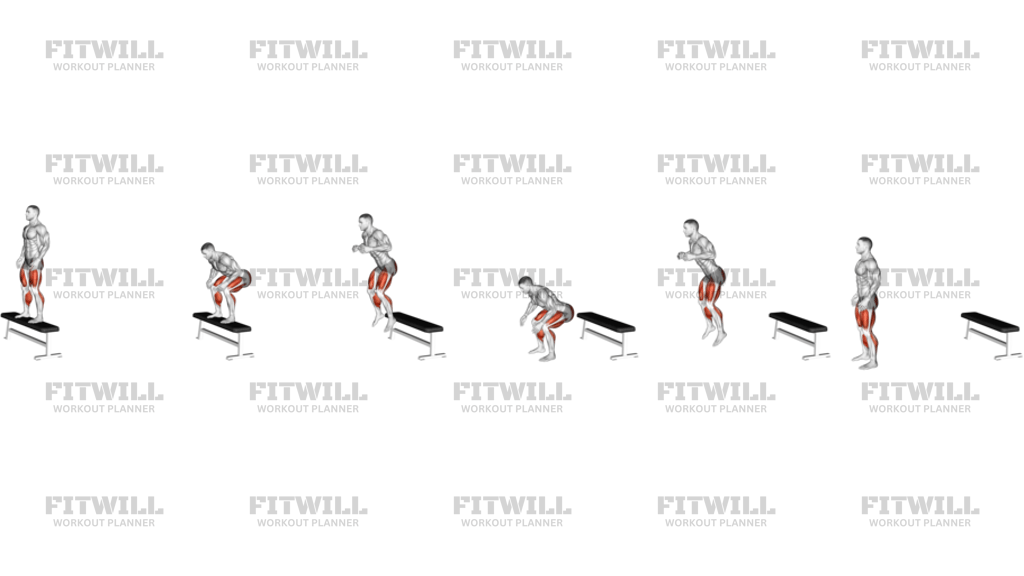
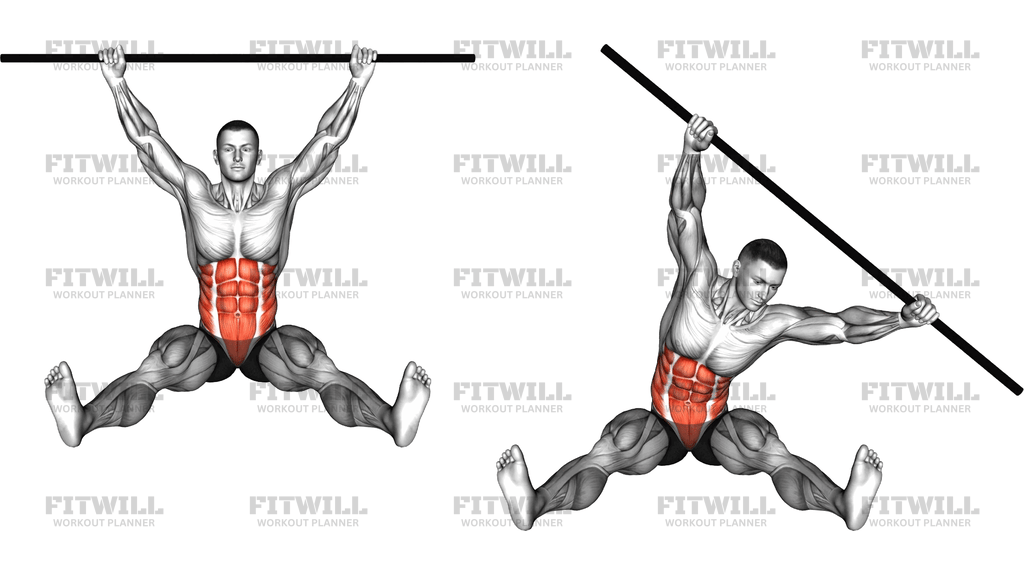
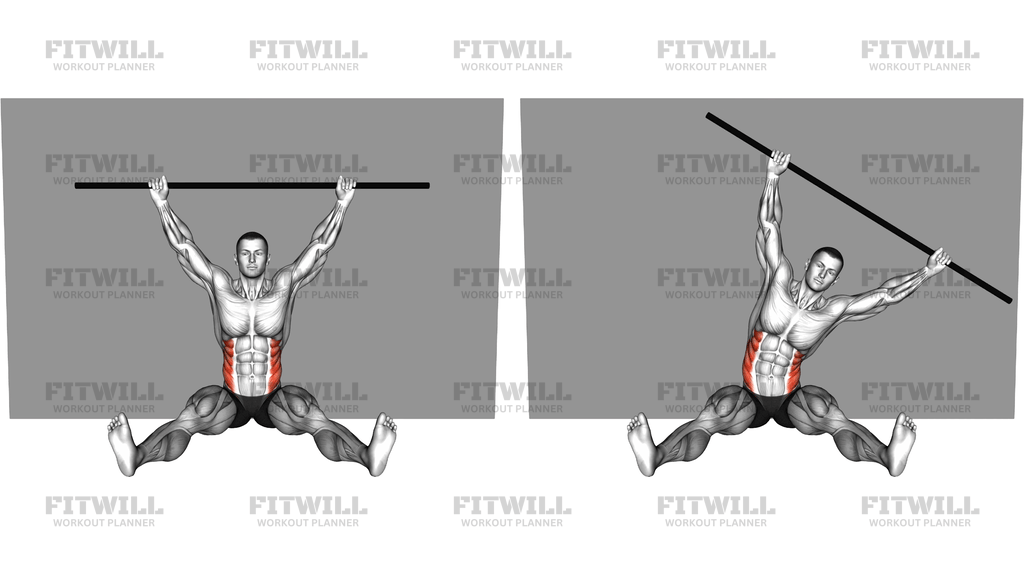
Stick Assisted Isometric Core
Stick Assisted Isometric Core is a half-kneeling core stability drill built around a diagonal stick line. In the pictured setup, the athlete kneels with one shin on the floor, the front foot planted, and both hands controlling the stick while a partner keeps the opposite end steady. The position is designed to make the trunk work without visible spinal motion, so the abs and obliques have to keep the ribs, pelvis, and shoulders stacked.
The exercise trains anti-rotation, anti-extension, and hip stability more than classic crunching. The down-knee side glute helps anchor the pelvis, the obliques keep the torso from opening or collapsing, and the deep abdominal wall helps you maintain a quiet brace while the stick creates a diagonal load. It is a useful way to teach core tension in a split stance because the lower body has to stay organized while the upper body resists twisting.
The key is to create tension before you start the hold. Set the knees and feet first, square the hips, then gently press or pull against the stick until you feel the front of the torso and the side waist switch on. The torso should stay tall, the neck relaxed, and the rib cage stacked over the pelvis. If you twist, lean, or arch, the hold stops being a clean core drill and becomes a compensation pattern.
Use it as a warm-up activation, accessory core work, or part of a rehab-style control block. Keep the effort crisp and the holds short enough to preserve position. This is a better exercise for quality than fatigue: when the shoulders start shrugging or the low back starts taking over, end the set, reset, and switch sides. Done well, it teaches you to resist unwanted motion while breathing and maintaining balance in a split stance.
[ Workout Log & Planner ]
Put your next workout in Fitwill
Keep your plan and training log ready when you are.


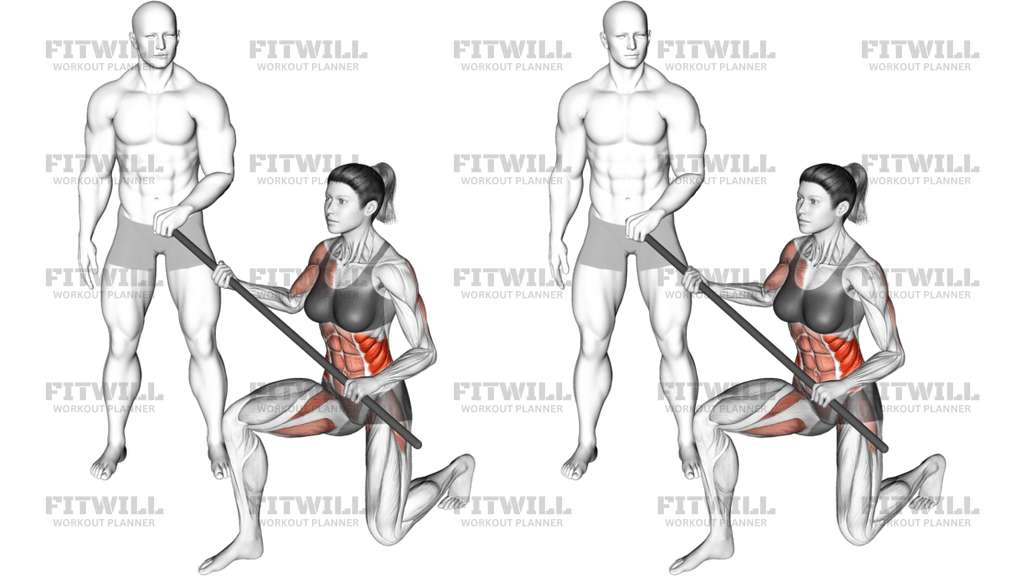
Instructions
- Kneel in a half-kneeling stance with one knee on the floor and the front foot flat, leaving a long, stable base from knee to hip to shoulder.
- Hold the stick diagonally across your body with both hands and keep the far end anchored by your partner or support.
- Stack your ribs over your pelvis, square your hips forward, and keep the front knee tracking over the toes.
- Squeeze the glute on the down-knee side so the pelvis stays level instead of tipping or rotating.
- Brace gently through the abs, then press or pull into the stick until the torso feels tension without visible twisting.
- Keep the shoulders down and the neck long while you hold the position.
- Breathe slowly into the lower ribs without letting the brace disappear or the chest flare.
- Hold for the prescribed time, then ease off the tension, reset your posture, and switch sides.
Tips & Tricks
- If the hold turns into a low-back arch, shorten the stance and bring the front foot a little closer so the pelvis can stay stacked.
- The stick should feel like a line of tension across the body, not a rowing motion; avoid yanking the arms to create movement.
- Keep the down-knee glute active so the hip on that side does not drift forward or collapse toward the floor.
- If the front leg takes over, soften the knee bend slightly and think about driving the floor away with the front foot.
- Maintain a quiet rib cage: flaring the ribs up usually means the abs have lost the brace.
- A small amount of hand pressure is enough; the goal is core tension, not maximal arm effort.
- Stop the hold as soon as the torso starts to rotate, the shoulders shrug, or the pelvis tips.
- Short holds with perfect shape are more useful here than long, sloppy grinders.
Frequently Asked Questions
What muscle does Stick Assisted Isometric Core target most?
It mainly trains the abs and obliques, with the glutes and hip stabilizers helping keep the pelvis square.
Is this more of a core brace than a crunch?
Yes. The goal is to resist rotation and extension while keeping the torso tall, not to flex the spine repeatedly.
Why use a half-kneeling stance?
Half-kneeling narrows your base so the core has to work harder to keep the ribs, pelvis, and shoulders aligned.
Should the stick move during the hold?
Only slightly, if at all. The value of the exercise comes from steady tension and a stable trunk, not a big range of motion.
How do I know I’m set up correctly with the stick?
You should feel balanced from the down-knee hip through the front foot, with the chest square and the stick line steady.
What are the most common mistakes with this exercise?
Twisting the chest, flaring the ribs, shrugging the shoulders, or dumping weight into the front hip are the usual problems.
Can beginners do this safely?
Yes, if the hold is short and the stick tension is light enough to keep the torso quiet.
What should I feel when the hold is right?
A strong brace through the side waist and lower abs, plus steady support from the down-knee glute and front leg.