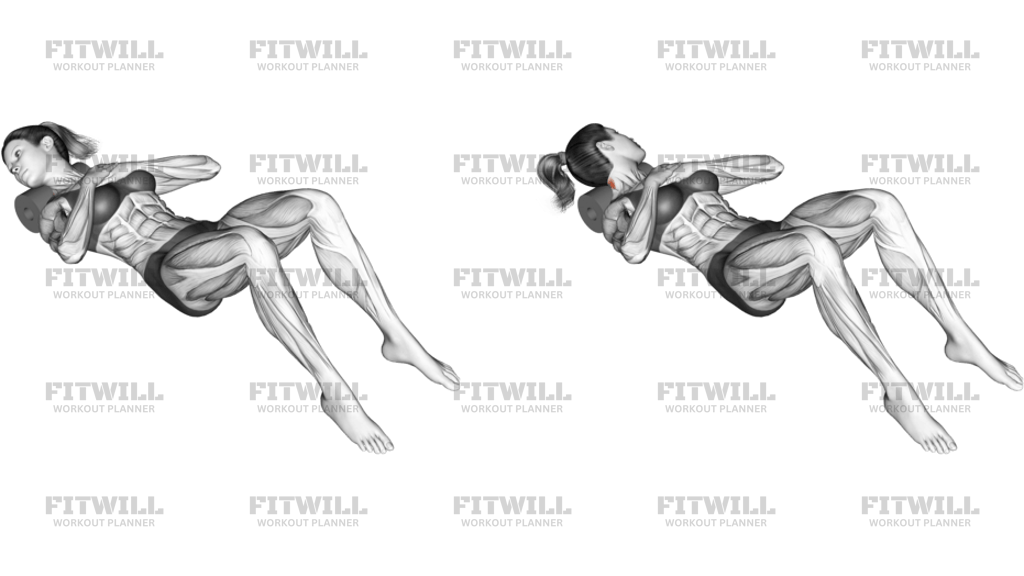
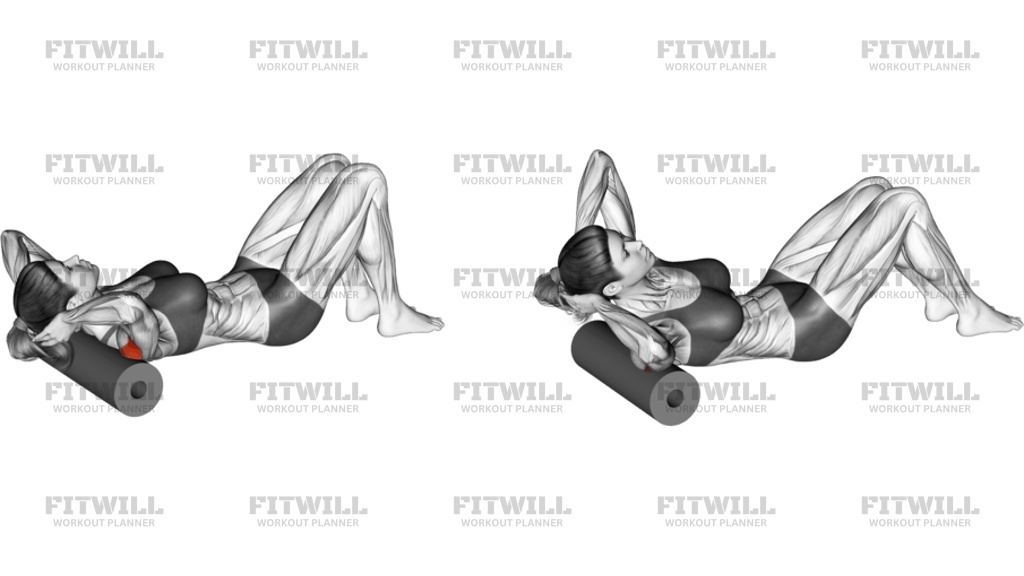
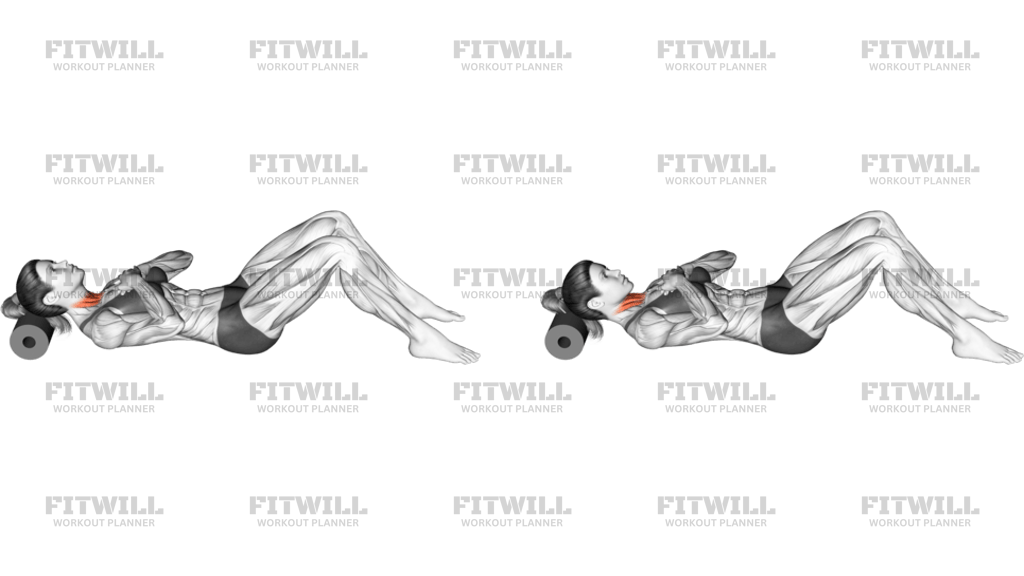
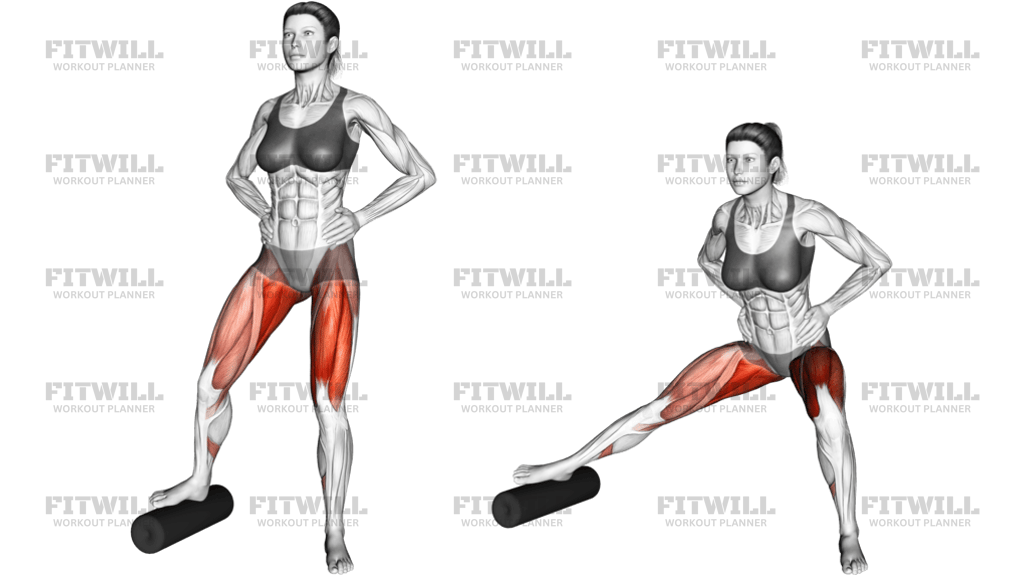
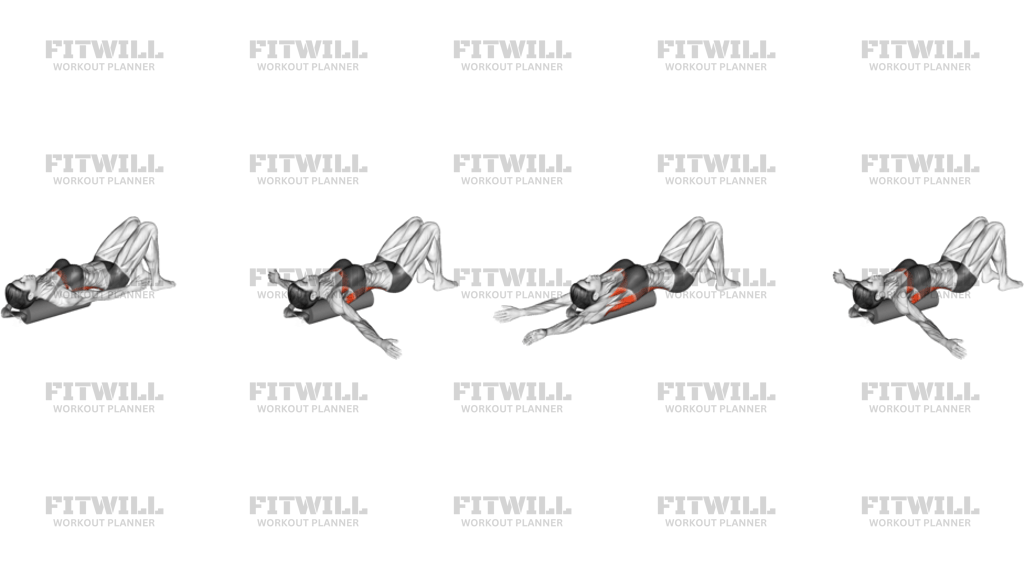
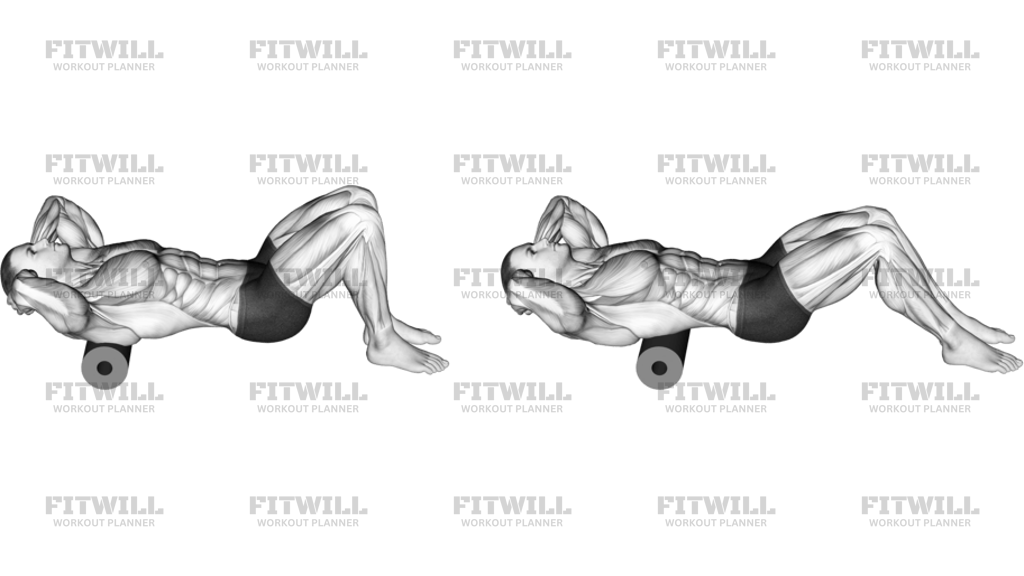
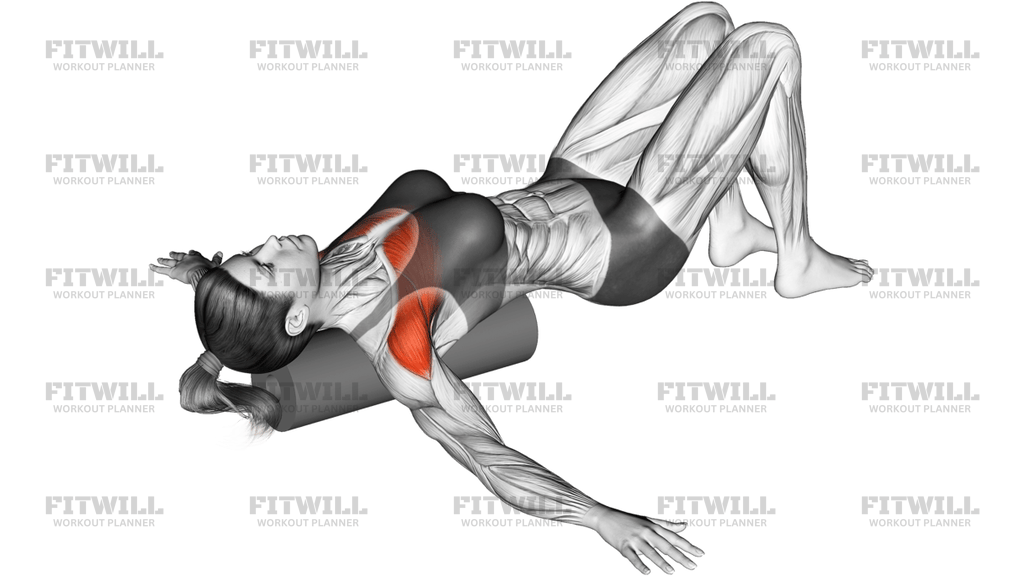
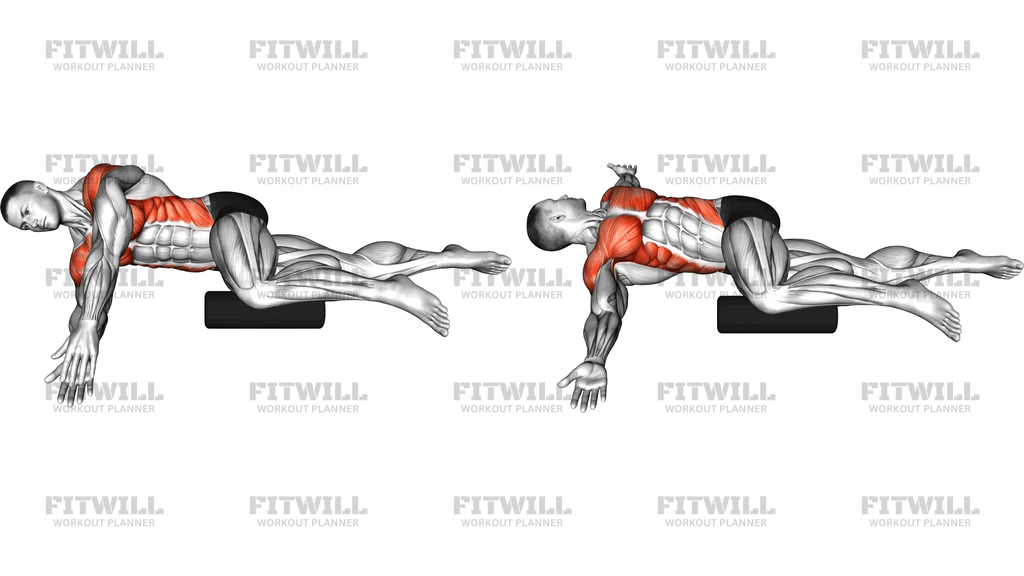
Roll Lower Back Side Lying On Floor
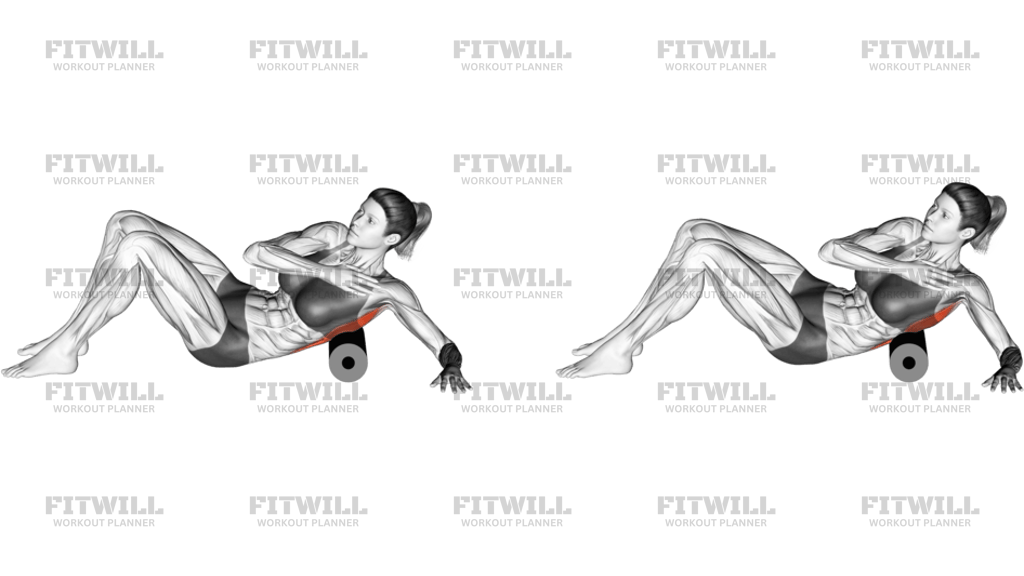
Roll Lower Back Side Lying On Floor is a side-lying foam-roller release for the muscles along the lower back, side waist, and outer hip line. The setup matters because the roller should support the soft tissue beside the spine, not press directly into the lumbar vertebrae. The goal is a slow, controlled self-massage that eases stiffness, improves tolerance to pressure, and helps you find tight spots without losing body control.
This movement is usually used as a mobility or recovery drill rather than a strength exercise. When it is done well, the torso stays stacked enough to let you load the side of the lower back while the legs and top arm help you control pressure. Small changes in body angle can shift contact from the lower ribs to the waist and upper pelvis, so the exercise is about precision more than range.
Because the roller is under one side of the body, the most important cue is to keep your weight organized and move slowly. Too much speed turns the drill into a rough rolling motion that misses the target area. A steady breath helps you relax into the pressure, while short pauses on tender spots let the tissue settle before you continue.
Use this exercise when the lower back feels tight from sitting, lifting, or training that leaves the trunk and hips feeling compressed. It works best as a warm-up for mobility work, a cooldown after strength training, or a recovery drill on days when you want light tissue work without adding fatigue. Stay out of sharp pain, keep pressure on the muscles beside the spine, and reduce load if the ribs, joints, or low back feel irritated.
Fitwill
Log Workouts, Track Progress & Build Strength.
Achieve more with Fitwill: explore over 9600 exercises with images and videos, access built-in and custom workouts, perfect for both gym and home sessions, and see real results.
Start your journey. Download today!




Instructions
- Place a foam roller on the floor and lie on your side with the roller under the lower back and side waist, just above the top of the hip.
- Stack the legs slightly bent for balance, and place the bottom forearm or hand on the floor to support part of your body weight.
- Let the top arm rest across your chest or on the floor in front of you so the torso stays relaxed and easy to control.
- Brace lightly, then shift a small amount of weight into the roller until you feel pressure on the muscles beside the spine.
- Slowly roll a few inches toward the lower ribs, then back toward the top of the pelvis without letting the torso collapse backward.
- Pause for a breath on any tight or tender spot, then ease off the pressure before continuing.
- Keep your neck neutral and breathe steadily so the body can relax around the roller.
- Switch sides after the planned time or number of passes and keep the motion smooth rather than forceful.
Tips & Tricks
- Keep the roller off the spine itself; the pressure should stay on the muscles beside it.
- Small rolls are enough here. If you travel too far, you usually lose contact with the tight tissue you are trying to work.
- If the pressure feels too sharp on the ribs or hip bone, shift your body angle a little or reduce how much weight you put on the roller.
- Use slow nasal inhales and long exhales to help the trunk soften instead of bracing hard the whole time.
- The top arm can help you fine-tune pressure by adding or removing body weight; do not force yourself flat into the roller.
- A brief pause on a tender spot is more useful than bouncing or fast repeated passes.
- If the low back starts to feel pinchy instead of muscular, stop and reset the roller higher or lower on the flank.
- Treat this as tissue work, not a conditioning drill, so the rep quality should stay calm and deliberate from start to finish.
Frequently Asked Questions
What does Roll Lower Back Side Lying On Floor work most?
It mainly targets the muscles beside the lumbar spine, especially the side waist and lower back tissue that gets tight from sitting or lifting.
Is the foam roller supposed to be under my spine?
No. The roller should sit beside the spine on the soft tissue of the lower back and flank, not directly on the vertebrae.
How much body weight should I put on the roller?
Use only enough pressure to feel a firm release without sharp pain. The bottom hand and top arm can take some of your weight if the contact feels too intense.
What is the most common mistake on this movement?
People usually roll too fast or collapse too far onto the roller, which makes the pressure sloppy and less useful.
Can beginners use this exercise?
Yes. Beginners usually do well with light pressure, short passes, and a simple side-lying setup supported by the hand or forearm.
How long should I stay on one side?
Most people only need 30 to 60 seconds per side, or a few slow passes with brief pauses on tight spots.
When should I use this in a workout?
It fits well before mobility work, after training, or on recovery days when you want to reduce stiffness without creating fatigue.
What should I do if the pressure feels too sharp?
Shift slightly higher or lower on the side of the torso, lighten your body weight on the roller, or stop if the sensation feels joint-like or painful.