X Drill
X Drill is a bodyweight agility and plyometric drill built around fast diagonal footwork, sharp braking, and quick re-acceleration. It is useful when you want to train change of direction, coordination, and lower-body responsiveness without adding external load. The emphasis is not on a big range of motion or a heavy resistance pattern, but on clean foot placement and crisp movement between cone points.
The drill mainly loads the legs, hips, calves, and core. Each diagonal run asks the body to accelerate, decelerate, and change direction while the trunk stays organized. That is why the setup matters so much: cone spacing, surface friction, and the amount of room you give yourself all change how hard you have to brake. If the markers are too close, the drill turns into chopping steps; if they are too far apart, you start reaching and losing control.
A good X Drill rep begins in an athletic stance at one cone with the knees bent, hips back, and chest tall enough to see the next point clearly. From there, drive diagonally to the next cone with short, fast steps and an active arm swing. Before each change of direction, lower the hips, plant under your center of mass, and push away sharply instead of letting the leading foot reach too far in front of you.
The quality of the rep depends on the brakes as much as the sprint. Keep the contacts quiet, keep the knees tracking over the toes, and avoid twisting through the lower back when you redirect. If the turns start to round out, your steps get loud, or your torso leans too far, slow the drill down and clean up the pattern before adding speed again.
X Drill works well in a warm-up, speed session, conditioning block, or sport-specific circuit because it wakes up the nervous system without requiring heavy loading. It is especially useful before sprint work, court drills, or field practice when you want to rehearse quick feet and controlled direction changes. Beginners can use it safely by shortening the cone spacing and moving at a controlled pace until each plant and push-off feels stable.
Fitwill
Log Workouts, Track Progress & Build Strength.
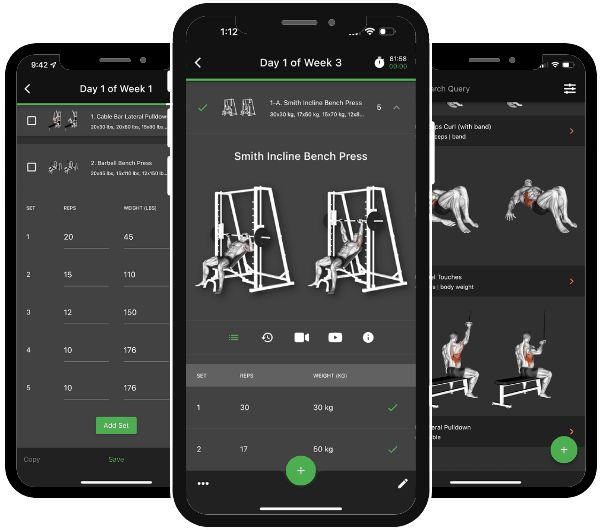
Achieve more with Fitwill: explore over 5000 exercises with images and videos, access built-in and custom workouts, perfect for both gym and home sessions, and see real results.
Start your journey. Download today!


Instructions
- Place four cones in an X pattern or square with enough space to cut, brake, and re-accelerate between points.
- Stand at the starting cone in an athletic stance with your feet just outside hip width, knees bent, hips back, chest tall, and eyes on the next cone.
- Lean slightly forward from the ankles and load the inside foot before driving into the first diagonal sprint.
- Sprint diagonally to the next cone with short, quick steps and keep your arms pumping naturally.
- Lower your hips before you reach each cone, plant the outside foot under your center of mass, and change direction sharply.
- Push off immediately toward the next point in the X pattern without letting your leading foot reach too far ahead of your hips.
- Touch or pass each cone cleanly, keeping your torso steady and your head level as you travel through the pattern.
- Exhale during each drive, reset your stance at the final cone, and repeat for the planned number of reps.
Tips & Tricks
- Keep the cones far enough apart to give yourself two or three quick steps before each cut.
- If your last step reaches out in front of you, shorten the approach and brake earlier.
- Stay low through the turn, but keep the chest proud so you can see the next cone clearly.
- Make each plant quiet; loud contacts usually mean you are overstriding or landing too stiff.
- Swing the arms in the direction of travel to help the body re-accelerate after each cut.
- Use a smaller, cleaner pattern if your knees drift inward during the diagonal drives.
- On slick flooring or turf, slow the first few reps until the footing feels predictable.
- Stop the set when your turns get rounded and you stop hitting the cone points cleanly.
Frequently Asked Questions
What does X Drill train most?
It primarily trains the legs, hips, calves, and core while improving braking, re-acceleration, and change of direction.
How should I set the cones for X Drill?
Set them in an X or square layout with enough room to take a few quick steps before each turn. Start closer together if you are learning the pattern, then widen the spacing as your cuts stay clean.
Do I need to touch each cone in X Drill?
Not always. Some versions use a light touch, while others only require you to pass the cone and keep moving through the pattern.
Can beginners do X Drill?
Yes, as long as the spacing is modest and the pace stays controlled. The drill should feel stable before it feels fast.
What is the biggest mistake in X Drill?
Rounding the turns and letting the knees cave inward. Lower your hips before each plant and push off the floor instead of reaching.
Is X Drill more for cardio or plyometrics?
It is both, but the main focus is plyometric foot speed and change of direction rather than steady-state conditioning.
When is the best time to use X Drill?
It works well in warm-ups, speed sessions, conditioning blocks, or sport-specific circuits before sprinting or court work.
What should I do if I lose balance on the cuts?
Shorten the distance, slow the first few reps, and focus on planting under your hips rather than outside your base.