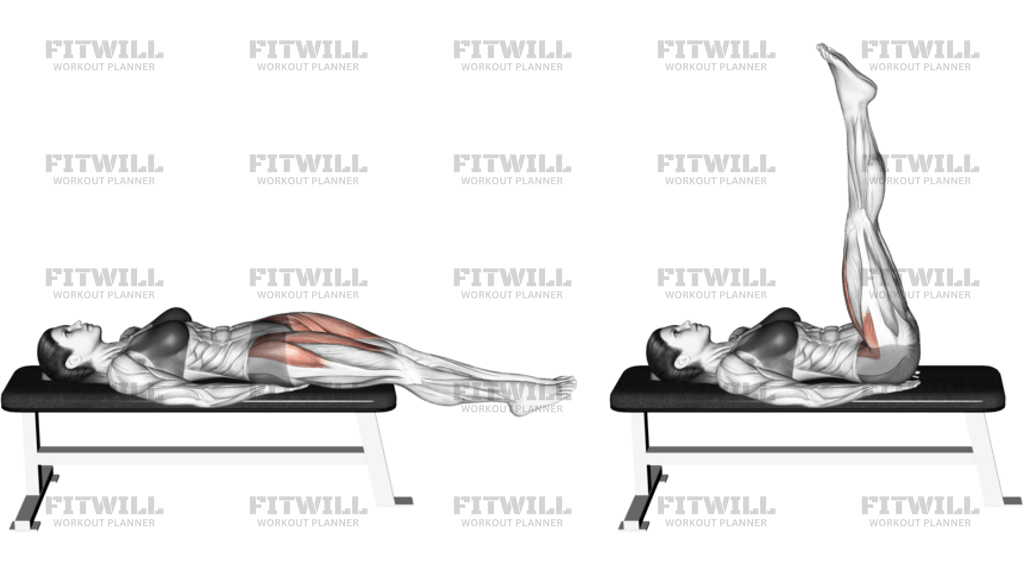
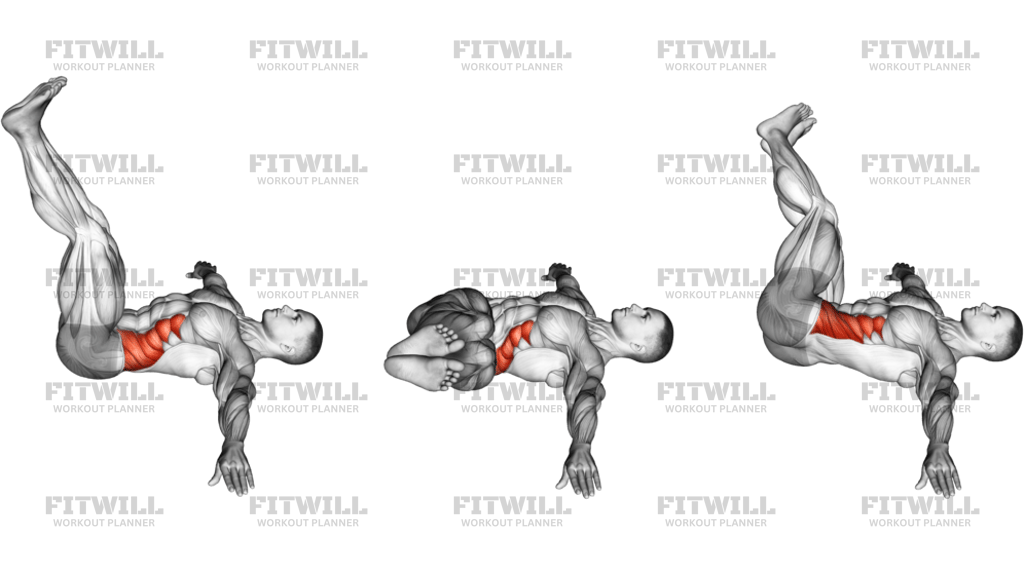
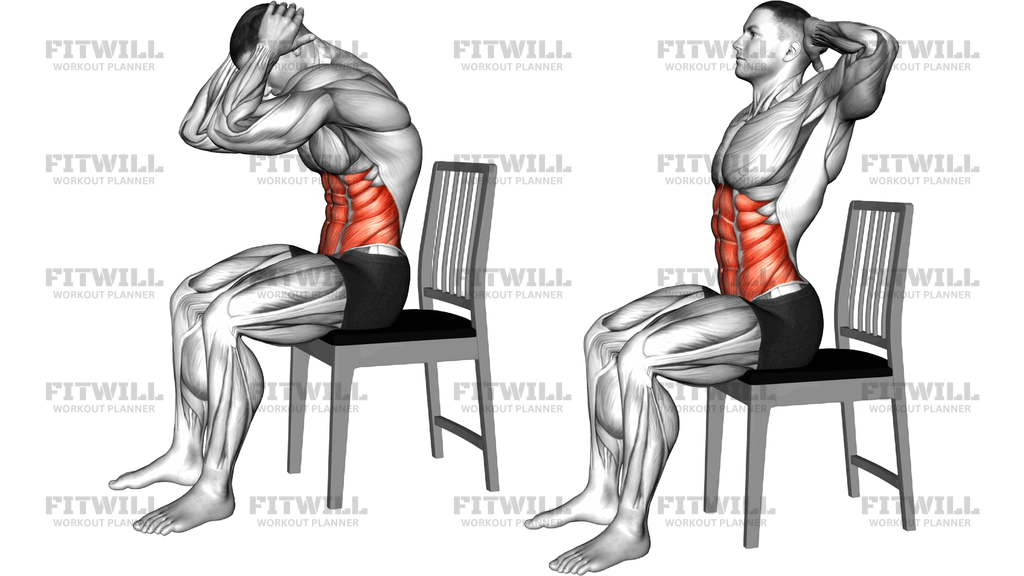
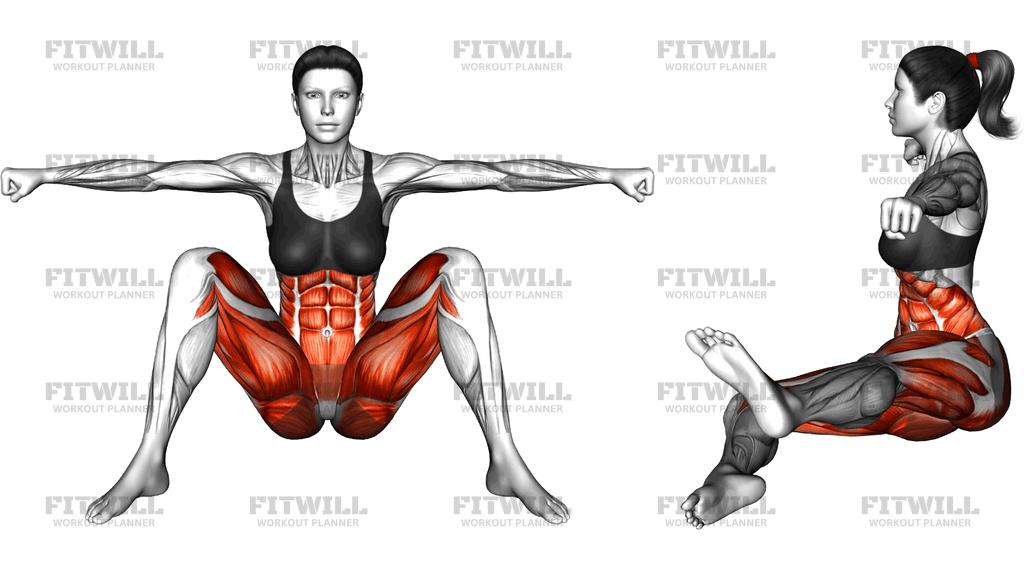
Leg Drop Pulse
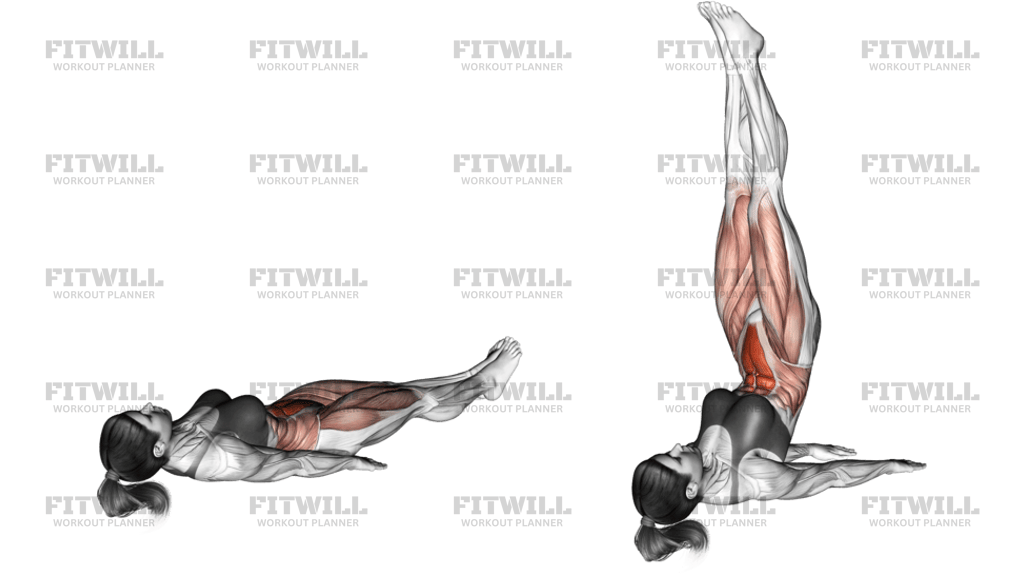
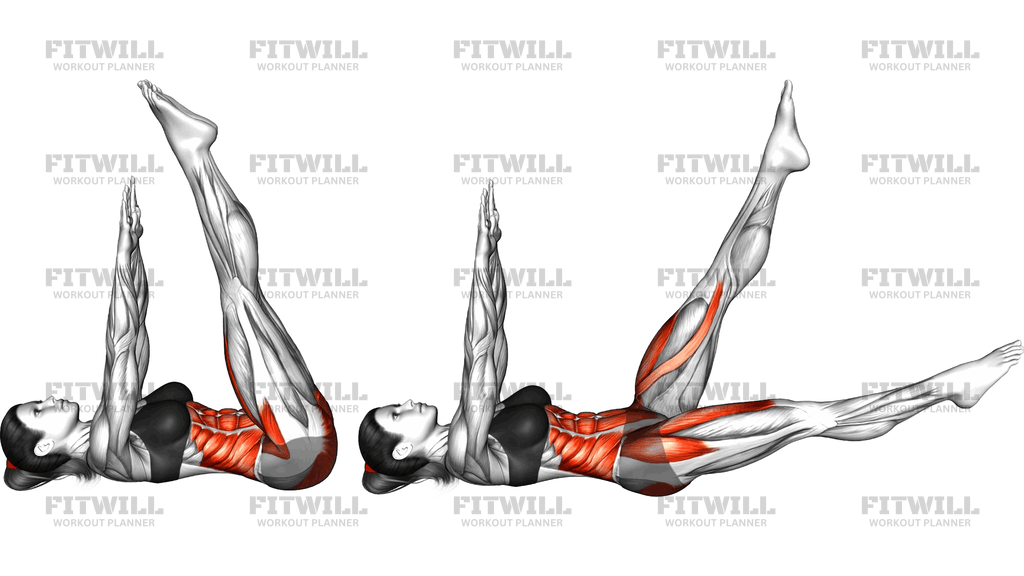
The Leg Drop Pulse is a supine core exercise that combines the classic leg drop with a small, repeated pulsing action at the bottom of the range. You lie flat on your back with both legs pointing straight up toward the ceiling and your arms reaching toward your toes, then lower one leg under control toward the floor and pulse it there before lifting it back up. Because one leg stays vertical while the other descends, your trunk has to resist rotation and extension the entire time, which makes this far more demanding on the deep abdominal wall than a standard two-leg drop.
This movement is especially useful for anyone who wants to build control in the lower abdominal region without loading the spine with external weight. The lowering leg challenges the hip flexors and lower abs eccentrically, while the pulsing phase keeps constant tension through the inner thigh and hip area. Meanwhile, the stationary leg and your reaching arms force the obliques and deep core to stabilize the pelvis so it does not tilt or twist as one side of the body gets longer.
Setup matters more than speed here. Because you are lying on the floor with your legs moving overhead and away from you, your lower back's contact with the ground is your built-in feedback loop. If the pelvis tips forward and the lumbar spine arches off the floor, the legs have dropped below a range your core can currently control. The arms reaching straight up toward the ceiling act as a reminder to keep the ribcage anchored down rather than flaring open as the leg descends.
To execute it well, think of the pulse as a small, precise action rather than a bounce. Lower the working leg only as far as you can keep the tailbone and lower back glued to the floor, then perform several short pulses from that position, as if pressing the heel gently toward a wall behind you. The return should be just as deliberate as the descent, drawing the leg back up to vertical using the abdominal wall rather than momentum.
This exercise fits well into Pilates-style mat sessions, core finishers after lower body training, and home routines where no equipment is available. It is also a common progression tool: if you can hold a solid leg drop, the added pulse phase raises time under tension and exposes any asymmetry between your left and right sides. Beginners can bend the non-working knee or reduce the depth of the drop, while more advanced trainees can slow the tempo or pause longer in the pulsing position.
A few practical safety points are worth keeping in mind. Keep the neck relaxed and the head resting on the floor rather than craning forward, and stop the descent well before you feel your lower back peel away from the ground. If you have ongoing hip or lumbar discomfort, work with a reduced range and focus on the pulsing portion near vertical, where the leverage load on the trunk is lowest.
[ Workout Log & Planner ]
Put your next workout in Fitwill
Keep your plan and training log ready when you are.


Instructions
- Lie flat on your back on an exercise mat with your legs extended and stacked, then raise both legs until they point straight up toward the ceiling, perpendicular to the floor.
- Extend both arms straight up so your hands reach toward your toes, press your lower back gently into the floor, and rest the back of your head on the mat.
- Brace your abdominal wall as if preparing for a light push to the belly, keeping the ribcage drawn down toward your hips.
- Keeping the working leg straight, begin lowering it away from the vertical position while the other leg stays pointing at the ceiling.
- Stop the descent at the point where your tailbone and lower back are still firmly in contact with the floor — commonly around 45 degrees or slightly lower for most people.
- From that lowered position, perform several small pulses, driving the heel a short distance up and down as if pressing it back toward the wall behind you.
- Keep the toes of the working leg softly pointed or flexed consistently, and avoid letting the knee bend as fatigue builds.
- Exhale during each pulse and the lift back up; inhale as you continue lowering or hold the lowered position.
- After completing the pulses, use your abdominal muscles — not momentum — to draw the leg back up to vertical alongside the other leg.
- Switch legs and repeat for the same number of pulses, then reset your lower back contact before beginning the next set.
Tips & Tricks
- The most common mistake is dropping the leg past the point of control, which arches the lower back off the floor. Watch your waistline: if you feel it lifting, the leg has gone too low.
- If your hamstrings pull tight and force your knee to bend during the drop, spend time on straight-leg mobility work, or run this exercise with a slightly bent knee until flexibility improves.
- Do not let the stationary leg drift. It should stay truly vertical; if it leans toward the working leg, your pelvis is rotating and the obliques are no longer doing their job.
- Keep your arms reaching toward the ceiling throughout. Dropping the hands toward the floor behind you opens the ribcage and reduces abdominal tension.
- Make the pulses small and deliberate. Big, bouncing pulses turn the exercise into a momentum drill and shift work away from the lower abs and hip flexors.
- Press the palms lightly toward the toes during each pulse to reinforce the ribcage-down position and deepen the abdominal brace.
- Keep the neck neutral. Lifting the head to watch your legs is unnecessary and often leads to neck strain during longer pulse sets.
- If the pelvis tilts on every rep, try bending the non-working knee and placing that foot flat on the floor to shorten the lever and stabilize the hips.
- Breathe steadily rather than holding your breath through the pulse phase — holding it usually coincides with the lower back lifting off the mat.
- Start with a shallow drop and fewer pulses per set. Depth and volume can increase as your ability to keep the tailbone anchored improves.
Frequently Asked Questions
What muscles does the Leg Drop Pulse work?
The primary work comes from the lower abs and hip flexors of the moving leg, which control the descent and drive the pulses. The inner thighs assist during the pulsing phase, while the obliques and deep core stabilize the pelvis against the pull of the lowering leg.
How low should I drop my leg during the Leg Drop Pulse?
Lower only until your lower back and tailbone remain flat against the floor. For most people this is around 45 degrees from vertical; going deeper before you have the control will arch the lumbar spine and reduce the benefit.
Is the Leg Drop Pulse suitable for beginners?
Yes, with modifications. Bend the non-working knee and place that foot flat on the floor, and use a shallower drop with fewer pulses. As control improves, straighten the support leg and deepen the range gradually.
Why do my hip flexors feel the Leg Drop Pulse more than my abs?
The hip flexors work hard to hold and move the straight leg, which is normal. If they completely dominate, focus on pressing the lower back into the floor and exhaling sharply on each pulse — this usually restores the abdominal sensation.
What is the difference between the Leg Drop Pulse and a regular leg drop?
A regular leg drop lowers and raises the leg in one continuous path. The Leg Drop Pulse adds repeated small pulses in the lowered position, which extends time under tension and keeps constant load on the lower abs and hip flexors.
Can I do the Leg Drop Pulse if my hamstrings are tight?
Tight hamstrings often cause the knee to bend or the pelvis to tuck as the leg lowers. Use a slightly bent working knee or reduce the depth of the drop, and address hamstring flexibility separately so the movement pattern stays clean.
How many pulses should I perform on each leg?
A practical starting point is 5 to 10 small pulses per side, controlling the return to vertical afterward. Adjust the count based on whether you can keep your lower back flat and your supporting leg vertical for the entire set.
Do I need any equipment for the Leg Drop Pulse?
No equipment is required — just enough floor space to lie flat. An exercise mat is recommended to cushion the spine and pelvis, but the movement itself is entirely body weight.
Should my arms move during the Leg Drop Pulse?
No. Keep both arms reaching straight up toward the ceiling the whole time. Reaching up helps hold the ribcage down; letting the arms fall open toward the floor reduces abdominal tension and makes stabilization harder.
Is it safe to do the Leg Drop Pulse with lower back discomfort?
Work with a very shallow drop and short pulse sets, keeping the tailbone anchored throughout. If any position consistently provokes discomfort or causes the back to arch off the floor, reduce the range further or consult a qualified professional before continuing.