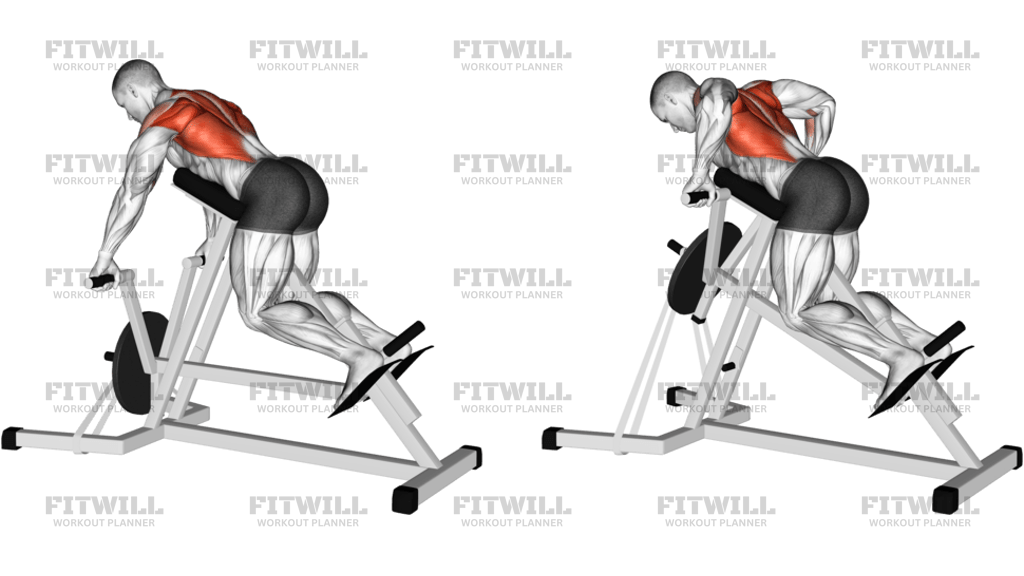
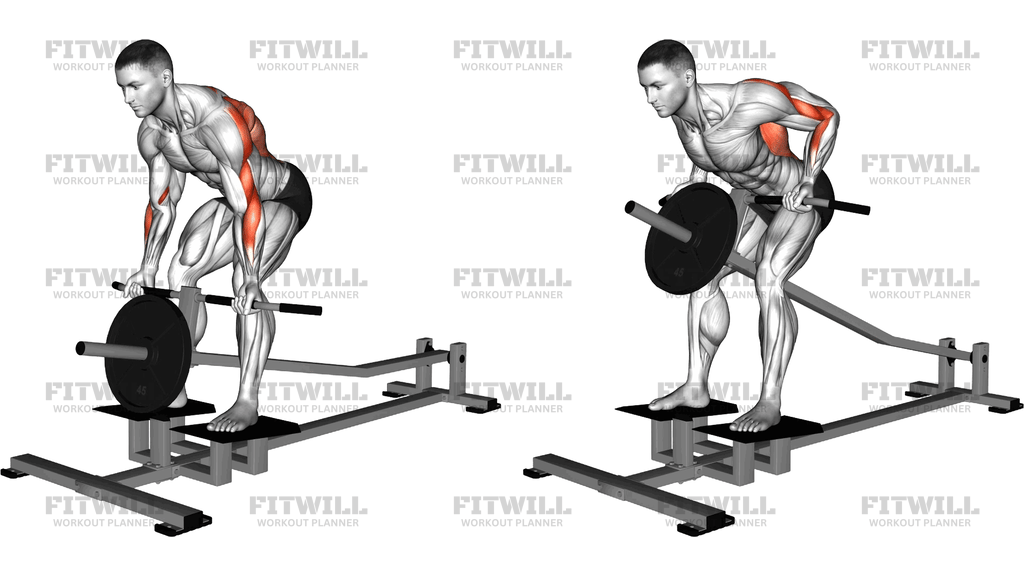
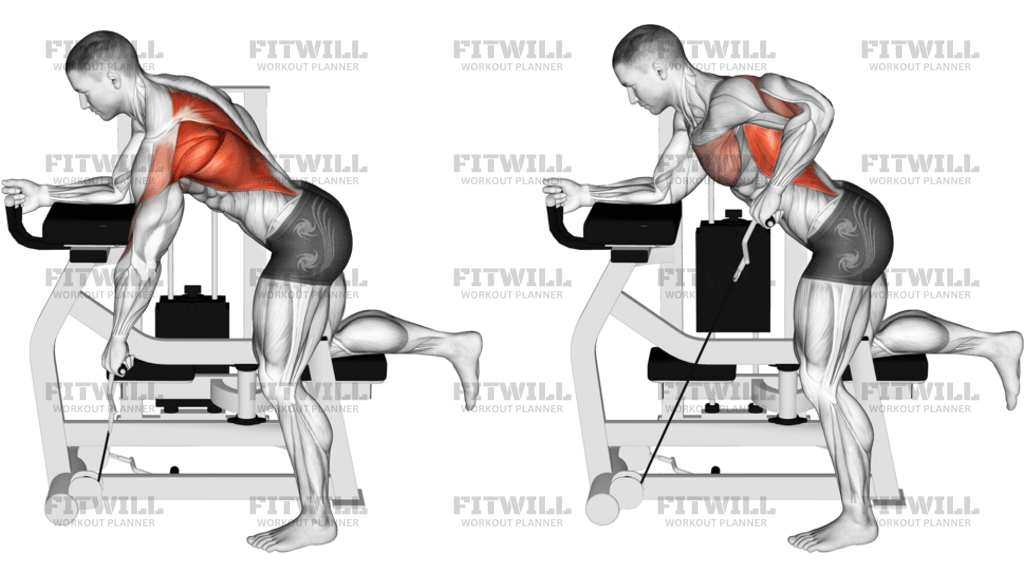
Lever Bent-Over Neutral Grip Row With Chest Support
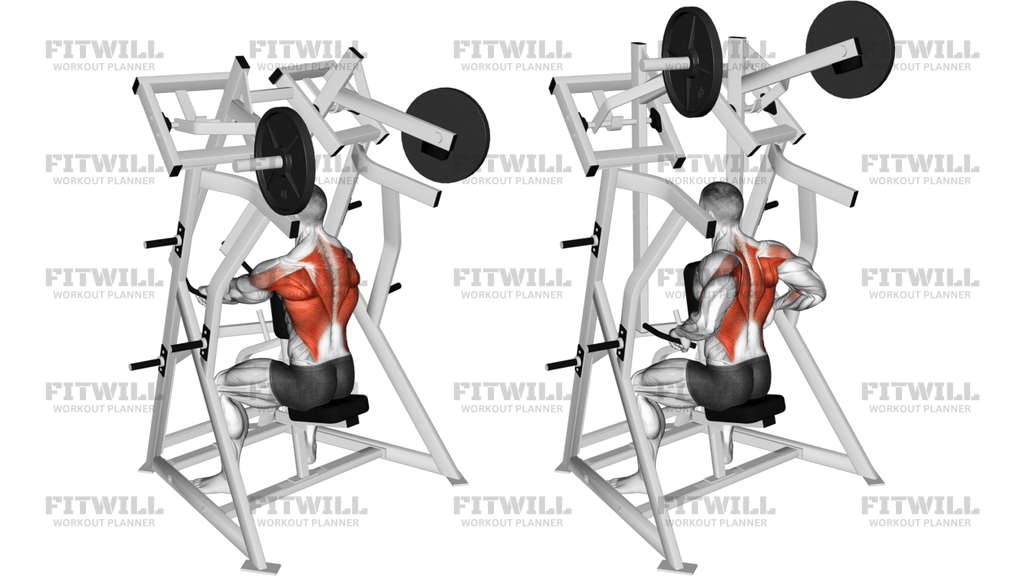
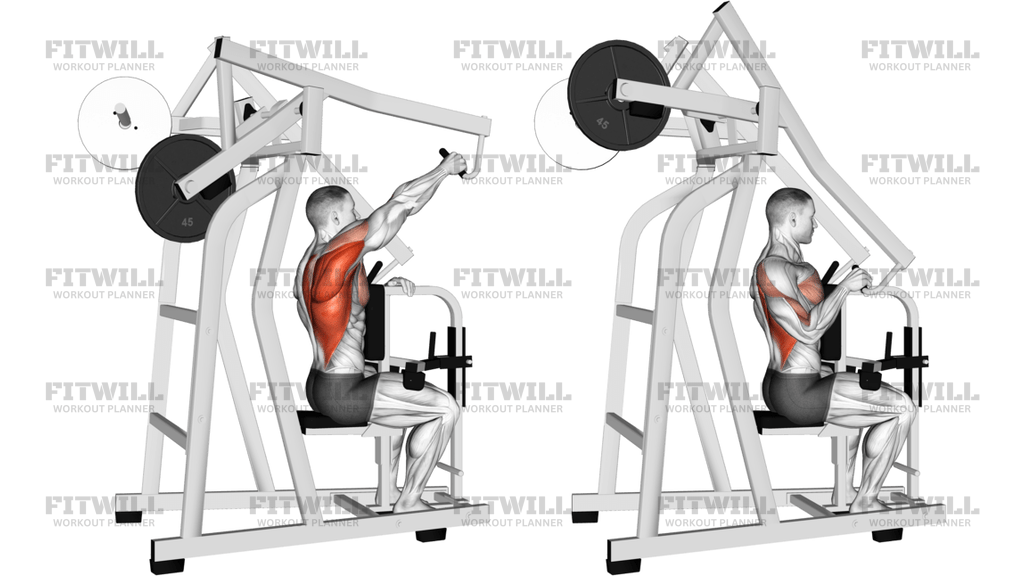
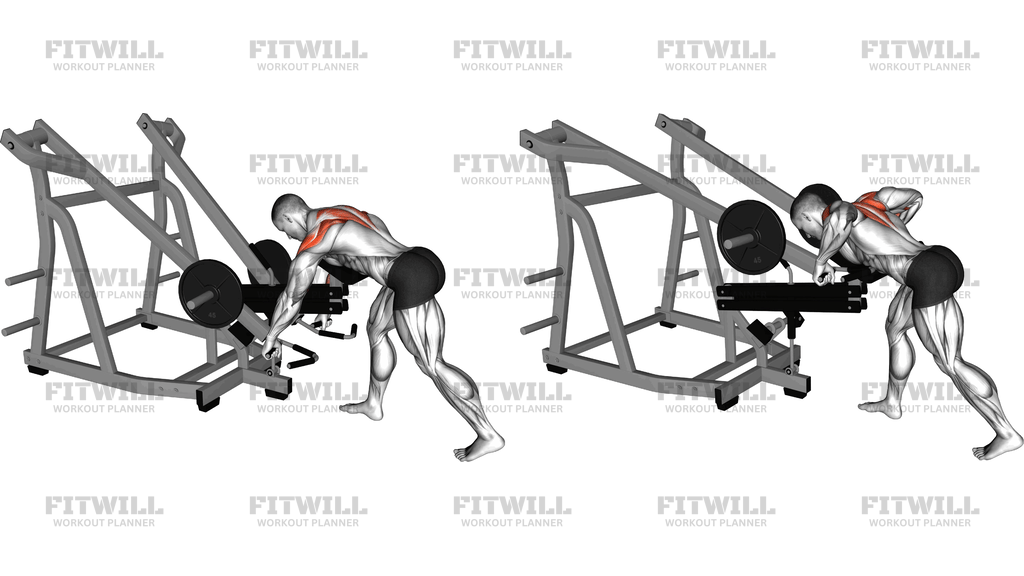
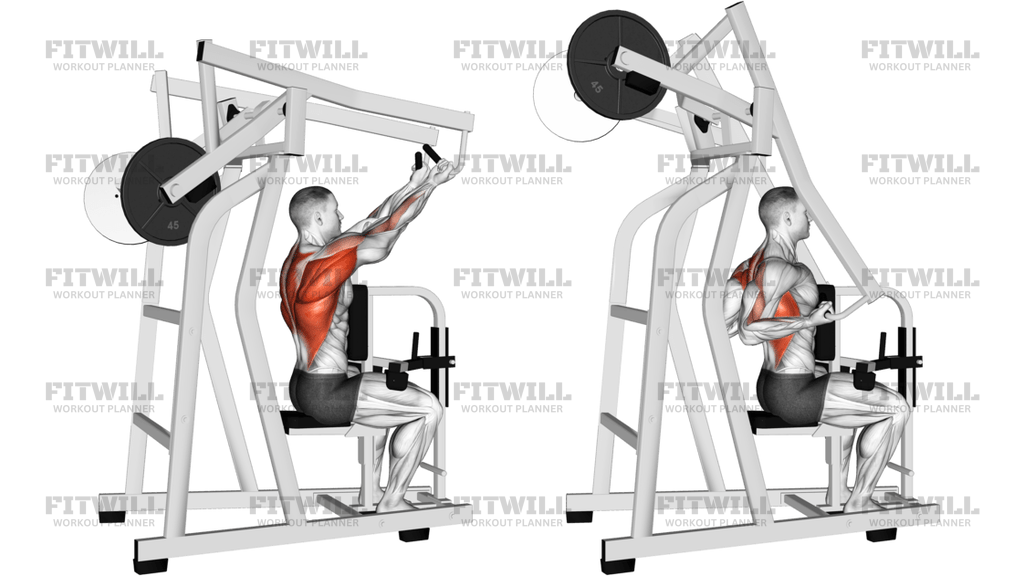
Lever Bent-Over Neutral Grip Row With Chest Support is a chest-supported rowing exercise that trains the back with far less low-back demand than an unsupported bent-over row. Because your torso stays anchored against the pad, you can focus on driving the elbows back and keeping the shoulder blades moving cleanly instead of using body English. The neutral grip usually feels friendlier on the wrists and shoulders than a wider overhand row, which makes this a useful option for controlled hypertrophy or accessory strength work.
The setup matters because the machine only feels right when the chest pad, handle height, and foot position line up. Press your chest firmly into the support, keep a slight bend in the knees, and stand far enough from the platform that you can reach the handles without losing your brace. Your spine should stay long and neutral, not arched hard at the bottom or collapsed through the upper back.
From the start, let the arms lengthen without yanking the shoulders out of position, then pull the handles toward the lower ribs or upper abdomen. Keep the elbows tracking back rather than flaring aggressively, and think about squeezing the upper arm against the sides of the torso as the back does the work. A brief squeeze at the top helps you feel the lats and mid-back finish the rep before a slow, controlled return.
This exercise is especially useful when you want back volume without adding more fatigue to the lower back. It fits well after deadlifts, squats, or other unsupported pulling, and it can also be a primary row in a machine-based back session. The chest support makes cheating harder, so the load should be heavy enough to challenge the working muscles but not so heavy that you have to slam the pad, yank with the arms, or shorten the return.
Treat the movement as a repeatable row, not a heave. If your shoulders shrug, the pad is too low or the weight is too high; if your chest comes off the support, reset the stance and reduce the load. The best reps look identical from the first to the last, with the handles moving smoothly, the neck relaxed, and the back doing the work from a stable base.
Fitwill
Log Workouts, Track Progress & Build Strength.
Achieve more with Fitwill: explore over 9600 exercises with images and videos, access built-in and custom workouts, perfect for both gym and home sessions, and see real results.
Start your journey. Download today!




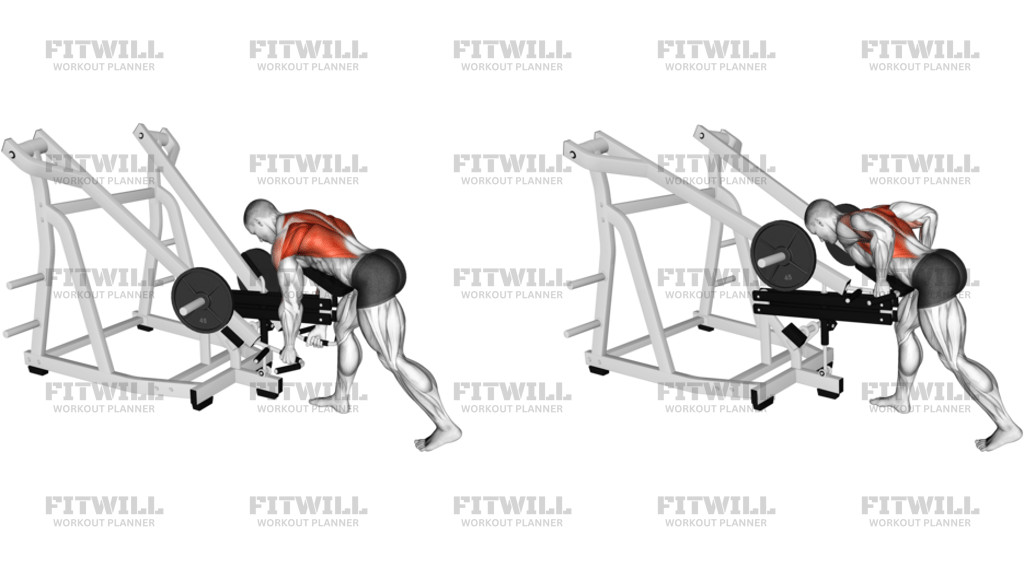
Instructions
- Adjust the chest pad so your sternum and upper chest can stay firmly supported while your hands reach the neutral handles at arm's length.
- Plant your feet shoulder-width apart or in a slight stagger, bend your knees softly, and keep your hips back so your torso stays glued to the pad.
- Grab the neutral handles with your palms facing each other and let your arms hang long without shrugging your shoulders.
- Set your ribs down, brace your abdomen into the pad, and keep your neck long before the first pull.
- Drive your elbows back and slightly down toward your lower ribs or upper abdomen instead of pulling with your hands.
- Finish each rep by squeezing the shoulder blades back without bouncing your chest off the support.
- Lower the handles slowly until your arms are nearly straight and you feel the back lengthen under control.
- Keep the chest on the pad, breathe out as you pull, breathe in as you lower, and let the handles settle safely before the next rep.
Tips & Tricks
- Use the load that lets your chest stay planted; if you need to push off the pad, the stack is too heavy.
- Think about pulling the elbows toward the back pockets if you want more lat involvement.
- Keep the handles moving toward the lower ribs, not high toward the chest, to avoid turning this into a shrugging row.
- Let the shoulders reach forward a little on the stretch, but do not let the upper back round off the pad.
- If your grip fails before your back does, use straps or reduce the load so the set still trains the row itself.
- A one-second squeeze at the top helps stop momentum and makes the machine work harder on the back.
- Lower the handles slowly enough that the weight never slams the start position.
- Keep the knees softly bent and the feet set where you can resist the pad instead of drifting forward.
Frequently Asked Questions
What does Lever Bent-Over Neutral Grip Row With Chest Support work most?
It mainly targets the lats and upper back, with the rear shoulders and biceps helping during the pull.
Is Lever Bent-Over Neutral Grip Row With Chest Support easier on the lower back than a free row?
Yes. The chest support removes most of the hinge demand, so the back muscles can work without your lower back having to hold your torso up.
Should my elbows stay tucked or flare out on this row?
Keep them slightly tucked and drive them back along the sides of your torso. Flared elbows usually shift the work higher into the traps and rear delts.
How far should I pull the handles on Lever Bent-Over Neutral Grip Row With Chest Support?
Pull until the handles reach your lower ribs or upper abdomen and you can squeeze the shoulder blades without losing contact with the pad.
Can beginners use this machine row?
Yes. It is a good beginner option because the chest support makes the path more stable and easier to learn than a free-standing row.
What is the most common mistake on this row?
Loading it too heavy and jerking the torso into the pad. If the rep needs momentum, the set is too heavy.
Where should I feel Lever Bent-Over Neutral Grip Row With Chest Support?
You should feel the back of the torso doing the main work, especially the lats and mid-back, with the arms assisting rather than taking over.
Can I use this instead of dumbbell rows or barbell rows?
Yes, especially when you want more back volume with less lower-back fatigue. It is a solid substitute for accessory rowing work.