Barbell Deadlift Side POV
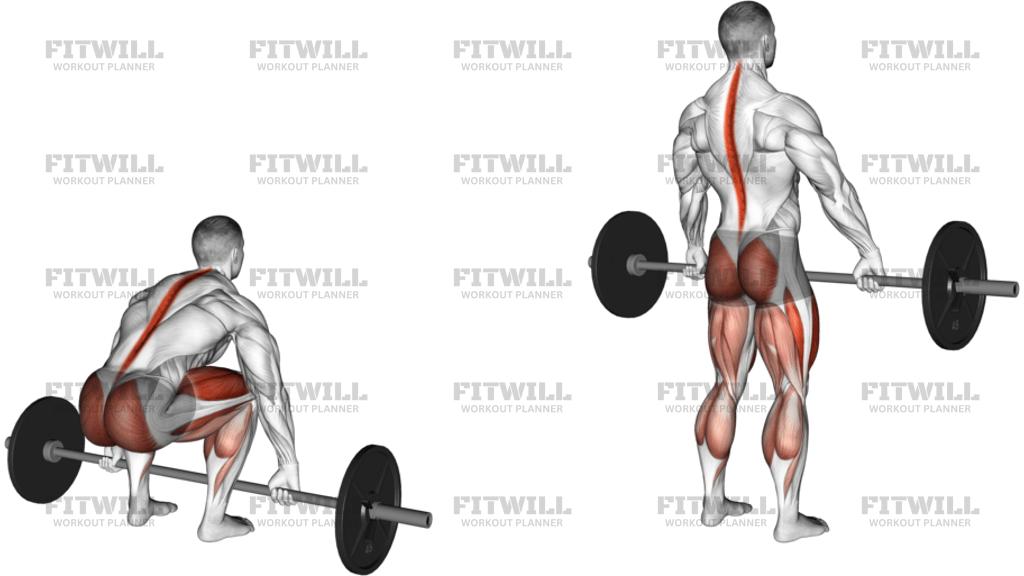
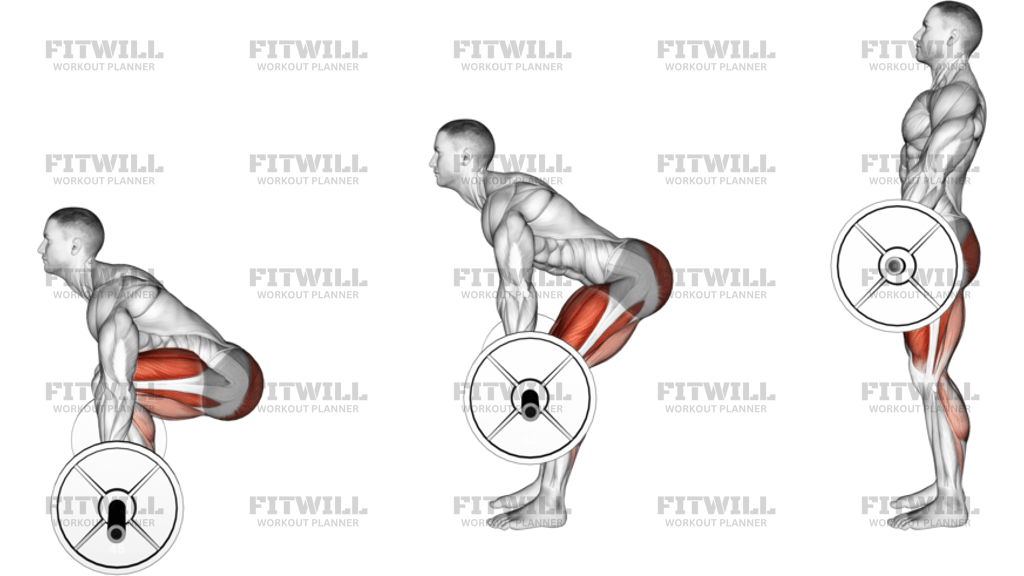
Barbell Deadlift (Side POV) is a barbell hinge that trains the hips, glutes, hamstrings, back, and grip by lifting the bar from the floor to a fully standing position. The side view makes it easy to check the two details that matter most in a deadlift: the bar should travel close to the legs, and the torso should stay braced instead of collapsing or overextending as the bar leaves the floor.
This movement is built from the setup. Your feet need to be planted so the bar starts over the midfoot, your hands need to grip just outside the legs, and your back needs to stay long while the hips settle into a position you can hold. If the start position is too low, the lift turns into a squat. If the hips start too high, the bar usually drifts forward and the lower back takes over. The deadlift works best when the body is wedged into a strong pulling position before the plates leave the ground.
From there, the lift should feel like a controlled push against the floor. The bar breaks from the ground, passes the shins, and stays close as the knees and hips extend together. At the top, stand tall with the glutes tight and the ribs stacked over the pelvis, but do not lean back to finish the rep. The lockout is complete when you are upright and stable, not when you have turned the movement into a back bend.
On the way down, reverse the same path under control. Hinge first, let the bar slide down the thighs, then bend the knees once the bar clears them so it returns to the floor close to the body. This is a strong main lift for lower-body and posterior-chain strength work, but it also rewards beginners because the side view exposes setup errors quickly. Use a load that lets you keep the bar path, brace, and spine position consistent from the first rep to the last.
[ Workout Log & Planner ]
Put your next workout in Fitwill
Keep your plan and training log ready when you are.


Instructions
- Stand with your midfoot under the bar, feet about hip-width apart, and the bar over the laces before you bend down.
- Hinge at the hips to grip the bar just outside your legs, then drop your hips until your shins lightly touch the bar.
- Set your chest long, keep your back neutral, and pull your shoulders down so your arms hang straight like straps.
- Take a breath into your belly and brace hard before the bar leaves the floor.
- Create tension by pulling the slack out of the bar without jerking it off the ground.
- Drive the floor away so the bar rises close to your shins and then your thighs.
- Extend your knees and hips together until you stand tall with the glutes tight and the ribs stacked over the pelvis.
- Lower the bar by hinging first, then bending the knees once the bar passes them, and reset on the floor before the next rep.
Tips & Tricks
- Start each rep with the bar directly over the midfoot; if it drifts forward, the pull gets longer and the lower back works harder.
- Think about pushing the floor away instead of yanking the bar with your arms; the arms should stay straight the whole time.
- Keep the bar brushing close to the shins and thighs so the load stays stacked over the feet instead of swinging away from you.
- If your hips shoot up before the bar moves, the start position is probably too low or the load is too heavy for your current setup.
- Finish by standing tall, not by leaning back; the top position should look stacked, not hyperextended.
- Lower the bar under control and reset each rep if your setup changes, especially on heavier sets from the floor.
- Use straps only when grip is the limiting factor and you still want the hips and back to do the main work.
- Stop the set when your back rounds, the bar path loops forward, or you can no longer keep the chest and hips moving together.
Frequently Asked Questions
What muscles do Barbell Deadlift (Side POV) work most?
It primarily trains the glutes, hamstrings, back, and grip while the legs and core stabilize the lift.
Can beginners perform this exercise?
Yes, but beginners should start light and use the side view to check bar position, spine angle, and whether the bar stays close to the body.
Where should the bar start before the first pull?
It should start over the midfoot, with the shins close enough that the bar can rise straight up without swinging forward.
Should my shins touch the bar in the setup?
A light touch is normal and useful. The bar should not be pushed away from the body before the pull starts.
Why does the side view matter on a deadlift?
It shows whether the hips rise too fast, the back rounds, or the bar drifts away from the legs, which are the most common technical faults.
What should I do if the bar is hard to break off the floor?
Recheck your brace and wedge, pull the slack out of the bar, and lower the load if you still cannot keep the chest and hips organized.
Do I need a mixed grip for this deadlift?
Not usually. Most lifters can use a double-overhand grip until the load becomes limited by grip strength; straps are another option for training volume.
How do I know I am locking out correctly?
You should end upright with the glutes tight and the ribs stacked, not by leaning backward or overextending the lower back.