Cable Seated Foot Eversion
Cable Seated Foot Eversion is a small, controlled ankle exercise that turns the sole of the foot outward against a low cable. Sitting on the floor beside the stack keeps the movement honest and makes it easier to feel the outside of the lower leg doing the work instead of letting the hip, knee, or trunk help. It is a useful accessory drill for ankle control, foot stability, and the muscles that help resist the foot rolling inward.
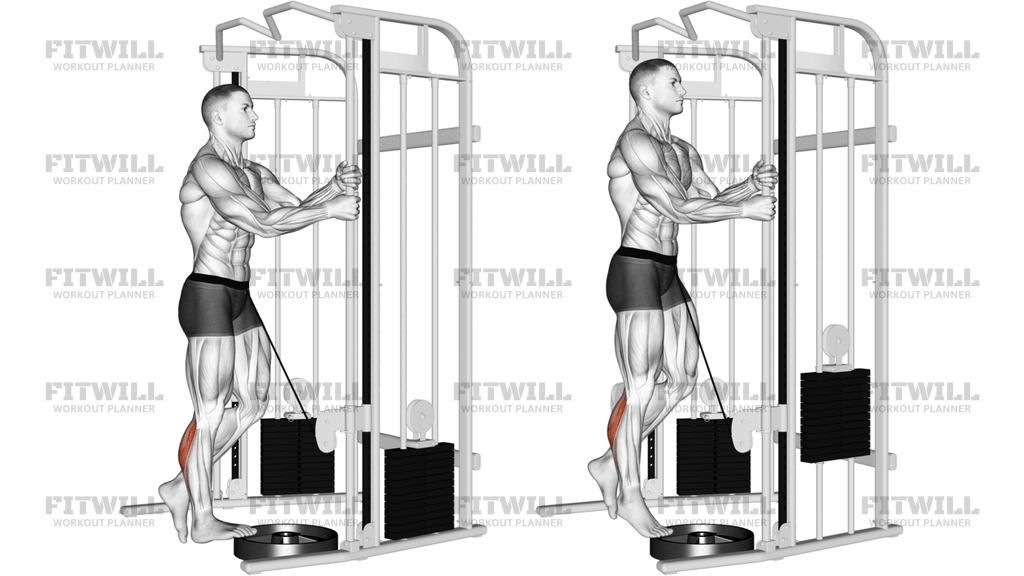
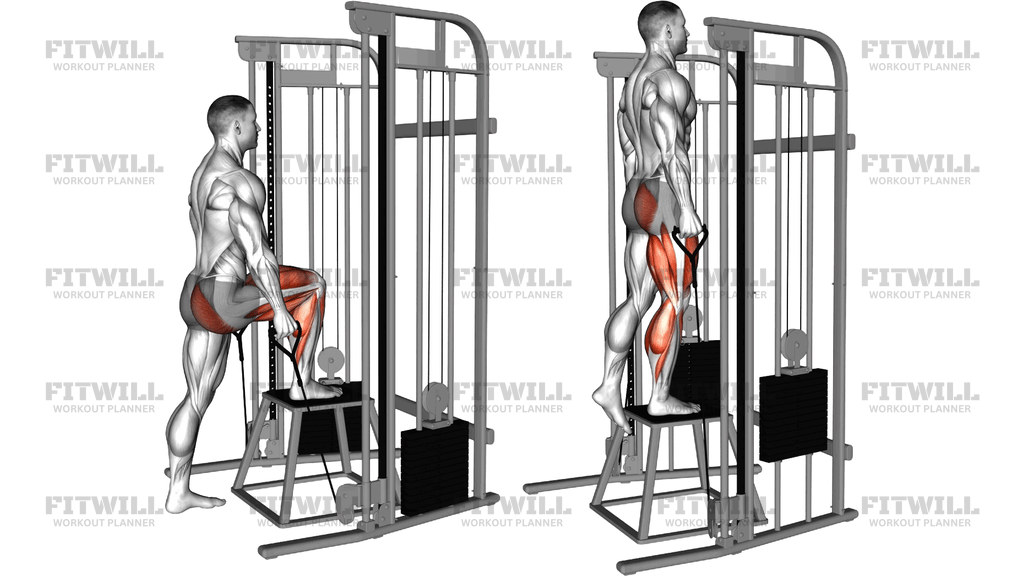
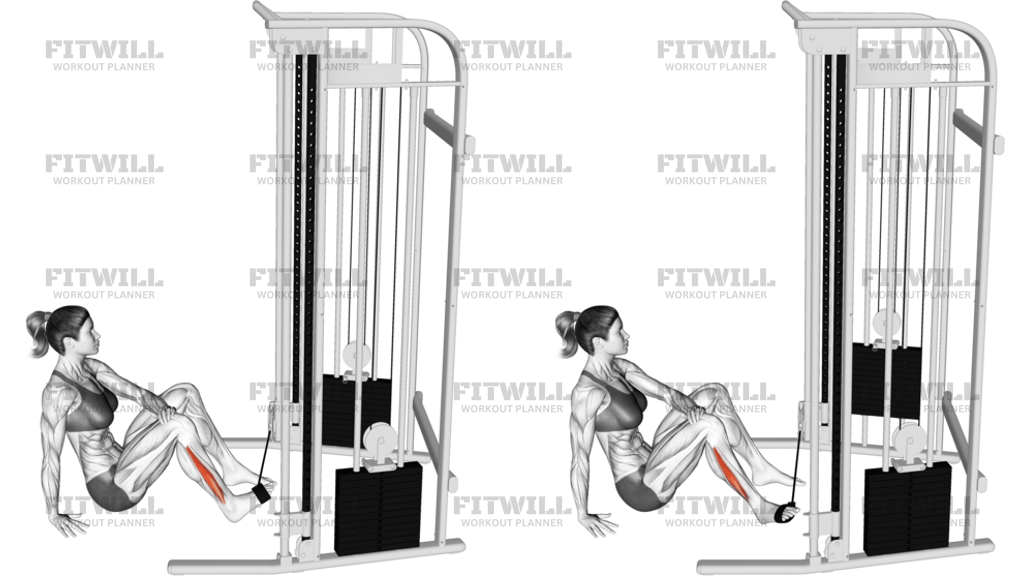
The setup matters because the cable should pull from the inside of the working foot while your lower leg stays quiet. In the image, the athlete is seated with both hands behind the body for support, the working knee bent, and the cable attached to the forefoot through a handle. That position lets you isolate eversion without turning it into a larger leg movement or a sloppy twist through the knee.
A good repetition starts from a neutral or slightly turned-in foot, then finishes by rotating the sole outward until the ankle reaches its clean end range. The range is small, so the quality of the rep matters more than the size of the motion. Pause briefly when the outer edge of the foot reaches its furthest comfortable position, then return slowly so the cable controls the foot back to start. Exhale as you move into eversion and keep the return smooth.
This exercise fits well in warmups, ankle-prehab work, rehab-style accessory blocks, or after heavier lower-body training when you want extra control around the foot and ankle. It is also practical for athletes who need better lower-leg coordination for cutting, landing, side-to-side movement, or uneven surfaces. Keep the load light enough that the shin stays still, the toes do not claw, and the knee does not drift with the rep. If the ankle pinches or the foot cramps, shorten the range and reset the attachment before adding resistance.
[ Workout Log & Planner ]
Put your next workout in Fitwill
Keep your plan and training log ready when you are.


Instructions
- Sit on the floor beside a low cable pulley and clip on a handle attachment.
- Loop the handle around the forefoot of the working foot so the cable pulls from the inside of the foot.
- Bend the working knee and lean back on your hands for support while keeping the lower leg still.
- Start with the foot near neutral or slightly turned in before the rep begins.
- Turn the sole outward against the cable by moving only at the ankle.
- Stop at the end of the range without letting the knee, hip, or trunk twist.
- Hold the outer position briefly, then lower the foot back slowly under control.
- Exhale as you turn the foot outward and repeat for the planned reps before switching sides.
Tips & Tricks
- Set the pulley low enough that the cable stays level with the forefoot through most of the rep.
- Keep the shin quiet; if the knee follows the foot, the stack is too heavy.
- Think about turning the sole outward, not twisting the whole leg.
- Move the attachment point closer to the toes for more leverage or closer to the midfoot if the pull feels too sharp.
- Do not let the heel bounce, slide, or lift if it is being used as a reference point.
- Use a slow return because the outer lower-leg muscles have to control the cable back to neutral.
- Stay in a pain-free range if the ankle feels pinchy at the top of the motion.
- Stop the set when the toes start clawing or the foot can no longer move without compensation.
Frequently Asked Questions
What muscle does Cable Seated Foot Eversion target most?
It mainly targets the peroneal muscles on the outside of the lower leg, which help turn the sole outward.
Is this more of a calf exercise or an ankle drill?
It is more of an ankle and outer lower-leg drill than a traditional calf raise.
Where should the handle or strap sit?
It should sit around the forefoot or ball of the foot so the cable pulls from the inside while you turn outward.
Should my knee move during the rep?
No. The knee and thigh should stay mostly still while the ankle does the work.
Can beginners do Cable Seated Foot Eversion?
Yes. It is beginner-friendly if you keep the load light and the range smooth.
What does it mean if I feel it in my hip or knee?
That usually means the resistance is too heavy or the leg is helping too much. Lighten the stack and keep the motion smaller.
When is this exercise most useful?
It works well in warmups, ankle-prehab blocks, rehab-style accessory work, or after lower-body training.
How is eversion different from inversion?
Eversion turns the sole outward. Inversion turns the sole inward, which is the opposite direction.