Wrist Full Push-Up
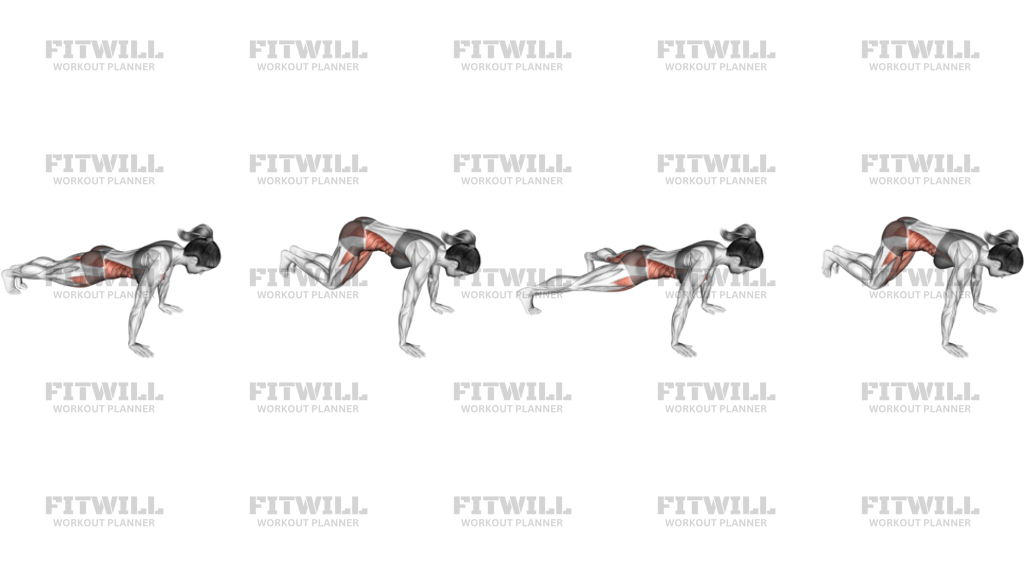
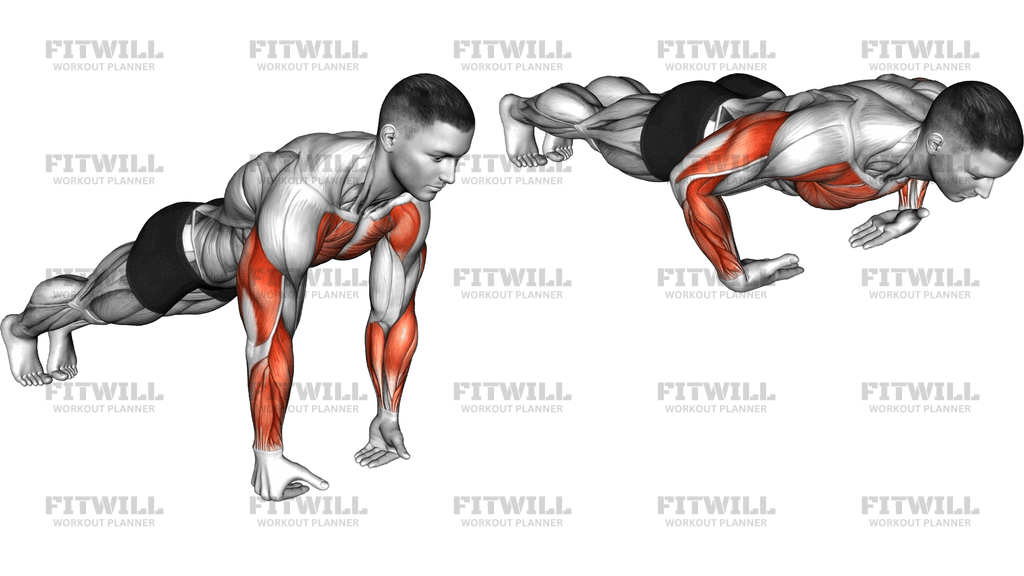
Wrist Full Push-Up is a full-range body-weight pressing exercise built around a strict floor push-up pattern. It asks you to hold a long plank, lower the chest toward the floor, and press back to a strong lockout while the wrists, shoulders, chest, and triceps all share the load. The image shows a classic ground-based push-up position, so the setup matters as much as the pressing action itself: if the hands, wrists, and trunk are not organized before the first rep, the movement turns into a sagging press instead of a clean strength rep.
This exercise is most useful when you want upper-body pressing strength with extra emphasis on control through the bottom position. The chest does most of the work, but the front shoulders and triceps finish the press, while the core, glutes, and shoulder stabilizers keep the body from bending in the middle. Because the hands stay fixed on the floor, wrist comfort and hand placement are part of the exercise, not just an afterthought.
A good Wrist Full Push-Up starts with the hands planted just outside shoulder width, fingers spread, and shoulders stacked over the wrists. From there, lock the ribs down, squeeze the glutes, and keep the body in one line from head to heels. Lower as a single unit until the chest is close to the floor, then press the floor away and finish with the elbows fully extended without losing the plank.
Use a slow, repeatable tempo and treat the bottom position as the hardest part of the rep. If the wrists feel overloaded, the hands are probably too far forward, the elbows are flaring too wide, or the shoulders are drifting ahead of the wrists. Elevating the hands on handles, a bench, or a sturdy box can reduce wrist strain while preserving the same pressing pattern.
Wrist Full Push-Up fits well in a strength session, accessory block, or body-weight circuit when you want a strict horizontal press without machines or dumbbells. It also works well as a regression or progression point: beginners can shorten the range on an incline, and stronger lifters can slow the lowering phase or pause just above the floor. The goal is a clean chest-to-floor press with stable wrists, not a hurried set of partial reps.
[ Workout Log & Planner ]
Put your next workout in Fitwill
Keep your plan and training log ready when you are.


Instructions
- Place your hands on the floor slightly wider than shoulder width, with your wrists stacked under your shoulders and your fingers pointing forward.
- Walk your feet back into a straight high plank so your head, shoulders, hips, and heels form one line.
- Spread your fingers and press through the whole hand to keep the wrists stable before the first rep starts.
- Brace your abs and squeeze your glutes so your torso does not sag when you lower.
- Bend your elbows at about a 30- to 45-degree angle and lower your chest toward the floor between your hands.
- Keep your neck long and your shoulders controlled as you descend under steady tension.
- Lower until your chest is just above the floor or lightly touches, depending on your range and control.
- Press the floor away to return to the top plank, finishing with straight elbows and the body still rigid.
- Reset your breath at the top and repeat for the planned number of reps before stepping out of the plank.
Tips & Tricks
- If your wrists feel jammed, move the hands a little farther back under the shoulders instead of letting them drift forward.
- Keep the elbows angled back rather than flared straight out to protect the shoulders and keep the press stronger.
- Think about lowering the chest between the hands, not dropping the hips first.
- Pause for a beat just above the floor to remove bounce and make the bottom position honest.
- A short, controlled descent will usually feel better on the wrists than a fast drop into the bottom.
- Use push-up handles or an incline if flat palms on the floor irritate the wrist joint.
- Keep pressure spread through the thumb pad and index-finger base instead of collapsing into the heel of the palm.
- Stop the set when the lower back starts to arch or the shoulders move ahead of the hands.
Frequently Asked Questions
What muscles does Wrist Full Push-Up work?
It mainly trains the chest, with help from the triceps and front shoulders. The core, glutes, and wrist stabilizers work hard to keep the body rigid on the floor.
How is Wrist Full Push-Up different from a regular push-up?
The pattern is the same full-body press, but this version makes wrist and hand placement more important. If the floor position feels harsh, use handles or an incline and keep the hands stacked under the shoulders.
Can beginners do Wrist Full Push-Up?
Yes, but many beginners should start with an incline or knee version first. That keeps the same pressing path while reducing wrist and shoulder load.
Why do my wrists hurt during Wrist Full Push-Up?
The most common reason is that the hands are too far forward, too narrow, or too flat without enough pressure spread through the whole hand. Try a higher surface or push-up handles if the floor position feels harsh.
How low should I go on Wrist Full Push-Up?
Lower until your chest is just above the floor or lightly touches while your torso stays straight. If the hips sag before that point, shorten the range for now.
Should my elbows flare out on Wrist Full Push-Up?
No. Keep them angled back from the shoulders so the press stays stronger and the front of the shoulder is not taking the whole load.
Can I use Wrist Full Push-Up as a chest exercise day movement?
Yes. It works well as a body-weight chest press in a strength circuit, finisher, or accessory block when you want controlled reps without external load.
What can I use instead if the floor position bothers my wrists?
Use push-up bars, dumbbells as handles, or an incline bench. Those options keep the same pressing pattern while reducing wrist extension.