Resistance Band Lying Leg Raise
Resistance Band Lying Leg Raise is a floor-based core and hip-flexion drill that loads the working leg through a band while the torso stays pinned to the mat. It is useful when you want a strict lower-body ab exercise that challenges pelvis control, abdominal tension, and hip flexor strength without needing a machine or heavy external load. The band makes the top half of the raise more demanding, so the rep only counts if you can keep the trunk quiet all the way through.
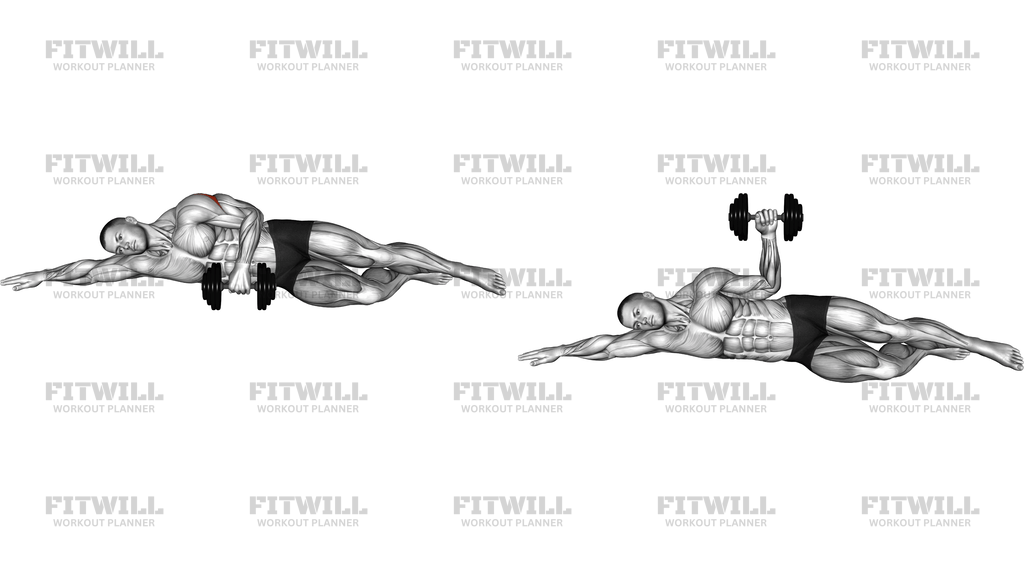
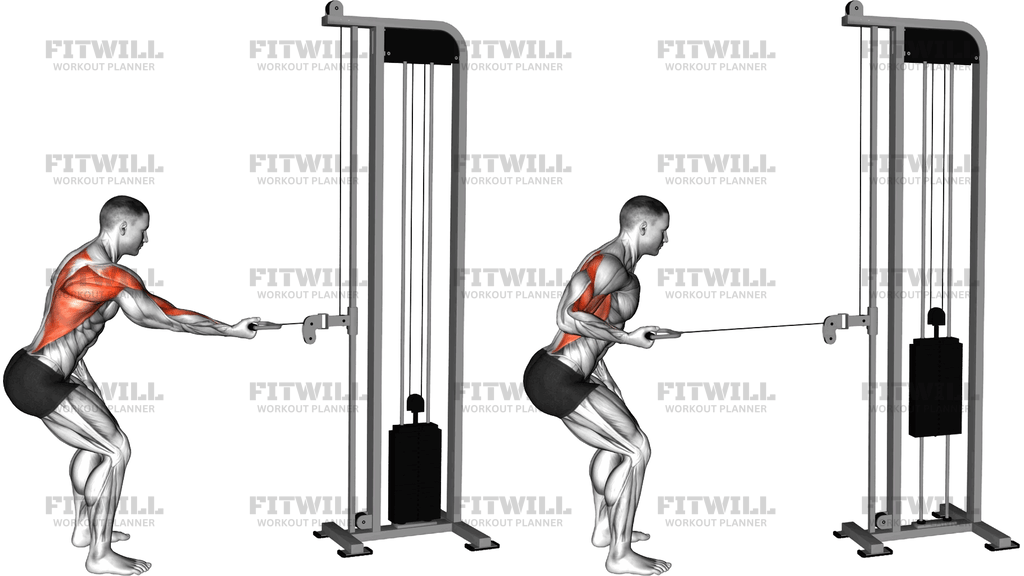
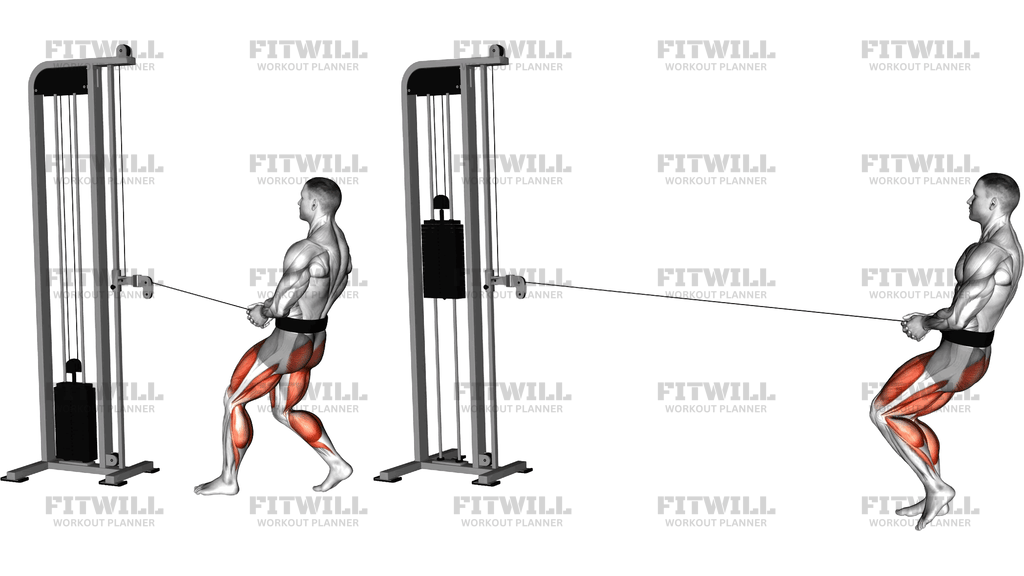
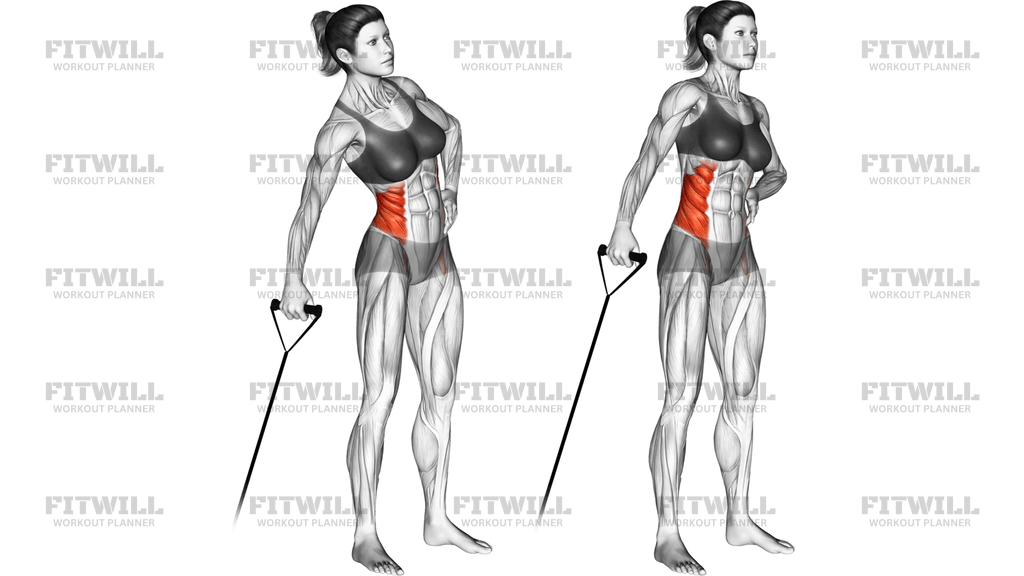
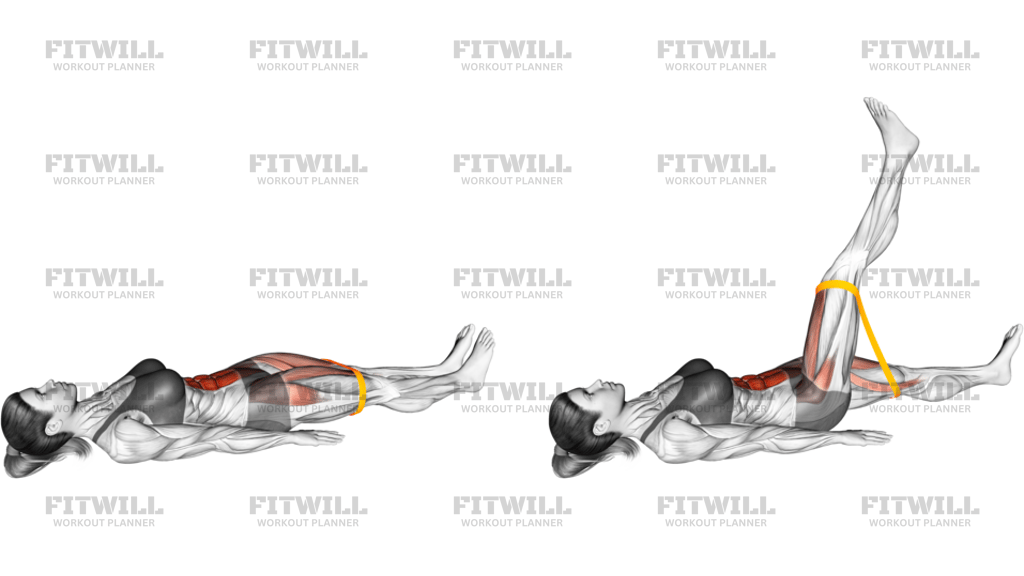
The image shows a single leg moving while the other leg stays long and still, which makes the setup important. Lie on your back, keep your shoulders relaxed, and loop the band around the working foot or ankle with the line of pull anchored low and slightly to the side. That position helps the leg rise in a clean arc instead of drifting across the body. If the band starts loose or the pelvis twists before you lift, the set becomes harder to control and the target muscles lose tension.
Each repetition should begin with the ribs down, the lower back long against the floor, and the non-working leg quiet. From there, lift the working leg by flexing at the hip, keep the toes pulled up, and stop the raise as soon as the pelvis starts to tilt or the low back wants to arch. The return should be slower than the lift, because the eccentric phase is where the band can pull you out of position if you rush it.
Resistance Band Lying Leg Raise fits well in core sessions, warm-ups, rehab-style accessory work, or lighter lower-body days where precision matters more than load. Beginners can use a light band and a shorter range to learn how to keep the trunk stable before chasing a higher lift. More advanced lifters can increase band tension, slow the lowering phase, or add a brief pause near the top, but the set should still look smooth from rep one to rep last.
Treat the exercise as a control drill, not a kick. If the front of the hip cramps, the band is probably too heavy or the leg is traveling too high for your current control. If your low back lifts off the floor, shorten the range and reset your ribs before the next rep. Clean Resistance Band Lying Leg Raise reps should leave the abs and hip flexors working hard while the rest of the body stays organized and still.
[ Workout Log & Planner ]
Put your next workout in Fitwill
Keep your plan and training log ready when you are.


Instructions
- Lie on your back on a mat and loop the resistance band around the working foot or ankle, with the anchor set low and slightly to the side.
- Keep the other leg long on the floor or softly bent for balance, and place your arms by your sides to help steady your torso.
- Press your shoulders down and let your low back settle into the floor before you start the first rep.
- Begin with the working leg long and the band already under light tension, not slack.
- Inhale to brace, then lift the leg by flexing at the hip instead of swinging the foot or tipping the pelvis.
- Keep the toes pulled back and the knee mostly straight, with only a small bend if that helps you stay in position.
- Raise the leg only until your low back starts to peel up or the opposite hip wants to rotate.
- Pause briefly near the top, then exhale and lower the leg slowly until it is just above the floor.
- Reset the tension before each rep, keep the non-working leg quiet, and unhook the band only after the final repetition.
Tips & Tricks
- Anchor the band low enough that the last third of the raise feels hardest; a high anchor makes the rep too easy at the top.
- If the pelvis twists, shorten the range before you add more band tension.
- A small knee bend is useful when a fully straight leg makes the low back arch.
- Keep the foot pulled back so the lift comes from the hip instead of from a pointed toe and a swinging shin.
- Let your hands press lightly into the floor for balance, but do not use them to yank your torso into position.
- Lower the leg more slowly than you lift it so the band does not pull you into the floor.
- Stop the set if the front of the hip cramps; that usually means the band is too heavy or the range is too high.
- Use the lightest band that still makes the top of each rep deliberate and controlled.
Frequently Asked Questions
What does Resistance Band Lying Leg Raise work most?
It mainly trains the hip flexors and lower abdominal wall while the rest of the core works to keep the pelvis from tipping.
Where should the band sit in Resistance Band Lying Leg Raise?
Loop it around the working foot or ankle and anchor it low and slightly to the side so the pull stays consistent through the raise.
Should my other leg stay on the floor during Resistance Band Lying Leg Raise?
Yes. Keeping the non-working leg long or softly bent helps keep the pelvis square and makes the rep easier to control.
How do I know if I am raising the leg too high?
If your low back starts to lift or the opposite hip rolls, the range is too big. Stop just before that point and keep the torso still.
Can beginners do Resistance Band Lying Leg Raise?
Yes, as long as they use a light band and a short range. Beginners usually do best when they learn to keep the floor contact and pelvis control first.
Why does my hip cramp during Resistance Band Lying Leg Raise?
The band is probably too heavy or the leg is traveling higher than your control allows. Reduce tension and lower the top position slightly.
How can I make Resistance Band Lying Leg Raise harder?
Use a stronger band, slow the lowering phase, or add a brief pause near the top while keeping the pelvis quiet.
Can I swap this for a bodyweight leg raise?
Yes. A regular lying leg raise is the closest substitute if you want the same floor-based pattern without band resistance.