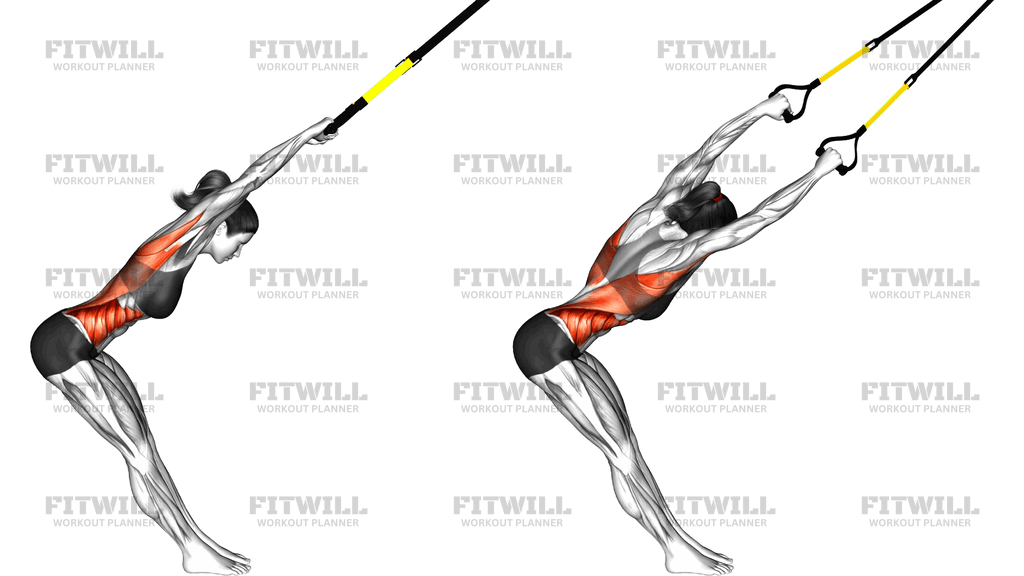
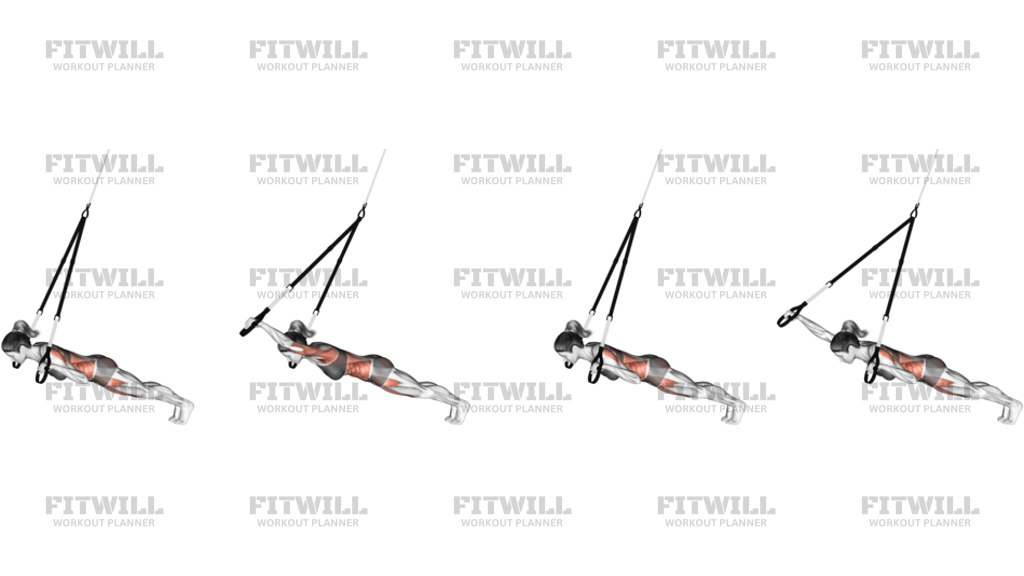
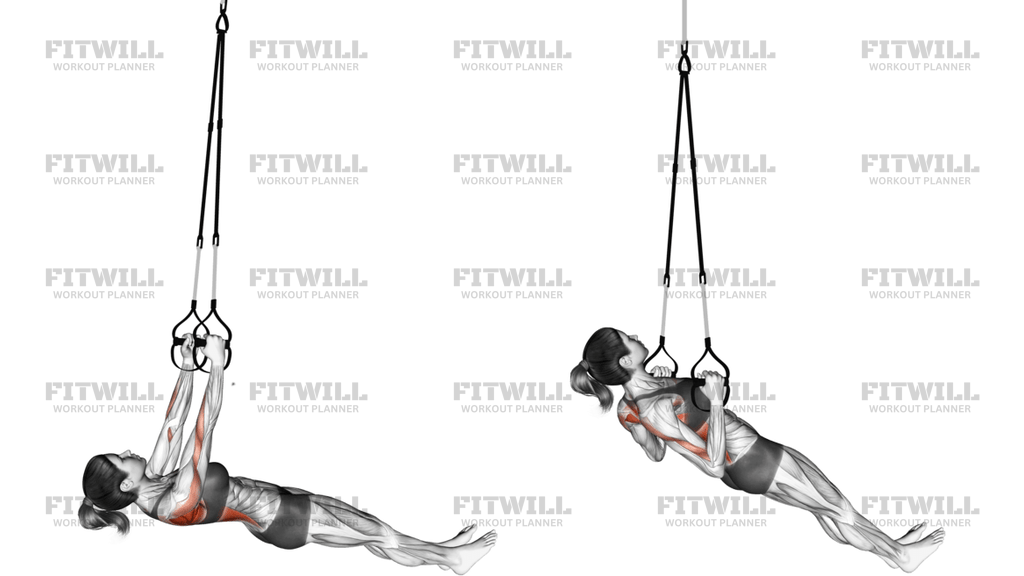
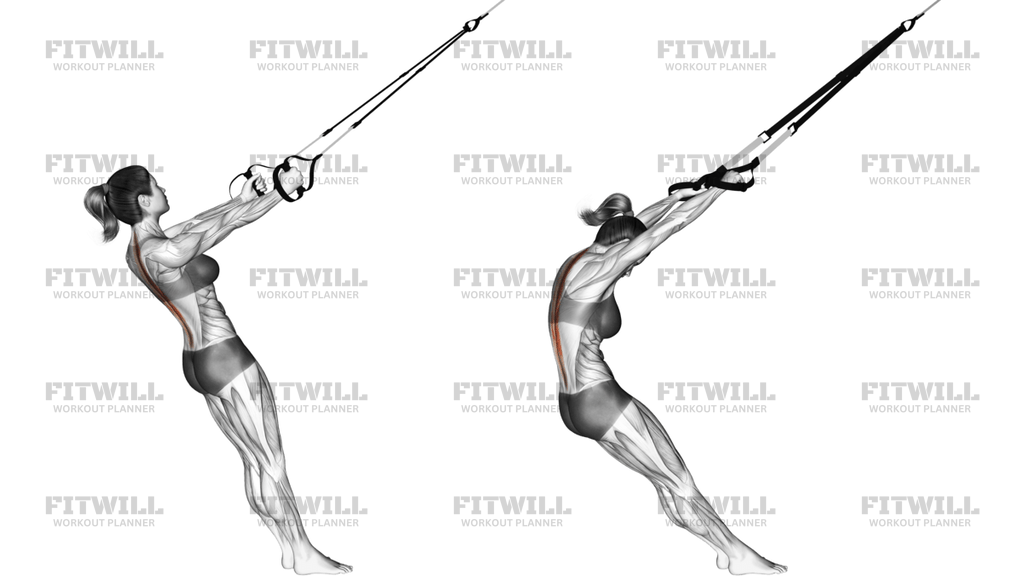
Ring Archer Pull Up
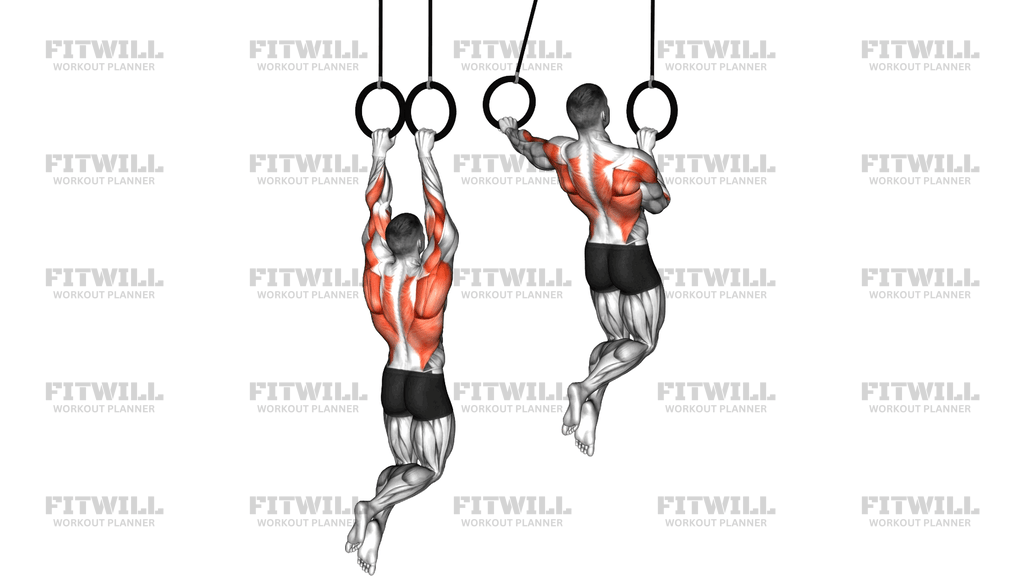
The Ring Archer Pull Up is an advanced unilateral pulling exercise performed on gymnastic rings. Instead of pulling with both arms evenly, you draw your body up toward one ring while the opposite arm straightens out to the side, mimicking an archer drawing a bow. That extended arm stays locked out and acts as a support and stabilizer, while the working arm handles the majority of your body weight through the pull.
This movement sits well above the standard pull up on the difficulty ladder. Because one arm is gradually taken out of the equation as you rise, the working side can end up moving close to single-arm loading at the top. That makes it a favorite progression tool for calisthenics athletes chasing the one arm pull up, and a serious strength builder for anyone who has plateaued on regular pull ups and needs a new stimulus.
The primary work comes from the lats of the pulling side, with strong contributions from the biceps and forearm flexors as the elbow bends under heavy load. The extended arm is not passive: its shoulder, upper back, and grip work hard to control the ring as it slides out to the side. Because the rings are unstable, the whole shoulder girdle has to stay engaged, and your core works to stop your torso from twisting as the load shifts to one side.
The rings themselves are what make this exercise workable. Unlike a fixed bar, rings can rotate to follow the natural path of your arms, which is much kinder to the shoulders and wrists in a pattern this asymmetric. Set them so the handles hang at equal height and allow free rotation, and grip them with your knuckles facing forward or slightly outward. The freer the rings turn in your hands, the smoother the extended arm will slide out as you pull.
Execution is all about control and asymmetry. Start from a dead hang with an active shoulder position, pull your chest toward one ring while pressing the other ring out and away, and finish with that working-side hand close to your chest or shoulder. Lower slowly and deliberately, letting the extended arm travel back in as you descend, and keep the same number of reps on each side. If you cannot yet perform strict pull ups for solid reps, build that base first, and use band assistance or partial range versions of this movement to bridge the gap.
Common use cases include one arm pull up progressions, fixing side-to-side strength imbalances that standard pull ups hide, and adding variety to ring-based upper body sessions. Treat it as a low-rep strength skill: fresh, focused sets of three to six reps per side beat grinding out sloppy high-rep sets, and full recovery between sessions matters more here than with easier pulling work.
[ Workout Log & Planner ]
Put your next workout in Fitwill
Keep your plan and training log ready when you are.


Instructions
- Set two gymnastic rings at equal height from a secure anchor, hanging so that when you grip them your feet clear the floor in a dead hang with arms fully extended.
- Take an overhand grip slightly wider than shoulder width, one hand on each ring, letting the rings rotate freely in your palms.
- Hang with your legs together or knees slightly tucked, then pull your shoulders down away from your ears to establish an active hang before every rep.
- Brace your trunk and squeeze your glutes lightly so your body stays rigid and resists twisting as the load shifts to one side.
- Exhale and pull your chest toward the working-side ring, bending that elbow down and back while the opposite arm straightens and presses its ring out to the side until that elbow is locked.
- Keep the extended arm at roughly shoulder height, ring rotating naturally in that hand, and finish each rep with the working hand beside your lower chest.
- Pause briefly at the top, holding the arched position without letting the pulling shoulder shrug up.
- Inhale as you lower under control, letting the extended arm bend back toward center as your body returns to the dead hang.
- Reset your active hang, check that both rings are level again, and repeat on the other side, matching reps left and right.
Tips & Tricks
- If your torso twists toward the working side as you pull, slow the rep down and think about driving the extended ring out harder; the push-pull opposition is what keeps you square.
- The extended arm must stay genuinely straight. A soft elbow turns this into a two-arm pull up with extra range, so lock that elbow out completely every rep.
- New to this pattern? Start with ring rows in the archer position or do slow eccentric-only reps, lowering from the top of the archer pull with both feet assisted on the floor.
- Let the rings rotate freely in both hands. Fighting their natural rotation, especially with the extended arm, is the most common cause of wrist and elbow discomfort in this exercise.
- Do not chase height by shrugging the pulling shoulder to your ear. Drive the elbow down and back toward your hip instead, and let the chest rise to meet the ring.
- Warm up your shoulders and elbows with regular ring pull ups and scapular hangs first; this movement loads one arm heavily and cold connective tissue is where strains happen.
- Keep your legs still. Swinging or kicking to finish a rep means the working arm is not strong enough at that range yet, so cut the range or add assistance rather than kipping.
- Film yourself from the front. What feels like a straight extended arm often drifts down toward your hip, which changes the leverage and steals the challenge from the pull.
- Progress by extending the range slightly over weeks: pull until your chin passes the ring level first, then work toward the hand touching the chest.
Frequently Asked Questions
Which muscles does the Ring Archer Pull Up work the most?
The lats of the pulling arm do the bulk of the work, supported strongly by the biceps and forearm flexors. The extended arm's upper back, rear shoulder, and grip work isometrically, and your core stabilizes against rotation.
Can beginners do the Ring Archer Pull Up?
Most beginners should not start here. Build a base of at least eight to ten strict pull ups first, then use assisted or eccentric archer variations on rings or a low bar before attempting the full movement.
Why use rings instead of a bar for archer pull ups?
Rings rotate freely, so your wrists and shoulders can follow their natural path instead of being pinned to a fixed bar. This matters even more in the archer variation, where the extended arm travels far out to the side.
How is the Ring Archer Pull Up different from a wide pull up?
In a wide pull up both arms share the load evenly. In the archer version one arm straightens fully and unloads progressively, so the working arm takes on far more of your body weight and each side trains separately.
Does the Ring Archer Pull Up help with the one arm pull up?
Yes, it is one of the standard progressions toward a one arm pull up. As you pull deeper and lean more into the working side, the extended arm contributes less, gradually bridging the gap to single-arm pulling.
How do I stop my body from twisting during the rep?
Keep your trunk braced and actively press the extended ring out and away as you pull the other one in. The push and pull should oppose each other; if you drop the push, rotation follows immediately.
How many reps should I do per side?
Treat it as a strength movement: three to six controlled reps per side for three to five sets works well. Always match reps between sides, and stop the set before your extended arm's lockout starts to soften.
What can I use if I do not have rings?
You can perform archer pull ups on a sturdy pull up bar, though the fixed path is harder on the shoulders. Suspension trainers, low rings with feet on the floor for archer rows, or a band-assisted version are all reasonable substitutes.
Is it safe for the shoulders and elbows?
It is generally well tolerated when the rings rotate freely, the extended elbow stays locked rather than hyperextended under sag, and loads progress gradually. If you have a history of shoulder or elbow issues, get clearance from a professional and master regular pull ups first.