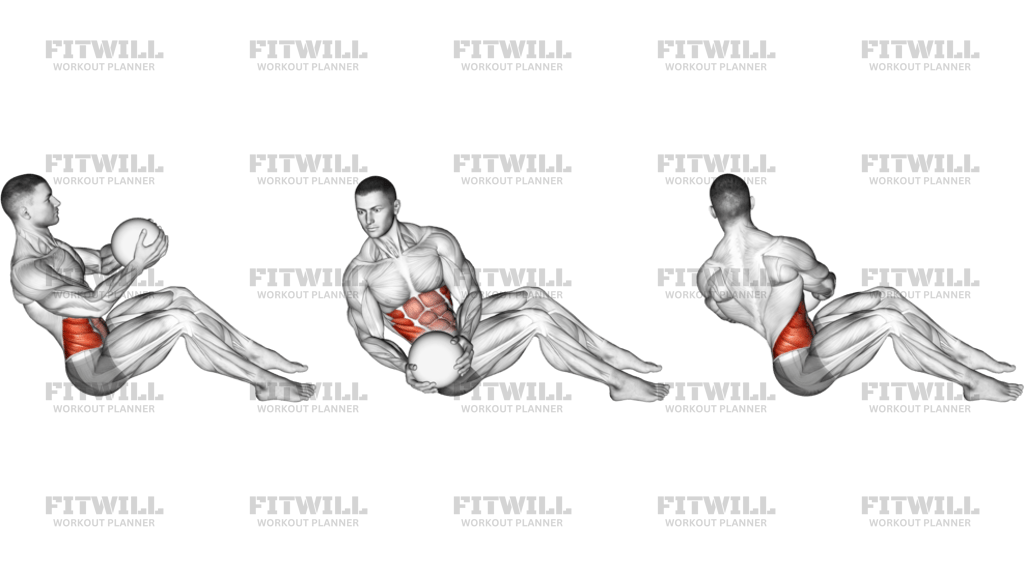
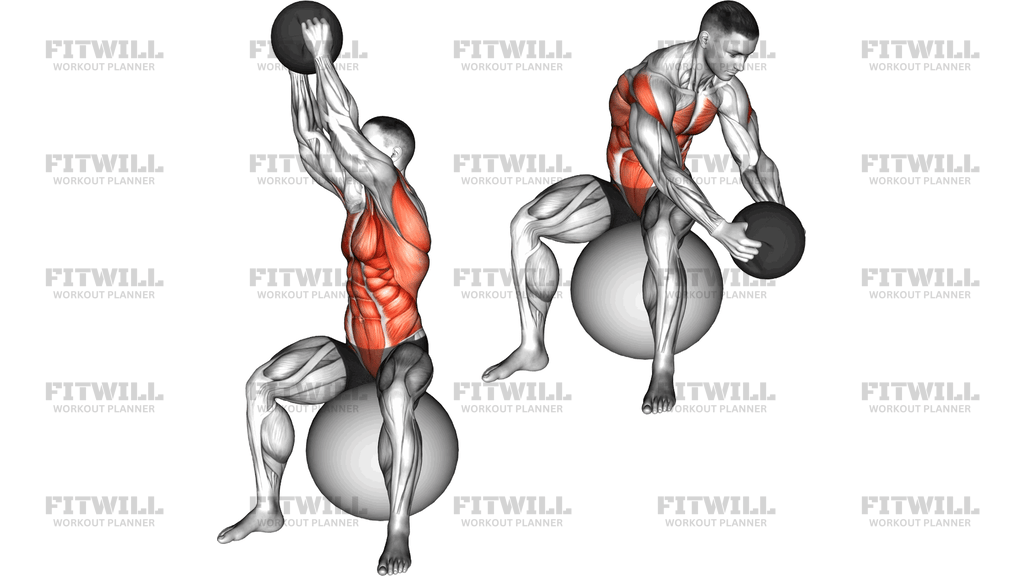
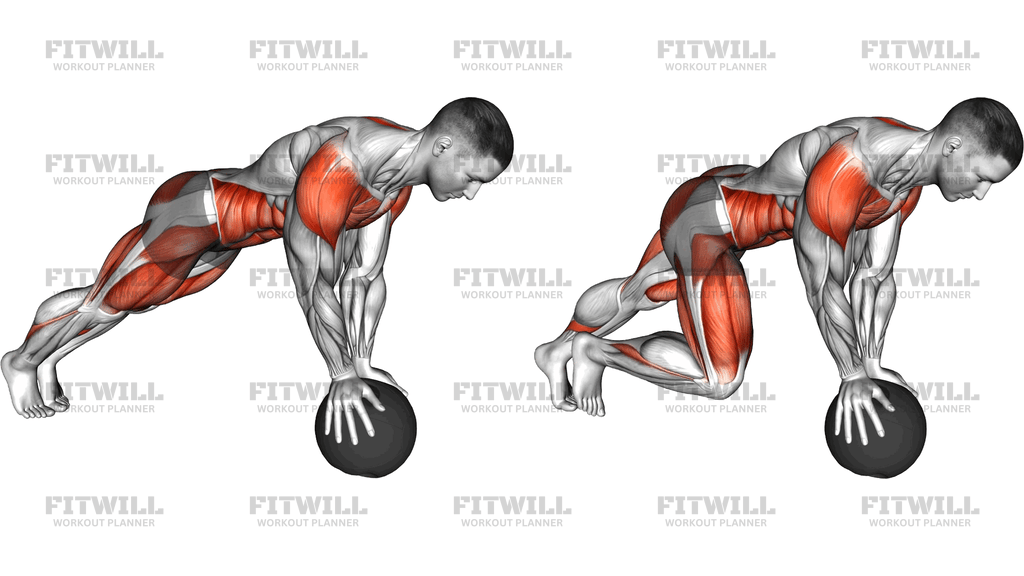
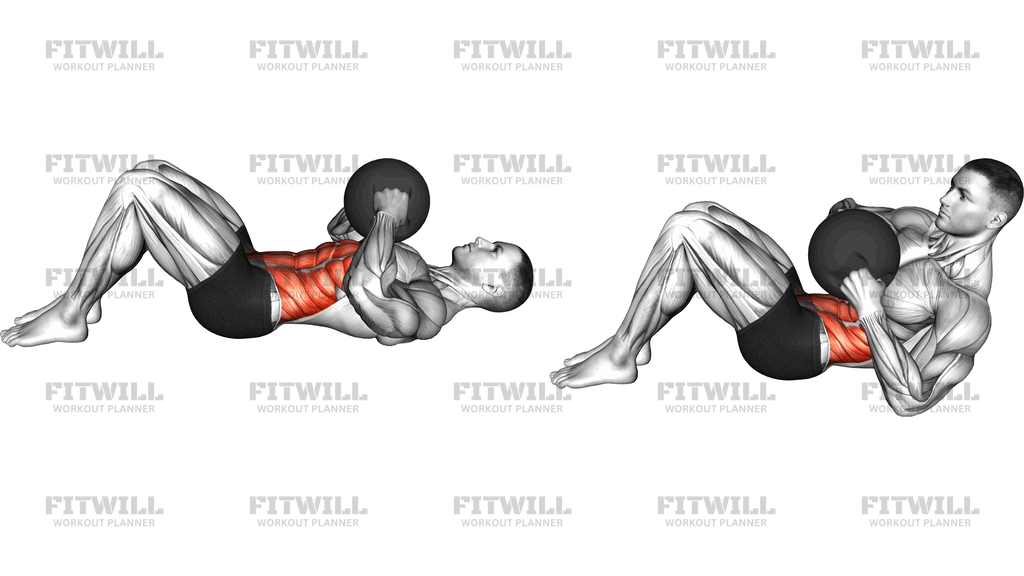
Medicine Ball Rotary Throw
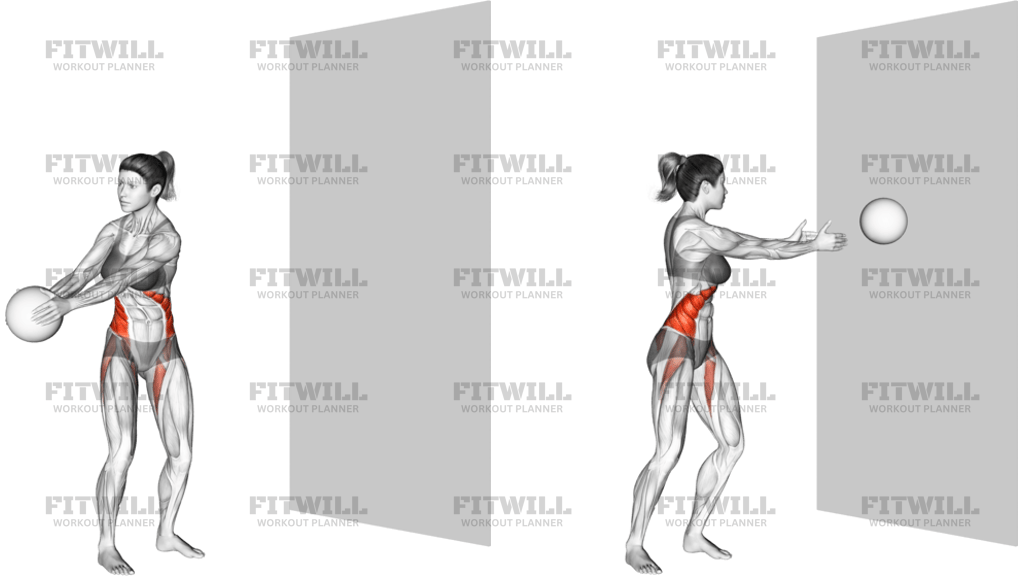
The Medicine Ball Rotary Throw is an explosive rotational exercise where you stand sideways to a sturdy wall, load the ball against your hip, and rip through a hip-and-trunk rotation to throw the ball into the wall as hard as you can. You then absorb the rebound, reset your rotation, and fire again. Unlike slow twisting exercises, this one is built around speed and power, so every rep is an all-out effort rather than a controlled grind.
This movement is a staple for athletes in rotational sports. Baseball and softball hitters, tennis and racquet-sport players, golfers, quarterbacks, and throwers all rely on the same sequence: the hips start the turn, the trunk amplifies it, and the arms and chest deliver it. Training that chain with a real, weighted object at high velocity carries over to the field far better than slow isolated rotation work ever will.
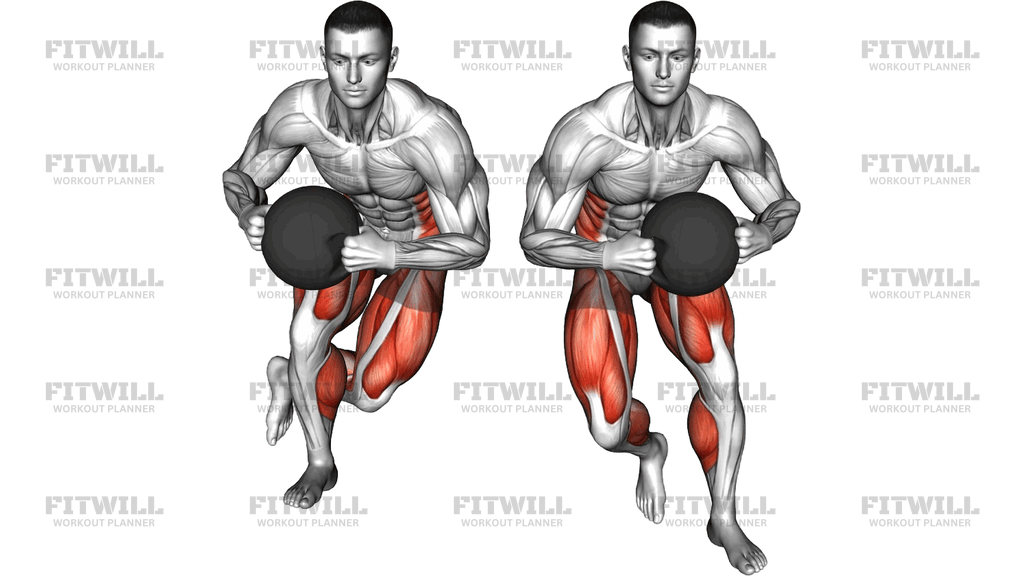
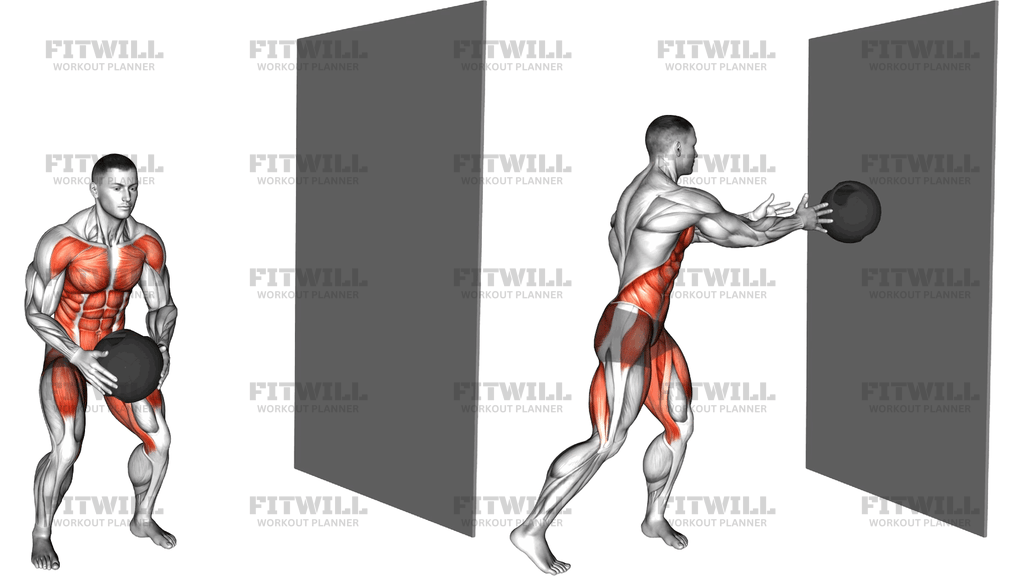
The primary work comes from the obliques and deep core musculature, which accelerate and then abruptly decelerate your trunk rotation. The chest, shoulders, and arms finish the throw, while the glutes and quads drive the lower-body turn and stabilize your stance through the release and the catch. The highlighted musculature in this movement pattern reflects exactly that: a rotational trunk effort layered over a stable, athletic lower body.
Setup matters more than most people expect. Stand roughly arm's length from the wall, turned so the wall is to one side of you, with feet about shoulder-width to slightly wider and knees softly bent. Holding the ball with both hands at your trail-side hip keeps the tension in your trunk before the throw; if you start with the ball drifting toward the wall, you lose the pre-rotation that makes the exercise work.
To execute well, wind the ball back to the hip, then violently rotate your hips and torso toward the wall, letting the arms extend naturally as the ball releases at chest height. Aim slightly above where you want the rebound so the return is catchable. Do not muscle the throw with the arms alone — the arms are the last link in the chain, not the engine.
Practically, use this exercise early in a workout when you are fresh, in sets of 4-8 throws per side, resting enough to keep every rep explosive. Because the ball comes back at you, always use a ball that rebounds rather than a dead-weight slam ball, keep your eyes on the ball through the catch, and stop the set as soon as your throw speed noticeably drops.
[ Workout Log & Planner ]
Put your next workout in Fitwill
Keep your plan and training log ready when you are.


Instructions
- Stand about arm's length from a sturdy, clear wall, turned sideways so the wall is on your lead side, with feet shoulder-width apart and knees slightly bent.
- Hold a rebounding medicine ball with both hands, palms on either side of the ball, and rotate your trunk away from the wall to rest the ball against your trail-side hip.
- Brace your core and keep your weight balanced across both feet, loading slightly into the back hip to pre-stretch the trunk rotators.
- Exhale forcefully and drive the rotation from your hips first, letting your torso whip toward the wall while your arms extend ahead of your chest.
- Release the ball at chest height with a forceful push from both hands, aiming at a specific spot on the wall slightly above mid-chest level.
- Keep your eyes on the ball after release so you can track and catch the rebound with both hands as it comes back.
- Absorb the rebound by catching the ball toward the front hip and letting your trunk rotate back with it, using your legs to cushion the catch.
- Rotate back to the starting position with the ball at the trail-side hip, re-brace, and reset your stance before the next throw.
- Breathe in during the wind-up and reset, and exhale hard on every throw.
- Complete all reps on one side, then switch your stance so the wall is on the opposite side and repeat with the same number of throws.
Tips & Tricks
- The most common mistake is throwing with the arms while the feet stay glued in place — stomp your trail foot's heel around toward the wall as you rotate so the hips lead the throw.
- If you find yourself lunging toward the wall to catch the rebound, you are standing too close; step back until the ball returns to your front hip without extra reaching.
- Do not let the ball drift across the midline of your body during the wind-up; keeping it pinned to the trail hip is what loads the obliques.
- Choose a ball weight you can throw at full speed — a heavier ball thrown slowly turns this back into a grinding core exercise and defeats the purpose.
- Keep a soft bend in both knees through release and catch; locking the legs sends braking forces straight into the lower back.
- Aim at the same spot on the wall every rep so the rebound path stays predictable and your catch stays clean.
- Stop the set when throws start feeling slower or sloppier — power work quality drops fast once fatigue sets in.
- If your lower back complains rather than your trunk, you are likely rotating from the lumbar spine alone; initiate with the hips and keep the ribcage stacked over the pelvis.
- For extra carryover to swinging and throwing sports, match your stance to your sport: a hitter-style staggered stance changes the timing demand of the rotation.
Frequently Asked Questions
What muscles does the Medicine Ball Rotary Throw work?
The obliques and deep core do most of the accelerating and decelerating of the trunk, while the chest, shoulders, and arms deliver the throw. The glutes and quads power the lower-body rotation and stabilize your stance throughout.
Can beginners do the Medicine Ball Rotary Throw?
Yes, provided they start with a light ball and a moderate throwing effort until the hip-to-trunk sequencing feels natural. A beginner should prioritize a clean, coordinated rotation over throwing the ball as hard as possible.
How heavy should the medicine ball be for rotary throws?
Choose a weight you can throw explosively without slowing down, typically a light rebounding ball in the 2-6 kg range for most people. If your throws visibly lose speed by the end of a set, the ball is too heavy.
Why does the Medicine Ball Rotary Throw need a rebounding ball instead of a slam ball?
A slam ball has almost no bounce, so it drops dead at the base of the wall and you would have to walk over and retrieve it every rep. A rebounding medicine ball comes straight back to your hands, which keeps the set continuous and trains the catch-and-decelerate portion of the movement.
How far should I stand from the wall?
Start about arm's length away and adjust from there. If the rebound smacks your hands too quickly or you have to lunge to catch it, step back; if the ball loses steam before reaching you, step slightly closer.
Should I do Medicine Ball Rotary Throws before or after lifting?
Do them early in the session, after warming up and while you are still fresh, because the value comes from maximum speed of rotation. Placing them after heavy or fatiguing leg and core work reduces throw velocity and the training effect.
How many reps and sets should I use?
Sets of 4-8 throws per side with full recovery between sets work well for power development. Keep the total volume moderate, since every rep should be a quality, maximal-effort throw.
My lower back feels this more than my abs — what am I doing wrong?
You are probably twisting from the lumbar spine with the hips staying passive. Lead the throw by turning the back hip and foot toward the wall, keep the ribcage stacked over the pelvis, and reduce the throw intensity until the sequencing improves.
What can I substitute if I do not have a wall or medicine ball?
A resistance band rotational press, cable woodchoppers, or a partner who catches and tosses the ball back can replace the wall-and-rebound setup. Each option trains the same rotational power pattern, though the partner version is closest to the original timing.
Is the Medicine Ball Rotary Throw safe for people with back issues?
Because it involves fast, loaded rotation, anyone with a history of back problems should get clearance from a qualified professional first and start with slow rotational drills before adding explosive throws. Never push through sharp spinal pain during this exercise.