Easy Yoga Pose
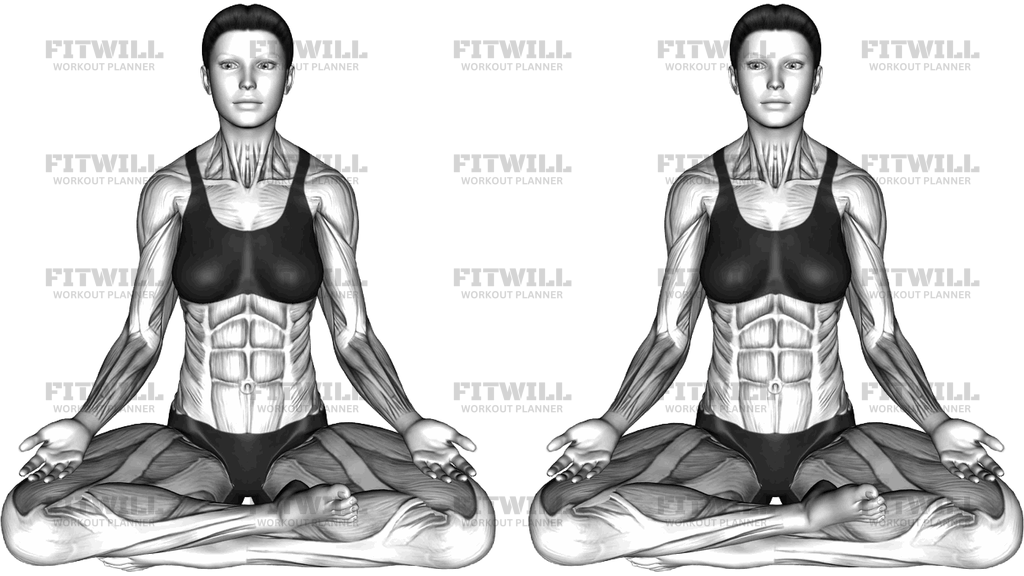
Easy Yoga Pose, known in traditional yoga as Sukhasana, is a simple cross-legged seated position that forms the foundation for meditation, breathing work, and many floor-based yoga sequences. You sit on the floor with the shins crossed, each foot resting beneath the opposite knee, and the hands relaxed on the knees with the palms turned up or down. Despite its name, the pose asks for more awareness than it appears to: the challenge is holding an upright, effortless-looking spine for several minutes at a time.
This pose is useful for nearly everyone, from complete beginners to experienced lifters who spend long hours sitting in chairs. It gently opens the hips, stretches the inner thighs, and encourages the natural curves of the spine to stack without muscular strain. Because the position is static and low-load, it is an ideal place to practice diaphragmatic breathing and postural awareness without fatigue getting in the way.
The main areas trained and stretched are the hip external rotators and adductors, which lengthen as the knees drop toward the floor, along with the muscles of the upper back and core that hold the torso upright. Over time, regular practice can improve hip mobility for squats and lunges, reduce the slouched sitting posture many people default to, and create a calm, settled base for breathwork or meditation.
Setup matters more than most people expect. If you sit directly on a hard floor with tight hips, the pelvis tends to tip backward and the lower back rounds, which turns the pose into a struggle rather than a rest. Elevating the hips on a folded blanket, cushion, or yoga block so the knees sit level with or below the hips instantly changes the experience and lets the spine stay tall with minimal effort.
To execute the pose well, settle the sit bones evenly into the floor or prop, cross the shins loosely rather than forcing the feet tight against the body, and let the knees release downward without pushing. Lengthen through the crown of the head, soften the shoulders away from the ears, and rest the hands where the arms feel neutral. Breathe through the nose and let each exhale settle you slightly deeper into the seat.
Common use cases include opening a yoga session, cooling down after a workout, taking a posture break during the workday, and serving as the seated base for meditation or pranayama. If the knees sit noticeably higher than the hips or you feel pinching in the knees or lower back, add height under the pelvis or widen the cross of the shins. Discomfort should stay in the realm of gentle stretch, never joint pain, and you can always shift to sitting on a chair if floor sitting is not available to you.
[ Workout Log & Planner ]
Put your next workout in Fitwill
Keep your plan and training log ready when you are.


Instructions
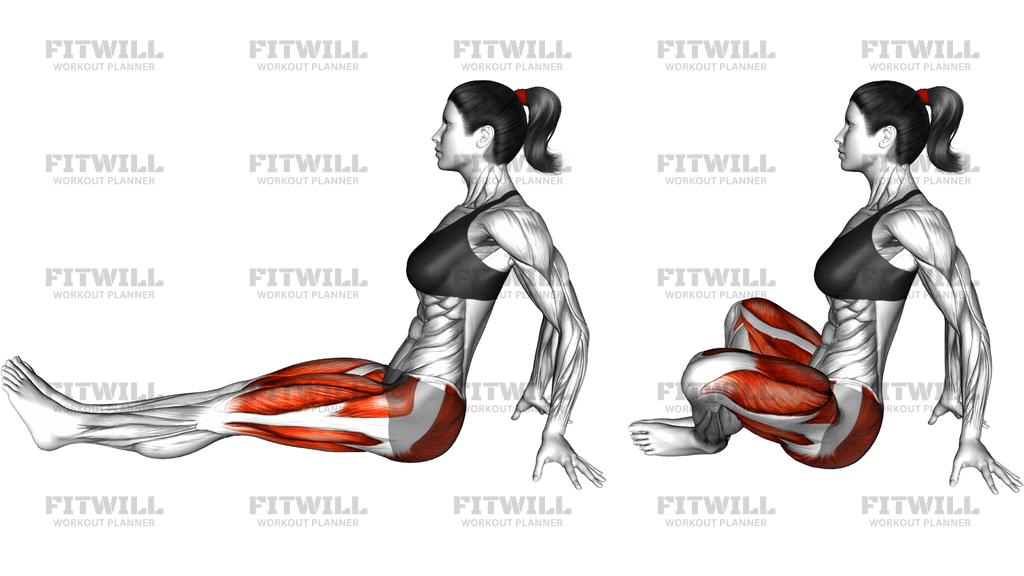
- Sit on the floor or on an exercise mat with your legs extended in front of you and your hands resting beside your hips.
- Bend both knees and cross your shins, sliding each foot beneath the opposite knee so the feet rest under the legs and the heels line up roughly beneath the knees.
- If your knees sit above your hip creases, place a folded blanket, cushion, or yoga block under your sit bones to raise the hips.
- Press down gently through the sit bones and imagine the spine growing tall, stacking the lower back, mid back, and neck over the pelvis.
- Let the knees release toward the floor under their own weight without forcing them down, and keep the feet relaxed rather than tensed.
- Rest the backs of the hands on the knees with the palms facing up, or lay the palms down, whichever keeps the shoulders soft.
- Roll the shoulders back and down, tuck the chin slightly, and lengthen through the crown of the head.
- Close your eyes if you like and breathe slowly through the nose, letting the belly and ribs expand on each inhale and the body settle on each exhale.
- Hold the position for one to five minutes, then uncross the legs, gently straighten and shake them out, and re-cross with the opposite leg on top to balance the stretch.
Tips & Tricks
- Height under the hips is the single biggest fix in this pose: if you find yourself slouching within thirty seconds, you almost certainly need a cushion or folded blanket rather than more effort to sit up straight.
- Do not force the feet tightly against the torso; a loose cross of the shins keeps the knees safe and makes the pose sustainable for longer holds.
- Alternate which shin crosses on top each time you practice, because most people have a strong side preference that quietly creates imbalance in the hips.
- If you feel pulling at the outer knees or ankles, widen the cross so the feet sit further away from the body instead of pushing through the discomfort.
- Resist the urge to arch the chest forward to look tall; think of lifting the back of the skull toward the ceiling so the lengthening happens along the whole spine.
- Let the hands stay heavy on the knees. Gripping or hovering the arms creates shoulder and neck tension that defeats the purpose of the seat.
- Use the pose as a check-in rather than a stretch to win: scan from the sit bones to the crown of the head and relax any area you find gripping.
- If your feet fall asleep during longer holds, come out of the pose, straighten the legs for a few breaths, and re-cross rather than tolerating numbness.
- Practicing Easy Yoga Pose after a warm shower or at the end of a workout usually feels noticeably easier because the hips are already warm.
Frequently Asked Questions
What does Easy Yoga Pose stretch and strengthen?
It stretches the hip external rotators and inner thighs as the knees release toward the floor, while the muscles along the spine and the deep core work lightly to keep the torso upright. The demand on the muscles is modest, so think of it as a mobility and posture practice rather than a strength builder.
Is Easy Yoga Pose suitable for complete beginners?
Yes, it is one of the first seated positions taught in yoga because it requires no flexibility to begin. Beginners should start with a cushion under the hips and shorter holds of one to two minutes.
Why do my knees sit higher than my hips in Easy Yoga Pose?
This usually means the hips and inner thighs are tight, which is very common for people who sit in chairs a lot. Elevate your sit bones on a folded blanket or block so the knees can drop below hip level and the lower back can stay neutral.
How long should I hold Easy Yoga Pose?
One to five minutes is a practical range for most people, and longer holds are fine for meditation as long as the legs stay comfortable. If your feet or legs go numb, come out, straighten the legs, and reset.
Can Easy Yoga Pose help with posture from desk work?
It can, because sitting cross-legged on the floor makes a slouched position immediately noticeable and trains you to stack the spine over the pelvis. Even a two-minute floor seat break during the workday gives the hip flexors a different position than a chair does.
What should I do if my lower back rounds when I sit on the floor?
The most common fix is adding height under the pelvis rather than forcing the chest up. If rounding persists even with a cushion, sit near a wall and let the upper back and head rest lightly against it while the spine learns the upright shape.
Is Easy Yoga Pose the same as lotus position?
No, in Easy Yoga Pose the shins are simply crossed with each foot beneath the opposite knee, while lotus places each foot on top of the opposite thigh. Lotus demands much more hip rotation and is not necessary for meditation or breathwork.
Are there safety concerns with crossing the legs in Easy Yoga Pose?
People with knee injuries or recent knee surgery should avoid forcing the cross and may prefer a simpler seat with the legs folded loosely or a chair. Sharp pain in the knees or low back is a signal to adjust the setup, not to push through.
What can I use instead of a yoga mat or cushion for Easy Yoga Pose?
A firm pillow, a folded towel or blanket, or a thick book topped with a towel all work well to raise the hips. The goal is simply a stable surface that tips the pelvis slightly forward.
Should I alternate which leg crosses on top in Easy Yoga Pose?
Yes, switching the top leg between sessions helps keep the hips and knees balanced over time. Most people notice one side feels easier, which is normal and exactly why alternating matters.