Bodyweight Shift
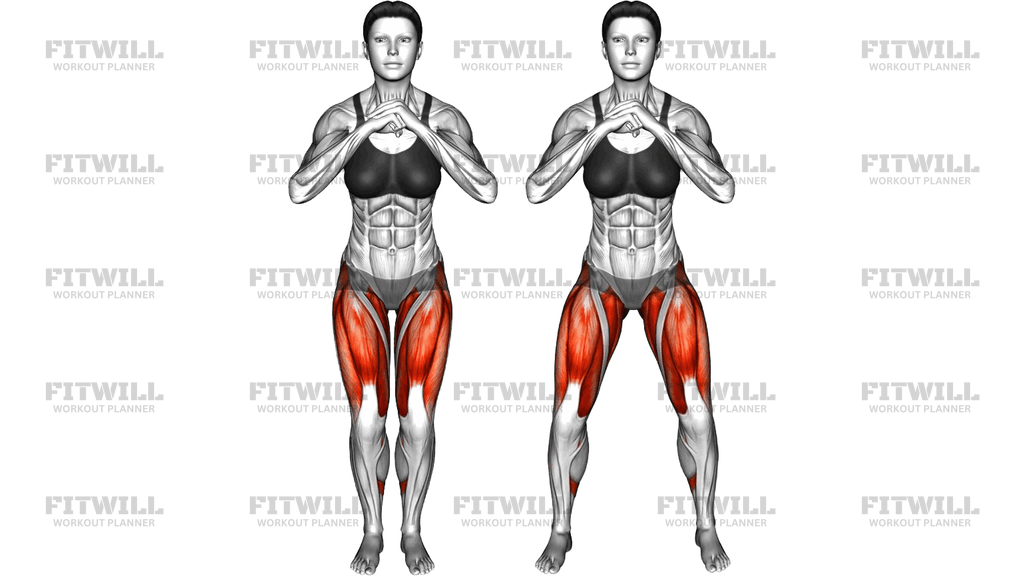
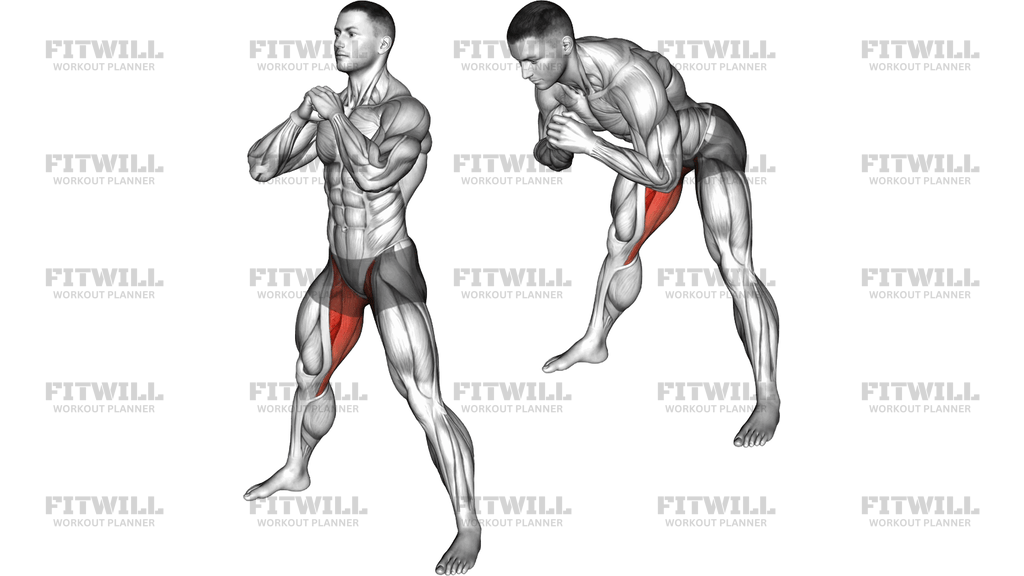
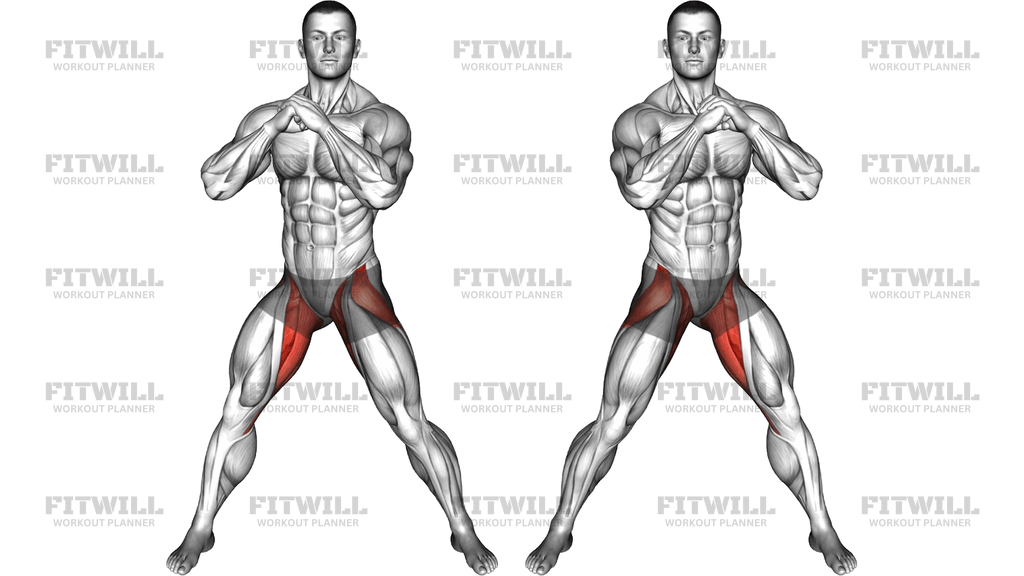
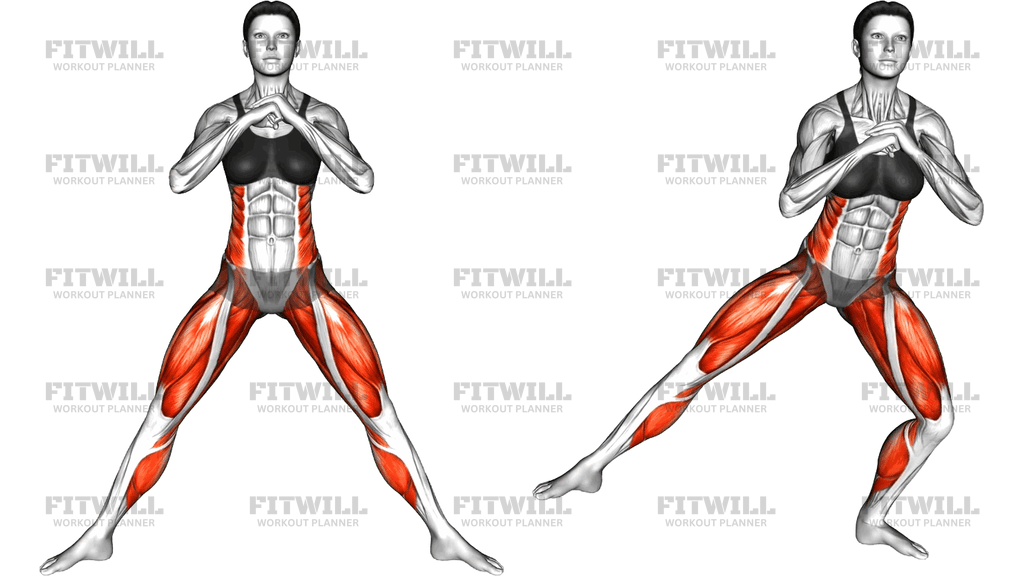
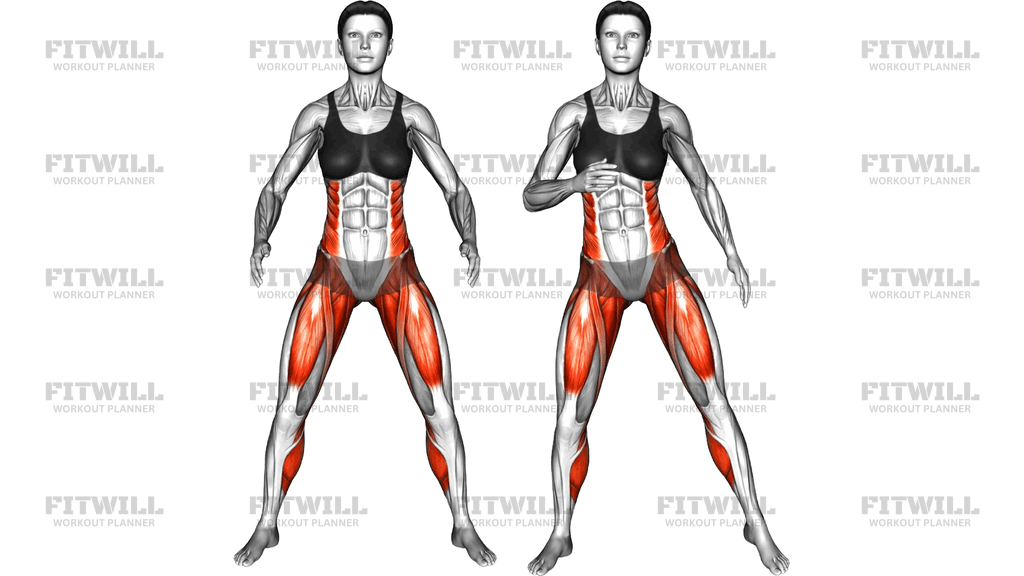
The Bodyweight Shift is a simple standing drill where you set your feet wide apart and rhythmically move your weight from one leg to the other, bending into the loaded side while the opposite leg stays long. It looks almost too easy, but that side-to-side transfer is exactly what makes it valuable: each rep teaches one leg to accept load, keeps the inner thigh muscles working through a lengthened position, and forces your trunk to stay tall while your hips travel sideways.
Because no equipment is needed and the movement is low impact, it suits a wide range of people. Beginners use it to learn what it feels like to load one leg before progressing to lateral lunges or Cossack squats. Lifters use it as a warm-up to wake up the adductors and hips before squats, deadlifts, or field sports. Older adults and anyone returning from time off appreciate it as a gentle way to rebuild side-to-side strength and confidence on the feet.
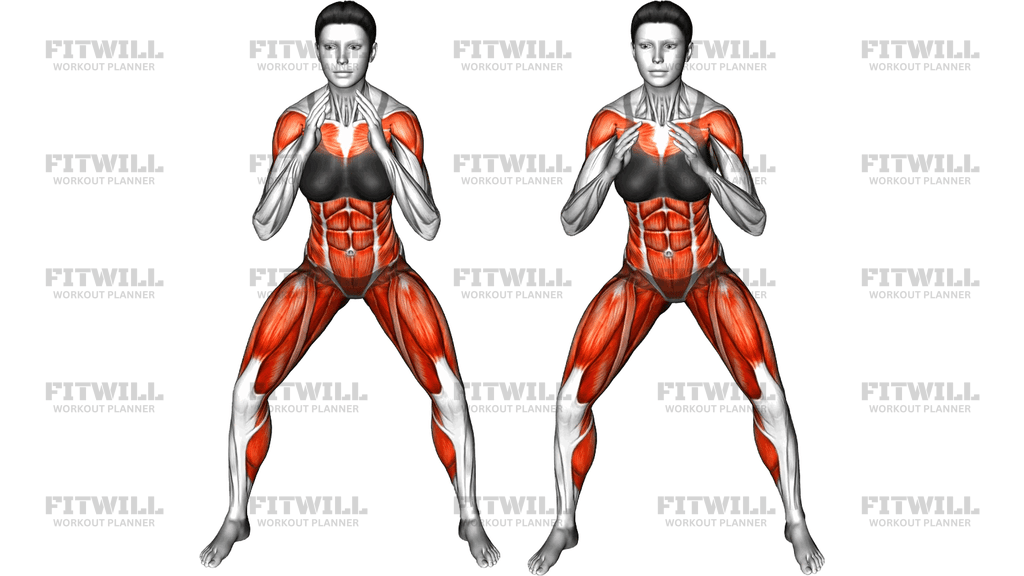
The main muscles at work are the adductors along the inner thigh, which control the shift as you move toward one leg and then drive you back to the other side. The quadriceps, especially around the knee, handle the bend on the loaded leg, the glutes help stabilize the hip, and the obliques and deep core work to keep your torso upright and facing forward instead of twisting. The ankle and foot on the weighted side also get steady stabilization work.
Setup matters more than it appears. A stance roughly one and a half to two shoulder-widths wide gives your hips enough room to travel, with toes turned out slightly and knees tracking over the toes. If your stance is too narrow, your knees cave inward and the shift becomes a hip sway; too wide, and you lose the ability to bend the loaded knee comfortably. Keep your weight distributed through the whole foot rather than dumping into the inner edge.
To execute well, sit your hips sideways toward one leg, letting that knee bend while the straight leg keeps its heel down and toes pointing up or forward. Pause briefly when you feel the inner thigh of the straight leg lengthen, then push through the bent leg's foot to carry your hips across to the other side. Move smoothly and quietly; the transition between legs is where the control is built.
A few practical points keep this safe and effective. Keep your chest lifted and your core braced rather than folding forward, avoid letting the loaded knee collapse inward, and stay within a range where both heels stay grounded. If your inner thighs feel tight, use a smaller range at first. Slow, controlled shifts with clean alignment beat fast, sloppy reps every time.
[ Workout Log & Planner ]
Put your next workout in Fitwill
Keep your plan and training log ready when you are.


Instructions
- Stand with your feet roughly one and a half to two shoulder-widths apart, toes turned out slightly, and let your arms hang relaxed at your sides or bring one hand toward your chest for balance.
- Shift your weight until it is centered over one foot, keeping both heels in contact with the floor and your torso upright.
- Brace your core lightly and keep your chest facing forward; do not let your shoulders twist as your hips move.
- Bend the knee of your loaded leg and sit your hips sideways toward it, as if reaching your hip toward a wall beside you.
- Keep the opposite leg straight with its heel down and toes pulled up or forward, feeling a lengthening along the inner thigh.
- Stop the shift when the loaded knee sits over or slightly inside the toes and you still feel even pressure through the whole foot.
- Press through the floor with the bent leg's foot and glide your hips across the midline to transfer your weight to the other leg.
- Bend into the newly loaded leg and repeat the same position on the opposite side, continuing side to side in a smooth pendulum rhythm.
- Exhale as you shift into each side and inhale during the transition back through center.
- Finish your set by shifting back to a centered stance with weight even on both feet before stepping your feet together.
Tips & Tricks
- If your loaded knee dives inward during the shift, think about spreading the floor with your foot and tracking the knee toward your second toe.
- Keep the straight leg truly straight and its heel down; a bent or floating heel on the long leg erases the inner-thigh lengthening this drill is meant to train.
- Do not let your torso tip forward over the bent leg. If your chest drops, the shift has gone too deep or your stance is too wide, so shorten the range slightly.
- Stay quiet on your feet. Loud, slapping transitions mean you are dropping into each side instead of controlling the descent with the adductors and quads.
- If your hips feel sticky at the bottom of each shift, hold the loaded position for two to three seconds to build end-range control before moving back.
- Point your toes out only slightly; a heavily rotated stance turns this into a deep lunge pattern and changes which muscles do the work.
- Keep pressure spread across the whole foot of the loaded leg rather than rolling onto the inner arch, which is the most common fault with wide stances.
- Start with 20 to 30 seconds of continuous shifting as a warm-up, and slow the tempo down rather than adding speed when you want more challenge.
- If balance is shaky, place a hand lightly on a wall or rack at first, but keep your weight moving fully through the working leg instead of leaning on the support.
Frequently Asked Questions
What muscles does the Bodyweight Shift work?
The adductors on the inner thigh do most of the controlling and driving, supported by the quadriceps of the bent leg, the glutes, and the obliques holding your torso upright. The ankle and foot of the loaded leg also work to keep you steady.
Is the Bodyweight Shift a good exercise for beginners?
Yes, it is one of the best first steps toward single-leg and lateral work. It teaches you to load one leg at a time with a wide, stable base and no external load, which prepares you for lateral lunges and Cossack squats later.
How wide should my stance be for the Bodyweight Shift?
Roughly one and a half to two shoulder-widths, wide enough that you can bend one knee while the other leg stays comfortably straight. If you cannot keep both heels down or your knee feels pinched, narrow the stance a little.
Why do my inner thighs feel a stretch during the Bodyweight Shift?
That lengthening is the point. When you load one side, the adductors of the straight leg work through a stretched position, which is exactly what builds the side-to-side control this drill trains. Ease off the range if the stretch feels sharp rather than muscular.
Should my knees bend during the Bodyweight Shift?
The knee on the loaded side bends as you sit into it, while the opposite leg stays straight. If both knees bend and your hips drop downward, you have turned it into a squat instead of a lateral shift.
What is the most common mistake with the Bodyweight Shift?
Letting the loaded knee collapse inward while the hips sway instead of travel sideways. Fix it by keeping pressure even across the whole foot and steering the knee toward your second toe as you shift.
Can I use the Bodyweight Shift as a warm-up?
Yes, it works very well before squats, deadlifts, or any sport with cutting and lateral movement. Twenty to thirty seconds of smooth shifting raises blood flow into the hips and primes the adductors for loaded work.
What can I do if I lose my balance during the Bodyweight Shift?
Stand near a wall or rack and touch it lightly with one hand for reassurance, or reduce the depth of each shift until your control improves. Balance usually comes quickly once the loaded foot learns to grip the floor.
How is the Bodyweight Shift different from a side lunge?
In a side lunge you step out and load one leg with your hips going back and down. The Bodyweight Shift keeps both feet planted and simply moves your weight sideways, making it a lower-load drill focused on control and hip mobility rather than strength output.
Is it safe to do the Bodyweight Shift every day?
For most people, yes. It is low impact and uses your own body weight, so daily practice is generally fine as long as you stay within a pain-free range and avoid forcing a deep stretch into the inner thighs.