Sitting Lat Pulldown On A Chair
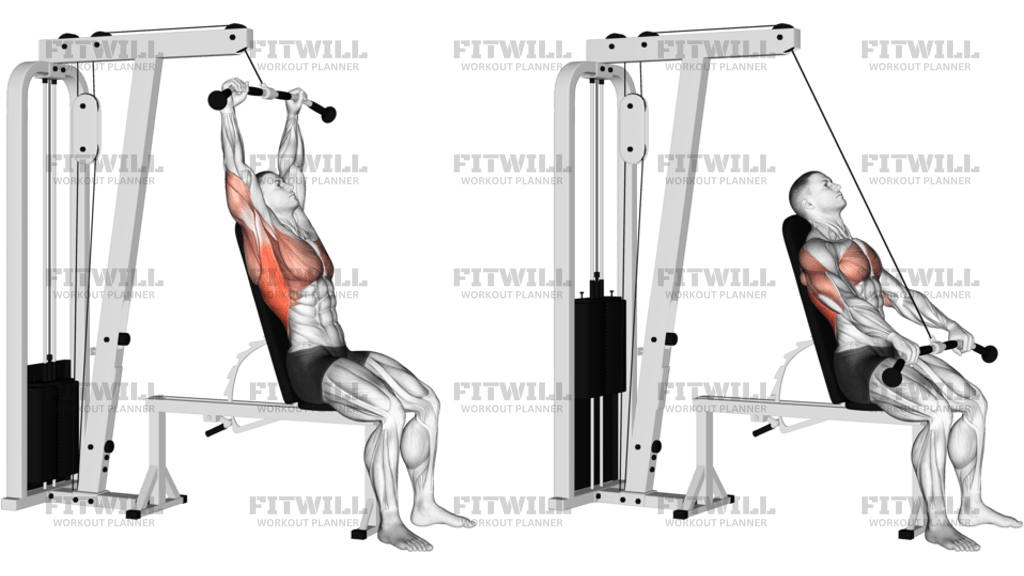
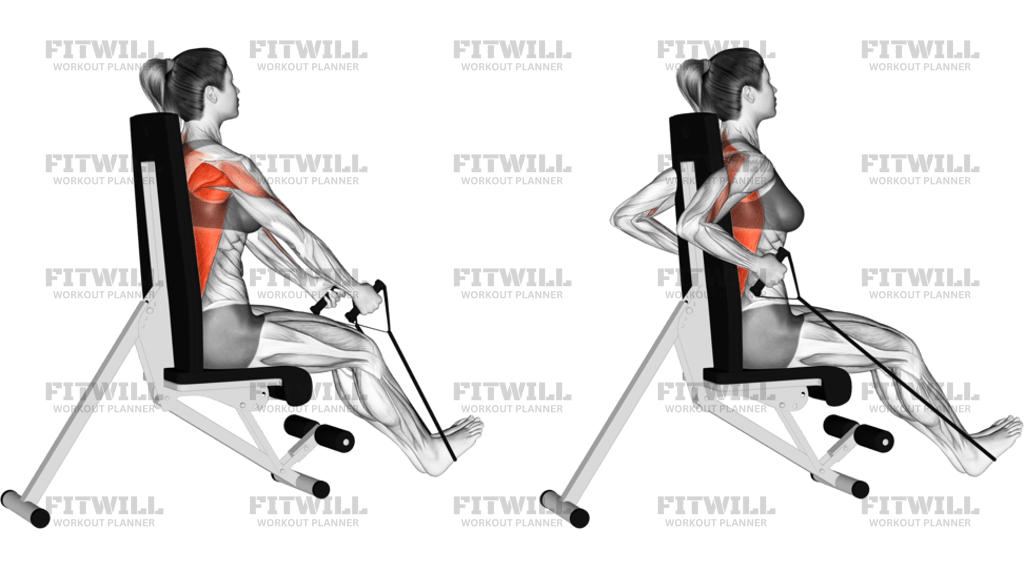
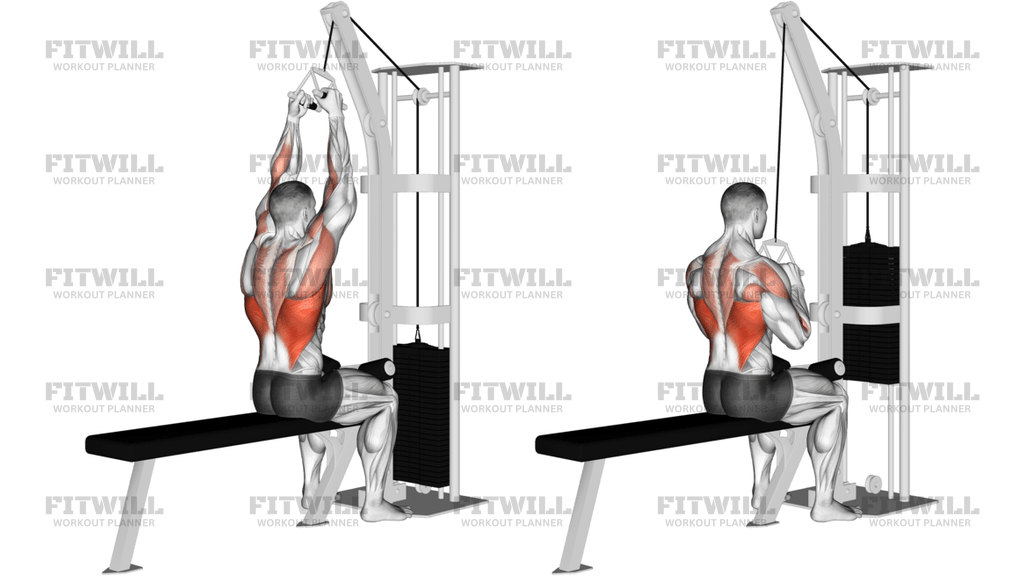
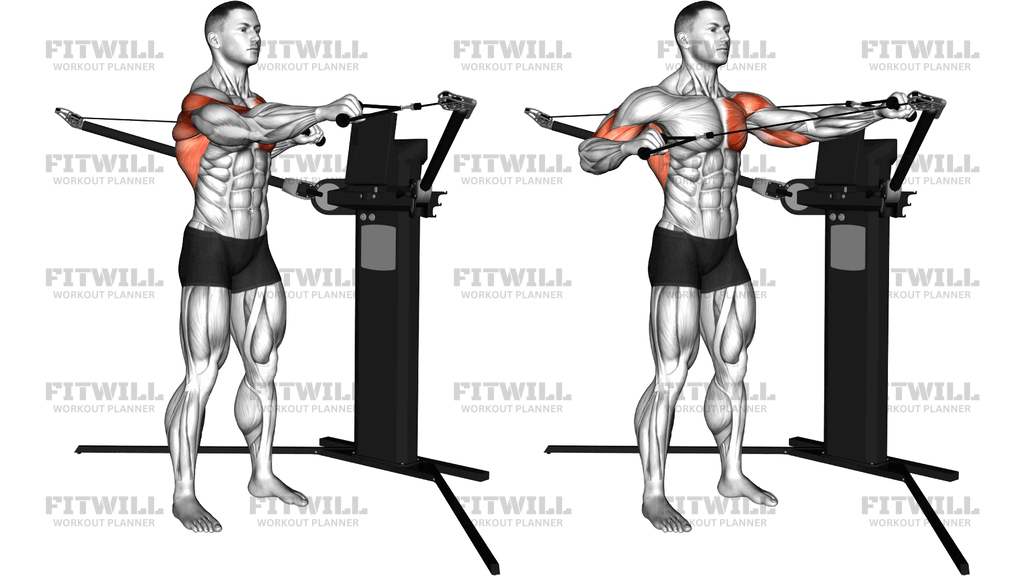
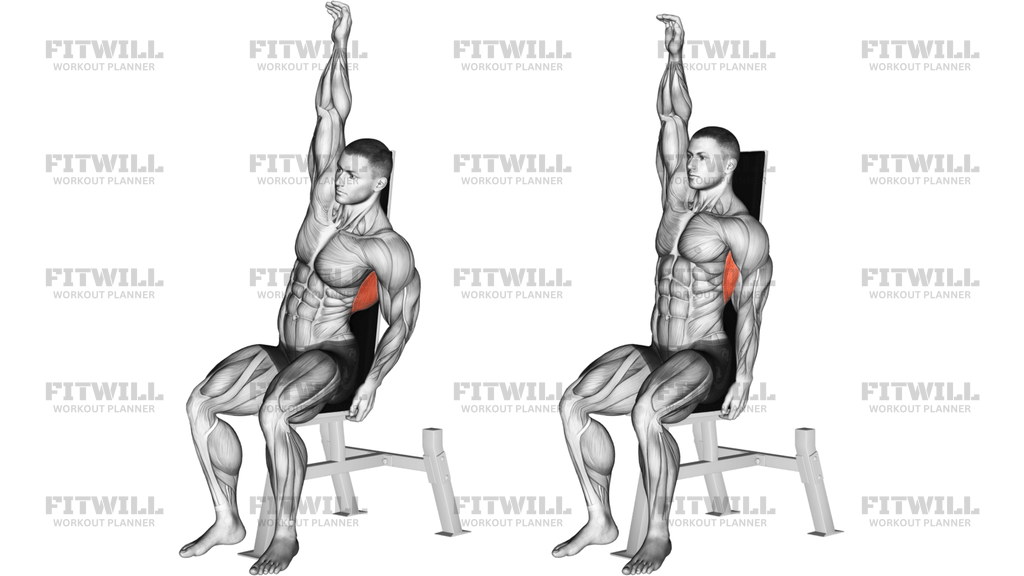
Sitting Lat Pulldown On A Chair is a low-equipment back exercise that reproduces the lat pulldown pattern while you sit sideways on an ordinary chair. Instead of pulling a weighted bar down from a cable stack, you raise both arms overhead and draw your elbows down and back toward your sides, using your own back musculature to drive the movement. Because there is no external load, the exercise works as an activation and control drill: it teaches you what a proper pulldown should feel like in the lats before you ever add weight.
This version is especially useful for beginners who are new to vertical pulling, for people rehabilitating or easing back into upper-body training, and for anyone who trains at home or in an office without access to a cable machine. Office workers who spend long hours at a desk often lose the ability to depress and retract their shoulder blades, and this seated pattern directly retrains that motion. It is also a convenient warm-up before real pulldowns or pull-ups.
The primary muscles worked are the lats, the large muscles of the mid-back that extend the shoulders and pull the arms down toward the torso. Supporting them, the rhomboids and mid-traps retract the shoulder blades, the rear shoulders assist the pull, and the biceps and forearms help bend and control the elbows. Sitting upright on the chair also asks your core to hold your torso steady so the movement comes from the shoulders rather than from leaning back.
Setup matters more than it might seem. Sitting sideways on the chair, straddling the seat so the backrest is beside you rather than behind you, keeps your torso free to stay tall and vertical. Your feet stay flat on the floor with knees bent to roughly ninety degrees, which locks the hips in place and stops you from rocking or using momentum. If you are slouched, perched on the edge, or leaning back against the backrest, the shoulder blades cannot move through their full range and the lats will not do their job.
To execute the movement well, start with both arms straight overhead, then initiate the pull by drawing the shoulder blades down and together before the elbows follow. Picture leading with your elbows and driving them down toward your back pockets, keeping your hands relaxed and open rather than clenched. Pause briefly at the bottom with elbows near your ribcage, then extend your arms back up slowly so the shoulder blades rise and the lats lengthen under control. A slow tempo matters here, because with no external resistance, time under tension and mindful muscle engagement are what make the drill worthwhile.
In practice, this exercise appears in beginner back programs, desk-stretching routines, warm-up sequences, and home workouts where a chair is the only prop available. Keep the effort honest but not maximal, and treat each rep as a rehearsal for a loaded pulldown: same posture, same elbow path, same shoulder-blade action.
[ Workout Log & Planner ]
Put your next workout in Fitwill
Keep your plan and training log ready when you are.


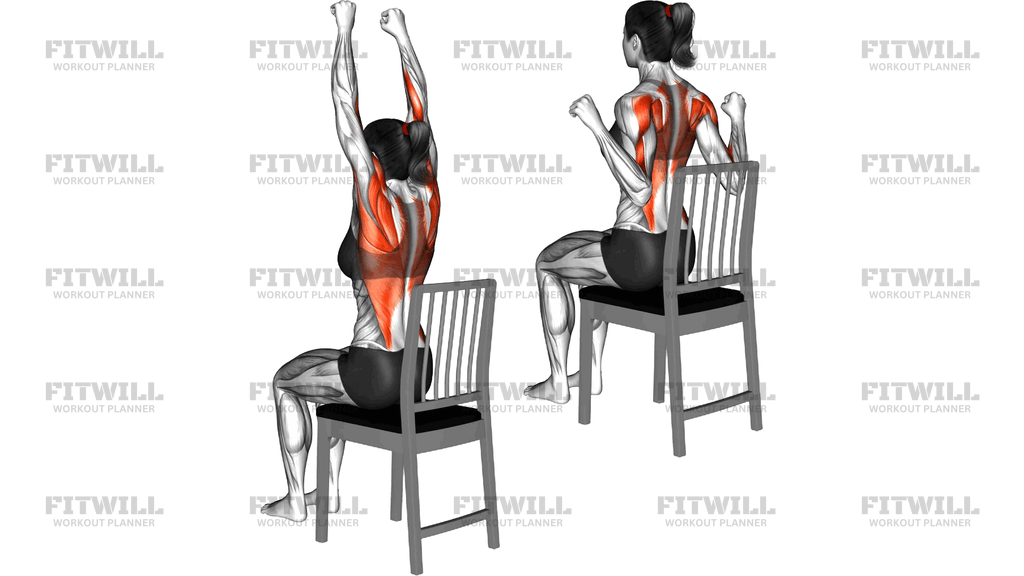
Instructions
- Sit sideways on a sturdy chair so the backrest is beside you, not behind you, with your thighs fully supported on the seat.
- Place both feet flat on the floor, bend your knees to about ninety degrees, and sit up tall with your chest open.
- Reach both arms straight overhead with your hands open and relaxed, roughly shoulder-width apart.
- Brace your core lightly and pull your ribs down so your lower back is not arching as your arms go up.
- Start the pull by drawing your shoulder blades down and together, then bend your elbows and drive them down toward your sides.
- Finish the rep with your elbows close to your ribcage, hands near shoulder height, and squeeze your back for a one-second pause.
- Reverse the movement slowly, straightening your elbows and letting your shoulder blades rotate upward until your arms are fully extended overhead again.
- Exhale as you pull your elbows down, and inhale as you raise your arms back to the start.
- Complete your reps, then stand up carefully from the side of the chair, keeping your weight over your feet.
Tips & Tricks
- The most common mistake is shrugging the shoulders up toward the ears during the pull; start each rep by consciously dropping the shoulder blades away from your neck.
- Do not lean your torso backward to finish the movement. Because there is no external resistance, leaning is just a way to cheat the range, so keep your torso vertical against your own stability.
- Keep your hands open rather than making fists. Clenching shifts tension into the forearms and neck and dulls the feeling in the lats.
- If you cannot feel your lats working, slow the tempo to a three-second pull and a three-second return. Speed hides weak muscle engagement in unloaded drills like this one.
- Your elbows should travel down and slightly out, not straight down in front of your chest. Leading the elbows too far forward turns the drill into an arm curl pattern.
- Straddle the seat with the backrest at your side rather than sitting normally facing forward. This keeps the backrest from blocking your shoulder-blade movement at the top.
- Breathe steadily instead of holding your breath at the top position, where it is tempting to brace hard with the arms overhead.
- If the chair feels unstable or too high for your feet to reach the floor, choose a lower seat or place something solid under your feet so the base is secure.
Frequently Asked Questions
What muscles does the Sitting Lat Pulldown On A Chair work?
The lats are the primary movers, pulling the arms down from overhead. The rhomboids, mid-traps, and rear shoulders retract the shoulder blades, while the biceps assist with bending the elbows.
Why is this exercise done sitting sideways on the chair instead of facing forward?
Sitting sideways keeps the backrest beside you so it does not restrict your shoulder blades as your arms travel overhead. It also makes it easier to keep your torso tall and vertical throughout the pull.
Can beginners benefit from the Sitting Lat Pulldown On A Chair?
Yes, it is a good first step before loaded pulldowns or assisted pull-ups. It teaches the shoulder-blade depression and elbow path that vertical pulling requires, with no load to hide poor form.
Is there any resistance in this exercise since no weight or band is used?
There is no external load, so the challenge comes from consciously engaging the back muscles and controlling the tempo. Slow, deliberate reps with a pause at the bottom are what make it productive.
How can I make the Sitting Lat Pulldown On A Chair harder?
Slow each phase to three or more seconds, add a two-second squeeze at the bottom, or hold a light resistance band overhead so the pull works against actual tension. Keep the same upright seated position.
What should I do if I only feel this in my arms and not my back?
Focus on starting the rep from the shoulder blades rather than the hands, and keep your wrists and fingers relaxed. Shortening the range slightly so the elbows stop just below chest height can also help you feel the lats.
Can I use the backrest of the chair for support during the movement?
No, leaning against the backrest would fix your shoulder blades and defeat the purpose of the exercise. Sit straddling the seat with the backrest at your side and support your own posture.
How does this exercise compare to a cable lat pulldown?
A cable pulldown provides external resistance and measurable progress, while the chair version is an unweighted pattern drill and warm-up. Use the chair version to learn the movement and as a warm-up, then progress to cables or bands for loading.
Is the Sitting Lat Pulldown On A Chair safe for people with shoulder discomfort?
Because it is slow and unloaded, it is often tolerable, but you should stay within a pain-free overhead range and stop if you feel pinching at the top. Anyone with a current shoulder issue should check with a qualified professional first.