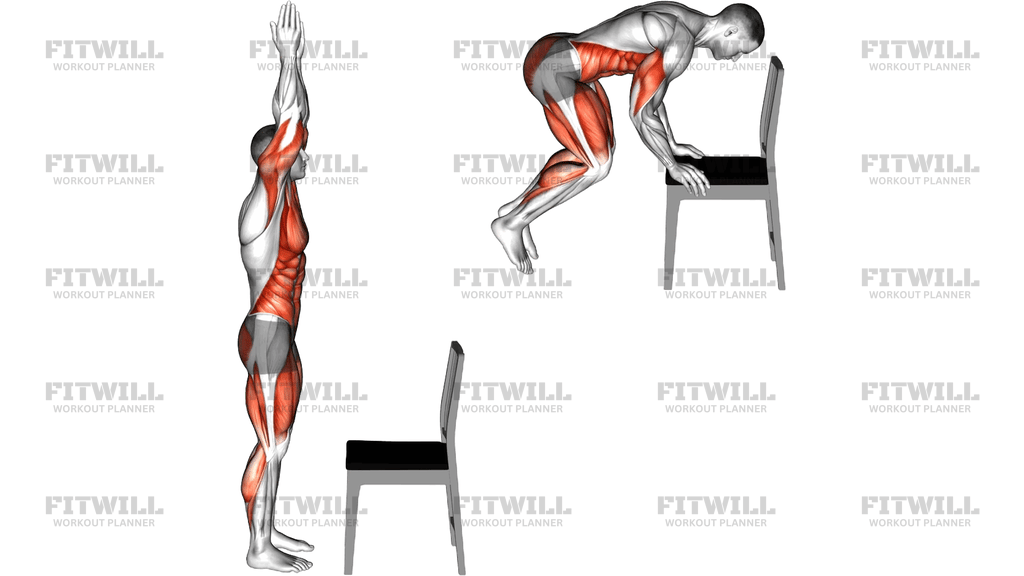
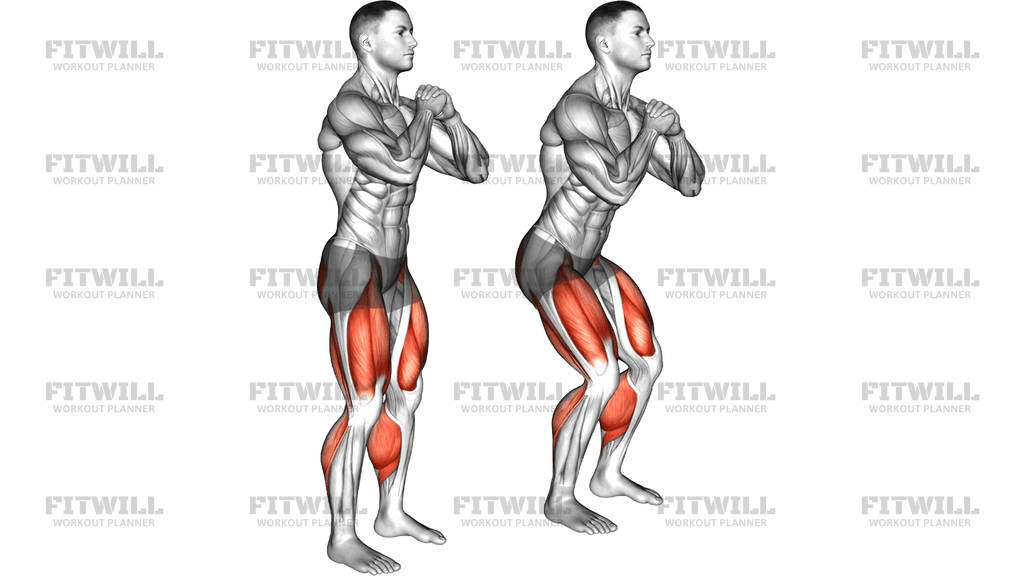
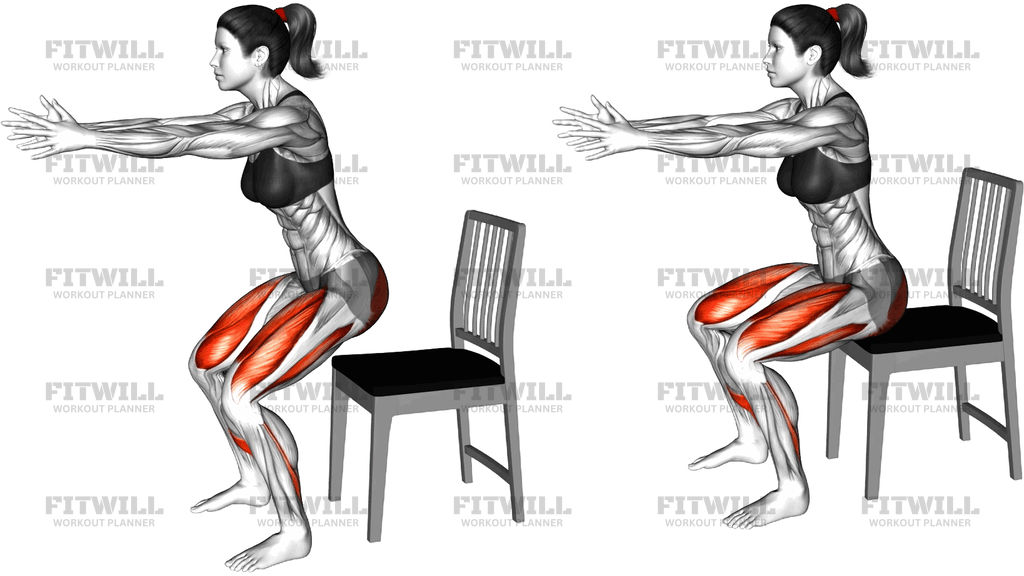
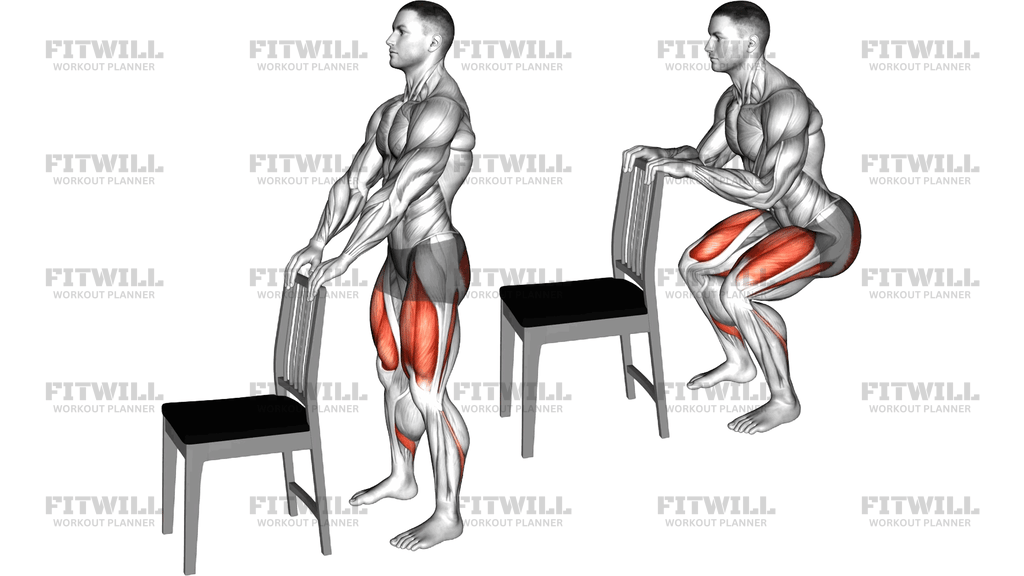
Sitting Toes Stretch On A Chair
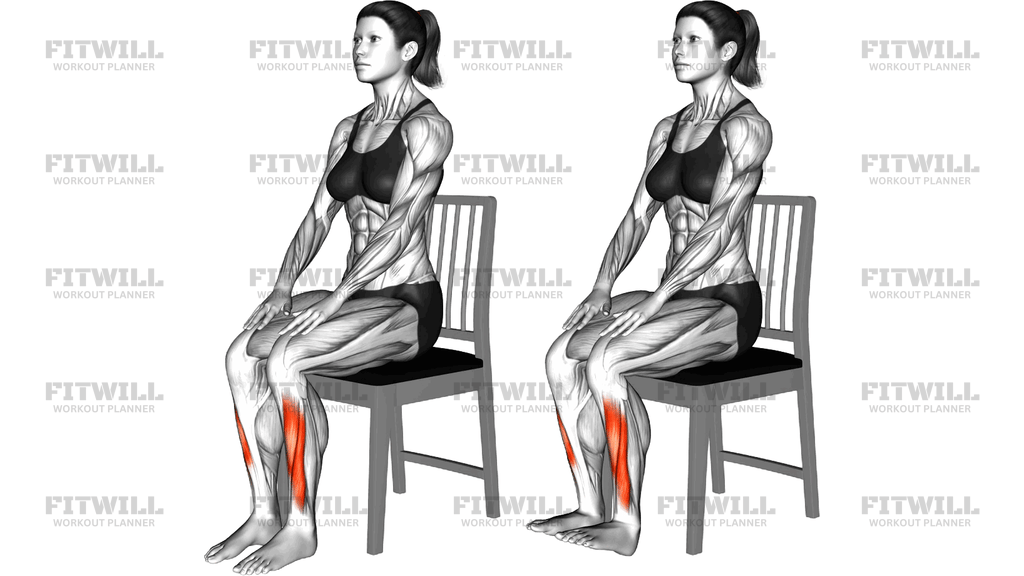
The Sitting Toes Stretch On A Chair is a simple seated mobility drill for the feet and lower legs. You sit upright on a sturdy chair with both feet flat on the floor, then press the balls of your feet and toes down into the ground as you lift your heels. The toes stay anchored while the heel rises, which lengthens the muscles along the sole of the foot and the toe flexors, while the calves work to control the lift. The movement is small, slow, and easy to regulate, which makes it a good entry point for anyone who spends long hours sitting or wearing stiff, restrictive shoes.
This stretch is especially useful for office workers, runners, and anyone whose feet feel stiff or cramped at the end of the day. Because it is performed from a chair, it places almost no load on the knees, hips, or back, so it works well as a warm-up before walking or lower-body training, as a mid-day reset at your desk, or as part of a cool-down. People easing back into activity after long periods of inactivity often tolerate it well precisely because the intensity is controlled entirely by how hard you press the toes down and how high you lift the heels.
Setup matters more than it looks. A chair that lets you sit with knees bent roughly to a right angle and both feet fully on the floor gives you the right leverage. If your heels start already lifted or your feet slide backward under the chair, the toes cannot stay planted and the stretch loses its focus. Sit tall rather than slumped, so the hips stay squared and the feet stay parallel and hip-width apart.
To perform it well, keep the toes long and spread rather than curled. Press the forefoot into the floor, let the heels rise as high as feels comfortable, and hold the top position for a few seconds while you breathe steadily. You should feel a stretch through the underside of the toes and the arch, with the calf muscles clearly engaged. Lower the heels back down under control instead of dropping them.
A common mistake is curling the toes to gain height, which shortens the very muscles you are trying to lengthen. Keep the toes flat against the floor and accept a smaller range if that is what it takes. Work in slow repetitions or gentle held positions, stay within a comfortable stretch, and stop if you feel pinching in the ankle or cramping in the arch or calf.
[ Workout Log & Planner ]
Put your next workout in Fitwill
Keep your plan and training log ready when you are.


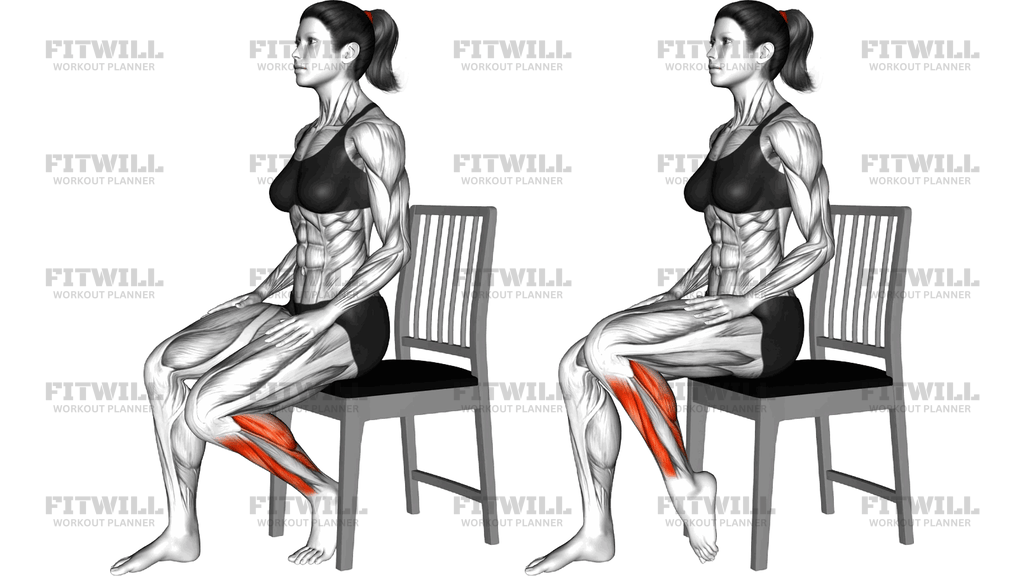
Instructions
- Sit on the front half of a sturdy chair with your back tall, knees bent about 90 degrees, and both feet flat on the floor, hip-width apart and pointing straight ahead.
- Rest your hands on your thighs for balance and lengthen through the crown of your head so your posture stays upright.
- Take a breath in, then as you exhale press the balls of your feet and toes firmly down into the floor.
- Keeping the toes flat and in contact with the ground, lift both heels upward as far as feels comfortable, letting the ankles roll up onto the toes.
- At the top, hold for two to five seconds and feel the stretch through the soles of the feet and the toes, with the calves actively working.
- Lower the heels back to the floor slowly and with control rather than letting them drop.
- Breathe steadily throughout, exhaling as the heels rise and inhaling as they come back down.
- Repeat for eight to twelve slow repetitions, or hold the top position for twenty to thirty seconds if you prefer a longer static stretch.
- Reset between sets by flattening the feet, spreading the toes, and rechecking that your sitting posture is tall before the next round.
Tips & Tricks
- If your toes curl under as the heels rise, reduce the height of the lift — flat toes are what create the stretch along the sole of the foot.
- Wear flexible footwear or take your shoes off if possible; stiff soles block the toe press and dull the stretch.
- Watch for the feet drifting backward under the chair as you fatigue, which turns the movement into a plain calf raise and takes the toes out of the stretch.
- If you get cramping in the arch, shorten the hold, press down less forcefully, and build up gradually over a few sessions.
- Keep your weight evenly distributed between both feet; shifting onto one side is a common habit that unbalances the stretch.
- Try rising one heel at a time if both heels together feel awkward at first, then progress back to the two-legged version.
- Keep your torso upright instead of leaning forward over your knees — leaning changes the ankle angle and reduces how far the heels can travel.
- A slow tempo of two seconds up, hold, two seconds down makes the movement far more effective than quick repetitions.
Frequently Asked Questions
What does the Sitting Toes Stretch On A Chair target?
It stretches the muscles on the sole of the foot and the toe flexors while the calves, mainly the gastrocnemius and soleus, work to lift and control the heels.
Why should my toes stay flat during the Sitting Toes Stretch On A Chair?
Flat, pressed-down toes are what lengthen the underside of the foot; curling them under shortens those same muscles and turns the drill into an ordinary calf raise.
Is this exercise suitable for beginners?
Yes, it is one of the easiest foot and lower-leg drills to learn because you are seated, the range is small, and you control the intensity by how hard you press and how high you lift.
Can I do the Sitting Toes Stretch On A Chair at my desk?
Absolutely — it was designed around a chair setup, so it fits naturally into a workday as a short break between longer sitting periods.
How many repetitions should I perform?
Eight to twelve slow repetitions work well, or you can hold the top position for twenty to thirty seconds if you prefer a static stretch.
What kind of chair works best for this stretch?
A stable chair without wheels, tall enough that your knees bend roughly to a right angle with both feet flat on the floor.
Why do I feel cramping in my arch or calf?
Cramping usually means you are pressing or lifting too aggressively for your current flexibility; ease off the intensity, shorten the holds, and progress gradually.
What can I use if I don't have a suitable chair?
Any firm seat such as a bench or sturdy stool works the same way; just keep the same upright posture and both feet flat before each rep.
Should I take my shoes off for this stretch?
It helps when possible, because flexible or bare feet let you feel and press the toes properly, but thin, flexible-soled shoes are an acceptable alternative.
Is it safe if my ankles are stiff or sore?
The seated position keeps the load very low, so a smaller, pain-free range is generally fine, but stop and scale back if you feel sharp pain or pinching in the ankle joint.