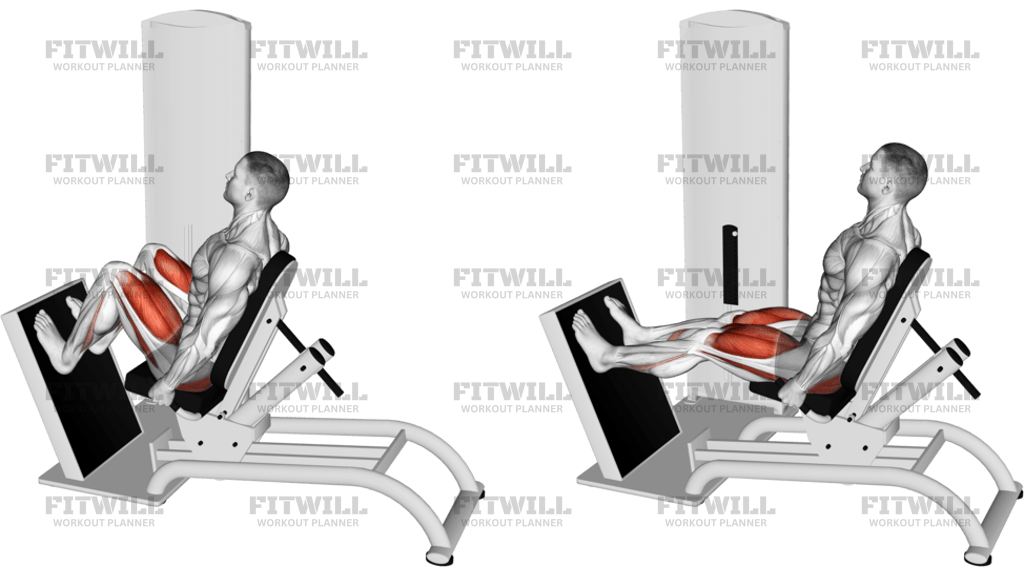
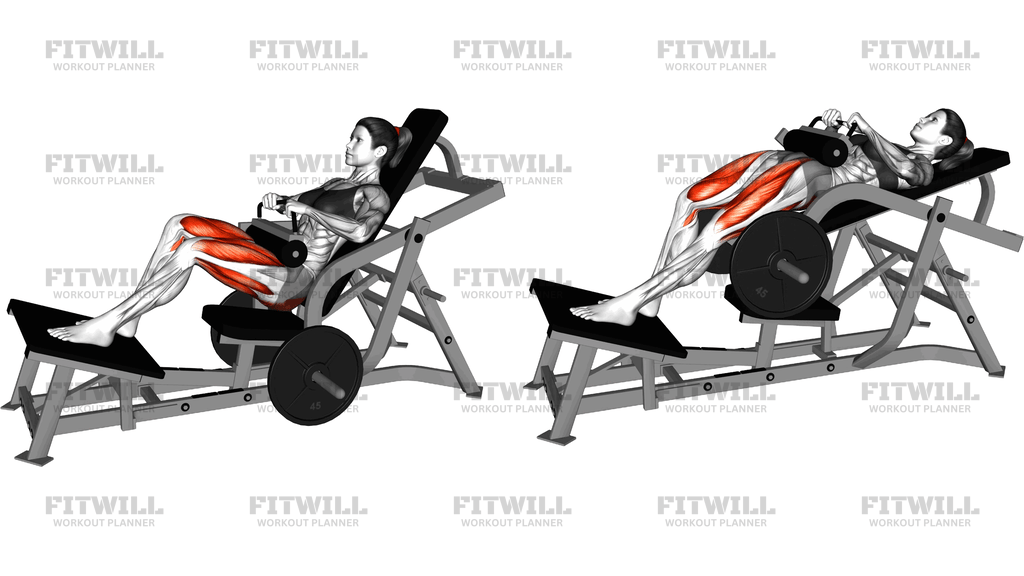
Lever Angled Single Leg Press
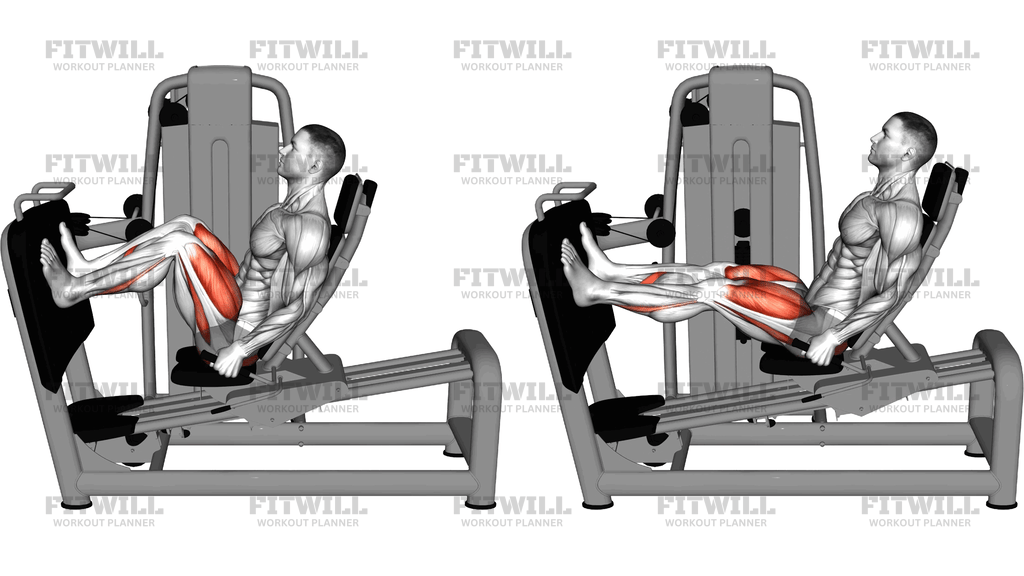
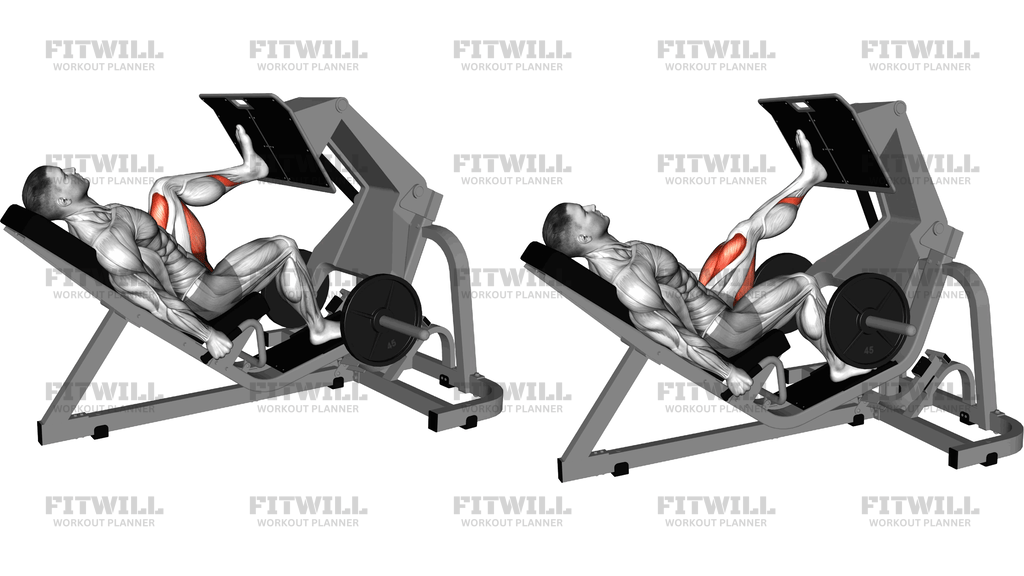
The Lever Angled Single Leg Press is a plate-loaded machine exercise performed on a 45-degree leg press with a lever-driven sled. Instead of pressing with both legs, you place one foot on the platform and drive the weight away using a single working leg while the other leg stays off the platform entirely. The angled design of the machine means your back stays supported against the padded seat and backrest throughout, so the load travels along a fixed, guided path that you control with your foot placement.
This is one of the most practical ways to train each leg on its own. Most people have a stronger and a weaker side, and when both legs press together the stronger side quietly does more of the work. Working one leg at a time exposes that imbalance and gives the weaker side a chance to catch up. It is also useful for lifters returning from an injury or layoff on one side, since the non-working leg is not forced to share the load or compensate.
The main muscles at work are the quadriceps on the front of the thigh, which extend the knee as you press the platform away. The glutes and hamstrings assist, especially as the hip flexes deeply at the bottom of the movement, and the calf helps stabilize the ankle against the platform. Because your torso is braced against the backrest and your hands grip the machine's side handles, your core only needs to hold your position rather than stabilize a free weight, which lets you focus fully on what the working leg is doing.
Setup matters more than people expect. The seat position determines where your knee tracks and how deep you can safely lower the sled, so take a moment to adjust it before adding plates. Your working foot should sit flat and centered on the platform, roughly hip-width from the midline, with the non-working foot placed firmly on the floor or a designated rest peg so it does not drift during the set.
To perform the movement well, press the platform away until the working leg is nearly straight without locking the knee hard, then lower the sled under control until the knee bends to a comfortable depth with the lower back still in contact with the pad. Push through the whole foot, keep the knee tracking in line with the toes, and avoid letting the hip twist or lift off the seat. The single-leg version naturally tempts people to rush the lowering phase, so treat the descent as its own deliberate rep.
You will see this exercise used in rehab settings, in leg programs built around fixing left-right asymmetry, and by anyone whose home or commercial gym has an angled leg press but wants more than the standard two-leg variation. Because the sled is guided and the torso is supported, the learning curve is short, making it a reasonable single-leg option for people who find free-weight single-leg squats too demanding on balance.
[ Workout Log & Planner ]
Put your next workout in Fitwill
Keep your plan and training log ready when you are.


Instructions
- Load weight plates onto the sled's sleeves and adjust the seat so your working leg can extend fully at the top while your lower back stays flat against the backrest.
- Sit into the machine and place one foot flat on the platform, centered and about hip-width from the midline, with your whole foot in contact from heel to toes.
- Position the non-working foot on the floor or the machine's rest peg so it stays clear of the moving sled.
- Grip the side handles, press your hips and lower back into the seat, and brace your core lightly.
- Release the safety stops and push the platform away until the working leg is almost straight, keeping a soft bend in the knee at the top.
- Inhale and lower the sled slowly, letting the knee bend until it reaches a controlled depth where your hips stay planted and your back remains on the pad.
- Exhale and press through your heel and midfoot, driving the platform back up without letting the knee cave inward or the hip rotate.
- Complete all repetitions on one leg, then switch feet, recheck your seat position, and perform the same number of reps on the other side.
- After the final rep, guide the sled back to the start position and engage the safety stops before letting go of the platform.
Tips & Tricks
- The most common mistake is going too deep too fast — on one leg the sled drops quicker than you expect, so start with a depth where you can pause briefly at the bottom without your hips rolling off the seat.
- Do not lock the knee hard at the top of each press; a soft finish keeps tension on the quads and protects the joint when the leg is loaded.
- Watch for the knee drifting inward as fatigue sets in — cue yourself to push the knee slightly outward so it tracks over the toes.
- If your heel lifts off the platform at the bottom, your stance is too low or your depth is too great; move the foot slightly higher on the platform before cutting reps short.
- Start your weaker leg first and match its rep count with the stronger leg rather than the other way around, so the gap between sides narrows instead of grows.
- Keep both hands on the side handles for the whole set — grabbing one side to push yourself up shifts your hips and changes the press angle mid-rep.
- Plate-loaded machines often feel lighter on the first rep because the lever arm takes the sled weight — expect the second and third reps to feel heavier and warm up with a light load first.
- Slow the lowering phase to about two or three seconds; because the sled is guided, rushing turns the exercise into a bounce rather than a press.
Frequently Asked Questions
Which muscles does the Lever Angled Single Leg Press work?
The quadriceps do most of the work as you extend the knee against the platform. The glutes and hamstrings assist at the bottom of the press, and the calves help stabilize the ankle against the platform.
Is the Lever Angled Single Leg Press good for beginners?
Yes. The sled follows a fixed path and your back is fully supported, so there is far less balance demand than in single-leg free-weight exercises. Begin with a light load to learn your comfortable depth before adding plates.
Why train one leg at a time on a leg press instead of using both legs?
Single-leg pressing prevents your stronger side from taking over, which helps correct left-right strength differences. It also lets you load one leg directly after an injury or layoff without the other leg compensating.
Where should my foot be placed on the platform?
Place it flat and centered, roughly hip-width from the machine's midline. A lower placement biases the quads more, while a higher placement shifts more work toward the glutes and hamstrings.
How deep should I lower the sled on the Lever Angled Single Leg Press?
Lower until the knee bends to a depth where your hips stay planted on the seat and your lower back stays against the pad. If your hips tuck or your heel lifts, the depth or foot position needs adjusting.
What should I do with the non-working leg during the set?
Rest it on the floor or the machine's rest peg, well clear of the moving sled. Letting it dangle or hover makes you unstable and can pull your hips off-center.
How much weight should I use compared to a two-leg press?
Expect to handle noticeably less than your two-leg press load, but usually more than half of it. Start conservative and progress only when you can control the descent on every rep.
Can I substitute the Lever Angled Single Leg Press with another exercise?
Bulgarian split squats, dumbbell step-ups, or single-leg presses on a vertical or seated leg press machine train similar muscles. The lever machine version stands out for its guided path and low balance requirement.
Is it safe to do this exercise with a knee issue?
The supported, guided path makes it gentler on the joints than many free-weight options, but knee concerns vary a lot between individuals. Reduce the depth and load first, and clear any return-to-training plan with a qualified professional.
Should the safety stops be used every set?
Yes. With one leg doing all the work, fatigue can arrive quickly, and the safety stops give you a place to set the sled down if the press stalls instead of having to fight a loaded platform with one tired leg.