Standing Alternating Arms Swing
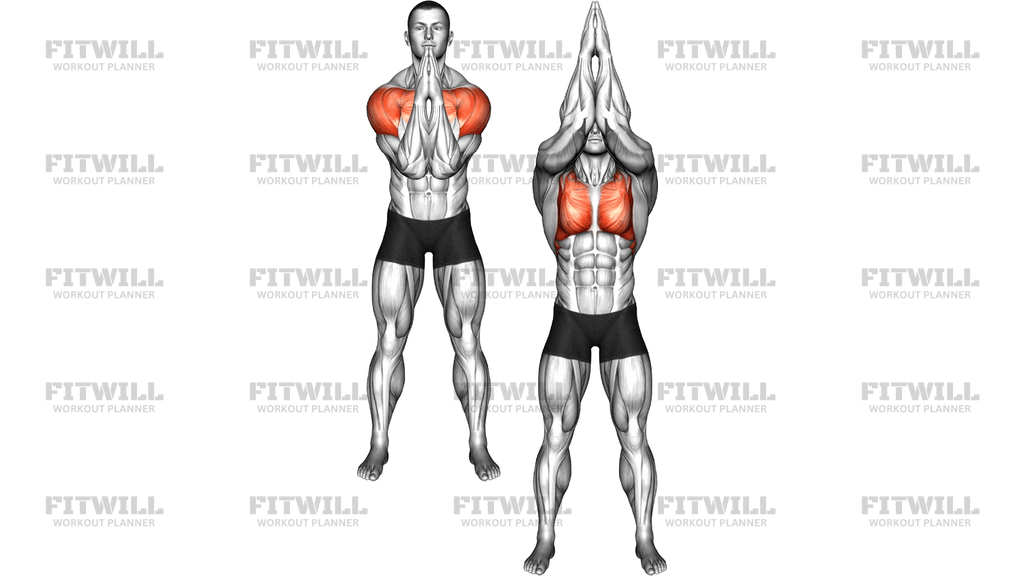
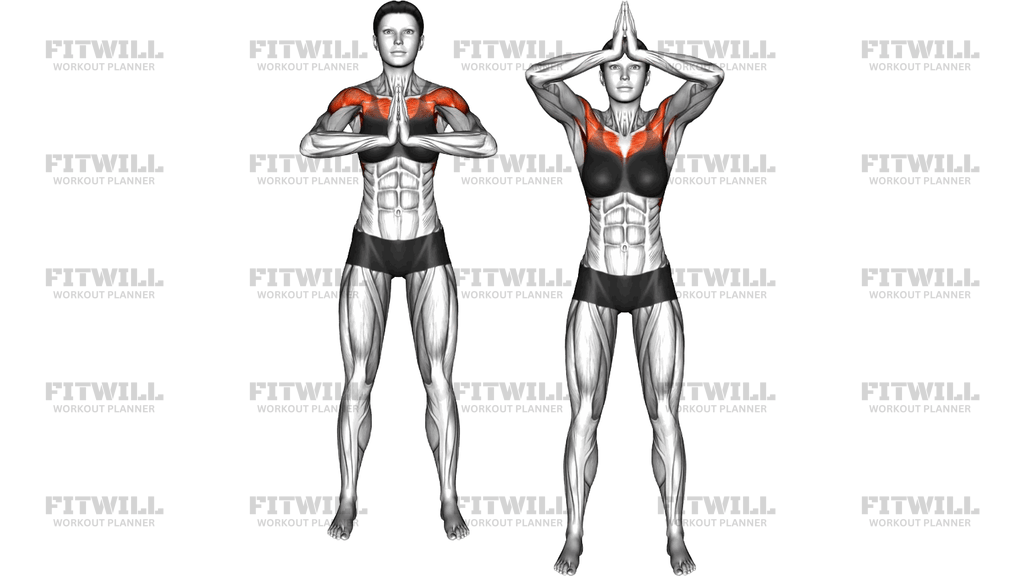
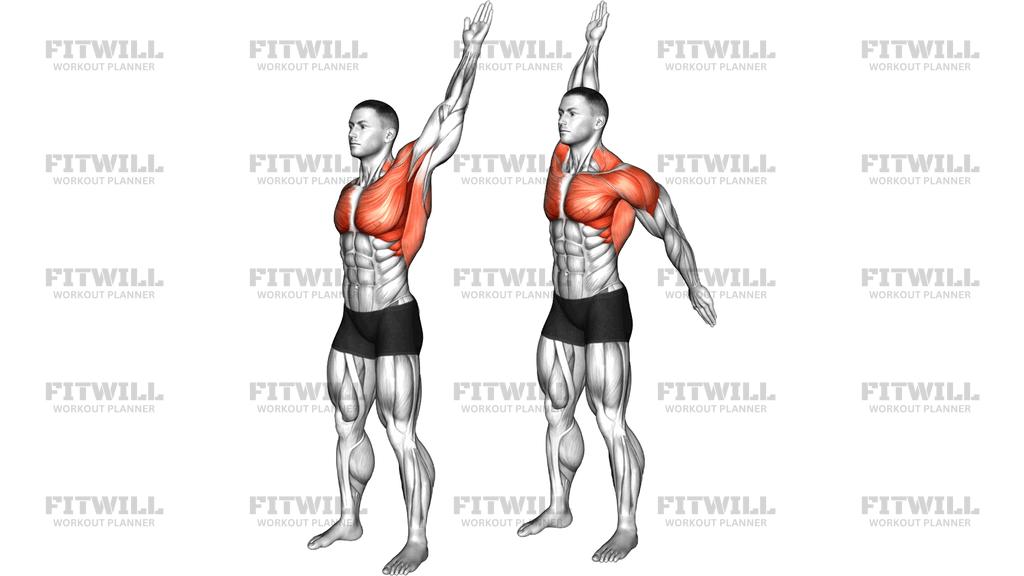
The Standing Alternating Arms Swing is a bodyweight dynamic mobility drill performed from an upright stance, where one arm swings up and forward while the other travels down and behind the body, then the two swap positions in a smooth, continuous rhythm. Because the arms move in opposition the way they do during walking, running, and many athletic actions, this drill doubles as a warm-up for the shoulder girdle and a rehearsal of the cross-body coordination pattern used in nearly every sport.
The main areas this movement targets are the chest and the front of the shoulders. As one arm reaches up past shoulder height, the pectoralis major and anterior deltoid on that side lengthen under a controlled stretch; as the other arm travels behind the hip, the same tissues on the opposite side work through their shortening range. The upper back, lats, and the muscles that control the shoulder blade all contribute to guiding the arc, and the trunk stays quietly engaged to keep the swing coming from the shoulders rather than from leaning or twisting the torso.
Setup matters more than it looks. Standing tall with feet about hip-width apart, a soft bend in the knees, and the ribs stacked over the pelvis gives the shoulders a stable base to swing from. If the torso leans back or the lower back arches to help the arm overhead, the stretch shifts away from the chest and front shoulders and into the spine, which is exactly what you want to avoid. Keeping the neck relaxed and the gaze forward helps the arms stay in a clean vertical arc.
Execution is about rhythm and range, not force. Let the leading arm rise in a wide arc until the hand is roughly overhead or as high as is comfortable, while the trailing arm swings back behind you with the palm turning slightly outward. Then reverse the roles so the arms trade places, passing close to the sides of the body as they cross. The swing should feel like a pendulum driven by the shoulders, smooth at both ends of the range rather than bounced or jerked.
This drill fits naturally at the start of an upper-body session, before pressing or pulling work, and it is equally useful before running or racket sports where arm drive matters. People who spend long hours at a desk often find it a convenient way to open the front of the shoulders during the day. Ten to twenty smooth swings per side is a typical dose, and it can be repeated once tightness in the chest begins to ease.
The main safety point is to stay inside a pain-free range. The overhead position demands decent shoulder mobility, so if the arm cannot rise without the lower back arching or the shoulder shrugging toward the ear, shorten the arc and build up gradually. Keep the movement controlled enough that you could stop the arms at any point in their path; swinging hard with loose joints is where strains happen.
Fitwill
Log Workouts, Track Progress & Build Strength.
Achieve more with Fitwill: explore over 9600 exercises with images and videos, access built-in and custom workouts, perfect for both gym and home sessions, and see real results.
Start your journey. Download today!




Instructions
- Stand with your feet hip-width apart, knees softly bent, and your weight spread evenly across both feet.
- Relax your shoulders down away from your ears and let both arms hang at your sides with your hands open and loose.
- Brace your trunk lightly and stack your ribs over your pelvis so your torso stays upright throughout the set.
- Swing your right arm forward and up in a wide arc until your hand is overhead or at your highest comfortable point, palm turning slightly forward at the top.
- At the same time, let your left arm swing down and back behind your hip, keeping the elbow soft rather than locked.
- Reverse the motion so the right arm swings back down while the left arm travels forward and up, letting the arms pass close to your sides as they trade positions.
- Continue alternating in a steady, pendulum-like rhythm, keeping the arc smooth at both ends instead of bouncing at the top.
- Exhale naturally as each arm rises, and inhale as it returns down; avoid holding your breath.
- Keep your head level and your eyes forward so the movement stays in the shoulders rather than pulling your torso into a lean or twist.
- Finish the set by letting both arms slow down together and settle back to your sides before moving on.
Tips & Tricks
- If your lower back arches when the arm goes overhead, shorten the arc so the hand only reaches forehead height at first, then extend the range over sessions.
- A common mistake is shrugging the swinging shoulder up toward the ear; consciously press the shoulder blade down as the arm rises.
- Keep the elbows slightly soft. Swinging with completely straight, stiff arms turns a mobility drill into a jolting stretch on the elbow and shoulder.
- The arms should pass near the sides of the body as they cross. If they loop out wide to the front, slow the tempo down and think of the hands tracing a tall vertical track.
- Avoid driving the swing from the waist. If you notice your chest or hips rotating with each swing, brace the trunk a little more and let the shoulders do the work.
- Start with a smaller, faster-feeling range and enlarge it only as the chest and front shoulders warm up; forcing the overhead reach on the first few reps is a typical cause of a pulled shoulder.
- Breathe in a steady cycle matched to the swings rather than powering through with held breath, which tends to make the shoulders tense.
- If one side feels noticeably tighter, add a few extra swings to that side but keep the range symmetrical enough that both arms still pass through the same track.
- Bare feet or flat shoes both work here, but avoid doing this drill on an unstable surface, since balance corrections will steal attention from the shoulder pattern.
Frequently Asked Questions
Which muscles does the Standing Alternating Arms Swing work?
It primarily mobilizes and loads the chest, especially the pectoralis major, along with the front shoulders. The upper back and shoulder blade muscles help control the arc of each swing.
Is the Standing Alternating Arms Swing a stretch or a strength exercise?
It is best treated as a dynamic stretch and warm-up drill. It raises blood flow and range of motion in the chest and shoulders rather than building meaningful strength.
How high should my arm go during the Standing Alternating Arms Swing?
Aim for overhead only if you can get there without your lower back arching or your shoulder shrugging. Otherwise, stop at forehead or head height and expand the range gradually.
How many repetitions should I do?
Ten to twenty smooth swings per arm is a standard dose as a warm-up. You can repeat the set once the chest and front shoulders start to feel looser.
Can beginners do the Standing Alternating Arms Swing?
Yes. It requires no equipment and the range is fully self-determined, so beginners should simply start with a shorter arc and a slower tempo.
Why do the arms swing in opposite directions instead of together?
The alternating pattern mirrors the natural arm drive of walking, running, and throwing, so it prepares the shoulders for those actions and trains the coordination between the two sides.
My shoulders click during the swing. Is that a problem?
Painless clicking is common and usually harmless, but if the movement causes discomfort, reduce the height of the swing and keep the elbow slightly bent. Persistent pain should be checked by a professional.
What can I use instead of the Standing Alternating Arms Swing?
Arm circles, wall slides, or a doorway chest stretch cover similar ground. The alternating swing is unique mainly in rehearsing the opposing arm pattern, so pair a shoulder circle drill with a walking arm swing if substituting.
When is the best time to do this drill?
It works best before upper-body training, running, or throwing sports as part of your warm-up. It can also be used during the day to break up long periods of sitting.