Side Step Pulldown
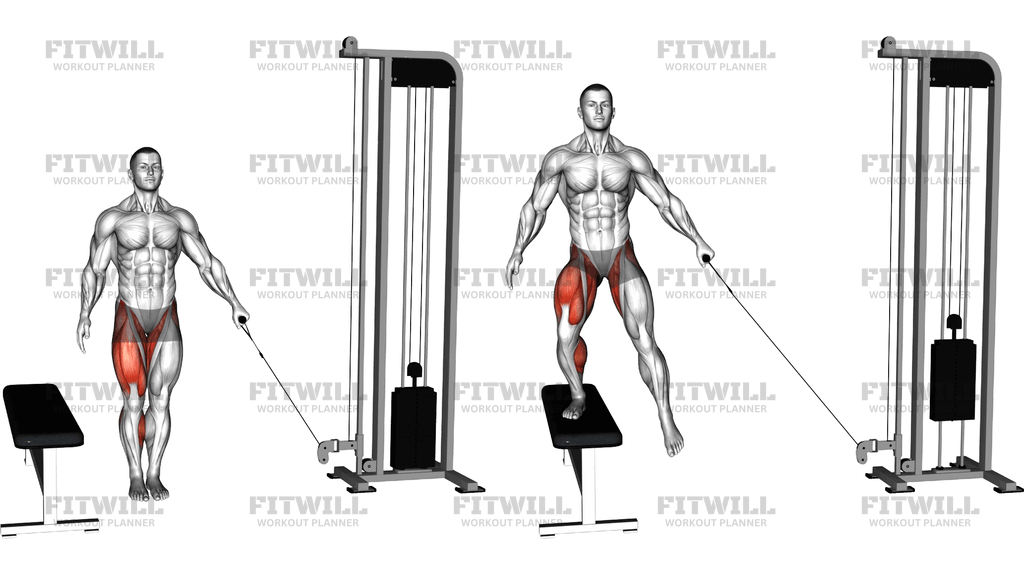
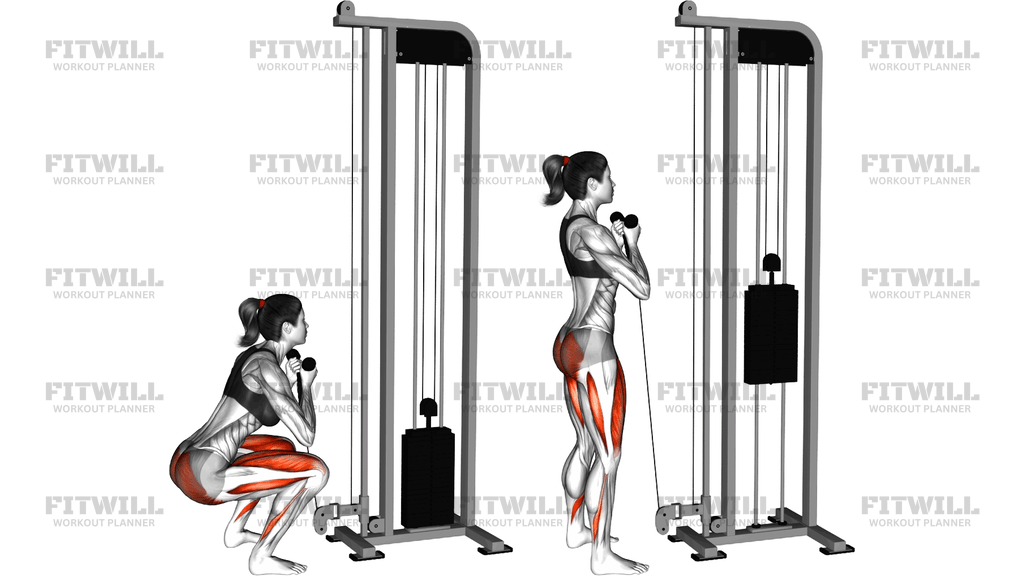
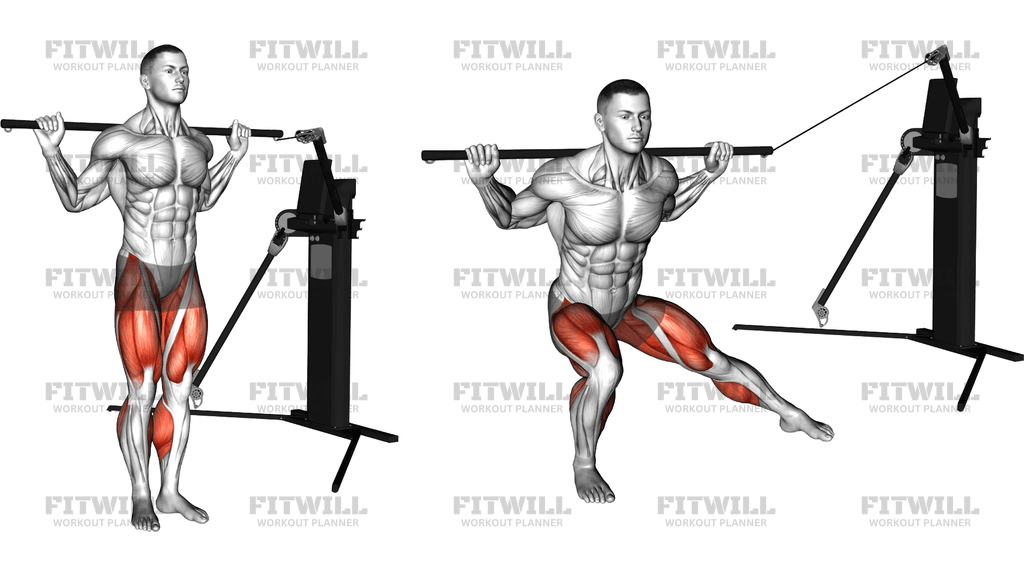
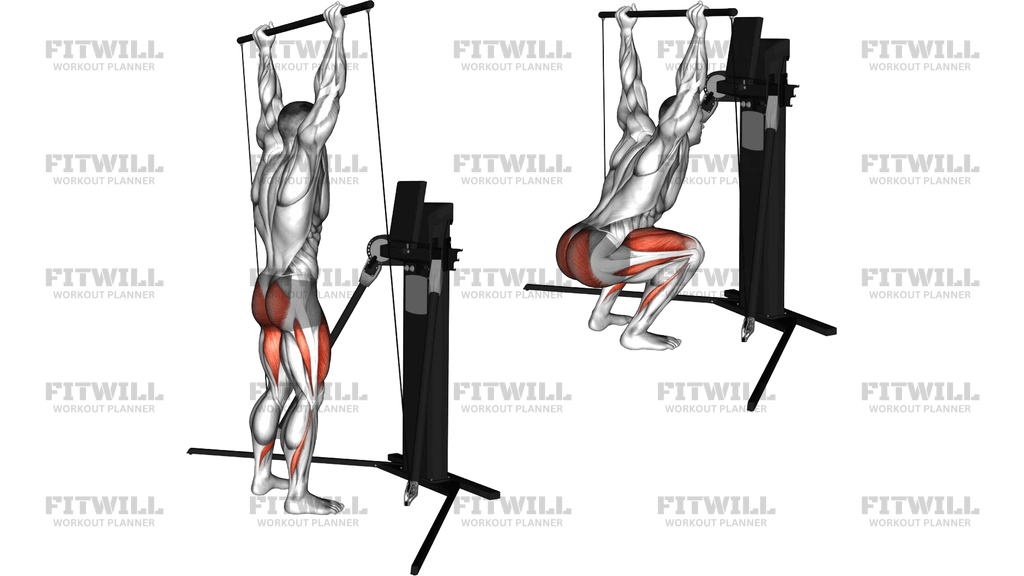
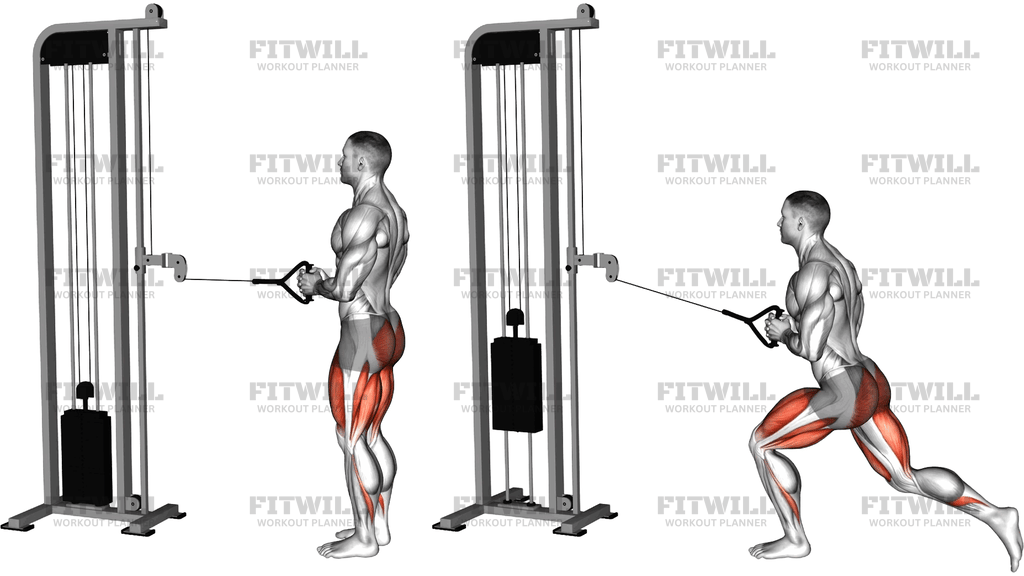
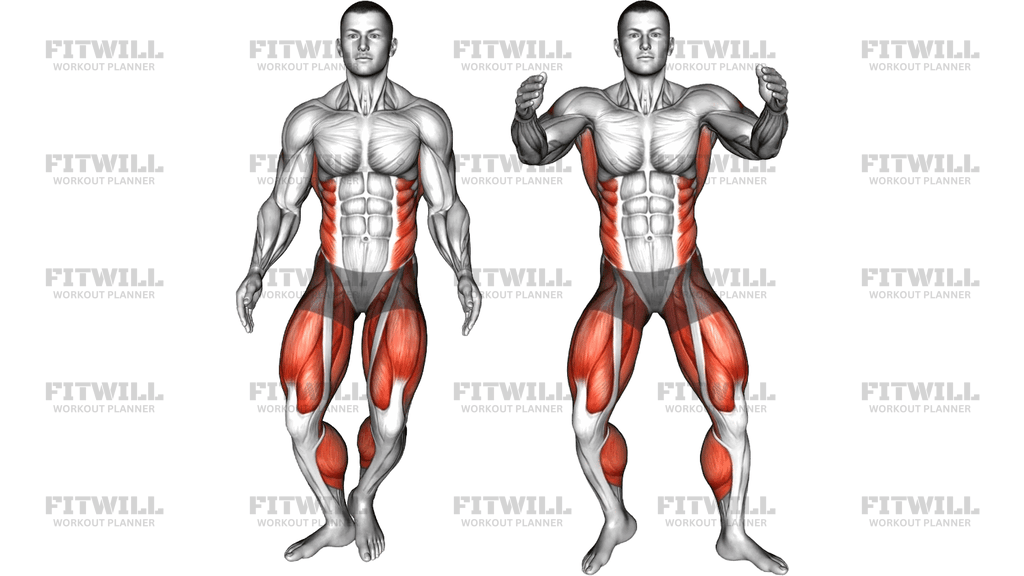
The Side Step Pulldown is a standing, full-body movement that combines a lateral step with a pulldown, usually performed at a cable station with a single handle set at the top of the machine. Instead of sitting down like you would on a lat pulldown machine, you stay on your feet, step out to the side to create tension, and pull the handle down alongside your body. The result is one fluid pattern that trains the legs and upper body together, which is exactly why the quads, inner thighs, and calves light up just as much as the arms and back.
This exercise is a good fit for lifters who want more out of their warm-ups and conditioning work than isolated machine reps. Because you have to stabilize yourself on one leg while controlling the cable, it also challenges balance and core control in a way that seated pulldowns never will. It is particularly useful for athletes in sports that demand side-to-side movement, such as tennis, basketball, or soccer, and for anyone rebuilding coordination between the hips and shoulders after spending too much time on bilateral, seated exercises.
Setup matters more here than in most pulldown variations. The cable anchor should sit above shoulder height so the pull travels downward along your side, and you need enough space to step laterally without the weight stack resting on the floor between reps. Your stance should stay soft at the knees, with your weight distributed across the whole foot rather than dumped onto the toes. If the anchor point or your distance from the machine is off, you will feel the cable dragging you sideways or losing tension at the top, and the working legs stop doing their share of the job.
To execute it well, step the lead leg out to the side while simultaneously drawing the handle down toward your hip, then reverse both actions under control. Keep your torso upright and square forward; the temptation to rotate or lean into the pull is the most common fault. Move at a pace you could hold for a full set, exhale on the step-and-pull, and reset your stance cleanly on each return. Used for moderate reps and controlled tempos, the Side Step Pulldown works well as a primer before lower body training, a finisher for the legs and back, or a low-load option on days when heavy squats and rows are off the menu.
[ Workout Log & Planner ]
Put your next workout in Fitwill
Keep your plan and training log ready when you are.


Instructions
- Set a single handle on the cable machine at the highest pulley position and select a light-to-moderate load you can control while standing.
- Stand sideways to the machine and grip the handle with the near hand, palm facing in, then take one or two steps away from the stack until the cable is taut with your arm extended overhead and slightly out to the side.
- Set your feet roughly hip-width apart, allow a slight bend in the knees, and brace your trunk as if preparing for a gentle push from the side.
- Step your outside leg out to the side, keeping the trailing foot planted and both knees soft as you accept the cable tension.
- As the lead foot lands, pull the handle down and slightly across until your hand is beside your hip and your elbow is near your ribs.
- Pause briefly at the bottom with the leg wide, feeling the legs support you and the lat finish the pull, without letting your shoulders shrug up.
- Reverse the motion as one unit: control the handle back overhead as you step the lead foot back in to the starting stance.
- Exhale on the step-and-pull, and inhale as you return to the top and reset.
- Complete all repetitions on one side, then re-grip and repeat the same number on the other side, re-checking your distance from the stack before each set.
Tips & Tricks
- If the cable pulls you toward the machine, you are standing too close; take an extra half-step out so tension stays on your muscles rather than your balance.
- Watch for the torso twisting toward the handle as you pull. Square your chest forward and let the arm and legs do the moving instead.
- A common mistake is letting the wide knee collapse inward on the step-out. Track that knee over the toes to keep the thigh and inner thigh doing the work.
- Keep the trailing heel down if you can; popping it up turns the move into a rushed lunge and robs the calf of its stabilizing role.
- Choose a load you could pulldown for fifteen or more reps. Going heavy usually shows up as yanking the handle and losing the step-out depth.
- Control the top of the range. If the handle crashes toward the stack or your arm gets yanked overhead, the eccentric phase is being wasted.
- Keep a small, consistent knee bend throughout rather than locking out between reps, so the legs stay engaged the whole set.
- If your grip fails before your legs or back, switch hands between sets or use a handle with a firmer grip rather than shortening the range.
- Match the step distance on both sides. A noticeably shorter step on one side usually means tightness or weakness worth addressing with lighter load and more focus.
Frequently Asked Questions
Which muscles does the Side Step Pulldown work the most?
The quads, inner thighs, and calves handle most of the stepping and stabilizing, while the lats and biceps drive the pulldown. The obliques and glutes work throughout to keep your torso square and hips level.
Is the Side Step Pulldown suitable for beginners?
Yes, as long as the load stays light and the emphasis is on coordination rather than resistance. Beginners often benefit most because the exercise teaches the arms and legs to move together under control.
How high should the cable pulley be set for the Side Step Pulldown?
Set the handle at or near the top of the machine so the pull travels downward along your side. If the anchor is at chest height or lower, the movement stops being a pulldown and loses the overhead-to-hip path.
Why do my legs feel this more than my back?
That is the intent of the movement. The side step loads the thighs and calves with each repetition, and the pulldown adds upper body work on top, so expect the lower body sensation to dominate unless you deliberately bias the pull.
Can I do the Side Step Pulldown if I only have a resistance band?
Yes. Anchor the band overhead, grip one end, and step out until you feel similar tension to a taut cable. The band will pull hardest at the top, so move a little slower through the return to keep it controlled.
How far should I step out on each rep?
Step far enough that your stance is clearly wider than hip width and your leading knee bends over the foot without collapsing inward. Consistency matters more than maximum width, so pick a distance you can repeat every rep.
Should my trailing leg stay planted during the pulldown?
Yes. The trailing foot stays in place while the lead leg steps out, which is what creates the side-loading through the thighs and calves. Lifting the trailing heel or shuffling both feet turns it into a different, less stable exercise.
What is a good substitute if my gym has no cable machine?
An overhead-anchored resistance band is the closest match. Seated lat pulldowns paired with lateral band walks can cover the same muscles, but you lose the combined coordination that makes the original movement distinct.
Is the Side Step Pulldown safe for the knees?
With a controlled step, a soft knee bend, and the knee tracking over the toes, it is a joint-friendly standing exercise. If stepping out causes discomfort, reduce the step width and load first, and stop if pain persists rather than pushing through it.
How many reps and sets should I use?
Around eight to twelve steps per side for two to four sets works well for most lifters. Because the pattern demands coordination, prioritize smooth, even reps over squeezing out extra repetitions with sloppy form.