Lever Belt Deadlift (V Bar)
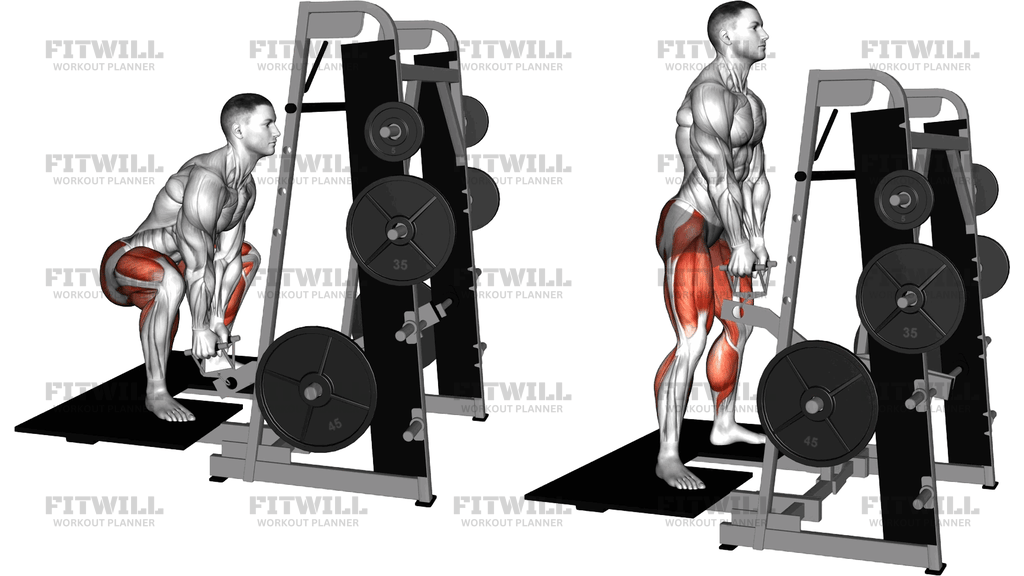
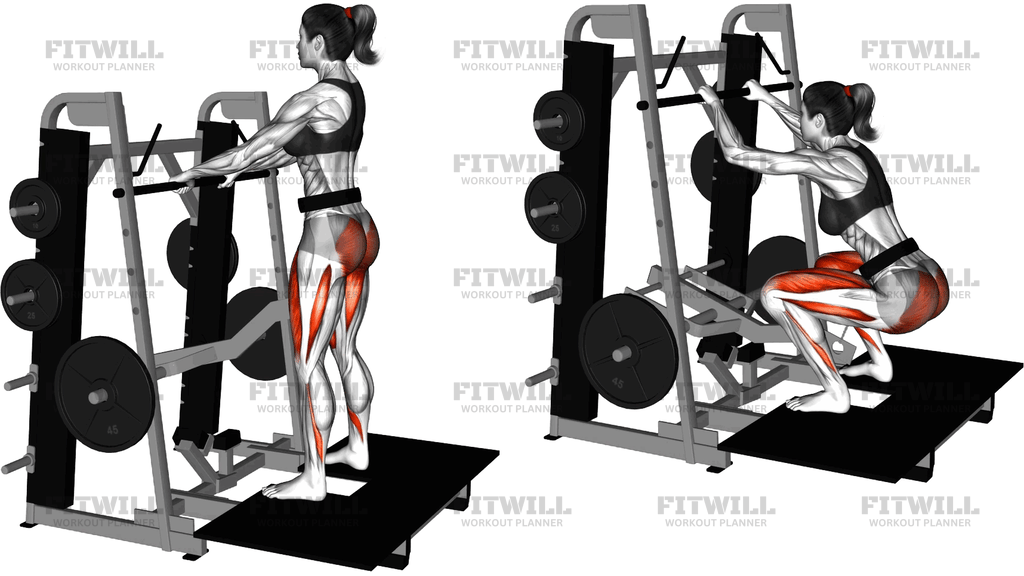
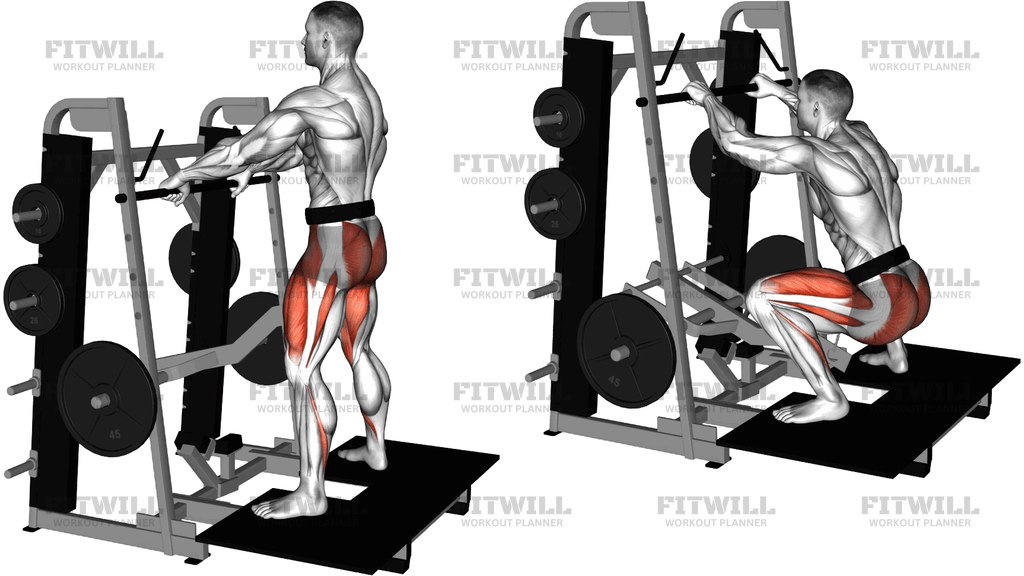
The Lever Belt Deadlift (V Bar) is a plate-loaded machine version of the conventional deadlift. You stand on the machine's platform, squat down to grip a V-shaped handle attached to the lever arm, and drive through your legs to stand tall, letting the guided lever path carry the weight. Because the lever arm pivots on a fixed axis, the resistance stays predictable and the bar path essentially takes care of itself, which removes one of the trickier skill elements of a free-weight pull.
This setup is especially useful for lifters who want the deadlift pattern without worrying about the bar drifting away from their shins or rounding under load. The V-bar grip keeps your hands close together in front of your body, which puts your arms in a natural hanging position and shortens the distance your torso has to travel. Beginners can learn the hinge-and-drive rhythm with immediate feedback, while experienced lifters can use it as a heavy posterior chain finisher or as a way to keep training the pattern when fatigue makes free-bar positioning risky.
The movement works the whole back side of the body. The quads and glutes produce most of the force as you extend from the bottom position, the hamstrings assist through the middle of the pull, and the lower back, upper back, and traps hold your spine and shoulders in place under tension. Your forearms and grip also work hard here, since the V-bar demands a secure squeeze from start to finish.
Setup matters more than people expect on a machine pull. Set the seat or platform so that at the bottom your hips are behind your heels and your shoulders sit slightly above the handle, just like the bottom of a real deadlift. If the start position is too high, you turn the exercise into a partial shrug; too low and your lower back takes the brunt before your legs ever contribute. Load plates evenly and check that the lever moves freely before you commit to a working set.
To execute well, brace your torso before you touch the handle, pull the slack out of the weight rather than yanking it, and push the platform away with your legs while your chest rises. Finish standing tall with glutes engaged, then lower the weight under control instead of letting the lever slam down. Breathe in and brace at the bottom, exhale as you pass the sticking point, and reset your position completely between reps.
As with any heavy pull, keep your spine neutral throughout and stop the set the moment your lower back starts to round. The guided path is a helpful safeguard, not a license to lift with poor technique.
[ Workout Log & Planner ]
Put your next workout in Fitwill
Keep your plan and training log ready when you are.


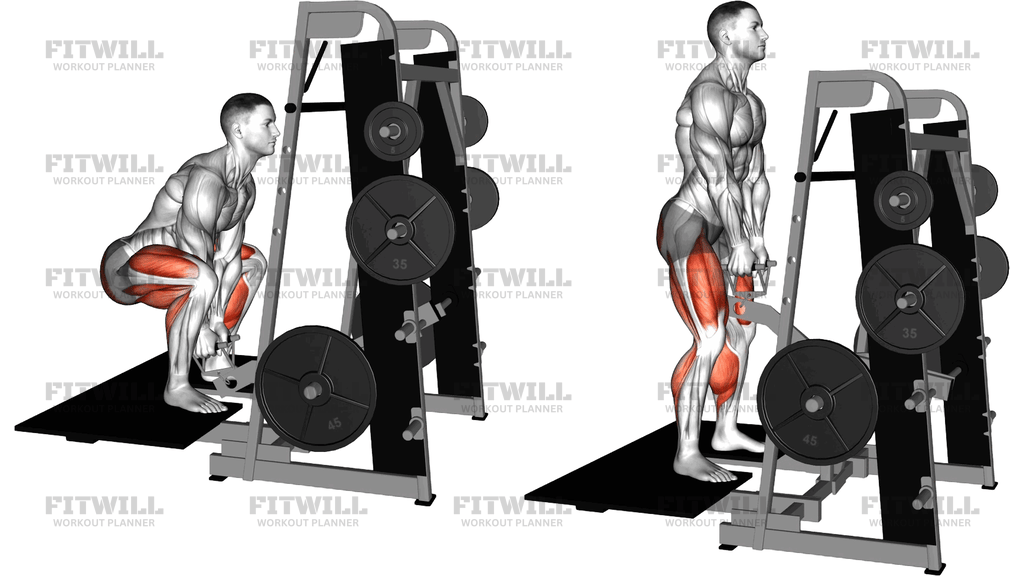
Instructions
- Load the weight plates evenly on both sides of the lever arm and set the platform or foot position so the handle sits at about shin height when your knees are bent.
- Step onto the platform with your feet roughly hip-width apart, toes pointing slightly out, so the V-bar handle hangs directly in front of your shins.
- Push your hips back, bend your knees, and grip the V-bar with both hands, arms fully extended and shoulders sitting just above and slightly ahead of the handle.
- Take a breath into your belly, brace your core, and pull your chest up so your back is flat and your neck stays in line with your spine.
- Drive the platform away through your whole foot, extending your knees and hips together as the lever arm rises along its fixed path.
- Keep the handle close to your legs the entire way up and let your arms hang relaxed; do not try to lift with them.
- Stand fully upright at the top with hips and knees extended and glutes squeezed, without leaning back or shrugging the weight higher.
- Reverse the motion by pushing your hips back first, letting the lever lower along the same path until the plates touch down softly.
- Exhale after passing the hardest part of the pull, then re-brace and reset your stance and grip before starting the next rep.
- Complete all reps on one side of the machine setup, then step off the platform once the lever is fully resting and unloaded.
Tips & Tricks
- If your heels lift at the bottom, your stance is too narrow or your hips are dropping too low; widen your feet slightly and start with higher hips so your shins stay near vertical.
- A common mistake on this machine is turning it into a squat-and-shrug by overemphasizing the quads; cue your hips back at the start so the glutes and hamstrings load before you push.
- Do not let the lever free-fall on the way down. Lowering it under control for two to three seconds keeps tension on the hamstrings and protects your lower back at the turnaround.
- Because the V-bar puts both hands close together, check that your knees are not caving inward toward the handle; actively spread the floor with your feet as you drive up.
- Pull the slack out of the weight before committing to the full pull. A smooth pre-tension on the handle keeps the first rep from jerking your shoulders forward.
- The guided path can hide asymmetries. Occasionally film yourself from the side to confirm your hips and shoulders rise at the same rate instead of your chest shooting up first.
- If your grip fails before your legs do, use a controlled tempo and stop the set there rather than sacrificing your back position to squeeze out extra reps.
- Keep the working weight moderate until you can repeat the same bottom position rep after rep; machine deadlifts feel easier to cheat than barbell pulls because the lever stabilizes the load for you.
- Place your feet fully on the platform, not just your toes, so the drive comes from the whole foot rather than a calf raise at the top.
Frequently Asked Questions
Which muscles does the Lever Belt Deadlift (V Bar) work?
The quads and glutes produce most of the force, with the hamstrings assisting through the pull. Your lower back, traps, and forearms work isometrically to hold your spine stable and maintain the grip on the V-bar.
Is the Lever Belt Deadlift (V Bar) good for beginners?
Yes, it is one of the friendlier ways to learn the deadlift pattern because the lever arm fixes the path of the weight. Beginners can focus on bracing, hip position, and driving through the legs without managing a free bar.
How is the V-bar grip different from a straight barbell deadlift grip?
The V-bar places both hands together in front of your body in a neutral position, which shortens the pull and reduces strain on the shoulders and biceps. It also tends to be easier on the grip than a heavy barbell, though the forearms still work hard.
Why do my lower back muscles fatigue before my legs on this machine?
This usually means your hips are too high at the start or you are initiating the pull with your torso instead of your legs. Reset with your hips lower, chest up, and focus on pushing the platform away before your trunk extends.
How close should my shins be to the handle at the start?
The handle should hang nearly against your shins, just like a barbell would. If there is a visible gap, the weight will drift forward on the lever path and load your lower back instead of your hips and legs.
Can I substitute the Lever Belt Deadlift (V Bar) for barbell deadlifts?
It trains the same fundamental pattern and can replace barbell pulls in most programs, but it removes some of the balance and stabilization demands. If your goal includes competition deadlift strength, use it as an accessory rather than your only pulling variation.
How many sets and reps should I do?
For strength, work in sets of 4 to 6 reps with heavier loads; for technique and muscle, 8 to 12 reps works well. Because the machine path is stable, focus on controlled reps rather than maximum weight while you are still learning the setup.
Should I wear a belt for the Lever Belt Deadlift (V Bar)?
A belt is optional and generally unnecessary at moderate machine loads. If you use one on heavy sets, brace your abdominal wall against it rather than pushing your stomach into it passively.
Is it safe if the plates slam down between reps?
Repeatedly letting the lever drop stresses the machine and jerks your spine at the turnaround. Lower the weight under control and let the plates settle softly before starting the next rep.
Can I do this exercise if I have a sensitive lower back?
The guided path makes it more forgiving than a free barbell, but any deadlift variation loads the lower back. Start with light weight, prioritize a neutral spine and strong brace, and reduce the range or load if you feel strain rather than muscular effort.