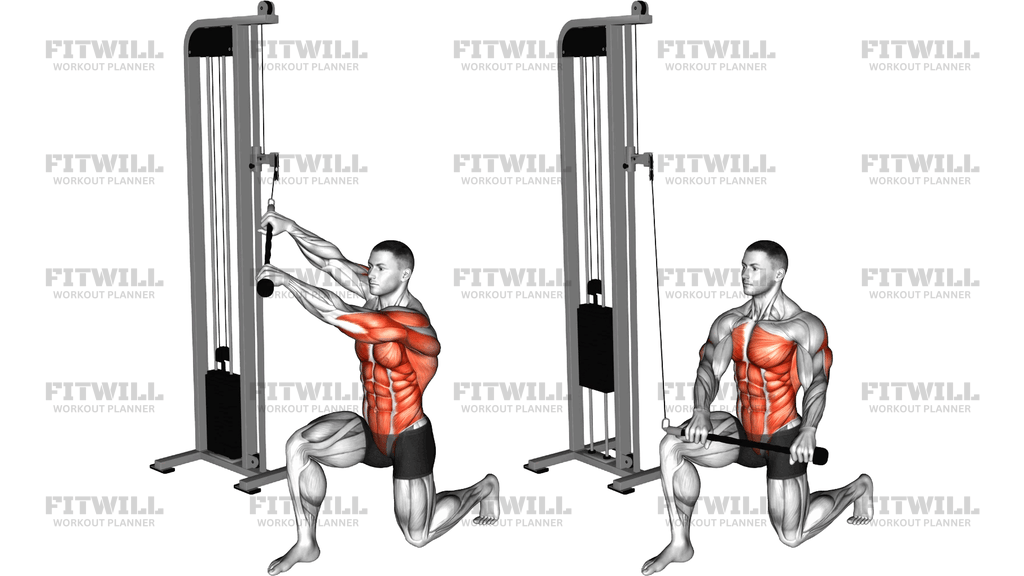
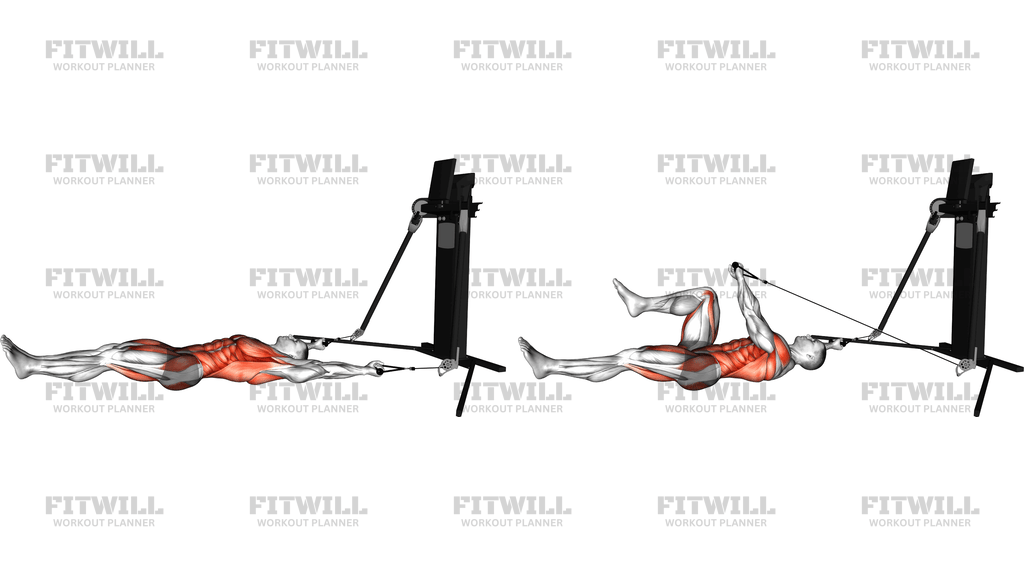
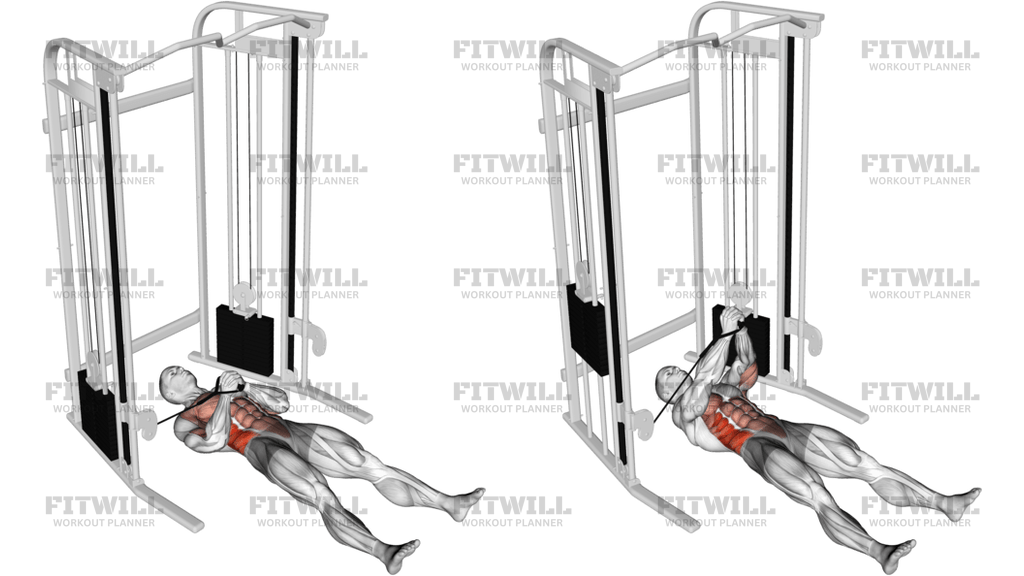
Cable Bent Over Golf Swing Pull Torso Rotation
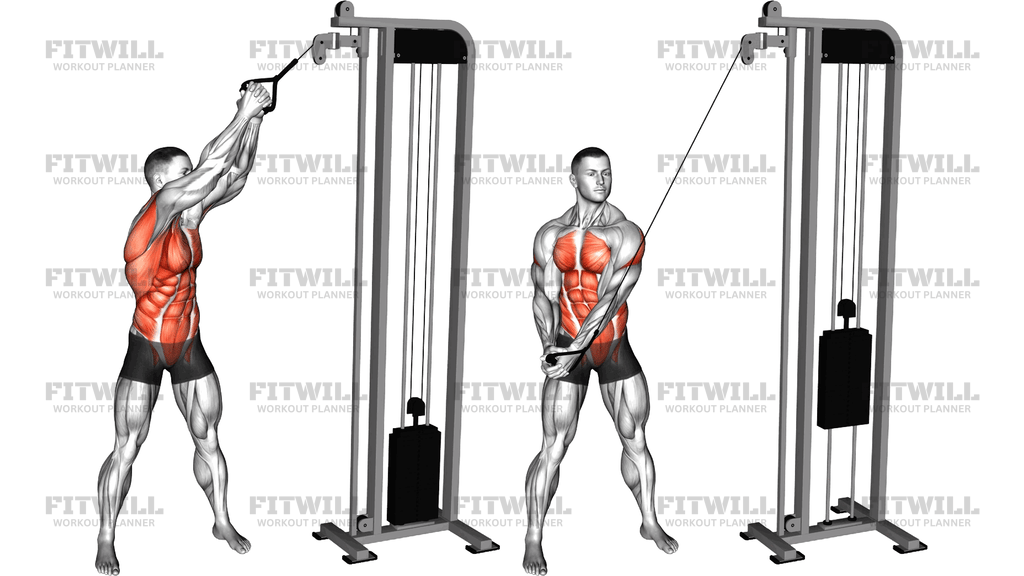
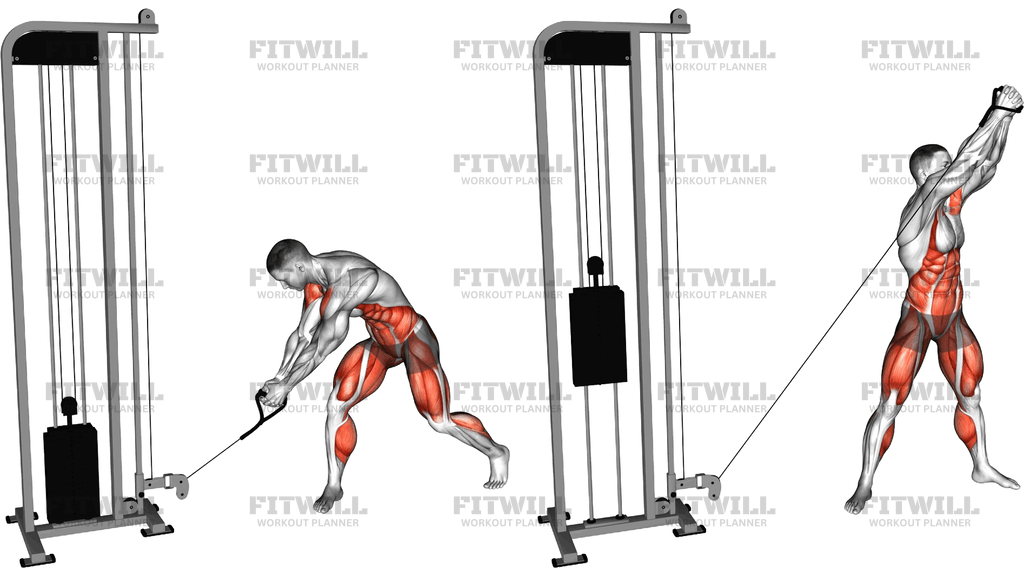
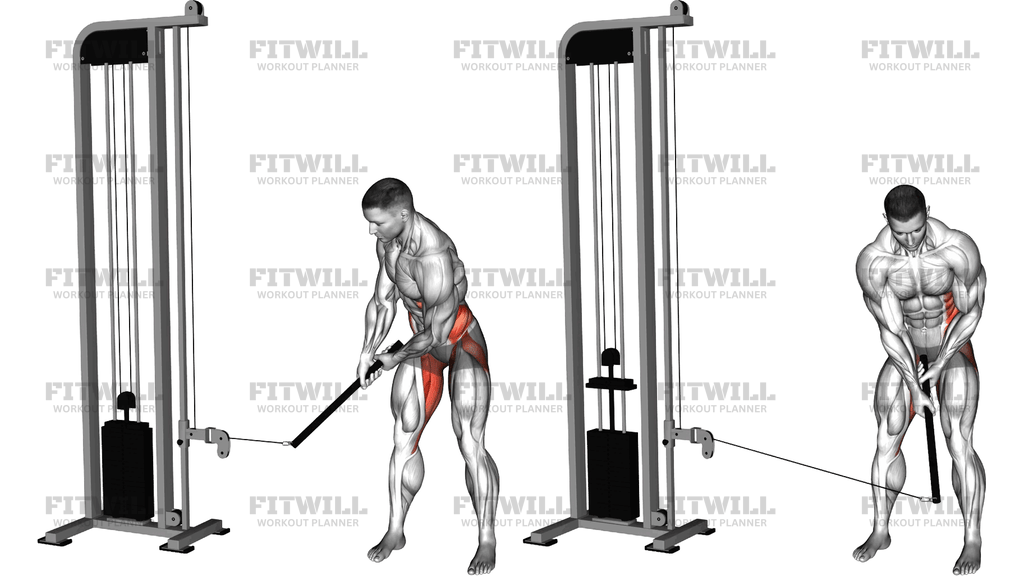
The Cable Bent Over Golf Swing Pull Torso Rotation is a rotational cable exercise that recreates the sweeping pull pattern of a golf swing from a hinged, bent-over stance. You stand side-on to a low cable pulley, hold a long bar with both hands in a golf-style grip, and rotate your torso away from and back toward the machine, letting the cable resist the turn. The highlighted areas in the movement are the obliques and the muscles around the hips, which is exactly where the force should come from.
This exercise is especially useful for golfers, baseball players, hockey players, and anyone whose sport demands controlled rotation around a stable base. It trains the obliques, deep core, glutes, and lower back as a coordinated unit rather than as isolated muscles. Because the cable provides continuous tension through the entire arc, it challenges the end range of the rotation in a way that swinging a club or a resistance band often does not.
Setup matters a lot here. The pulley should be set at its lowest position, and your side should face the machine so the cable pulls across your body at an angle rather than straight behind you. A hip-hinge, bent-over posture with soft knees keeps the spine long and puts the rotation where it belongs, in the mid-back and hips instead of the lumbar spine. Standing too upright or too far from the machine changes the resistance angle and reduces the rotational demand.
To execute it well, keep both arms relatively long and treat them as levers connected to the bar. Pull the bar across the front of your body in a wide arc, letting your shoulders and chest turn while your hips stay mostly square with a slight natural follow-through. Pause briefly at the finish, then control the bar slowly back toward the starting point instead of letting the stack yank you into the catch position. The lowering phase is where most of the training effect lives, so give it at least as much attention as the pull.
The most common use cases are golf off-season strength work, rotational power and anti-rotation control for field sports, and general core conditioning for lifters who are tired of plain crunch variations. Because the movement is done bent over, expect your hamstrings and lower back stabilizers to work to hold the hinge, which is part of the value of the exercise.
Keep the load light to moderate at first. Rotation under heavy load with a rounded back is where form breaks down, so prioritize a long spine, controlled tempo, and smooth breathing over stacking plates. If you feel the pull in your lower back rather than your waist, reduce the weight and shorten the arc until the rotation is coming from your trunk and hips.
[ Workout Log & Planner ]
Put your next workout in Fitwill
Keep your plan and training log ready when you are.


Instructions
- Set the pulley of a cable machine to its lowest position and attach a long straight bar, so the cable can travel across your body at an angle.
- Stand side-on to the machine with your feet roughly shoulder-width apart, knees slightly bent, and reach down to grip the bar with both hands in a staggered, golf-style grip.
- Hinge forward at the hips into a bent-over position with a flat back and your weight centered over the middle of your feet; your starting position has the bar pulled across the front of your body toward the opposite side, close to the machine.
- Brace your core and pull your shoulder blades down before initiating the rotation.
- Exhale as you pull the bar in a wide, sweeping arc away from the machine, rotating your chest and shoulders while your arms stay long and your eyes track the bar.
- Finish with the bar out in front and to the side of your body, torso rotated away from the pulley, and pause for a beat.
- Inhale and slowly return along the same arc, resisting the cable as it pulls you back to the starting position rather than letting the stack snap you back.
- Complete all repetitions on one side, then switch your stance and repeat facing the opposite direction so both sides of your trunk are trained evenly.
- Reset your hinge and brace before every rep instead of muscling the bar from a loose position.
Tips & Tricks
- If the cable keeps scraping your thigh or catching on your knee, shift your feet a little farther from the machine so the bar clears your body through the arc.
- Rounding your lower back in the bent-over stance is the most common fault; push your hips back and lift your chest until your spine is neutral before gripping the bar.
- Keep your arms long and relaxed. Bending the elbows turns the rotation into an arm row and takes the work away from the obliques.
- Do not let your hips spin fully with your shoulders. Keeping the hips mostly square while the upper body turns increases the rotation demand through the trunk.
- Use a much lighter load than you would for a row or pulldown. If the weight forces you to jerk or shrug, the rotation quality disappears.
- Watch the bar through the whole arc. Losing eye contact usually means the neck and shoulders are collapsing instead of the torso rotating.
- Control the return for two to three seconds. The eccentric phase, where the cable pulls you back into rotation, is where this exercise builds most of its trunk control.
- Train both sides even if you swing one way in sport, since balancing the obliques helps protect against asymmetrical overload.
- If your hamstrings limit how far you can hinge, bend the knees a bit more and accept a slightly higher chest angle rather than rounding your back.
Frequently Asked Questions
What muscles does the Cable Bent Over Golf Swing Pull Torso Rotation work?
The primary movers are the obliques, with strong support from the glutes, lower back, and upper back as you hold the hinge and rotate. The forearms and grip also work to hold the bar through the arc.
Is this exercise good for improving a golf swing?
It can help, because it trains rotation from the same hinged, side-on posture used in a swing with resistance against the turn. It builds rotational strength and control, though it does not replace actual club practice for technique.
Should beginners try the Cable Bent Over Golf Swing Pull Torso Rotation?
Yes, but start with very light weight and practice the hip hinge separately first. Once you can hold a flat-back bent-over position comfortably, add the rotation in a slow, small arc before increasing range or load.
How low should the cable pulley be set?
Set the pulley at its lowest attachment point. This makes the cable pull across your body from ground level, matching the sweeping path of a golf swing from a bent-over stance.
Why do I feel this in my lower back instead of my waist?
That usually means your spine is rounding in the hinge or the load is too heavy, so your lumbar muscles are compensating for weak rotation. Reduce the weight, sit your hips back further, and shorten the arc until you feel the obliques doing the turning.
How far should I rotate at the end of the pull?
Rotate only as far as you can keep the bar moving smoothly and your back flat, typically until your chest faces well away from the machine. A brief pause at the finish is worth more than forcing extra range with a jerky pull.
Can I use a rope or single handle instead of a long bar?
You can, but a long bar held like a golf club gives you a wider arc and both hands working together, which better matches the swing pattern. A single handle changes the leverage and makes the pull feel more like a chop.
How many reps and sets should I do?
For rotational strength and control, two to four sets of eight to twelve controlled reps per side works well. Keep the tempo deliberate on the return rather than chasing heavy weight.
Is it safe for people with lower back issues?
Anyone with a history of back problems should check with a qualified professional before adding loaded rotation. Keeping the hinge neutral, using light resistance, and stopping before any pinching or pain are the key safety points.
How is this different from a cable woodchop?
The woodchop is usually done standing tall or in a half-kneel, while this exercise holds a hip hinge and sweeps the bar across the body like a golf takeaway and downswing. That bent-over position adds hamstring and lower back stability demands that the upright version does not have.